

Italian Classical Art
Italian classical art brings centuries of heritage into your home through oil paintings, watercolours and carved details.
Italian Classical Art
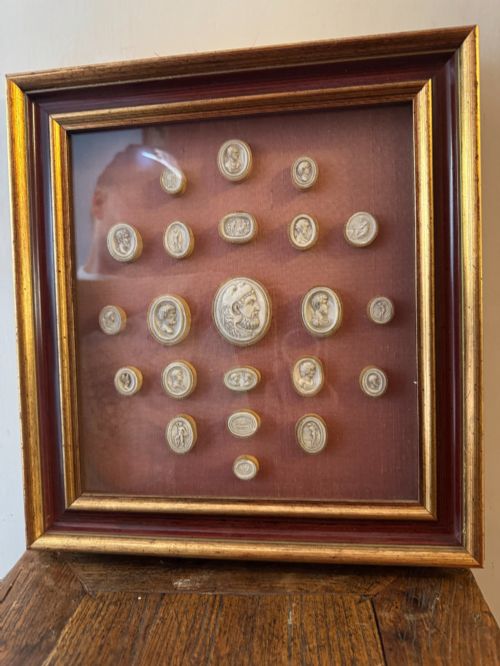
Italian classical art encompasses centuries of creative tradition, ranging from Renaissance revivals to Grand Tour souvenirs and pastoral landscapes. When you explore Italian classical art, you encounter oil paintings on canvas, watercolours, chalk drawings and detailed gypsum intaglio cameo panels.
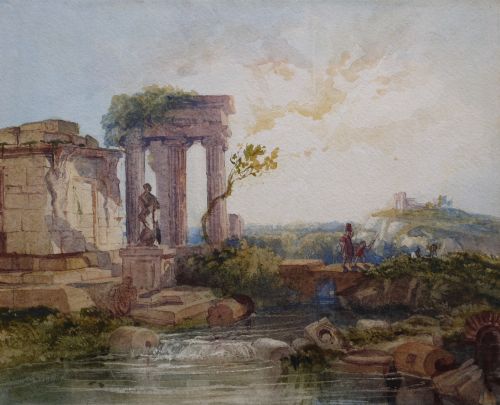
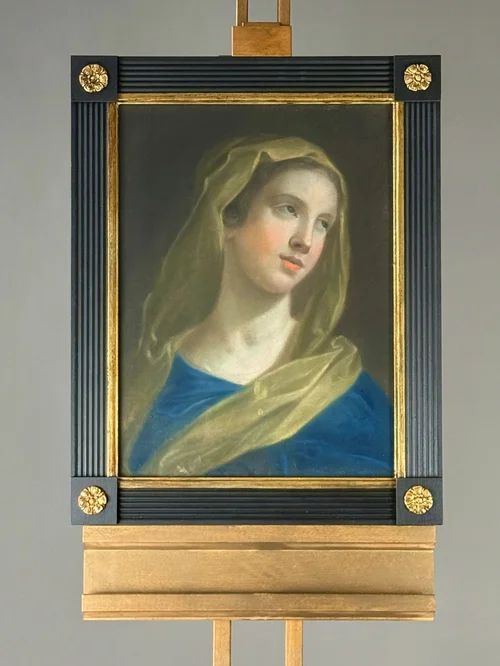
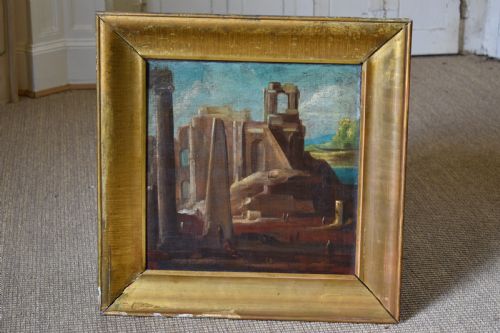
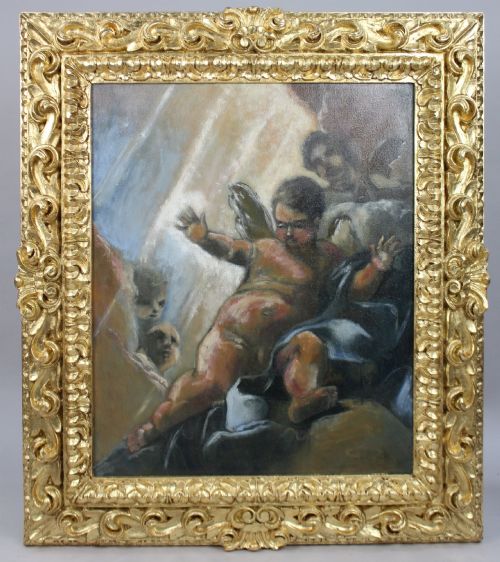
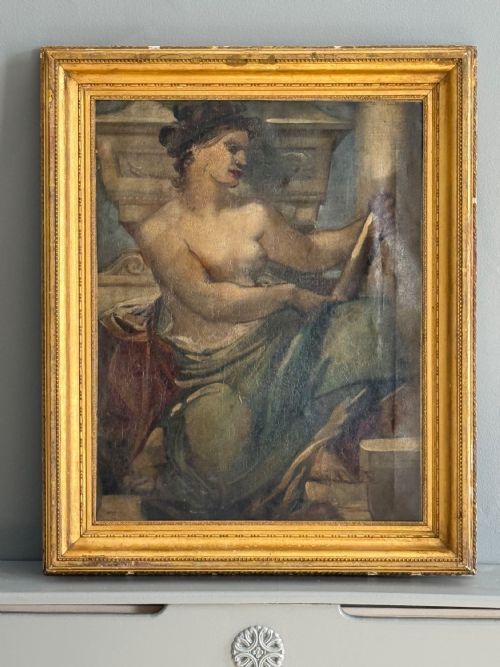
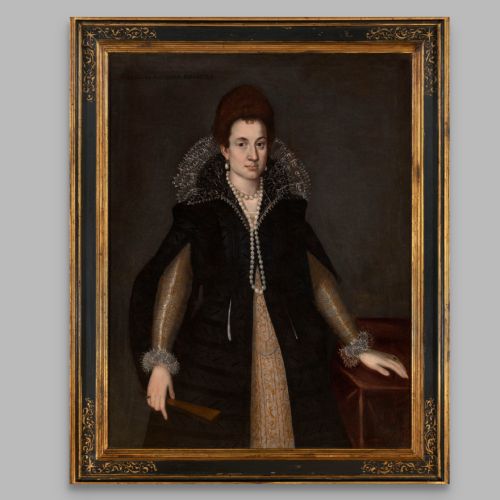
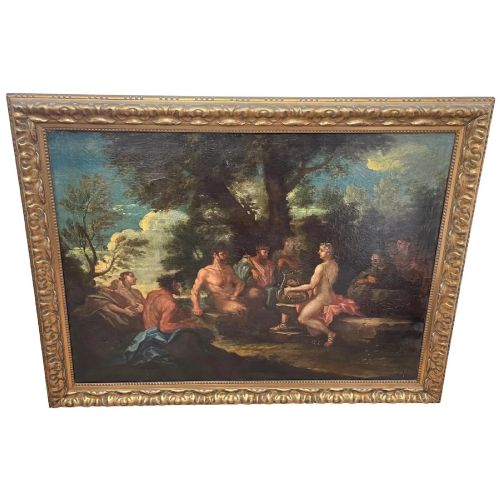
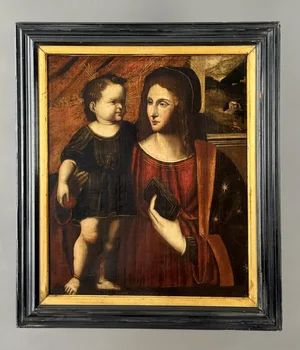
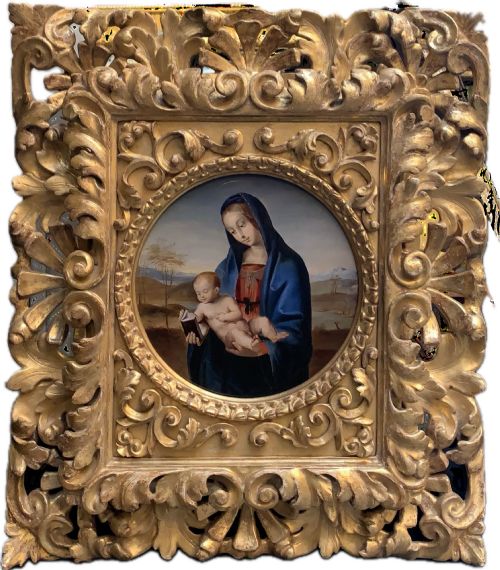
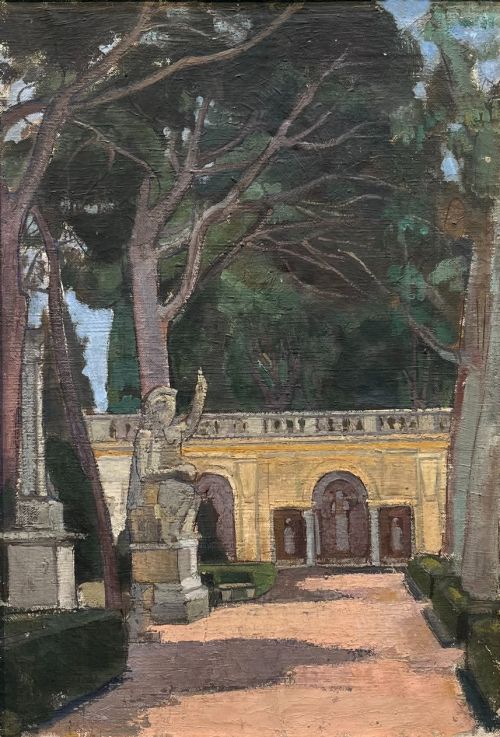
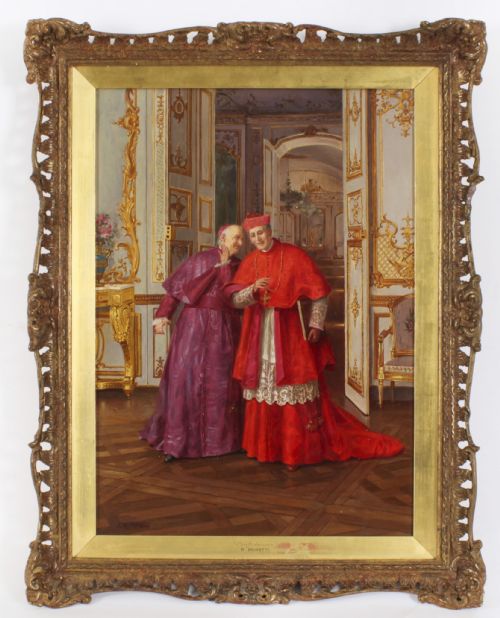
The pieces you find here represent various historical periods, spanning from the sixteenth century through the nineteenth century and into mid-twentieth-century interpretations. Subjects vary from religious portraits of the Madonna and Child to mythological scenes, architectural views of Rome and Venetian canal landscapes.
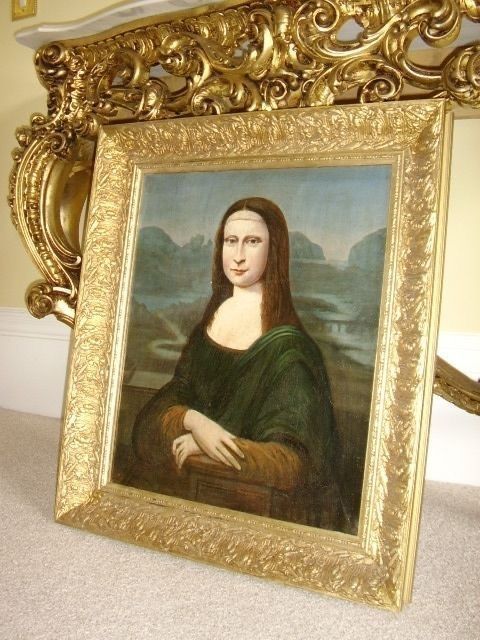
Works on this page often take the form of framed fine art, wall art and sculptural plaques in marble or alabaster. Many examples reflect the influence of master painters, offering interpretations or copies of celebrated compositions.
Materials and methods
Painters applied oil and watercolour pigments onto canvas, paper, wood and board, often finishing works with carved giltwood frames or gold leaf. Artists utilised red chalk and pastels for detailed drawings on paper surfaces.
Sculptural elements and decorative panels relied on materials such as marble, alabaster and gypsum. Craftsmen carved and cast these substances to create intaglio cameos and profile plaques depicting classical figures.
Listings feature works spanning from the sixteenth century to the mid-twentieth century, utilising oil on canvas, paper, wood, marble and gold leaf.
Assessing quality and execution
Quality in these works rests upon the precision of the brushwork, the depth of the palette and the fidelity of the composition. Finer paintings display confident handling of light and shadow, particularly in rendered fabrics and facial expressions.
The integrity of the physical support and the accompanying frame also dictate distinction. Original carved giltwood frames and well-preserved canvas surfaces elevate the overall presentation of older works.
Angelo Maria Crivelli·Benedetto Luti·Pietro Fachetti·Guillaume Courtois·Renato Moretti·Ferruccio Vitale·Franz Knebel
The Italian Classical Art Glossary
- Grand tour
- A traditional trip through Europe undertaken by upper-class Europeans during the eighteenth and nineteenth centuries to study classical art and architecture.
- Intaglio
- A design engraved into a material such as stone or gypsum so that the impression sinks below the surface.
- Giltwood
- Wood that has been covered with a thin layer of gold leaf or gold paint for decorative effect.
- Pastel
- A dry art medium consisting of powdered pigment and a binder, shaped into a stick for drawing on paper.
Italian Classical Art: Frequently Asked Questions
What is a Grand Tour painting?
Grand Tour paintings are artworks collected by travellers touring European cultural centres during the eighteenth and nineteenth centuries.
These pieces typically depict famous ruins, landscapes and classical architecture of Italy as lasting records of travel.
How do I identify Renaissance Revival style?
Renaissance Revival pieces adopt the artistic motifs, compositions and techniques associated with the original fifteenth and sixteenth-century movement.
Look for balanced proportions, religious or mythological subjects and framing styles that mimic earlier centuries.
Where should I hang these artworks?
These works suit traditional living spaces, libraries and hallways where framed wall art complements classic interior decor.
Keep pieces away from direct sunlight and excessive moisture to protect oil paints, watercolours and paper drawings.
What subjects are most common?
Common subjects include religious figures such as the Madonna and Child, classical mythology and pastoral Italian landscapes.
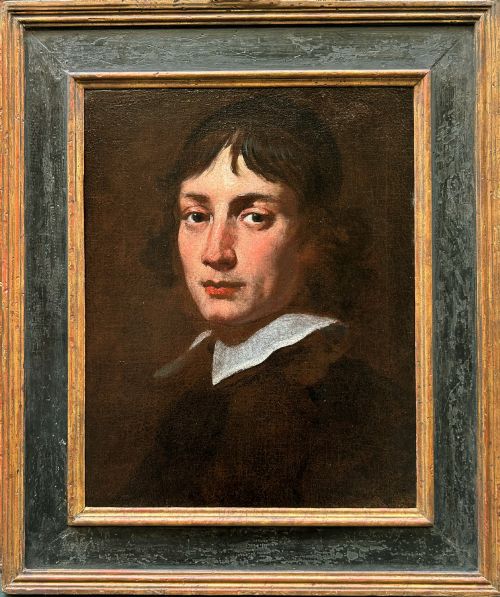
Many works also feature architectural ruins, Venetian waterways and portraits inspired by historical masters.