




Classical Figure Bronze Clock
A classical figure bronze clock brings sculptural presence and mechanical precision together, offering a stately focal point for a mantelpiece.
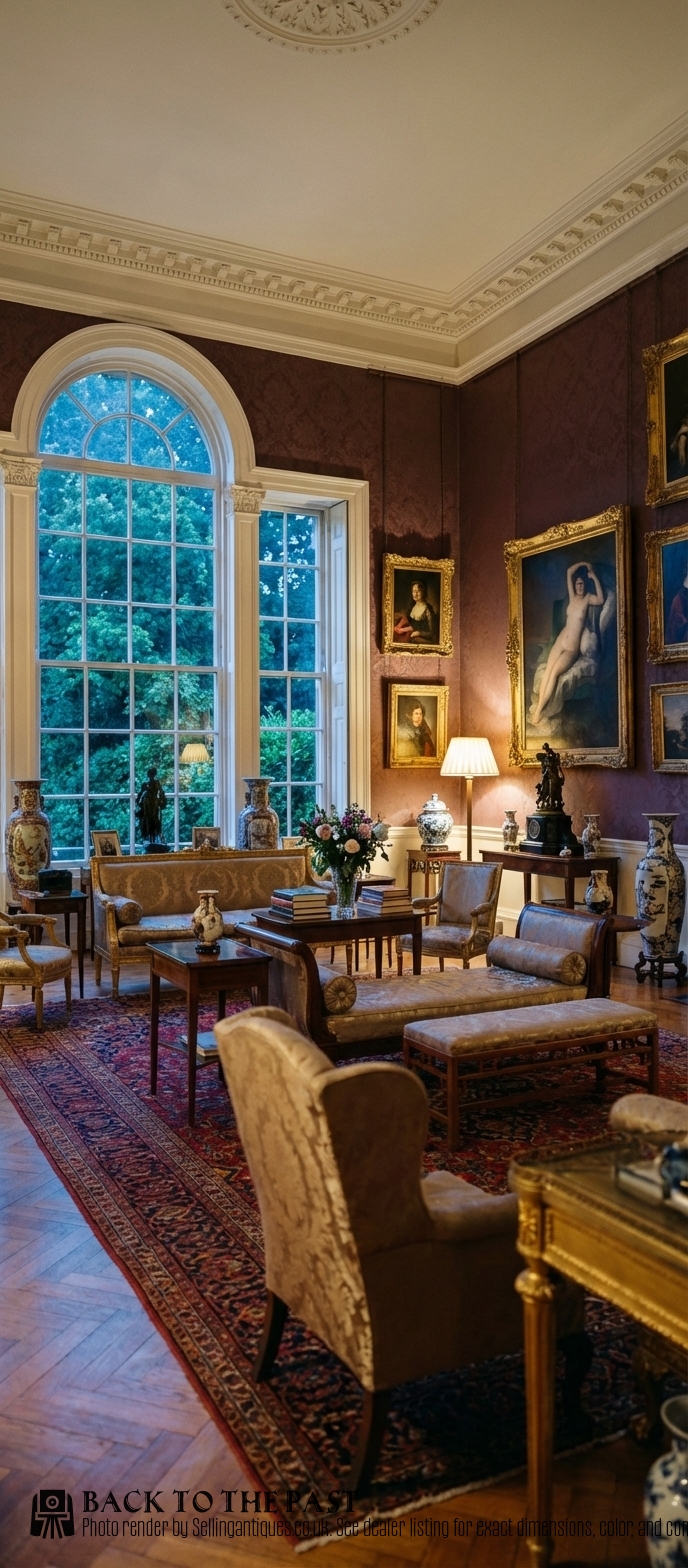
Classical Figure Bronze Clock
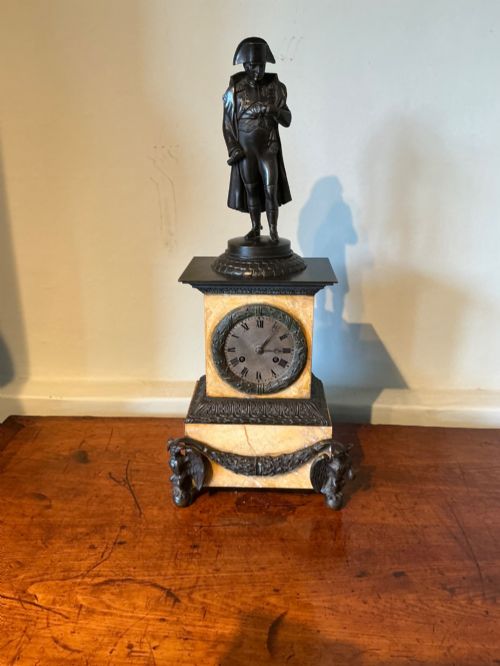
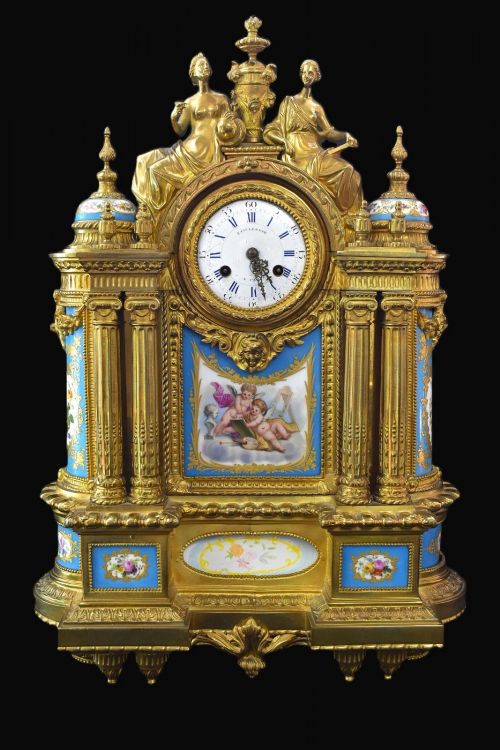
A classical figure bronze clock unites figurative bronze sculpture with timekeeping, often presented as a standalone mantel clock or accompanied by matching garnitures. These works frequently draw on French Neoclassical, Empire, and Louis XVI styles, placing mythological or allegorical figures beside the dial.
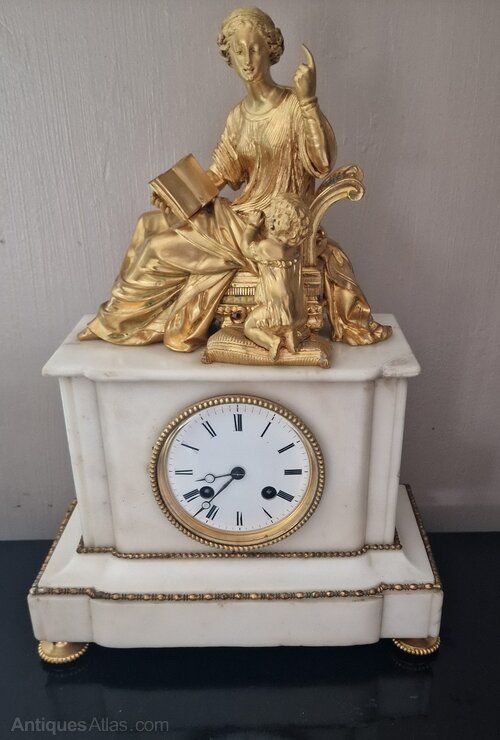
Most examples found here originate from the nineteenth century, spanning the Regency period through the late Victorian era and the Second Empire. French workshops dominate the selection, utilising patinated bronze combined with gilt ormolu mounts and marble bases.
The sculptural subjects range from historical rulers like Napoleon to literary personifications such as L'Etude and Literature. Buyers encounter both compact mantel pieces and large, elaborate garniture sets designed to command a room.
Materials and construction
Foundries cast figures and mounts in bronze, applying patination to darken the metal or employing mercury gilding to produce rich ormolu surfaces. These metal elements rest upon heavy bases of marble, often rouge or white varieties, which provide structural stability and visual contrast.
Clock makers integrated mechanical movements, such as eight-day striking systems and fusee movements, housed behind enamel dials. Cabinetmakers and bronze-workers collaborated to mount the cast figures, porcelain panels, and glass bezels into cohesive architectural housings.
Listings span the nineteenth century, capturing periods from Regency and Victorian eras through to the Second Empire.
Judging quality and execution
The integration of materials dictates overall success, with top-tier clocks showing seamless joints between the heavy marble base, the patinated bronze figure, and the fire-gilded ormolu mounts. Original matching garniture sets and signed movements by known makers elevate the standing of an individual piece.
Etienne Lenoir·Berger Paris·Lemerle Charpentier·Deniere Et Fils·Deniere Paris·Japy Freres
The Classical Figure Bronze Clock Glossary
- Ormolu
- Gilded bronze produced by applying an amalgam of gold and mercury to a bronze base and heating it. This technique creates a durable, bright golden finish characteristic of French decorative arts.
- Garniture
- A set of matching decorative objects, typically comprising a central clock flanked by matching candelabra or urns. These sets create a balanced, symmetrical arrangement on a mantelpiece.
- Patinated bronze
- Bronze treated with chemicals, heat, or acids to produce a specific surface colour, usually dark brown or green. This finish defines the garments and hair of classical figures.
- Fusee
- A conical pulley used in clock movements to maintain even driving power as the mainspring unwinds. It represents a marker of mechanical refinement in older timepieces.
- Enamel dial
- A clock face made by fusing powdered glass onto a metal plate at high temperatures. These dials provide a smooth, durable surface for painted numerals.
Classical Figure Bronze Clock: Frequently Asked Questions
What is a clock garniture set?
A clock garniture set consists of a central mantel clock accompanied by matching side pieces such as urns or candelabra. These matched groupings were designed to create a balanced display across a mantelpiece or sideboard.
They share the same materials and stylistic vocabulary, often combining bronze figures with marble bases and ormolu mounts.
How do I wind an antique mantel clock?
Antique mantel clocks typically use a key inserted into winding holes on the enamel dial to tension the springs inside the movement. Most nineteenth-century examples feature eight-day movements requiring weekly attention.
Care must be taken not to over-wind the mechanism, stopping as soon as resistance is felt.
Are these clocks French in origin?
The vast majority of nineteenth-century figurative bronze clocks on this page were produced in France, particularly in Paris workshops. Makers such as Japy Freres and Deniere exported movements and complete clock sets across Europe.
French designs heavily influenced the Regency and Victorian interpretations found in Britain.
What marble types are used on these bases?
Bases frequently incorporate rouge marble, featuring rich red and white veining, alongside plain black or white marble varieties. These dense stones added necessary weight to anchor the heavy bronze figures and brass movements.
The marble was cut and polished to complement the gilt ormolu mounts.