
Classical Figure Art
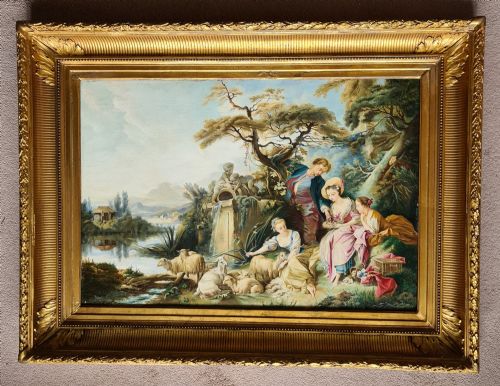
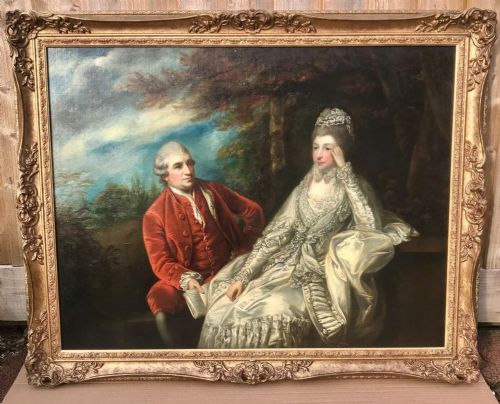
Classical figure art spans centuries of painted oils, intricate bronzes and detailed drawings depicting mythological and human forms.
Classical Figure Art
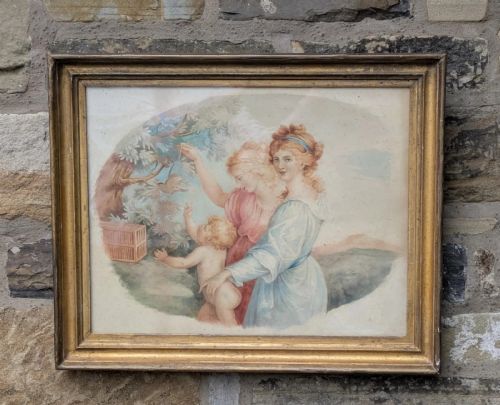
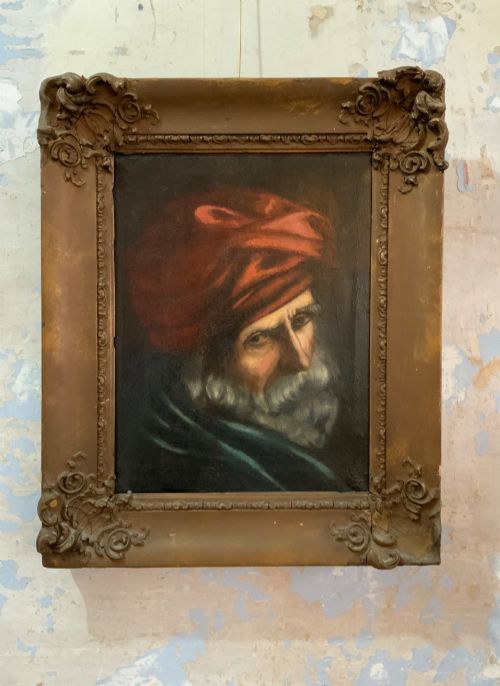
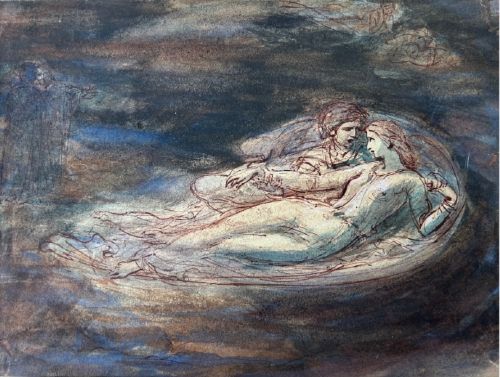
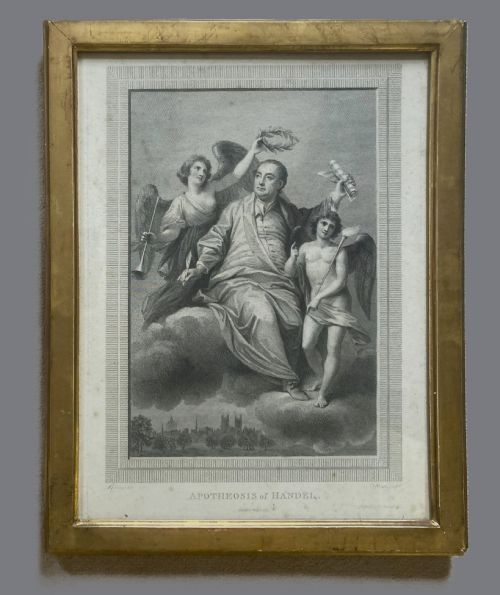
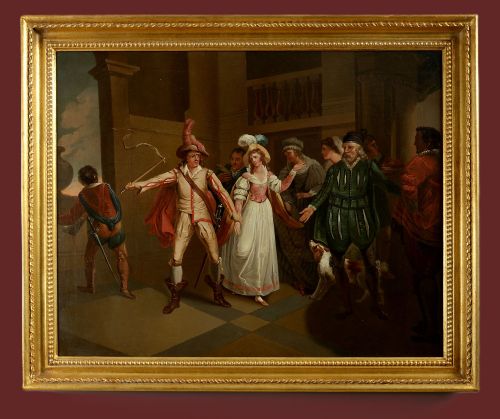
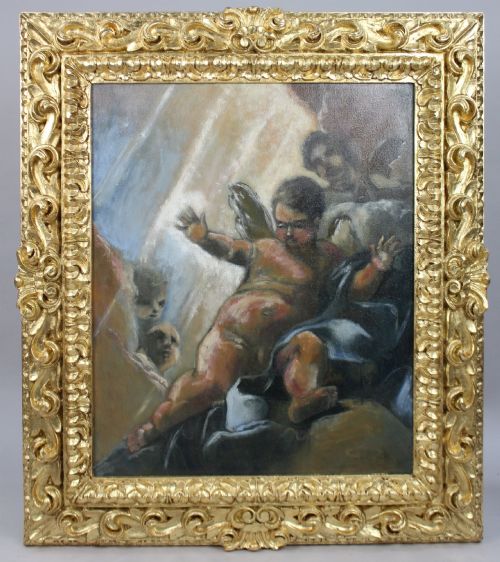
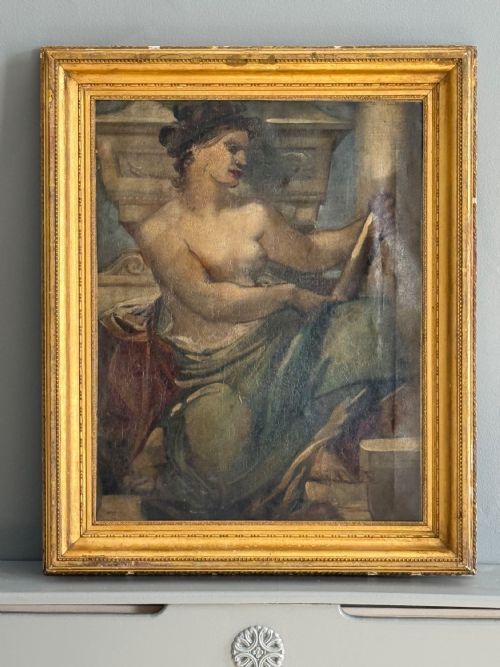
Classical figure art encompasses paintings, sculptures, engravings and drawings centred on human forms, often drawing from mythology, history and portraiture. Pieces span periods from the seventeenth century through the twentieth century, reflecting shifting tastes in academic realism, neoclassical design and art nouveau.
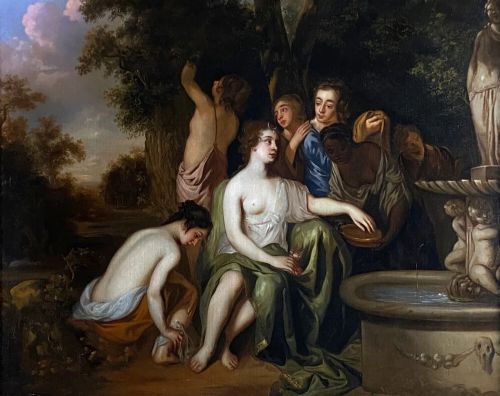
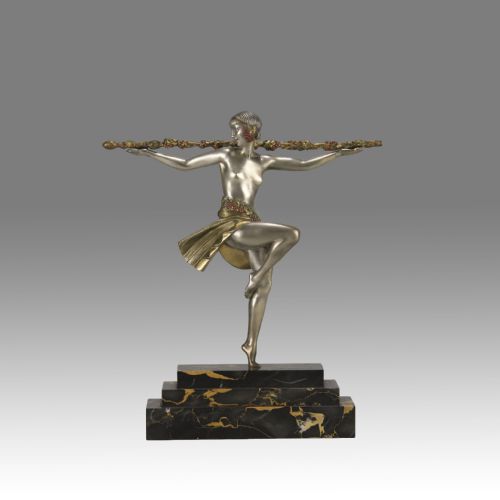
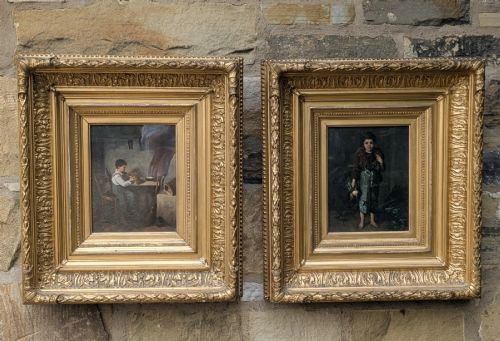
Buyers encounter oil paintings on canvas, bronze and marble sculptures, and works on paper including pencil drawings, watercolours and engravings. These items range from large Italian mythological oil paintings to French bronze dancer figures and delicate portrait prints.
Materials and construction
Works utilise traditional materials such as oil paint on canvas, carved marble and alabaster, cast bronze, and paper for drawings and engravings. Frames often feature carved gilt wood complementing the period style of the artwork.
Bronzes are cast using traditional foundry methods, frequently displaying cold painted or patinated finishes. Paintings combine layered oil pigments with organic binders on prepared canvas or wood panels.
Bronze dancers frozen mid-leap share space with serene mythological figures and solemn historical portraits across the centuries.
Factors influencing quality
Quality rests upon the skill of the draughtsmanship, the precision of bronze casting detail, and the handling of light and proportion in oil paintings. Finer examples display anatomical accuracy and expressive depth in the subject's face and posture.
The distinction between standard decorative output and superior works lies in the reputation of the artist or studio and the preservation of the original surface material, whether patina on bronze or pigment on canvas.
Pierre le Faguays·Moreau Family·August Moreau·Copeland·Mathurin Moreau·Emile Carlier
The Classical Figure Art Glossary
- Bronze
- A copper and tin alloy used for casting sculptures through the lost-wax or sand-casting methods.
- Mezzotint
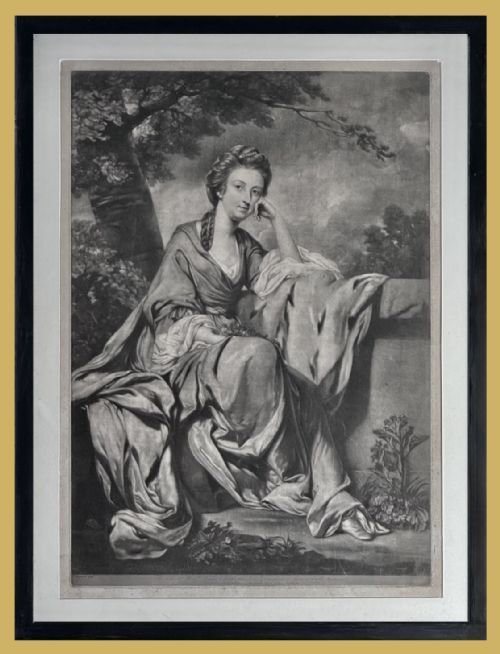
- A printmaking process of the intaglio family where tones are worked directly from dark to light on a copper plate.
- Parian ware
- A type of bisquit porcelain resembling marble, often used for nineteenth-century busts and figural sculptures.
- Neoclassical
- A style originating in architecture and the arts that draws inspiration from the classical art and culture of ancient Greece and Rome.
- Gouache
- An opaque water-based paint consisting of pigment, water, and a binding agent such as gum arabic.
Classical Figure Art: Frequently Asked Questions
How do I identify a bronze sculpture?
Bronzes possess a characteristic weight, cold feel, and often show seams or foundry marks from the casting process. They may feature various patinas ranging from dark brown to polished golden tones.
Examination of the underside often reveals the inner cavity or casting pins used to secure the core during creation.
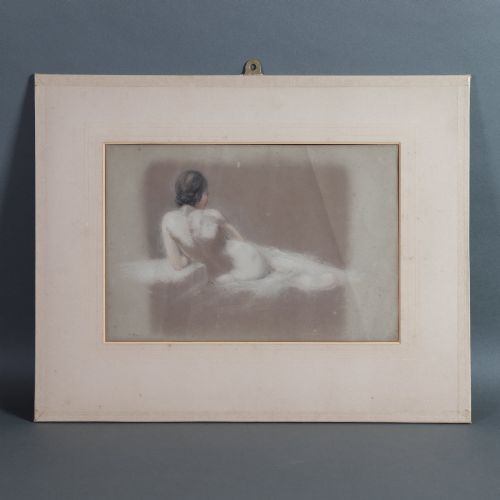
What is an original life drawing?
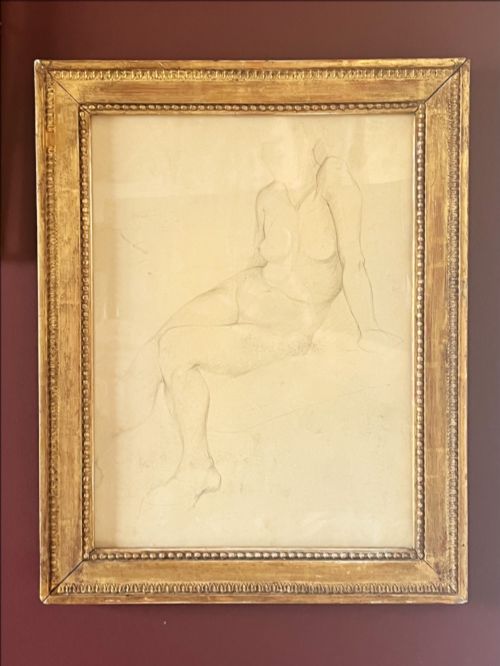
An original life drawing is a direct study of a human model executed by an artist using media like pencil, charcoal, or ink on paper. These sheets capture the immediate observations of the artist in training or preparation for a larger canvas.
Paper texture, watermark evidence, and ink or graphite behaviour help distinguish authentic period examples from later reproductions.
How should I care for antique oil paintings?
Antique oil paintings require stable indoor humidity and protection from direct sunlight to prevent canvas degradation and pigment fading. Dusting should be done gently with a soft, dry brush without applying pressure.
Avoid using liquid cleaners or abrasive materials on the painted surface or the surrounding gilt wood frame.
What defines a neoclassical art style?
Neoclassical art draws heavily on the aesthetics, themes, and orderly proportions of classical antiquity, particularly Greek and Roman sculpture and architecture. Subjects frequently include mythological deities, historical figures, and allegorical scenes.
Composition prioritizes balance, clarity of line, and restrained emotion over theatrical drama.