

Classical Figural Bronze
Classical figural bronze brings mythological figures and classical motifs into domestic spaces through sculptural metalwork.
Classical Figural Bronze
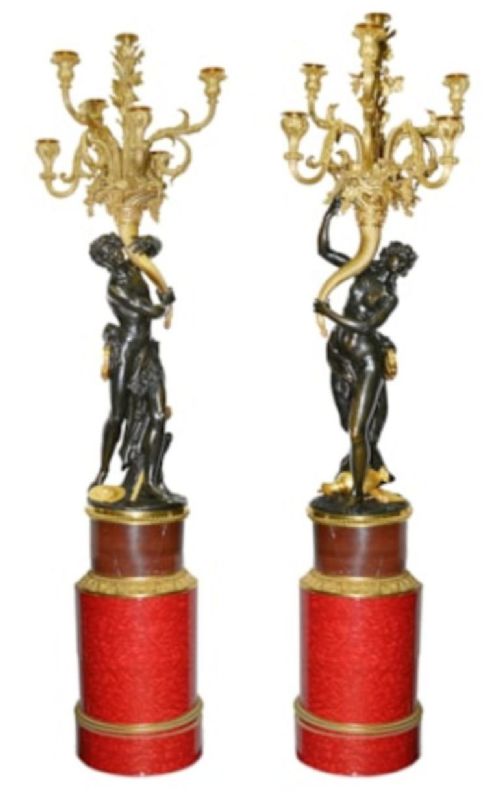
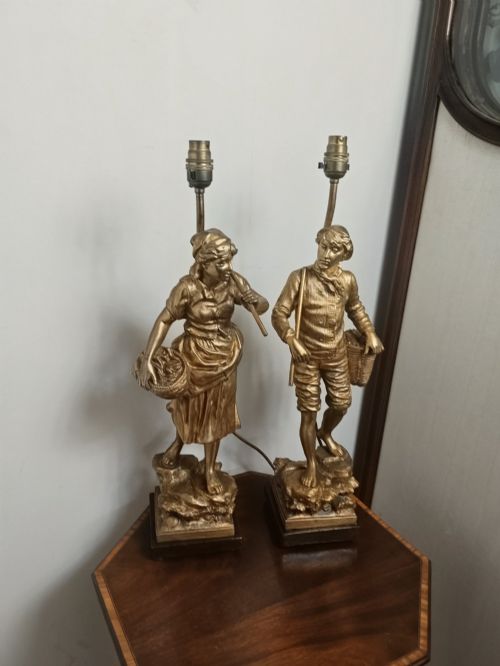
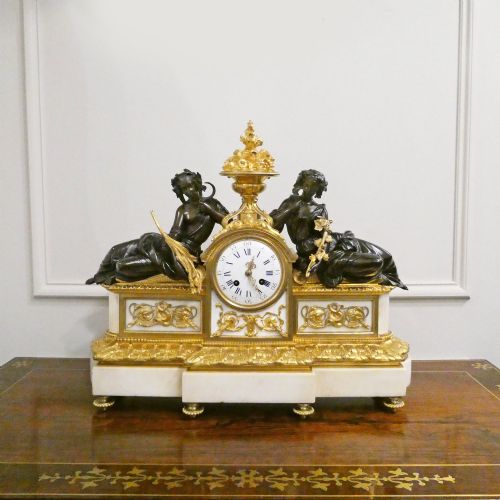
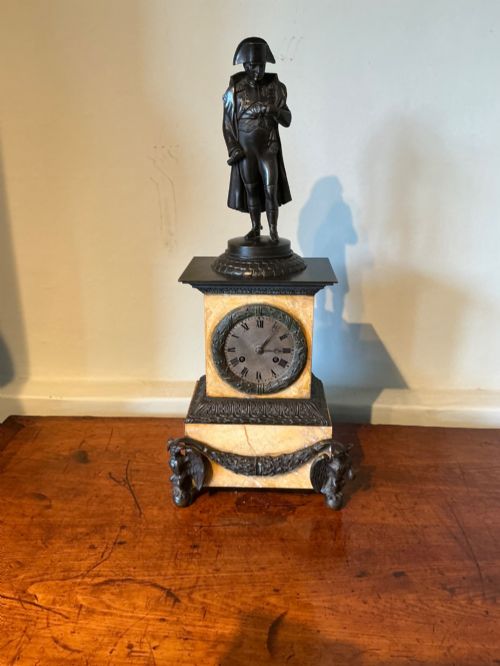
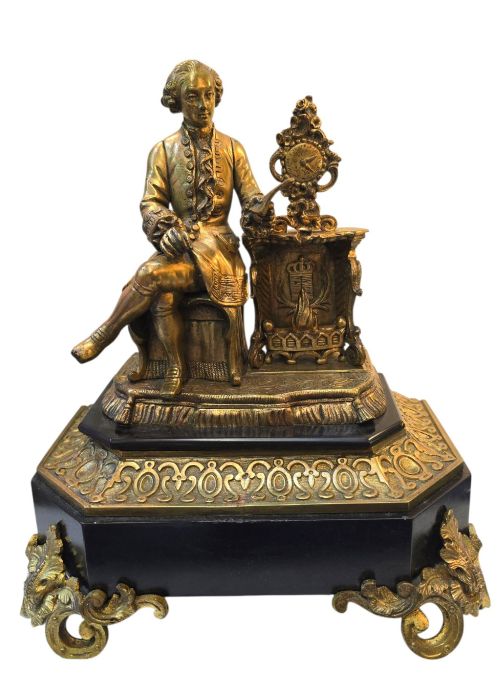
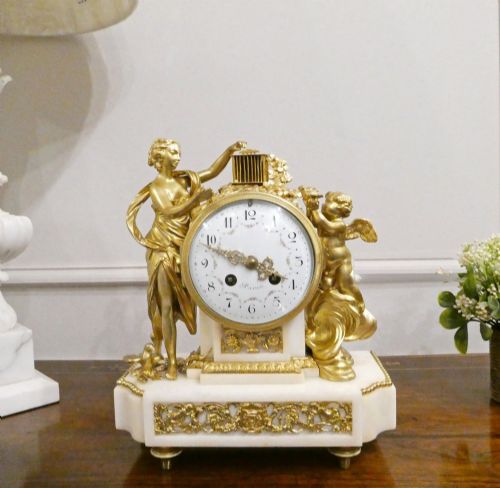
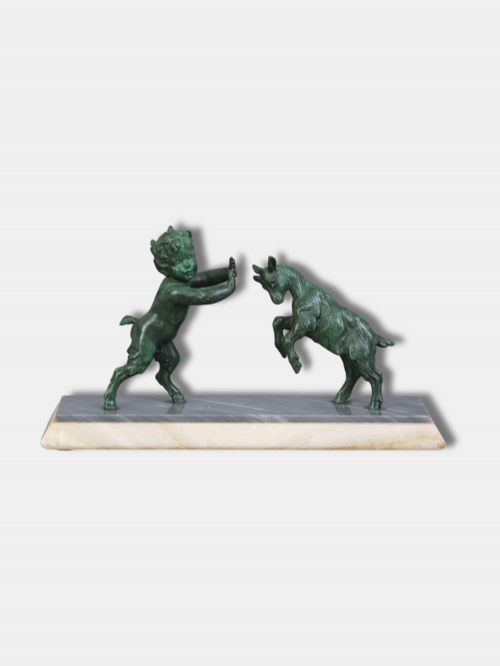
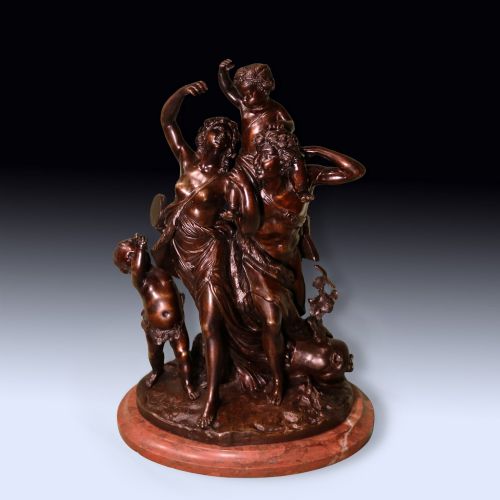
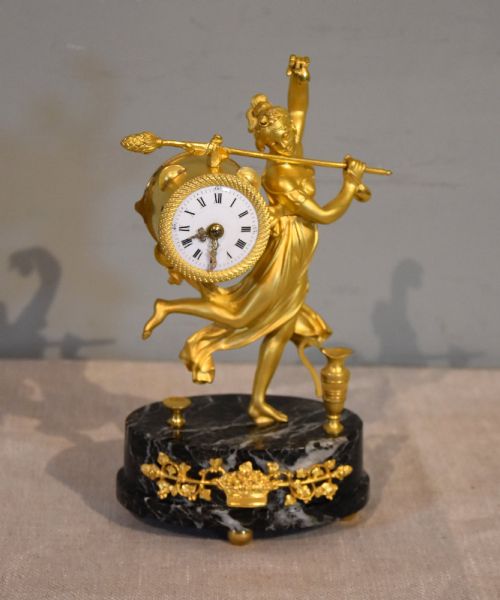
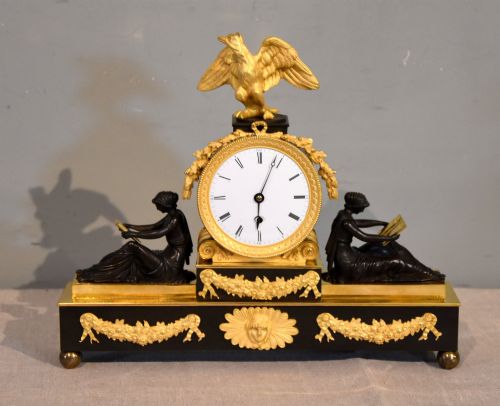
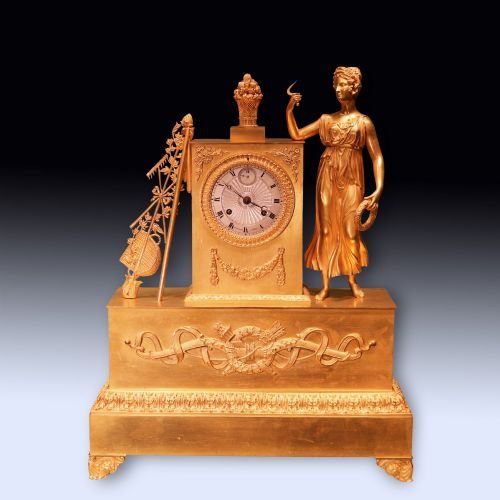
When searching for classical figural bronze, buyers encounter a diverse selection of sculptural objects that incorporate human figures drawn from mythology, history, and classical design. These pieces manifest primarily as mantel clocks, candelabra, table lamps, and freestanding sculptures originating predominantly from nineteenth-century France.
The objects span multiple distinct periods including the Regency, Victorian era, and the late nineteenth century, reflecting sustained interest in neoclassical and French Empire aesthetics. Makers and sculptors utilised patinated bronze, gilt bronze, and ormolu, frequently combining these metals with marble bases.
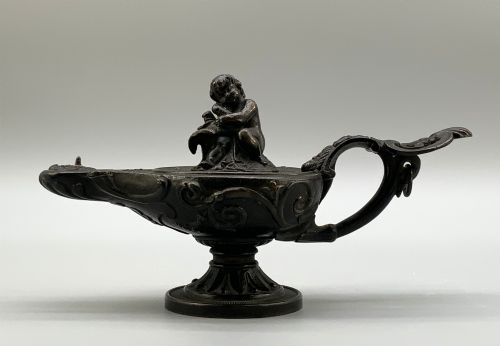
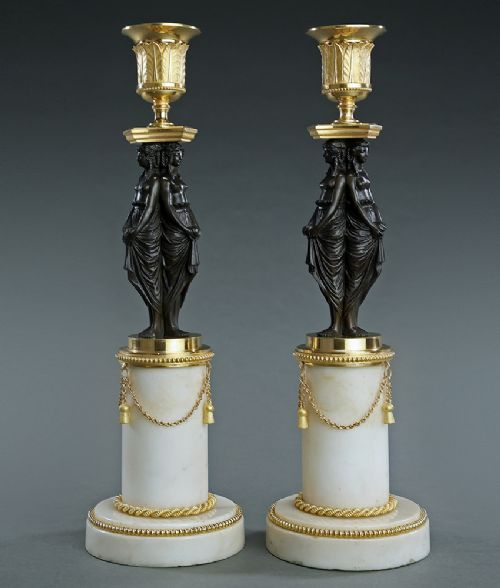
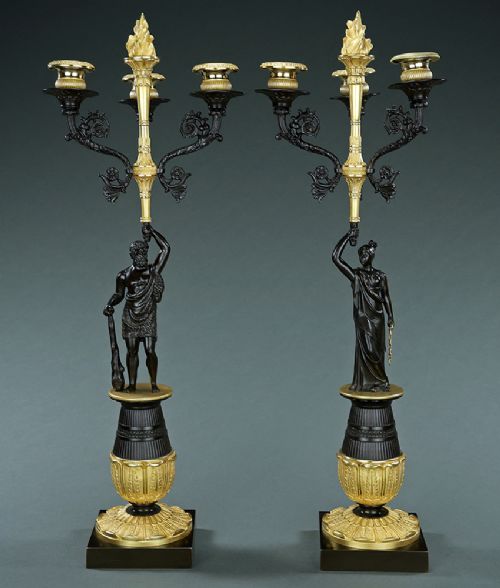
Domestic lighting and timekeeping devices dominate the selection, integrating sculptural figures into functional household items. Candlesticks, oil lamps, and clock garnitures incorporate putti, caryatids, and historical personalities into their structural designs.
Materials and construction
The creation of these works relies on the lost-wax casting method or sand casting, allowing artisans to capture intricate facial expressions, drapery, and anatomical details in molten metal. Artisans then finish the surfaces through chasing, applying patinas, or adding mercury gilding to create ormolu and gilt bronze effects.
Many designs incorporate contrasting materials, mounting bronze figures onto white, green, or black marble plinths, onyx, or slate bases. Enamel dials appear on mantel clocks, while glass and brass components support lighting adaptations on lamps and torchieres.
Object types include mantel clocks, torchieres, candelabra, and table lamps styled in French Empire, Neoclassical, and Art Nouveau designs.
Factors that distinguish quality
The integration of the figure with its functional element, whether clock movement or lighting mount, demonstrates the maker's skill. Casts taken directly from master models display superior proportions and balance compared to secondary recasts.
E Rousseau·L and F Moreau·Emile Carlier·Vincenti·Japy Freres·Emile Picault·Humphrey Hopper·F De Luca·Carrier Belleuse·Hector Lemaire·Justo de Gandarias·Pierre Augustin Caron de Beaumarchais
The Classical Figural Bronze Glossary
- Ormolu
- A technique of applying finely ground high-carat gold-mercury amalgam to bronze objects. This creates a rich golden finish characteristic of French Empire and Louis XVI style metalwork.
- Patinated bronze
- Bronze treated with chemical solutions to produce a specific surface colour, typically dark brown, green, or black. This finish protects the metal and highlights sculptural contours.
- Candelabra
- Branched lighting fixtures designed to hold multiple candles. In classical bronzes, these frequently incorporate human figures supporting the candle arms.
- Caryatid
- A sculptured female figure serving as an architectural support taking the place of a column or a pillar. These figures appear frequently on clock cases and candlesticks.
- Grand Tour
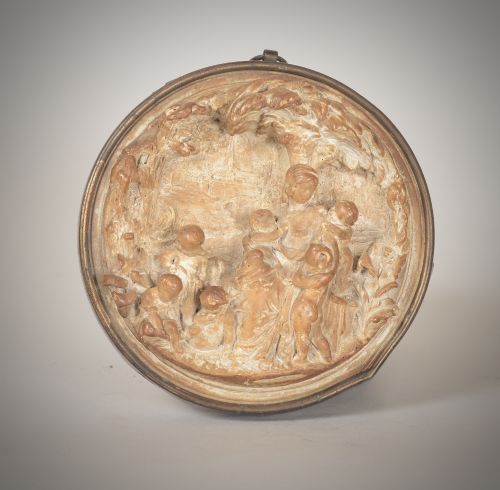
- The nineteenth-century practice of cultural travel undertaken by wealthy young Europeans. Tourists acquired small bronzes and plaster reliefs as souvenirs of classical antiquities.
Classical Figural Bronze: Frequently Asked Questions
What is a classical figural bronze?
These pieces are sculptural metal objects depicting human figures from classical mythology, history, or allegory, cast in bronze or brass.
They function as decorative statues, mantel clocks, lamps, and candelabra, primarily produced during the nineteenth century.
How were these bronzes used originally?
Wealthy households utilised them as functional decor, placing mantel clocks and candelabra on salon fireplaces and incorporating figures into lighting.
They served both practical purposes like illumination and timekeeping, and cultural purposes by demonstrating the owner's classical education.
How do I care for antique bronze?
Dust the surface gently with a soft, dry brush to prevent dirt accumulation in the recessed details of the chasing.
Avoid using abrasive metal cleaners, polishes, or chemical solvents that can strip the original patina or damage the gilt and ormolu finishes.
How can I tell nineteenth century pieces apart?
Examine the casting quality, the type of marble used in the base, and any signatures or foundry stamps inscribed on the metal.
Stylistic shifts from Regency austerity to Victorian ornamentation and Art Nouveau fluid lines help date the manufacturing period.