









Classical Female Bronze Figure
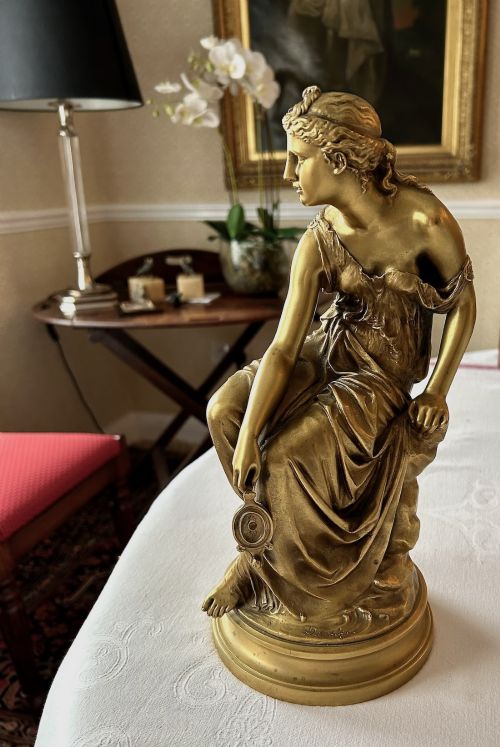
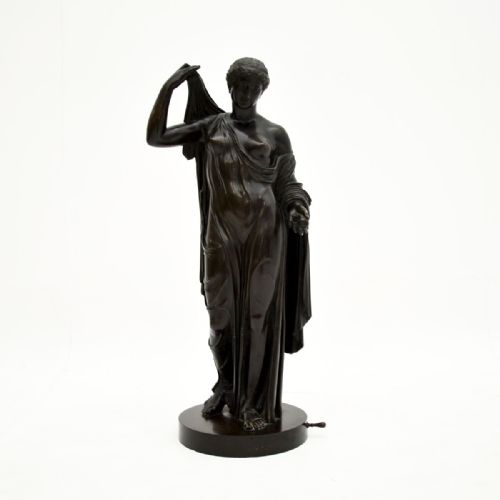
A classical female bronze figure brings myth and antiquity directly into a room through sculpted metal.

Classical Female Bronze Figure
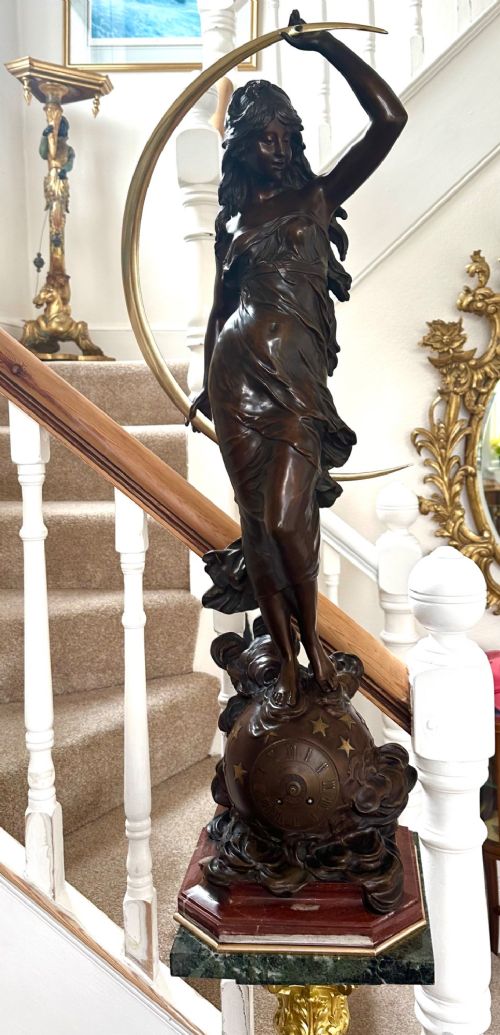
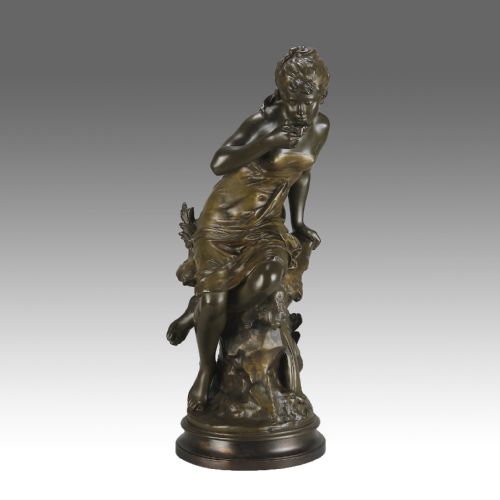
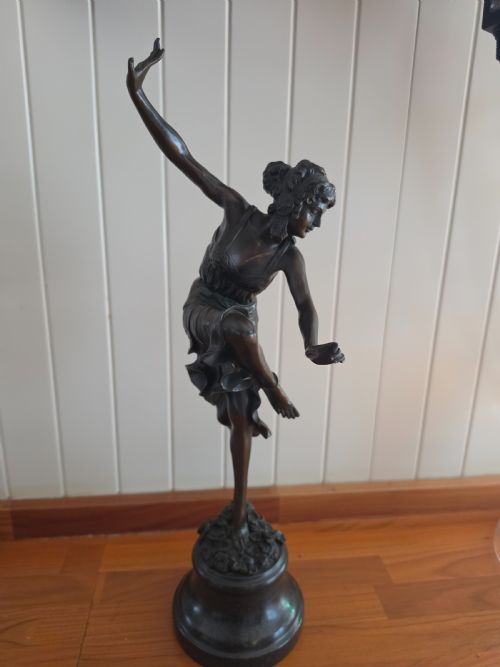
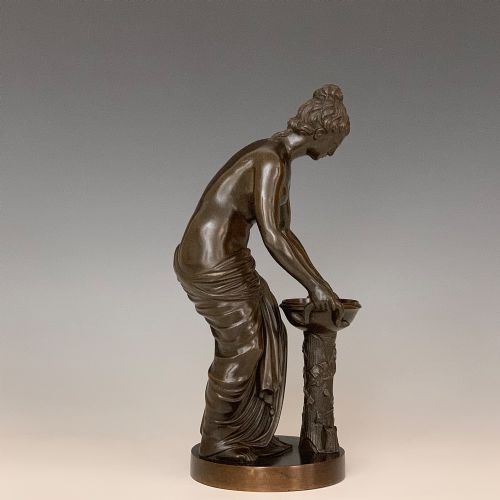
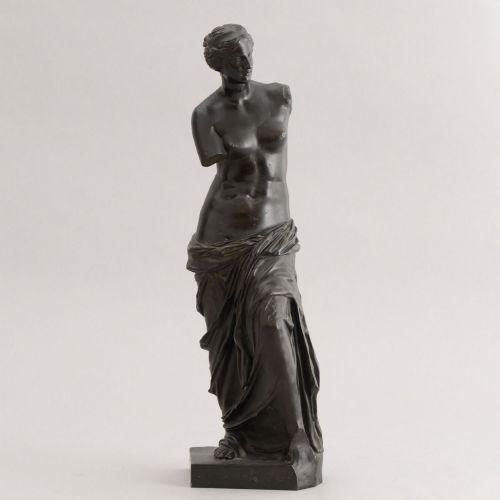
A classical female bronze figure depicts historical heroines, mythological deities, and allegorical maidens rendered in cast metal. These sculptures frequently draw upon ancient Greek and Roman models, manifesting as draped robed ladies, dancers, and classical busts.
Most examples found here originate from nineteenth-century and early twentieth-century French foundries, spanning Neoclassical, Art Nouveau, and Art Deco styles. Collectors encounter these works as standalone cabinet bronzes, large floor-standing sculptures, and figural components on clocks or lamps.

Materials and casting methods
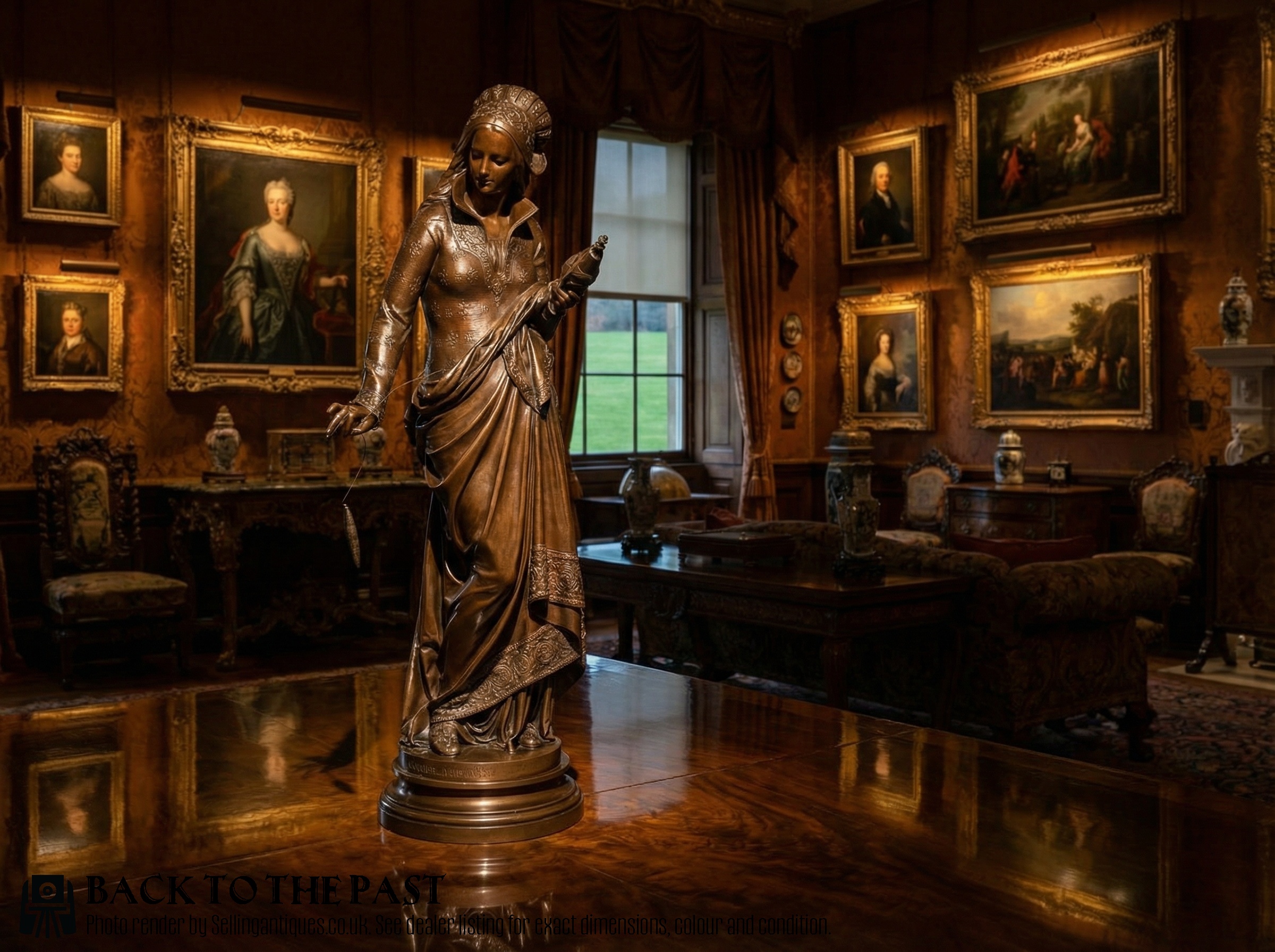
Foundries typically cast these figures using either traditional lost-wax methods or sand casting, yielding dense metal forms that capture intricate drapery and hair. Artisans then applied various chemical patinations, cold-painted polychrome pigments, or gilding to achieve deep brown, golden, or multi-toned surface finishes.
Many of these bronzes incorporate heavy plinths or bases made from contrasting materials such as marble or wood, providing structural stability and visual balance to the slender metallic compositions.
Several figures hold harps, harpoons, or hoops, proving that classical maidens knew how to accessorise.
Distinctions in execution
The depth and nuance of the original patination alongside the reputation of the casting foundry or the signing artist separate standard commercial productions from masterworks.
Etienne-Henri Dumaige·Ferdinand Barbedienne·Pierre le Faguays·August Moreau·Mathurin Moreau·Edouard Drouot·Carrier-Belleuse·Ernst Barrias·Humphrey Hopper
The Classical Female Bronze Figure Glossary
- Patinated bronze
- Metal treated with chemical solutions to produce a controlled surface colour such as dark brown, green, or black. This finish protects the alloy and enhances sculptural depth.
- Grand Tour
- Souvenirs purchased by nineteenth-century travellers visiting classical sites in Italy and Greece. These smaller bronze reductions reproduced famous ancient sculptures.
- Cold painted
- Pigment applied to a bronze figure after casting without heat fixing. This delicate technique is commonly found on Austrian and French decorative statuettes.
- Torchere
- A tall ornamental stand or figural torch-bearer adapted as a lamp or candleholder. Examples often incorporate classical maidens holding light sources.
- Lost-wax casting
- A process where a wax model is melted from a mould and replaced with molten bronze. It allows for high fidelity and intricate undercuts.
Classical Female Bronze Figure: Frequently Asked Questions
What periods do these figures come from?
These sculptures span the nineteenth and early twentieth centuries, reflecting changing aesthetic movements from Regency Neoclassicism through Victorian historicism to Art Nouveau and Art Deco.
Foundries active in Paris produced the majority of these pieces, adapting ancient motifs for contemporary domestic interiors.
How were these bronzes displayed originally?
Owners placed them on mantelpieces, pedestals, and dedicated tables as focal points in drawing rooms and studies. Many were integrated directly into functional objects such as clocks, lamps, and candelabra.
Larger sculptures often stood in hallways or libraries alongside marble pedestals to elevate the figures.
How do I care for a bronze sculpture?
Dust the surface regularly with a soft, dry brush to prevent particulate accumulation on the patinated metal. Avoid using chemical cleaners, polishes, or abrasive cloths that can strip the original surface treatment.
Maintain stable indoor humidity levels to protect any integrated marble bases or wooden stands from warping or cracking.
How can I distinguish period casts from later reproductions?
Examine the quality of the chasing work, the weight of the metal, and the composition of the base material. Period casts usually display crisp foundry marks, natural wear consistent with age, and sophisticated patination that integrates deeply with the bronze.