


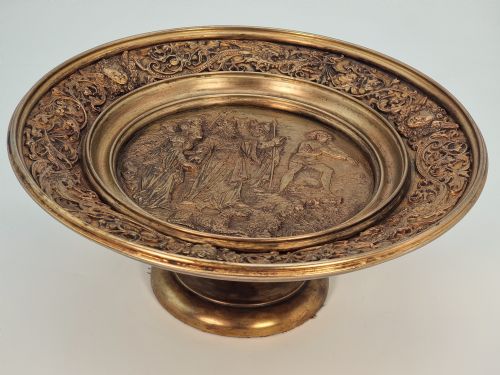

Classical Decorative Dish
A classical decorative dish brings formal academic proportion and classical mythology straight to a sideboard or table.
Classical Decorative Dish
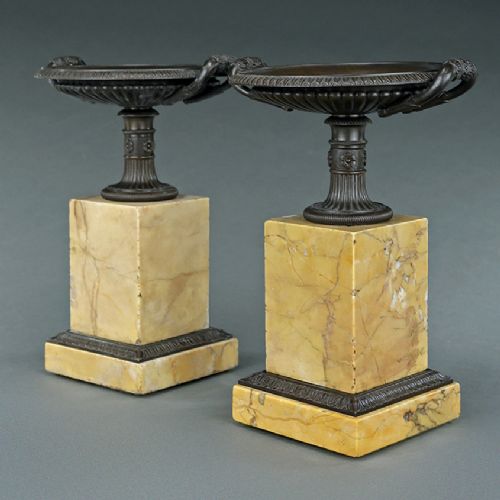
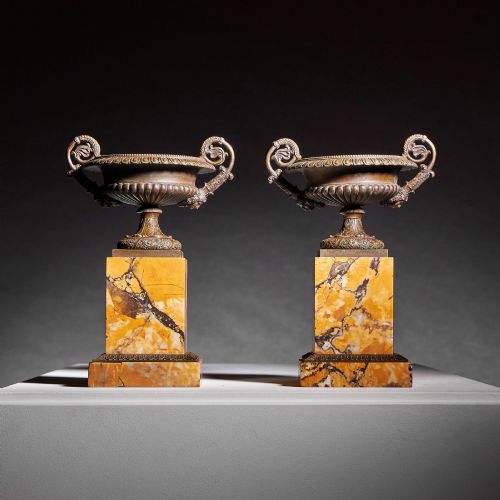
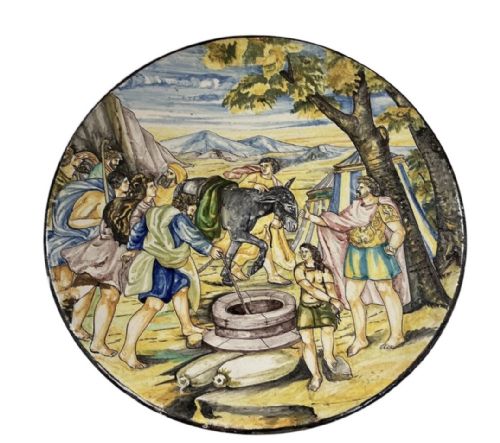
A classical decorative dish encompasses chargers, tazzas, and platters created to display historical scenes, mythological figures, and architectural motifs. Collectors searching for a classical decorative dish will encounter pieces ranging from large porcelain plates depicting classical historical scenes to bronze and marble tazzas.
The selections span the nineteenth century, including Regency, Victorian, and Art Nouveau periods, alongside revival styles such as Neoclassical and Renaissance Revival. These items function primarily as decorative centrepieces, cabinet plates, or display trays rather than practical tableware.
Origins stretch across French, Italian, and Austrian workshops, notably featuring Vienna porcelain manufactories and Italian maiolica traditions. Forms vary from shallow porcelain dishes with cobalt blue and gilt borders to heavy bronze plates associated with the Grand Tour.
Materials and construction
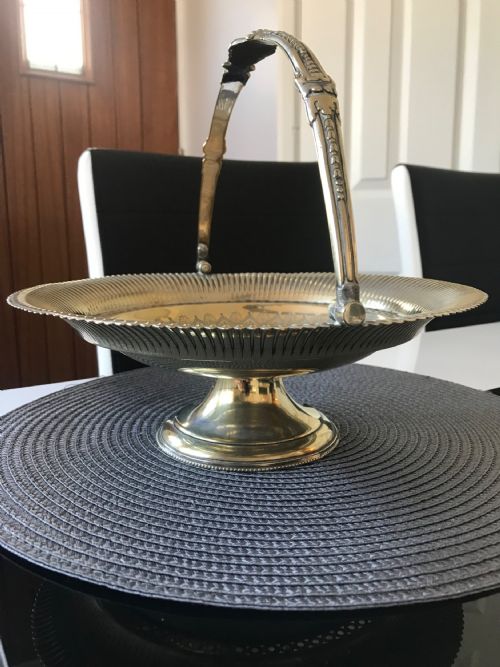
Makers utilised hard-paste porcelain, cast bronze, and earthenware ceramics, frequently pairing porcelain with champlevé enamel or gilt bronze mounts. Silver plating and gold leaf applied to bronze or copper bases provide reflective metallic surfaces.
Decorative techniques rely on hand-painting pictorial narrative scenes directly onto porcelain grounds, alongside tin-glazing for maiolica chargers and meticulous hand-chiselling for bronze tazzas. Ormolu framing, malachite inlay, and Blue John additions elevate composite items from the Regency and Victorian eras.
Listings feature items from the 19th Century, Regency, and Art Nouveau periods, constructed from porcelain, bronze, marble, and silver plate.
Assessing quality and execution
Quality rests upon the crispness of the cast in bronze works and the finesse of figurative painting on porcelain chargers. Superior examples demonstrate finely rendered mythological narratives, signed artistry, and substantial proportions rather than mechanical transfer printing.
The integration of mixed media dictates the standing of a piece, separating standard production wares from exceptional commissions. Heavy gauge bronze, intricate champlevé enamel work, and intact gilding distinguish top tier objects.
The Classical Decorative Dish Glossary
- Tazza
- A shallow bowl or cup mounted on a stem and foot, frequently utilised as a decorative centrepiece or display dish.
- Charger
- A large ceremonial or decorative plate, often hung on a wall or displayed upright on a sideboard.
- Maiolica
- Tin-glazed Italian earthenware decorated with colourful pigments, frequently featuring historical or mythological narratives.
- Champlevé
- An enamelling technique where troughs are dug into metal and filled with vitreous enamel before firing.
- Ormolu
- Gilded bronze used extensively for decorative mounts, handles, and structural framing during the eighteenth and nineteenth centuries.
Classical Decorative Dish: Frequently Asked Questions
What is a classical decorative dish used for?
These items serve as decorative centrepieces, cabinet displays, or serving trays for formal interiors rather than functional dining ware.
Collectors place them on tables, sideboards, or mount chargers on walls to showcase mythological and historical painted scenes.
How do I identify a Vienna porcelain plate?
Vienna porcelain pieces often feature hand-painted mythological scenes, cobalt blue grounds, and generous application of gilt ornamentation.
Many examples depict specific literary subjects like classical deities and historical figures from antiquity.
What is the difference between a tazza and a charger?
A tazza stands upon a raised stem and foot, resembling an elevated shallow bowl or pedestal dish.
A charger is a flat or very low-rimmed large plate designed primarily for visual impact rather than holding food.
Are these pieces from the nineteenth century?
The majority of pieces originate from the nineteenth century, encompassing Regency, Victorian, and Art Nouveau periods.
Revival movements during this time frequently copied earlier Renaissance and classical Greek motifs.
What materials are common in these decorative dishes?
Common materials include hard-paste porcelain, cast bronze, silver-plated metal, and tin-glazed maiolica earthenware.
More elaborate items incorporate marble, malachite, champlevé enamel, and gold leaf highlights.