

Classical Column Pedestal
A classical column pedestal elevates display pieces and lights rooms through architectural form.
Classical Column Pedestal
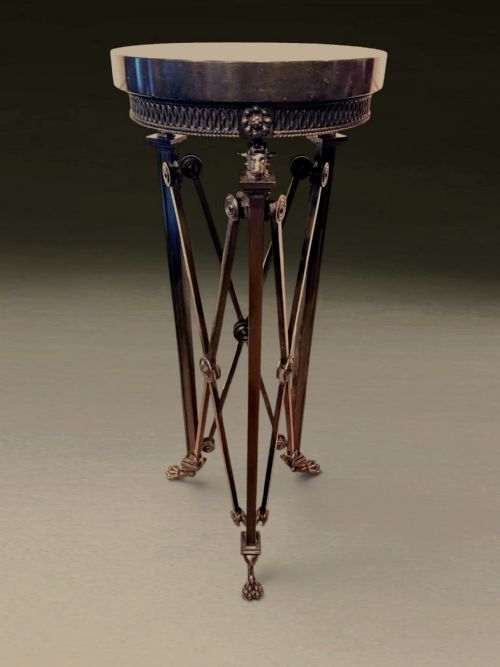
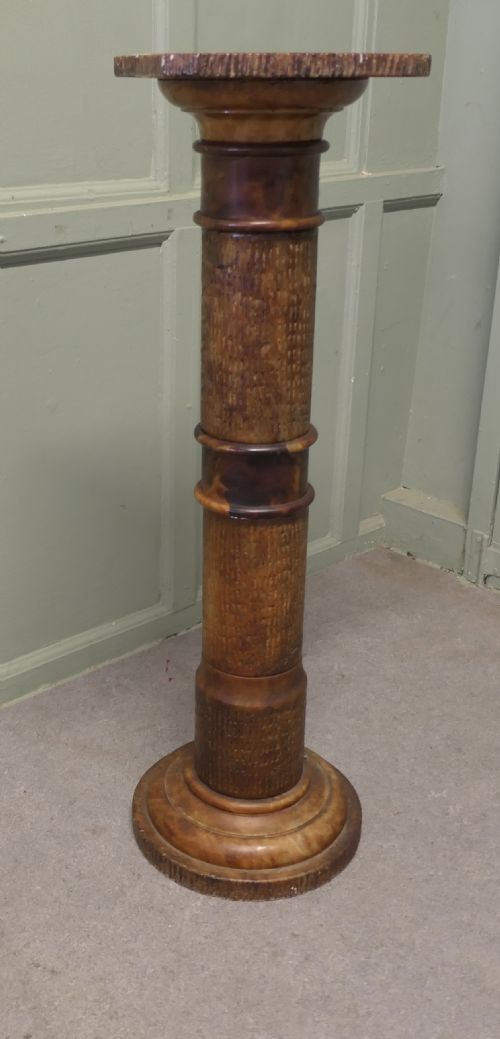
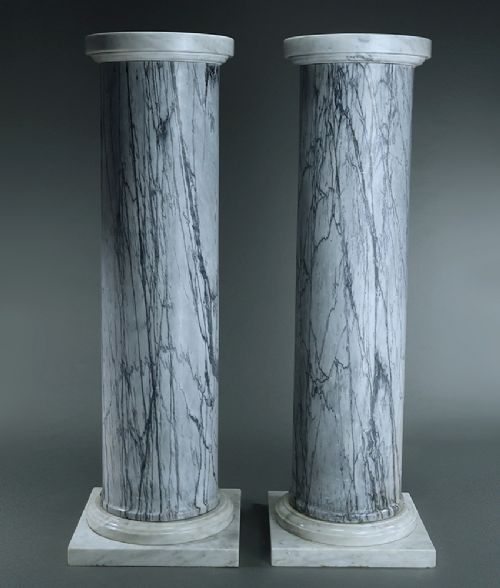
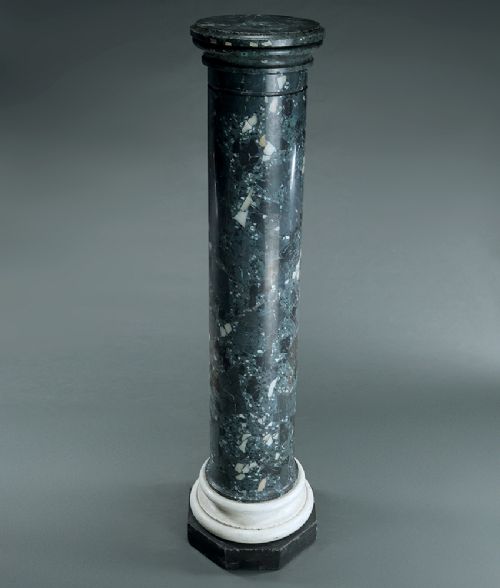
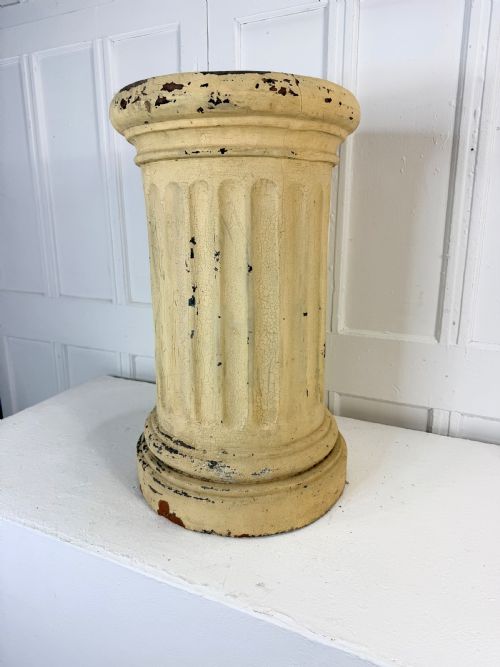
A classical column pedestal draws on ancient architectural forms to support sculptures, lamps, and decorative objects in domestic interiors and gardens.
Nineteenth-century examples dominate the selection, appearing alongside early twentieth-century interpretations in revival styles.
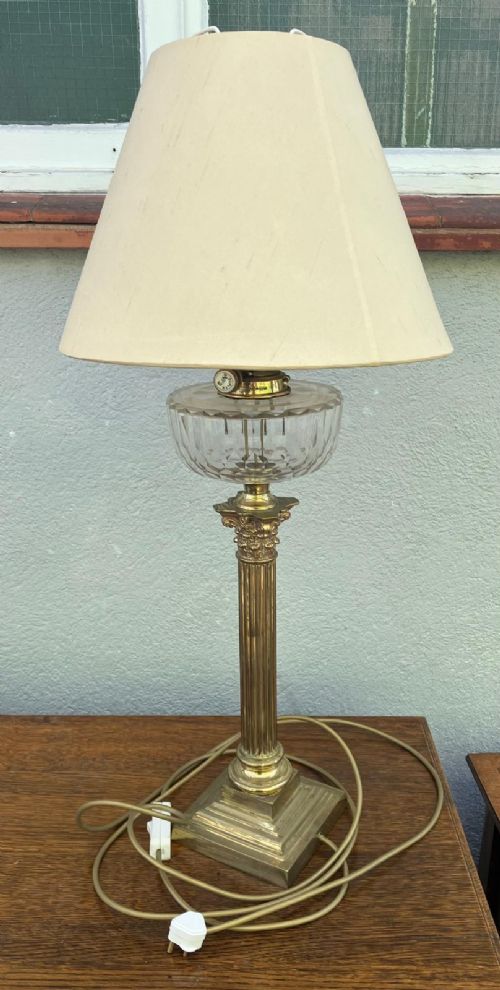
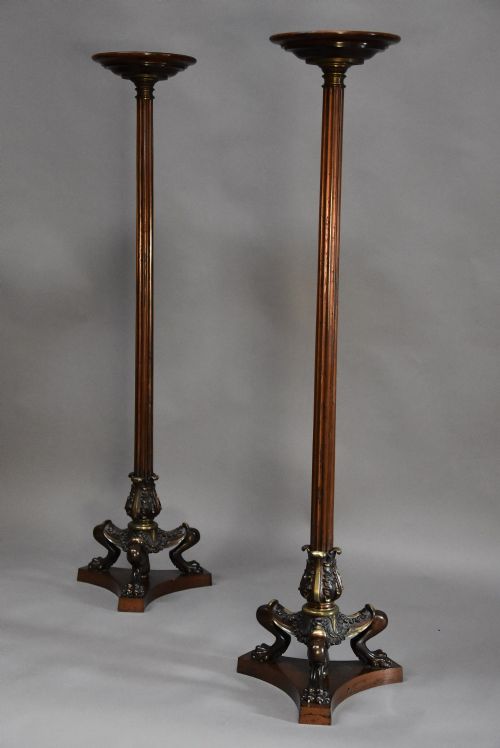
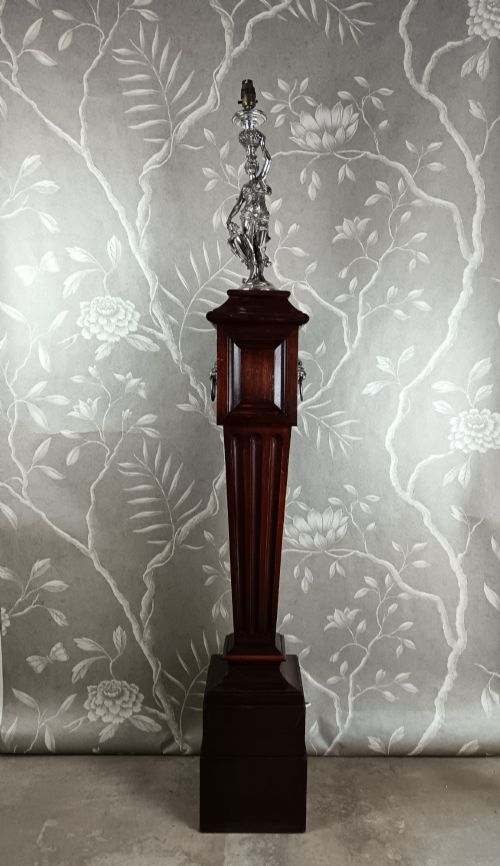
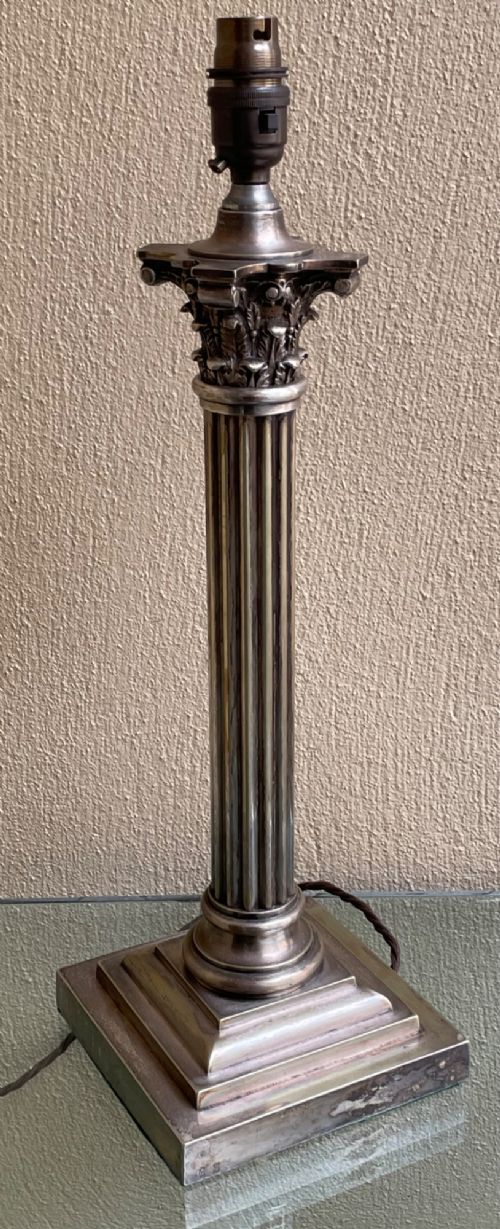
Makers shaped these columns as display stands, plant pedestals, torcheres, and table lamps.
Materials and construction methods
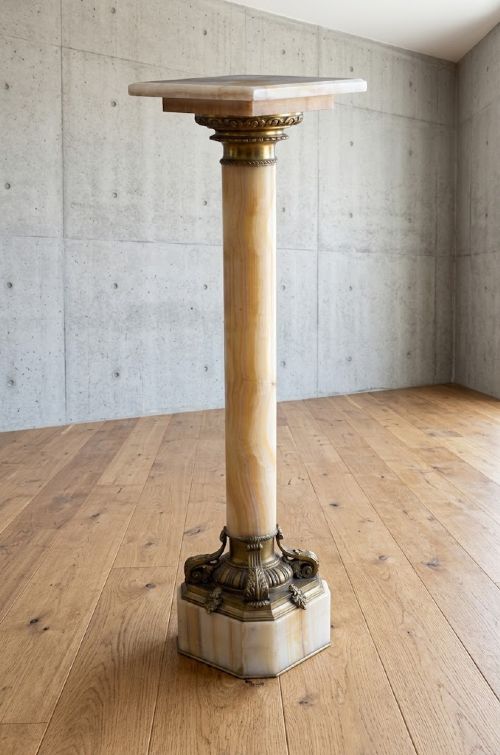
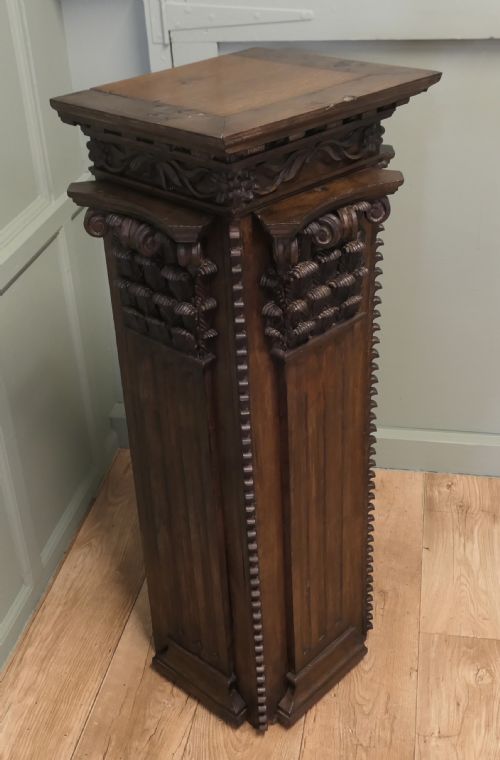
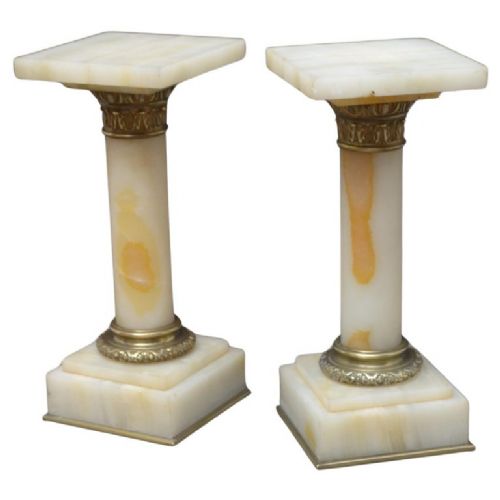
Carvers and founders utilised natural stone, marble, onyx, alabaster, brass, bronze, mahogany, and painted wood.
Ormolu collars, bronze mounts, and cast metal enrichments accent stone shafts and wooden structures.
Classical Column Pedestal Retail Price Guide 2026
Typical asking prices for classical column pedestal among the pieces listed under this phrase on Sellingantiques today, from the lower quarter to the upper quarter. They describe what is for sale here now, not the wider market.
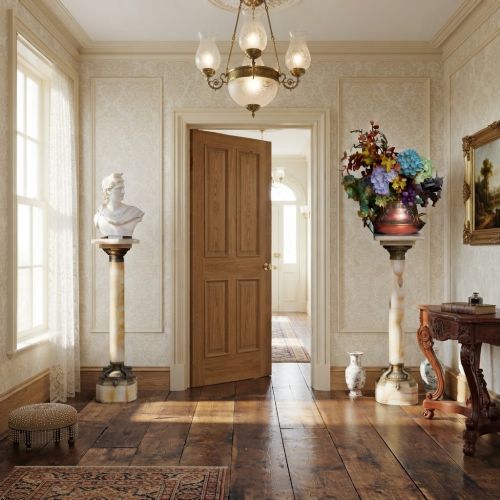
Napoleon Bonaparte watches over the room from an early nineteenth-century marble bust perched firmly on his own dedicated classical column.
Distinctions in execution and material
Selection of fine-grained marbles, dense hardwoods, and heavy cast brass distinguishes superior examples.
Precision in carved fluting and the crispness of classical capitals separate high-grade workshop production from standard items.
The Classical Column Pedestal Glossary
- Neoclassical
- A style reviving classical antiquity during the eighteenth and nineteenth centuries. It relies on symmetrical proportions and architectural motifs.
- Torchere
- A tall stand designed to hold a light or a candle. These often take the form of slim columns in wood or metal.
- Ormolu
- Gilded bronze mounts applied to furniture and decorative objects. This technique adds metallic contrast to marble and wood.
- Scagliola
- A composite material made from selenite, glue, and pigments, mimicking marble. Artisans shaped it to imitate expensive stones.
- Corinthian
- An order of classical architecture defined by ornate capitals decorated with acanthus leaves. Lamps and pedestals frequently adopt this capital design.
Classical Column Pedestal: Frequently Asked Questions
How were classical column pedestals used historically?
These pieces served as stable elevations for art, bronze busts, and lighting within formal rooms. They raised important objects to eye level for display.
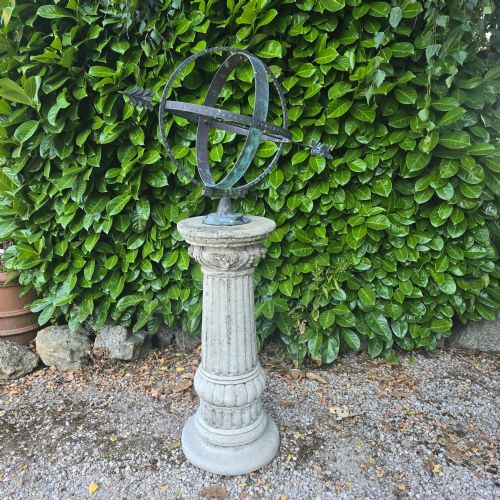
In domestic settings, smaller versions functioned as table lamps while taller columns supported urns and garden statuary.
What materials are common in these pedestals?
Carvers utilised various marbles including onyx, bardiglio, carrara, and sienna. Woods such as mahogany, satinwood, and carved oak also appear frequently.
Foundries added cast brass, bronze, and silver plate for capitals, mounts, and lamp bases.
How do I date a marble column pedestal?
Nineteenth-century pieces often display hand-turned stone shafts and heavy bronze or ormolu mounts. Neoclassical proportions indicate nineteenth-century or earlier manufacture.
Twentieth-century examples occasionally incorporate different base construction methods and lighter metal alloys.
Are these pedestals suitable for modern lighting?
Many brass and bronze columns were manufactured or adapted as table lamps with classical capitals. They integrate readily into contemporary interiors as functional illumination.
Wiring requires inspection by a qualified electrician prior to use.