
Classical Column Lighting
Classical column lighting brings architectural dignity to interiors through upright forms drawn from ancient orders.
Classical Column Lighting
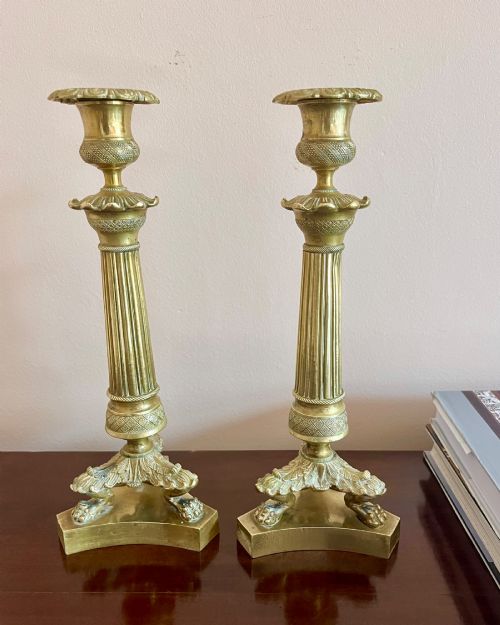
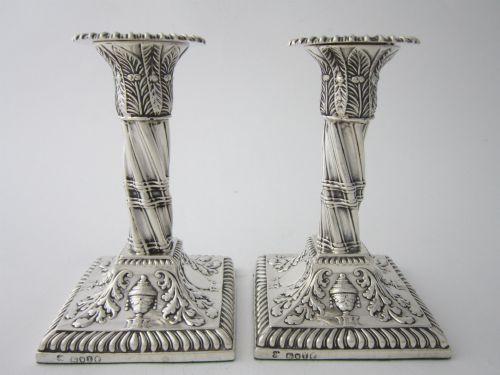
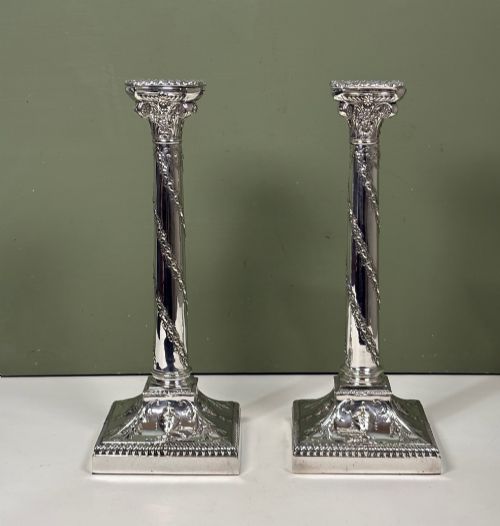
When you search for classical column lighting, you encounter upright forms shaped like architectural supports, principally configured as table lamps, standard lamps, oil lamps, torcheres and candlesticks adapted for illumination. These pieces derive their structural vocabulary from ancient orders, translating stone temple architecture into domestic fittings.
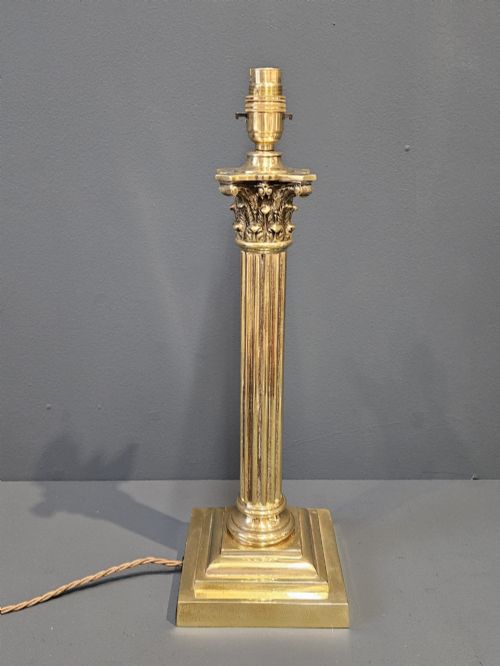
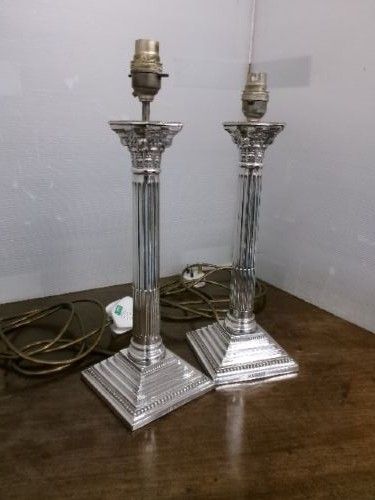
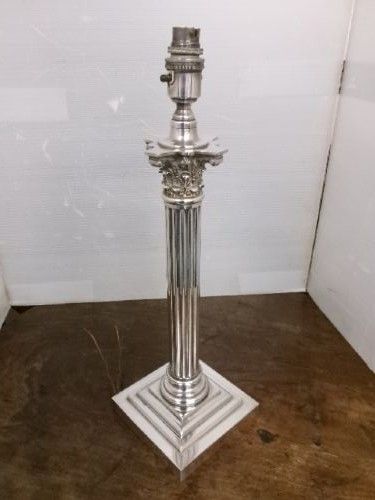
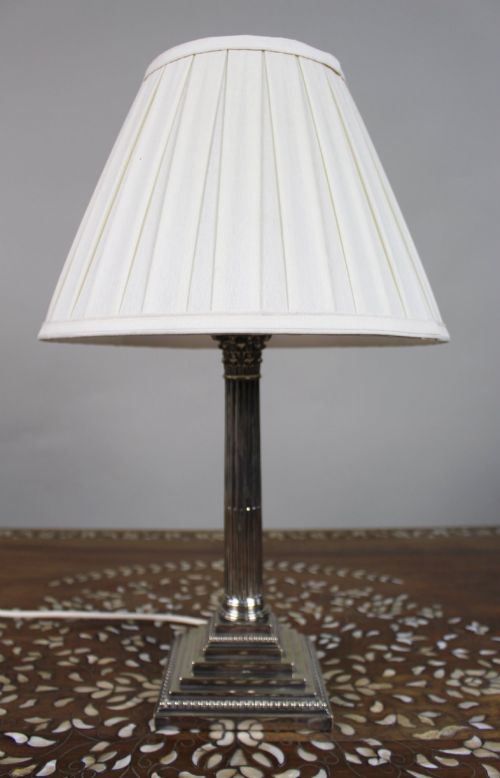
The versions you are most likely to meet on this page date predominantly from the Victorian and Edwardian eras, stretching from the mid-nineteenth century into the early twentieth century. Within these periods, brass and silver-plated metal dominate the forms, frequently styled with Corinthian or Ionic capitals.
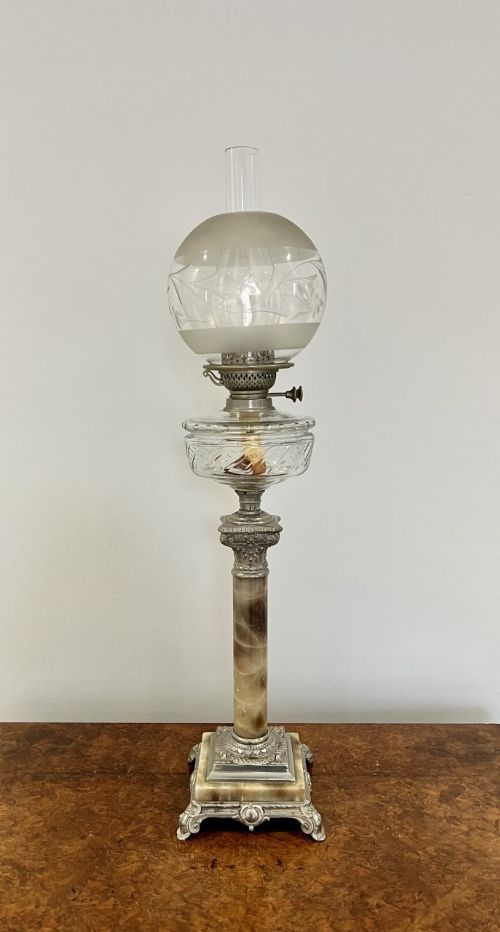
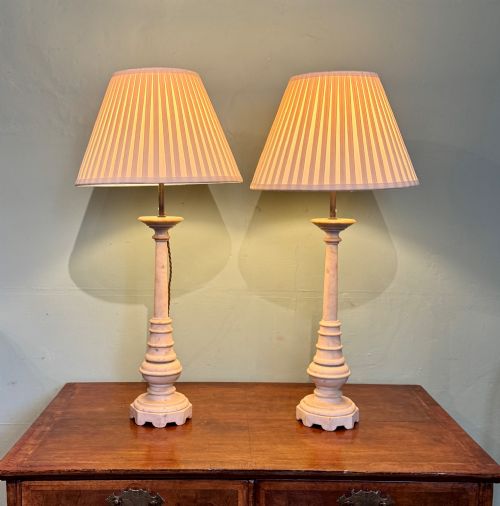
Makers and manufacturers during these decades adapted traditional candlestick designs into functional lighting, sometimes retaining the original drip pans or incorporating reservoirs intended for oil before later conversion to electricity. Alongside metal shafts, examples constructed from white marble, oak, onyx and timber appear across the listed pieces.
Materials and construction
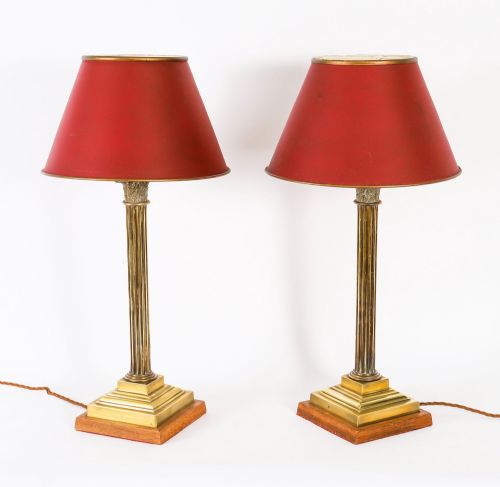
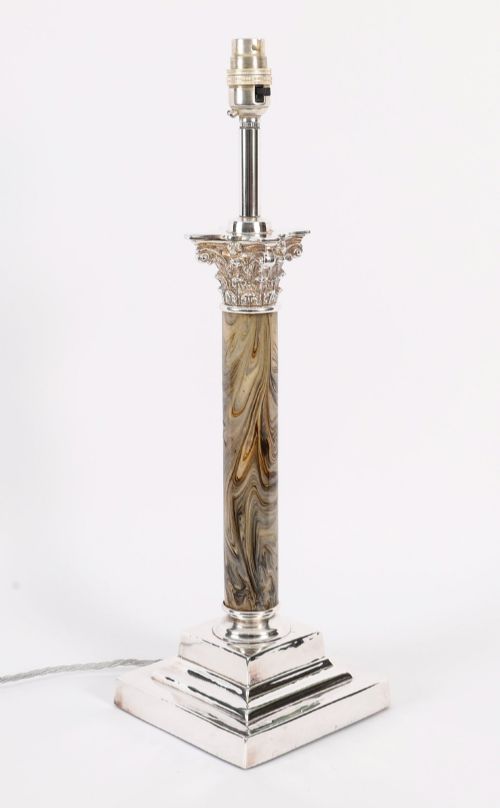
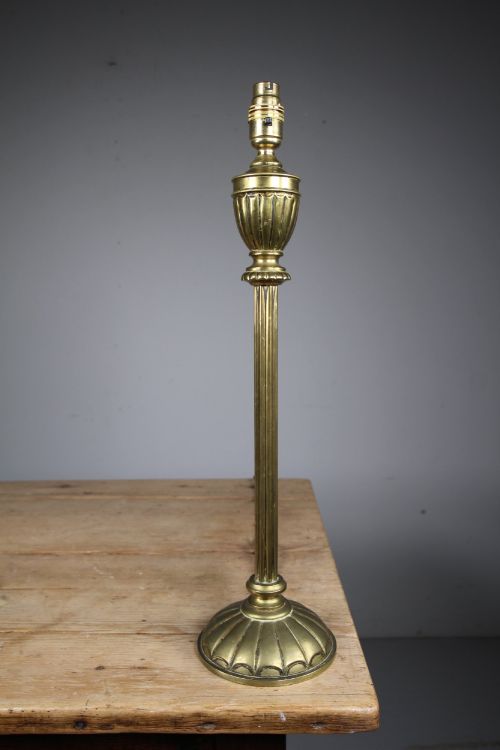
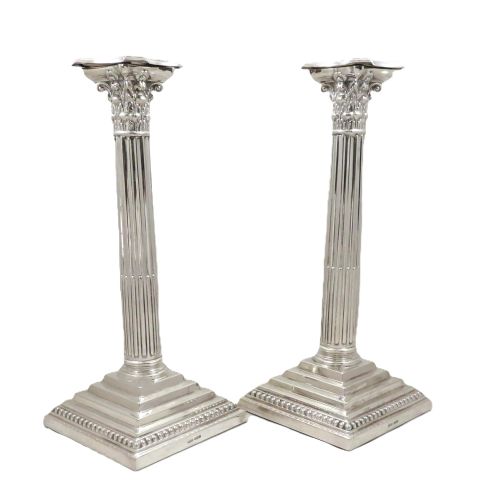
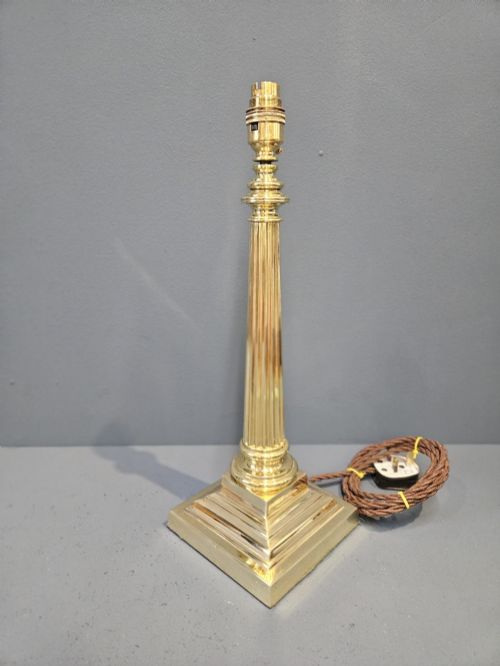
The fabrication of these pieces relies heavily on cast brass, silver plate, and sterling silver, often built up in sections with stepped square bases, fluted or reeded shafts, and detailed metal capitals. Makers utilised heavy metals to ensure stability at height, particularly for tall table lamps and standard floor models.
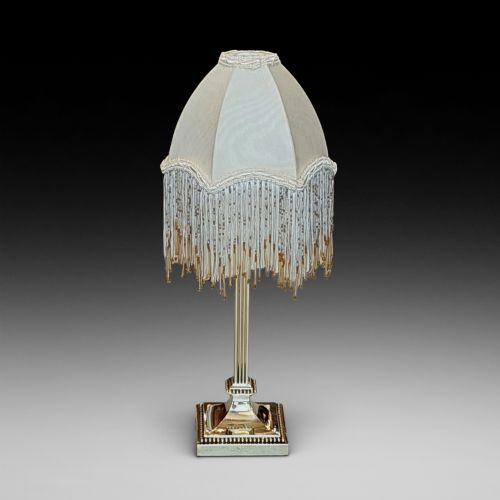
Alternative materials include white marble, onyx, and timber, sometimes paired with cast metal mounts, figural statues, or gilt accents. Fabric and silk shades complete the structures, diffusing light downward over the metallic and stone columns.
One towering floor pedestal holds a silver-plated figural statue marked by WMF, watching over the room.
Quality and craftsmanship
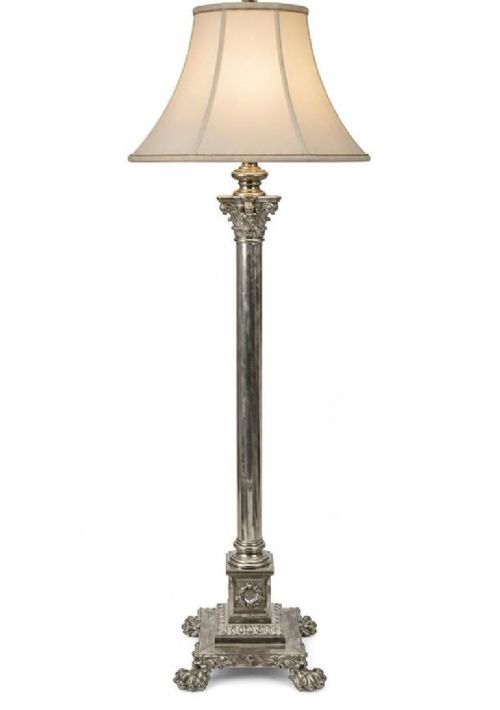
Quality in these pieces rests upon the crispness of the casting in the capitals and the weight of the metal used in the shaft and base. Superior examples display sharply defined acanthus leaves on Corinthian capitals and substantial gauge metal rather than thin pressed plating.
The choice of core material also distinguishes the range, with solid brass, sterling silver, and heavy marble marking out finer specimens against lighter plated alternatives. Proportion and height contribute further distinction, particularly in tall standard lamps and monumental pairs.
WMF·Hinks·J. Miller
The Classical Column Lighting Glossary
- Corinthian capital
- The uppermost member of a column, decorated with ornate carved or cast acanthus leaves. This motif appears frequently on brass and silver-plated table lamps from the Victorian period.
- Ionic capital
- A column top distinguished by scroll-like ornaments known as volutes. It provides a more restrained classical profile than the Corinthian alternative.
- Reeded column
- A vertical shaft carved or cast with multiple rounded parallel projections running side by side. This surface treatment catches the light and adds texture to metal and wooden lamp bases.
- Torchere
- A tall freestanding floor lamp designed to cast light upward or provide elevated illumination. These pieces often incorporate pedestals or figural statues.
- Standard lamp
- A British term for a tall floor-standing lamp that supports a large shade at eye level. They share the vertical column architecture of smaller table-top candlesticks.
Classical Column Lighting: Frequently Asked Questions
How do I date a brass column lamp?
Dating relies upon stylistic markers, construction methods, and materials recorded across the Victorian and Edwardian periods. Heavier casting and specific capital designs often point to nineteenth-century production.
Subsequent adaptations, such as twentieth-century re-wiring, sit alongside original components like oil reservoirs and burner mechanisms to help establish the timeline.
Were these lamps originally oil lamps?
Many tall table lamps and standard lamps began as oil burners before being converted to electricity during later decades. Retained brass fonts or reservoirs indicate this earlier domestic function.
Other examples started life as candlesticks or purpose-built electric fittings from the early twentieth century onwards.
How do I style classical column lighting at home?
These pieces suit traditional and transitional interiors where architectural lines complement wooden furniture and fabric soft furnishings. Their vertical form makes them effective on side tables or as floor-standing standard lamps.
Pairing them with silk or fabric shades softens the metallic or marble structure while maintaining their classical silhouette in a room.
What is the difference between Corinthian and Ionic columns?
Corinthian columns feature ornate capitals adorned with carved acanthus leaves, offering a decorative and elaborate appearance. They represent the most common capital style found on these metal lamps.
Ionic columns display scroll-like volutes on their capitals, presenting a simpler profile that draws on ancient Greek architectural traditions.