
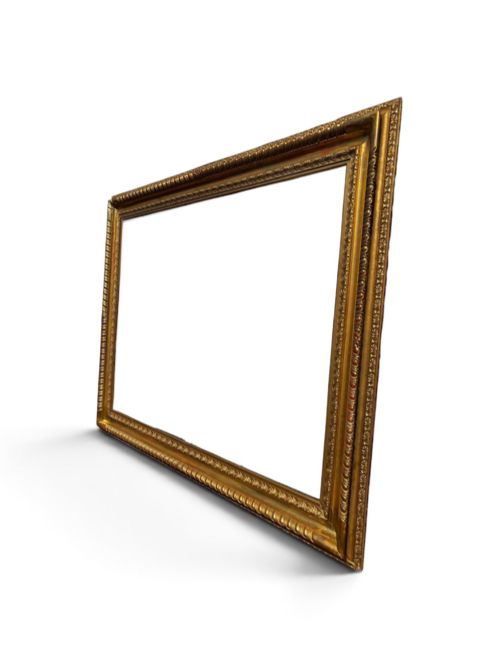
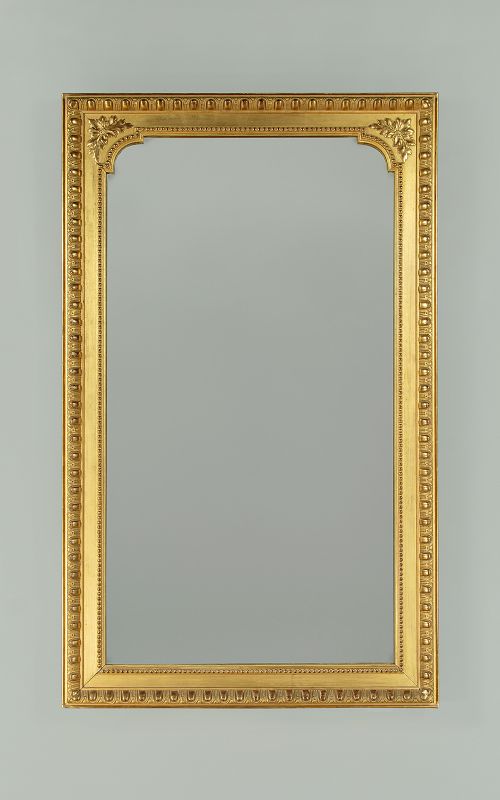


Classical Carved Gilt Mirror
A classical carved gilt mirror brings architectural presence and reflected light to a room, drawing on Georgian, Regency and Victorian traditions.
Classical Carved Gilt Mirror
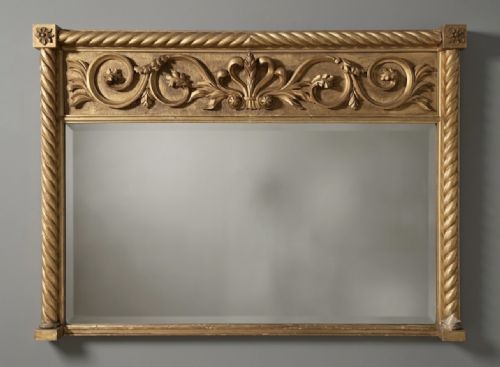
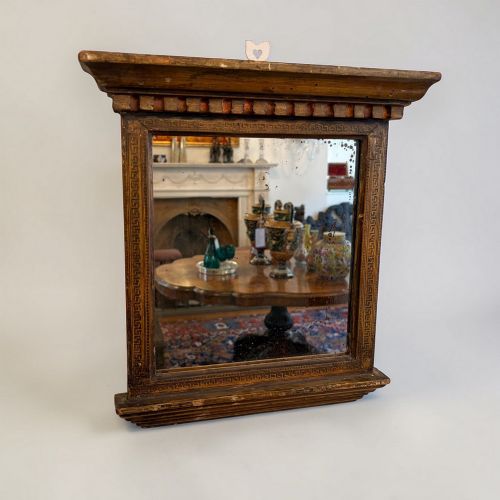
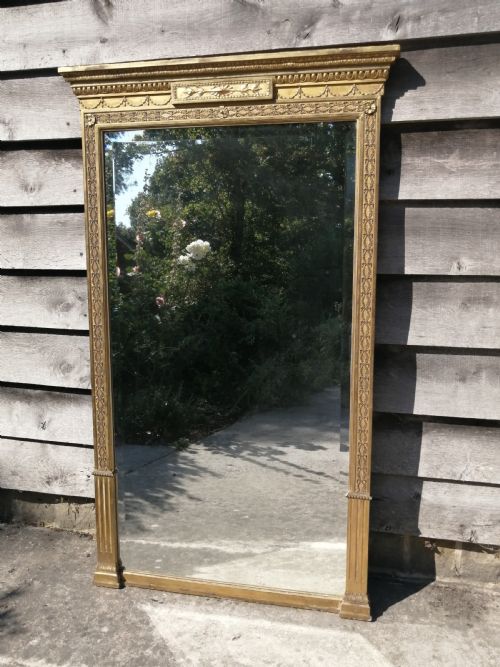
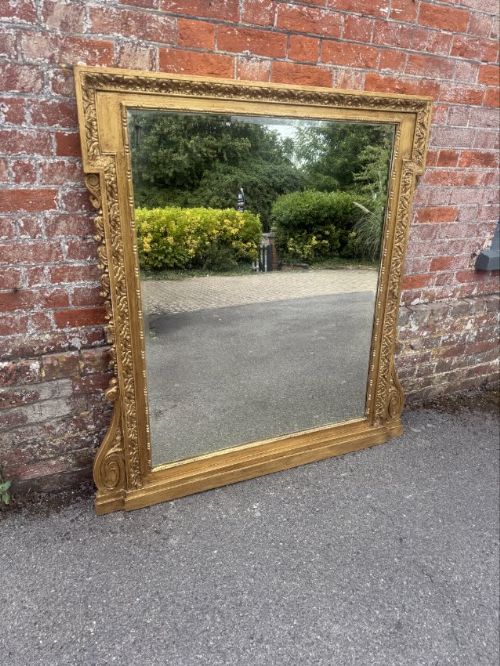
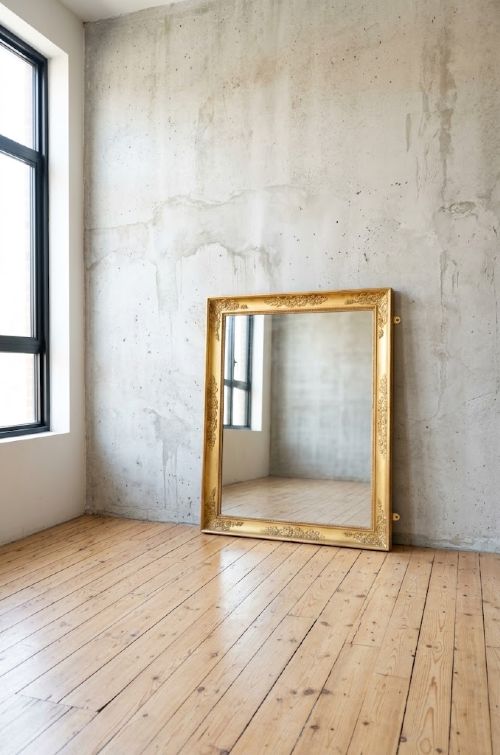
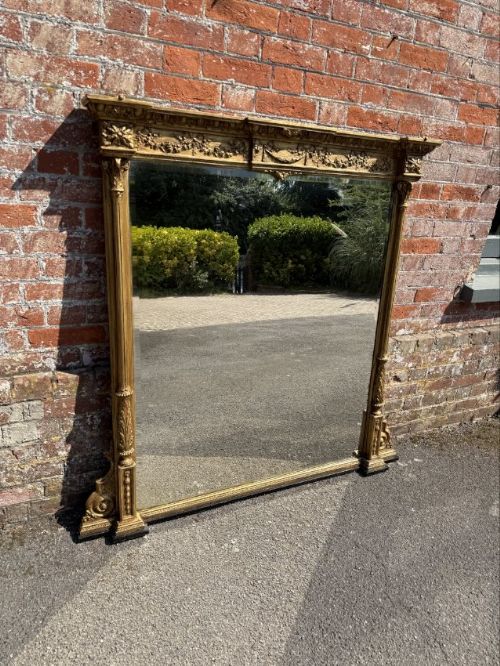
A classical carved gilt mirror encompasses grand overmantel designs, pier mirrors and wall-hung pieces originating from Georgian, Regency and Victorian periods. Buyers seeking a classical carved gilt mirror encounter substantial architectural frames designed to sit above mantelpieces or between windows.
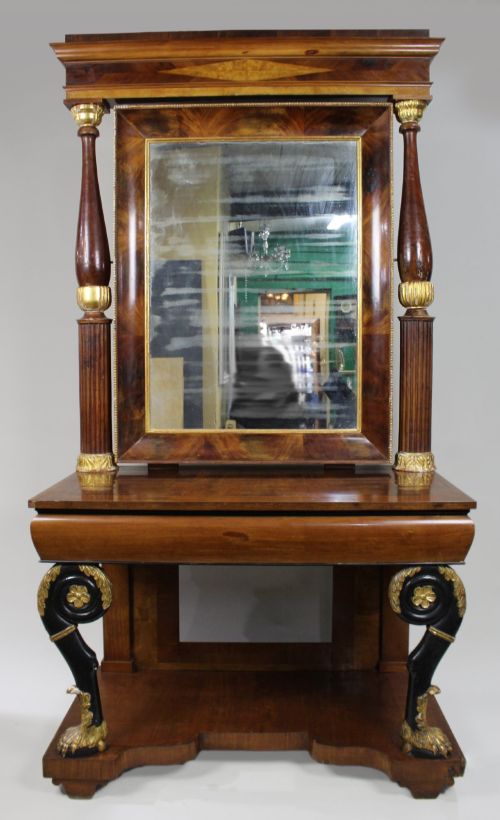
The selection ranges from tall console combinations and triptych overmantels to oval George III wall pieces and French trumeau mirrors. Surviving examples demonstrate how nineteenth-century makers reinterpreted neoclassical and classical revival motifs for domestic interiors.
Materials and construction methods
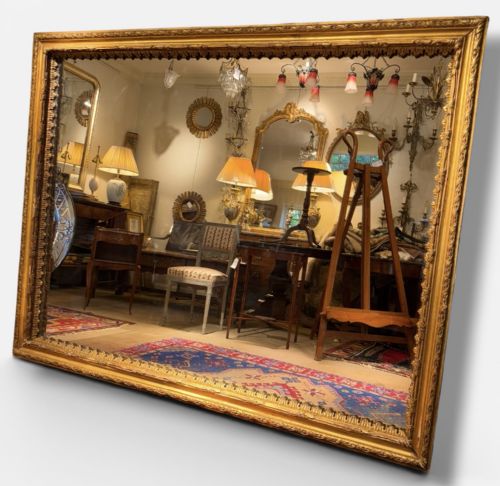
Frames rely on carved wood, gesso and composition applied over wooden foundations to build up intricate relief ornaments such as rope twists and floral carvings. Gilding is achieved using gold leaf or liquid gold applications directly onto the prepared surface.
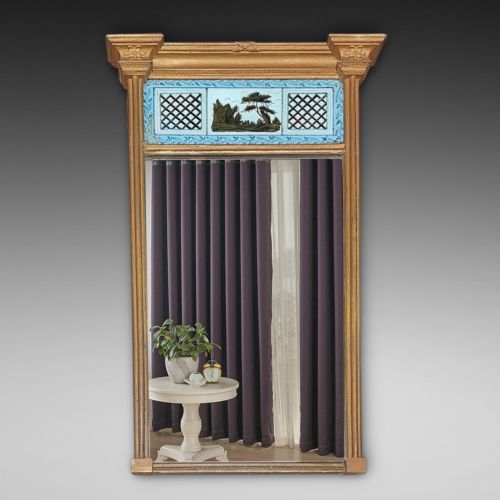
Mirrors utilise original mirror glass or silvered plates, occasionally accompanied by verre églomisé panels set into the upper sections of pier glasses and trumeaus.
Listings feature pieces spanning the Georgian, Regency, Victorian and Edwardian eras, executed in giltwood, gesso and painted wood.
Distinctions in craftsmanship and survival
Quality separates pieces by the crispness of the wood carving and the depth of the gesso relief work beneath the gilding. Superior examples maintain intact original plates and cohesive decorative schemes across large proportions.
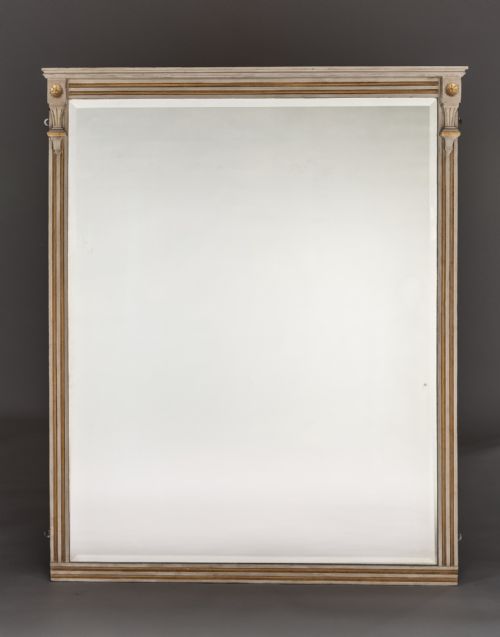
The handling of architectural details such as column frames, neoclassical friezes and parcel-gilt contrasts indicates the skill of the original workshop.
The Classical Carved Gilt Mirror Glossary
- Gesso
- A plaster-like mixture applied to wood frames to create a smooth base for carving details and subsequent gilding. This material allows for sharp, moulded relief ornament.
- Pier Mirror
- A tall mirror specifically designed to hang on the wall space between two windows, frequently paired with a console table below. These pieces reflect natural light deeper into period rooms.
- Trumeau Mirror
- A decorative wall mirror incorporating a painted panel or an oil painting directly into the upper section of the frame. They originated in France and typically display neoclassical motifs.
- Verre Églomisé
- A cold decoration technique where designs are painted and gilded on the reverse side of glass panels. It appears in the upper friezes of Regency pier mirrors.
- Parcel Gilt
- A finishing method where only specific carved elements of a painted or wood frame receive gold leaf. This technique creates a deliberate contrast between the gilded ornament and the dark wood or paint.
Classical Carved Gilt Mirror: Frequently Asked Questions
Where should I hang an overmantel mirror?
An overmantel mirror traditionally sits directly above a fireplace mantelpiece, anchored securely to the wall to support its substantial weight. This placement reflects light from windows and balances the architectural focal point of the room.
In modern settings, the same mounting principle applies above low cabinetry or sideboards, provided the proportions align with the surrounding wall space and furniture width.
How do I identify a Regency gilt mirror?
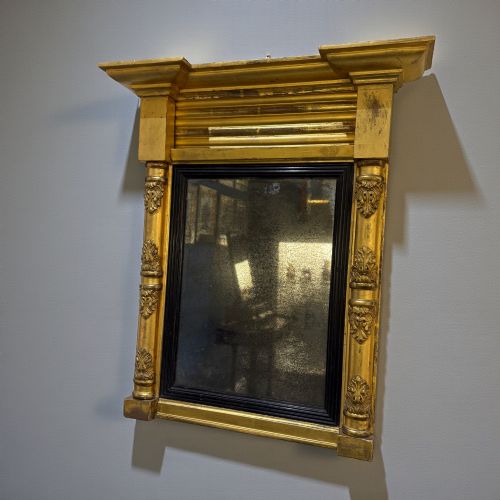
Regency gilt mirrors typically display classical architectural elements such as column frames, ball-stud mouldings, ebonised details and verre églomisé panels. The carving often reflects early nineteenth-century interpretations of Greek and Roman antiquity.
Construction traits from this period include heavier timber foundations and specific joinery methods visible on the reverse of the frame, alongside original mercury or early silvered glass plates.
What is the difference between an overmantel and a pier mirror?
Overmantel mirrors are wide horizontal pieces engineered to fit the broad space above a fireplace. Their proportions and weight distribution cater to being viewed centrally within a primary reception room.
Pier mirrors are tall and narrow vertical forms built to occupy the narrow wall pier between two windows. They often incorporate console tables or bottom ledges designed to fit the specific architectural gap.
How do I care for antique giltwood?
Dust giltwood frames gently using a dry, soft ostrich feather duster or a clean microfibre cloth without applying pressure. Avoid chemical sprays, water and commercial cleaning products, which can lift the delicate gesso and gold leaf layers.
Maintain stable room humidity away from direct heat sources and sunlight to prevent the underlying wood and composition ornaments from shrinking or cracking.