





Classical Architectural Pedestals
Classical architectural pedestals lift sculpture, urns and lamps with the solid dignity of ancient stone and timber.
Classical Architectural Pedestals
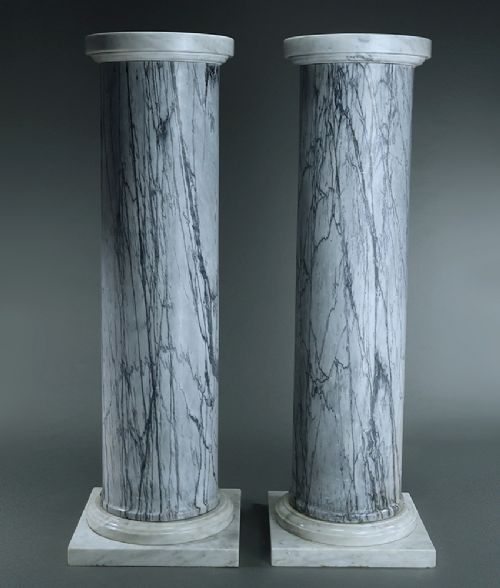
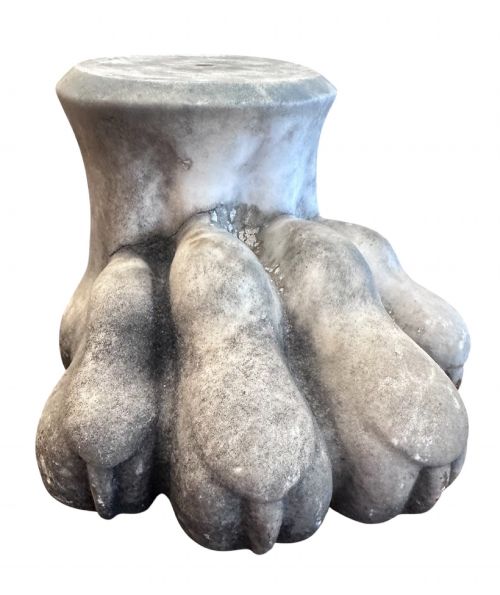
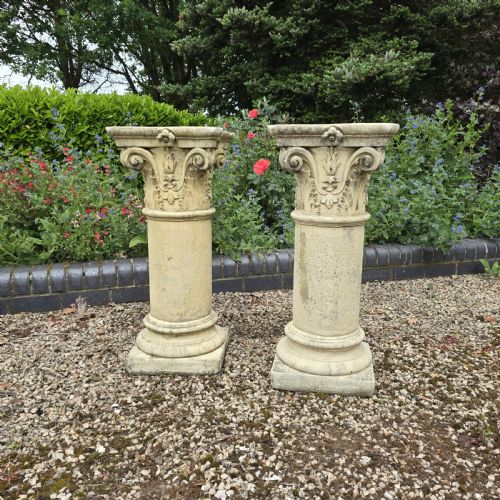
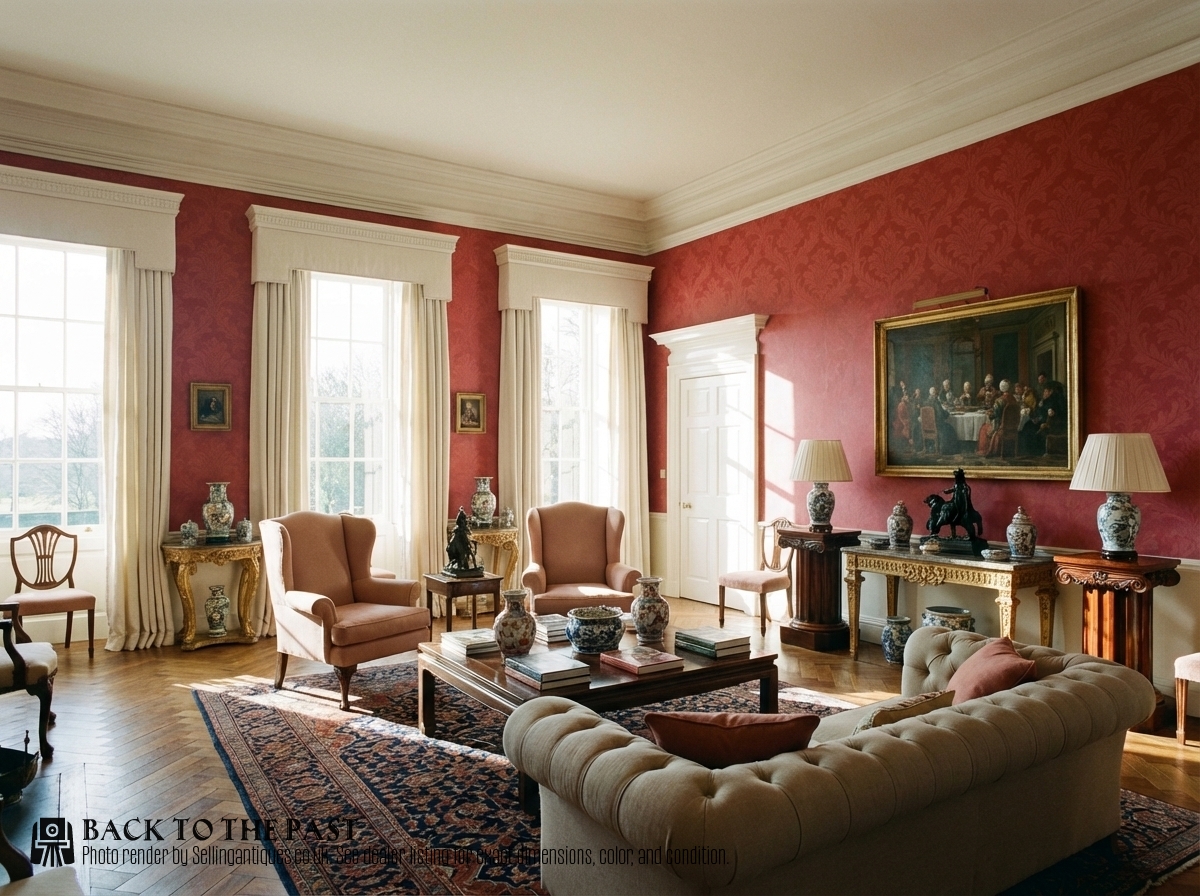
Classical architectural pedestals serve to elevate statuary, display busts or support architectural elements within interiors and gardens, drawing heavily on antique forms. When buyers search for classical architectural pedestals, they encounter columns, plinths, altars and display stands originating from the nineteenth and early twentieth centuries. These objects reflect revivalist tastes ranging from Neoclassical and Victorian to Baroque and French classical designs.
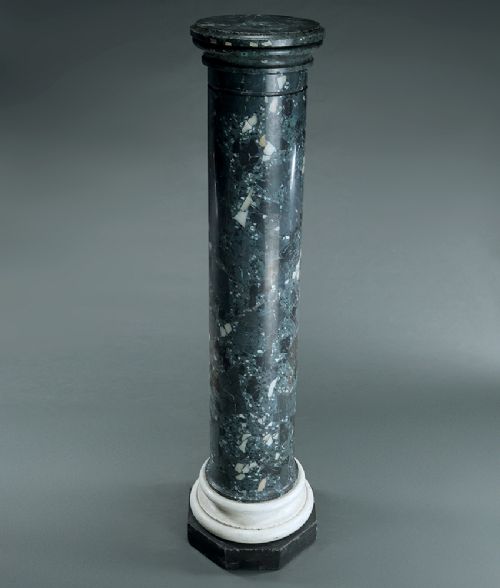
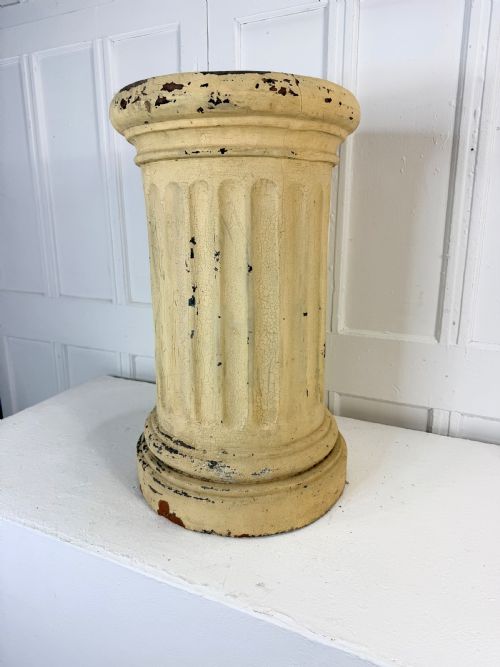
The selections on this page span diverse formats, including matched pairs of columns, single display pedestals and carved wooden stands. Materials vary widely between solid stones, marbles, cast stone, terracotta, plaster and painted timbers. Many items show decorative finishes such as faux marbling, parcel gilding or scagliola, imitating more costly geological specimens.
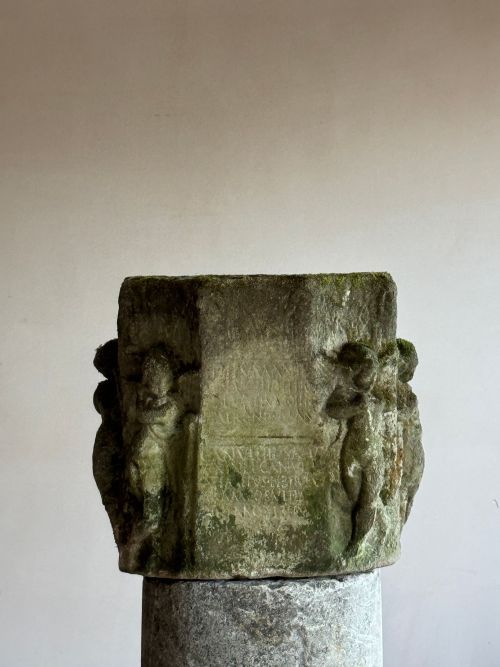
Origins stretch across Britain, France, Italy and Scandinavia, capturing both grand interior display pieces and garden statuary. Forms include cylindrical columns, square plinths, Corinthian capitals and specialised items like funerary altars or washstands adapted from classical architectural shapes.
Materials and construction methods
Carvers and masons shaped natural stones, marbles including Carrara and Bardiglio, and limestone using traditional banker hand tools. Alabaster and stone provided solid substance for architectural columns and Grand Tour souvenirs.
Carpenters utilised timbers such as mahogany and pine, turning wooden columns on lathes or carving intricate details by hand. Painted surfaces, faux verde antico finishes and parcel gilt decoration transformed humbler woods to resemble precious marbles.
Casting techniques utilised plaster, terracotta, cast stone and reconstituted stone within moulds to produce sculptural capitals, caryatids and altars. Scagliola offered a smooth composite alternative for luxury marble columns.
Classical Architectural Pedestals Retail Price Guide 2026
Typical asking prices for classical architectural pedestals among the pieces listed under this phrase on Sellingantiques today, from the lower quarter to the upper quarter. They describe what is for sale here now, not the wider market.
Secret compartments hidden inside carved wooden pedestals offer a clandestine place to stash valuables away from prying eyes.
Markers of quality and execution
The standard of carving and surface finish defines the upper echelon of these pieces, distinguishing crisp acanthus leaves on a Corinthian capital from soft, blunt mouldings. Hand-carved stone and detailed woodwork demonstrate superior artisan skill compared to rougher cast alternatives.
Material authenticity separates standard items from sophisticated decorative illusions. Finely executed faux marbling, scagliola work and genuine specimen marbles indicate high-level workshop production tailored for discerning collectors.
Proportion and structural integrity govern visual success. Pieces retaining balanced classical proportions and original painted or gilded surfaces hold greater aesthetic coherence than altered or heavily repainted examples.
The Classical Architectural Pedestals Glossary
- Scagliola
- A composite material made from selenite, glue and pigments, embedded and polished to imitate true marble. It allowed artisans to create convincing columns and table tops.
- Corinthian
- An order of classical architecture distinguished by ornate capitals decorated with acanthus leaves and scrolls. This style appears frequently on stone capitals and wooden display columns.
- Verde Antico
- A dark green serpentine marble heavily utilised in classical and Roman architecture. Nineteenth-century makers frequently simulated this stone with painted wood or scagliola.
- Caryatid
- A sculpted female figure serving as an architectural support taking the place of a column or pilaster. French plaster examples appear paired with matching pedestals.
- Grand Tour
- A cultural journey undertaken by wealthy young Europeans visiting historical sites in Italy and Greece. Souvenirs included specimen marble obelisks and small columns.
Classical Architectural Pedestals: Frequently Asked Questions
Where should I place a heavy stone column at home?
Heavy stone and marble columns require stable, level flooring capable of supporting substantial vertical weight without shifting. They anchor entrance halls, frame doorways or highlight significant artworks against interior walls.
Ensure the base sits squarely on solid ground rather than fragile floor coverings to prevent tipping or rocking.
How do I care for painted wooden display columns?
Painted and parcel gilt wooden columns need gentle dusting with a dry, soft cloth to protect fragile surface decoration. Avoid harsh chemical cleaners or excess moisture that could damage historic paint or simulated marble finishes.
Keep wooden items away from direct heat sources and dramatic humidity fluctuations to prevent warping or paint flaking.
Are cast stone pedestals suitable for outdoor gardens?
Cast stone, reconstituted stone and terracotta items are traditionally built to withstand outdoor garden environments and weathering. Over time, exterior placement encourages natural lichen and moss growth on stone surfaces.
During freezing winter conditions, vulnerable plaster or unsealed cast pieces benefit from sheltered indoor storage.
How can I distinguish real marble from faux painted wood?
Natural marble feels cold to the touch and shows crystalline mineral depth beneath a polished surface. Painted wooden columns feel warmer, weigh significantly less, and may reveal wood grain or brush marks upon close inspection.
Tapping the material lightly also helps differentiate solid stone resonance from hollow or wooden acoustics.