





Cast Iron Planter Stand
A cast iron planter stand anchors a garden or hallway, offering robust support for heavy urns and botanical displays through changing seasons.
Cast Iron Planter Stand
A cast iron planter stand brings architectural weight and enduring utility to interior and exterior spaces alike. When searching for a cast iron planter stand, buyers encounter pieces primarily spanning the nineteenth century, the Victorian era, and the Edwardian period.
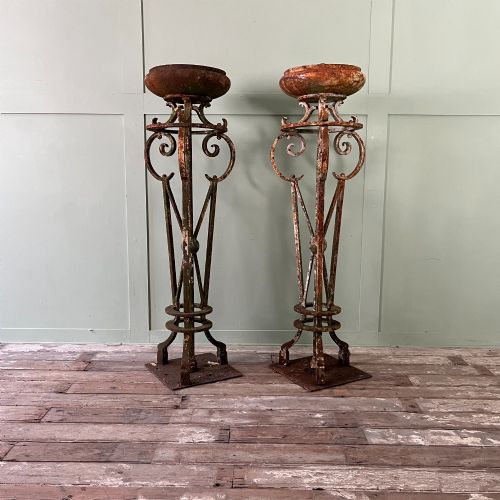
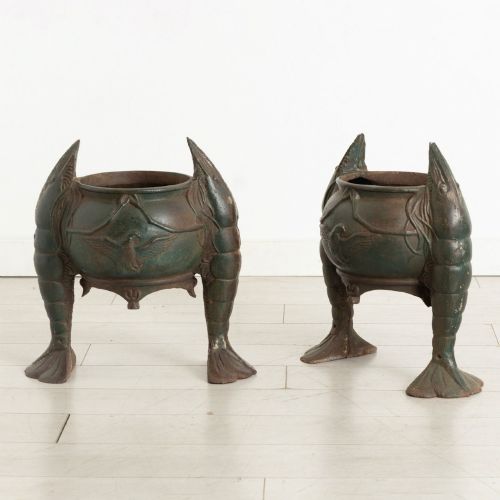
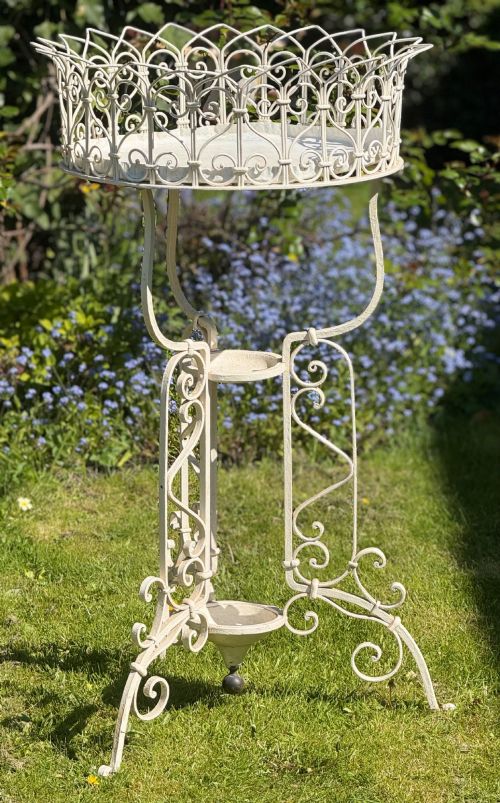
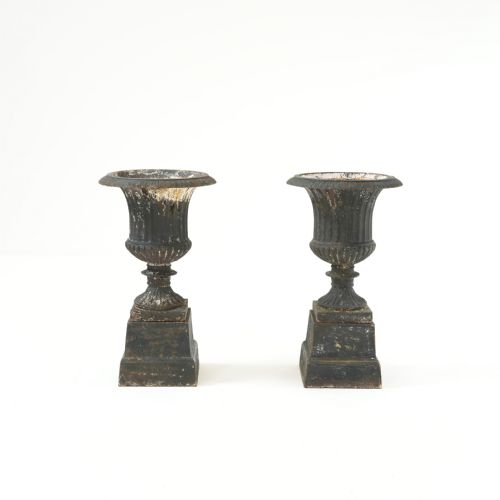
The forms vary from multi-tiered plant stands and jardinieres to classical campana urns resting upon dedicated pedestals and plinths. Industrial and novelty designs, including shrimp-shaped vessels and portico tables, also appear alongside traditional garden columns.
Nineteenth-century examples dominate the selections, frequently exhibiting neoclassical influences such as acanthus leaf motifs. These sturdy iron structures were designed to display garden planters and pots securely while withstanding outdoor elements.
Materials and construction methods
The primary material is cast iron, poured into moulds to create ornate relief patterns and structural frameworks. Wrought iron, wirework, and hardwood elements occasionally supplement the core iron construction in specific jardinieres and stands.
Many surfaces retain layers of historic paint or weathered patination acquired through decades of exposure. Copper components and statuary elements also feature in select Victorian configurations, adding textural contrast to the dark metal.
Foundries occasionally abandoned standard classical urns entirely to cast giant iron prawns as garden planters.
Factors of quality and design
Quality in a cast iron planter stand rests upon the crispness of the casting and the ambition of the design. Pieces featuring intricate neoclassical acanthus leaf detailing or novelty forms demonstrate superior foundry work compared to plain utility items.
Proportion and stability distinguish finer stands, particularly in multi-tiered configurations or heavy column forms. The integration of maker attributions, such as Coalbrookdale work, elevates the standing of a piece within the field.
Coalbrookdale
The Cast Iron Planter Stand Glossary
- Campana urn
- A bell-shaped garden vessel with a flared rim, frequently mounted on a pedestal or plinth stand.
- Jardiniere
- An ornamental pot or stand designed specifically to hold indoor plants or cut flowers.
- Neoclassical
- A style drawing inspiration from the classical art and architecture of ancient Greece and Rome.
- Plinth
- A heavy base or block upon which a column, statue, or planter stand rests.
Cast Iron Planter Stand: Frequently Asked Questions
How do I date a cast iron planter stand?
Dating relies on stylistic clues, manufacturing techniques, and the decorative vocabulary of the period. Victorian and Edwardian examples often display distinct neoclassical motifs or industrial configurations.
Foundry marks and the specific composition of the iron or associated wirework also provide chronological indicators. Comparing the casting crispness helps place the piece within the nineteenth century.
Can cast iron planter stands stay outdoors?
Cast iron planter stands tolerate outdoor conditions well due to the inherent durability of the metal. Many nineteenth-century examples spent their lives exposed to gardens and weather.
Weathered patination and historic paint layers are common on outdoor pieces. Protecting them from standing water or harsh frost preserves the structural integrity of the iron.
Where should I place a plant stand?
These stands suit both interior rooms and sheltered outdoor spaces like porches and courtyards. Multi-tiered versions accommodate several smaller pots, while pedestal stands showcase a single large urn.
Consider the weight of the stand and loaded planters when selecting flooring or furniture placement. Their heavy construction makes them ideal for anchoring garden pathways and grand entryways.