

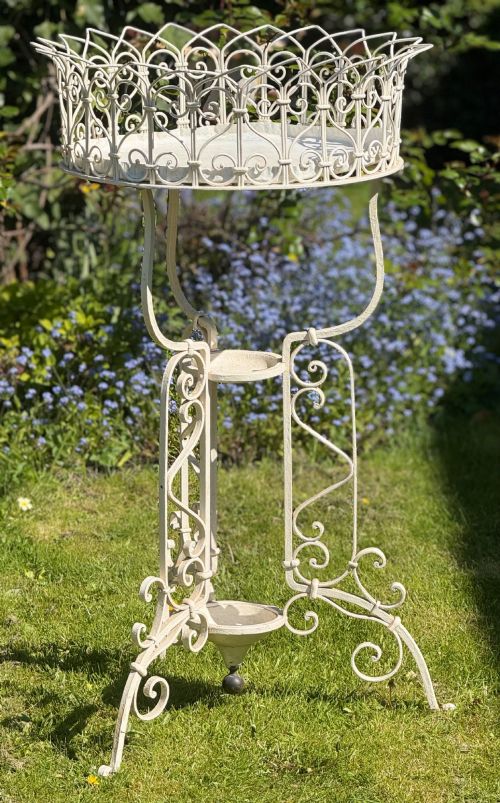


Antique Metal Flower Stand
An antique metal flower stand brings architectural structure and living greenery together, whether you need a tiered cast iron plant holder for the terrace or a brass jardinière stand for the salon.
Antique Metal Flower Stand
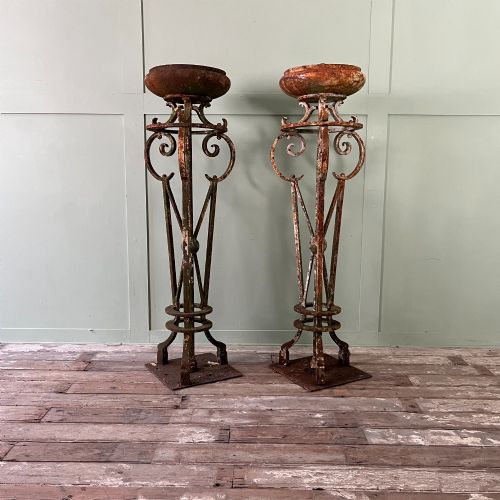
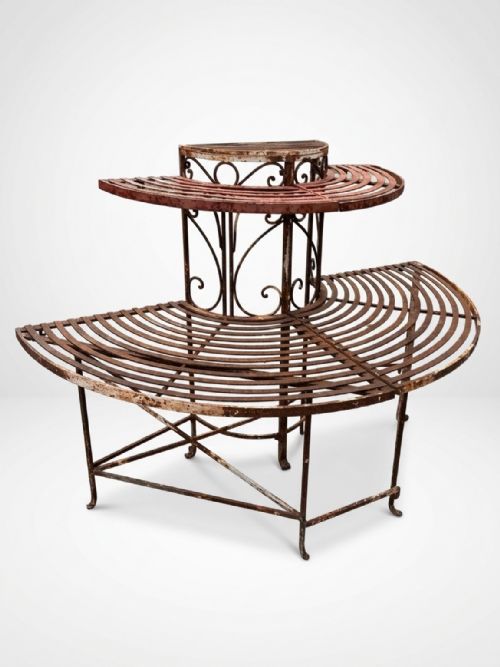
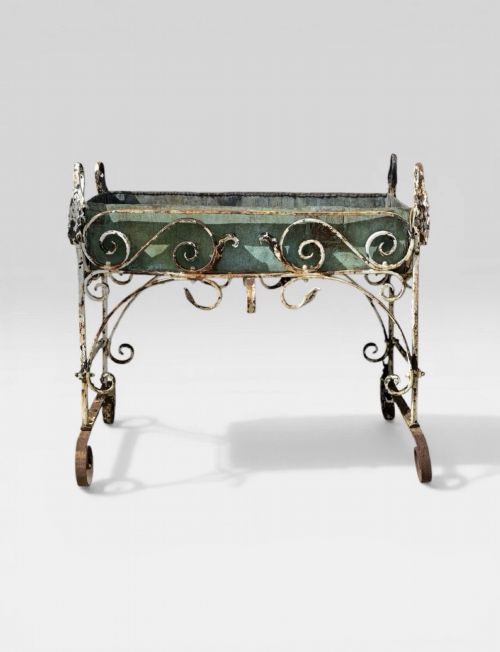
When you search for an antique metal flower stand, you encounter a varied selection of botanical display furniture originating from the Georgian, Victorian, and Edwardian eras. The inventory spans multi-tiered garden furniture, indoor pot stands, and decorative brass jardinières mounted on their original legs.
Makers and manufacturers designed these objects to support heavy pots and planters, resulting in sturdy construction whether the piece takes the form of a pedestal table, a display shelf, or a wirework plant stand.
How they were made
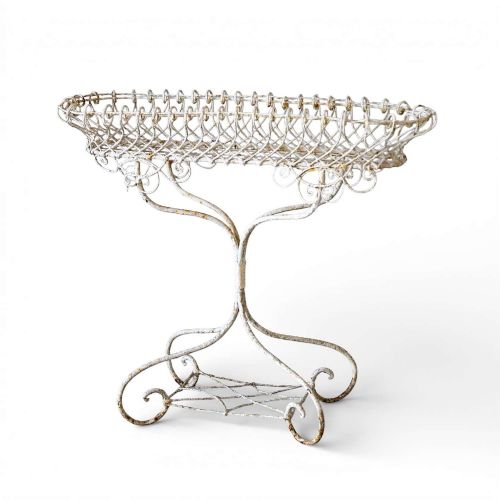
The heavy outdoor pieces rely on traditional blacksmithing and foundry work, using forged wrought iron with scrollwork and lattice baskets, or solid cast iron moulded into multi-tier structures and garden urns. Riveted joints and weather-resistant paint finishes protected these functional stands from damp garden environments.
Indoor decorative items utilise finer metallurgical skills, incorporating chiseled brass, gilt metal mounts, and ormolu details. These are frequently paired with contrasting materials such as marble, onyx, satinwood, and walnut to create refined plant and lamp tables for the home.
Object forms on this page include multi-tier plant stands, garden planters, French jardinières, corner units, and pedestal tables.
What varies in quality
Quality rests in the crispness of the metal casting and the complexity of the hand-forged scrollwork, where sharper lines and more deliberate detailing distinguish superior workshop output from utilitarian production. The integrity of original joins, rivets, and structural tiers dictates how well a piece has survived decades of holding heavy damp soil and clay pots.
The refinement of secondary materials sets the domestic items apart, separating simple iron planters from sophisticated brass jardinières complete with original stands and polished stone tops. Surface preservation also plays a part, distinguishing pieces retaining honest weathered patinas from those compromised by unsympathetic modern interventions.
The Antique Metal Flower Stand Glossary
- Jardiniere
- An ornamental pot or stand for holding flowers and plants, typically manufactured from ceramic, brass, or cast iron. Many fine examples sit upon dedicated matching metal or wooden bases.
- Ormolu
- Gilded bronze or brass applied to furniture mounts and decorative objects to give a rich golden finish. It appears frequently on French and high-status Victorian pieces.
- Wrought iron
- Iron that has been heated and hammered into shape by a blacksmith, resulting in strong, malleable scrollwork and structural frameworks. It forms the backbone of garden plant stands.
- Wirework
- Metal plant stands constructed from interwoven iron wire, popular in nineteenth-century conservatories for lightweight botanical displays. This technique allowed for delicate lattice baskets and airy tiers.
- Cast iron
- Molten iron poured into a mould to create sturdy garden furniture, urns, and multi-tier plant stands with repeating decorative patterns.
Antique Metal Flower Stand: Frequently Asked Questions
Where should I place an antique metal flower stand?
Sturdy cast and wrought iron stands suit sheltered patios, conservatories, and hallways where moisture is managed. Lighter brass and gilt metal stands find a natural home indoors as plant or lamp tables.
Keep heavier garden pieces elevated slightly from damp ground to prevent unnecessary corrosion over time.
How do I clean a weathered iron plant stand?
Gentle brushing removes loose dirt, surface dust, and debris from intricate scrollwork and lattice baskets. Avoid harsh chemical strippers that strip away historic painted finishes and aged patinas.
Applying a light coat of protective wax or specialised oil helps preserve exposed iron surfaces without creating an unnatural gloss.
How can I tell a Victorian stand from a later piece?
Victorian examples often feature heavier cast iron components, hand-forged wrought iron scrollwork, and specific construction markers like old rivets and hand-cut threads. Later twentieth-century reproductions tend to use standardised fixings and lighter gauge metals.
Examining the natural wear patterns and accumulated paint layers provides reliable clues regarding a piece's true age.