


Classic Wooden Bureau
A classic wooden bureau brings dependable storage and a practical writing surface to a room, built to last through generations.
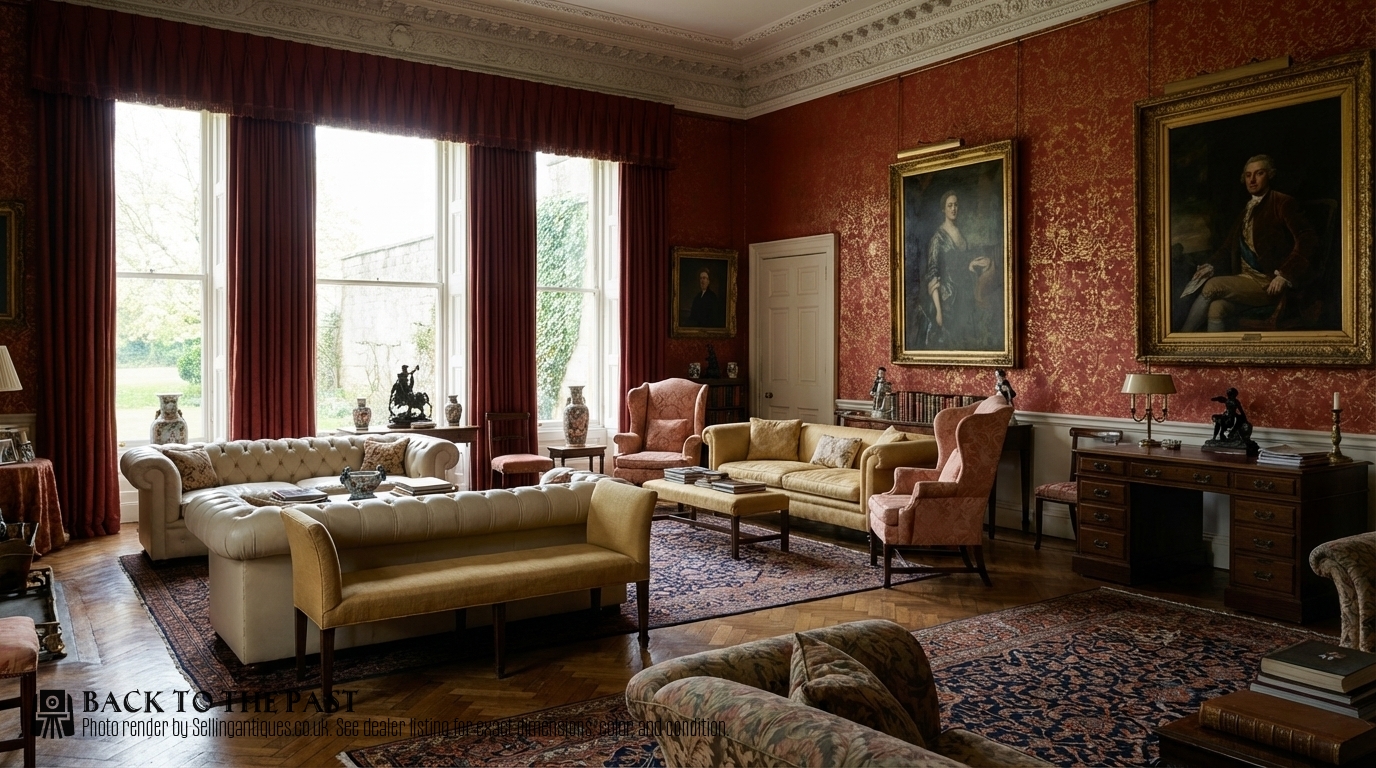
Classic Wooden Bureau
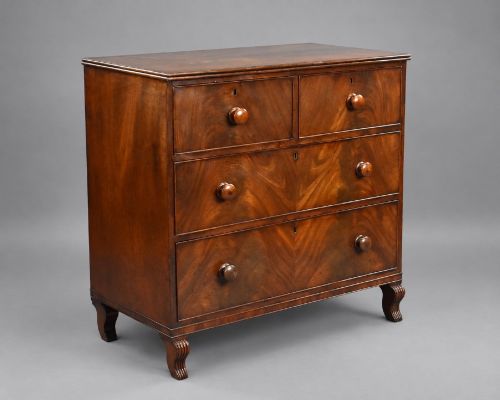
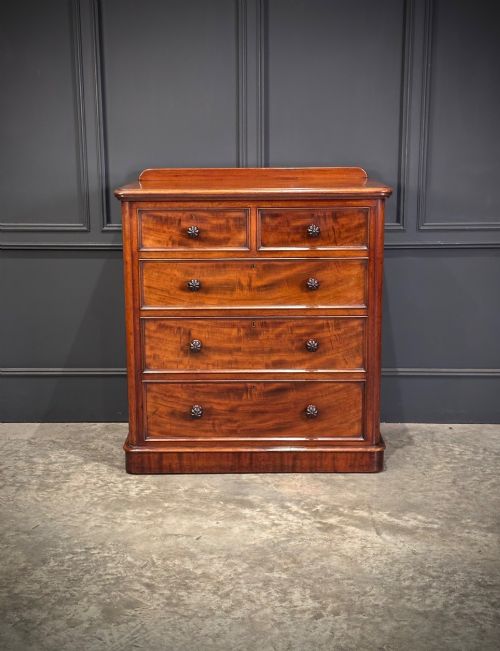
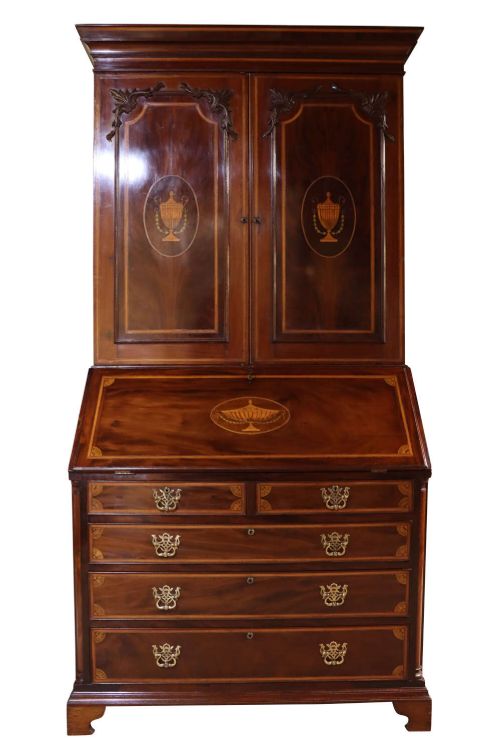
A classic wooden bureau typically presents as a desk, secretaire, or bureau bookcase designed for daily writing and storage tasks. These pieces combine drawers with fitted writing flaps or compartments to create a functional workspace within domestic interiors.
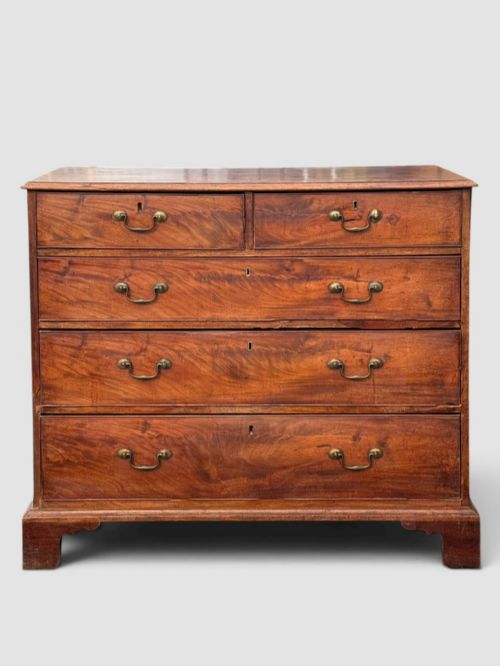
Buyers browsing this selection encounter pieces from the Georgian, Regency, Victorian, and Edwardian periods, alongside twentieth-century examples. Forms range from chest of drawers formats to dedicated desks and bureau bookcases.
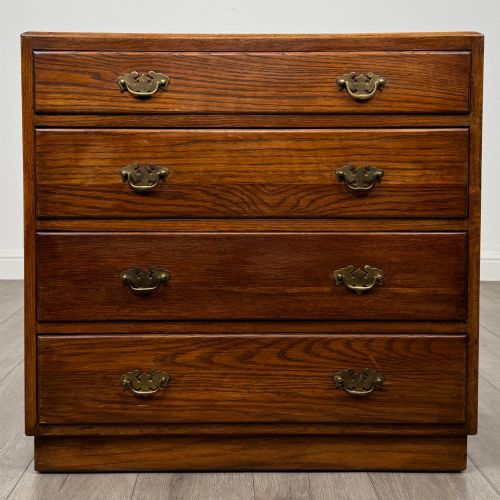
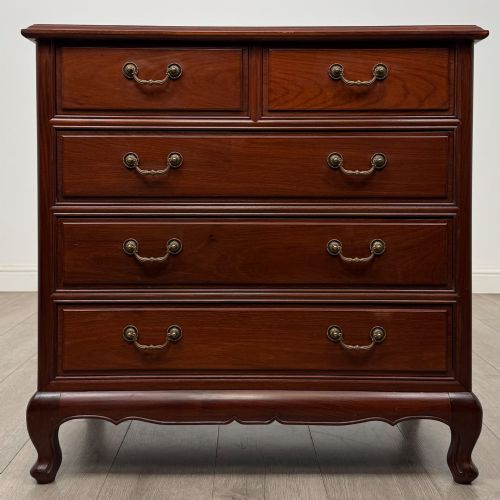
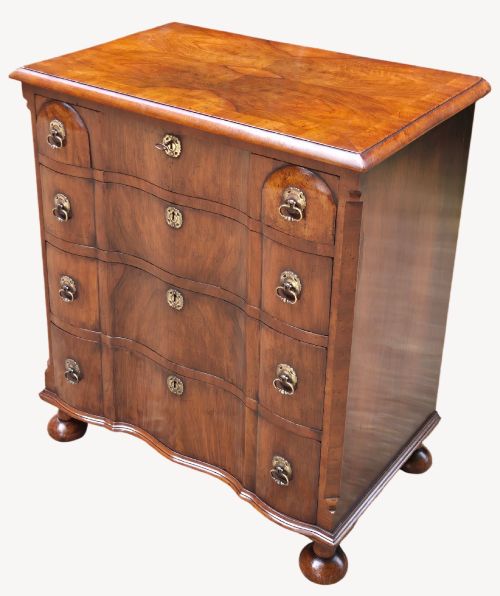
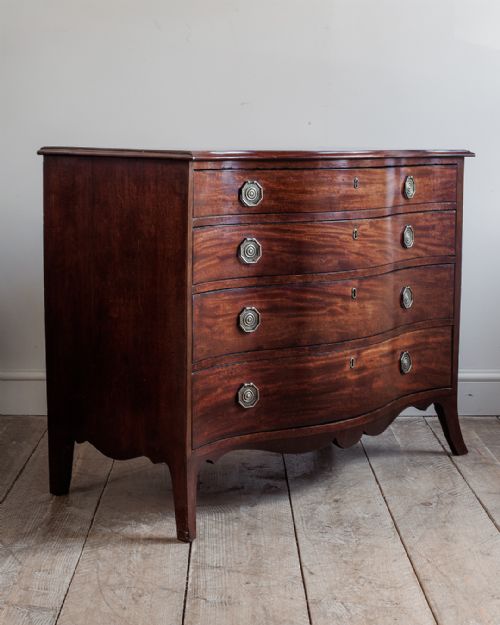
Mahogany, oak, walnut, and yew form the primary timbers of these pieces, often enriched with flame mahogany veneer, boxwood, bone, or wood inlay. Brass handles and fittings frequently accompany the timber construction.
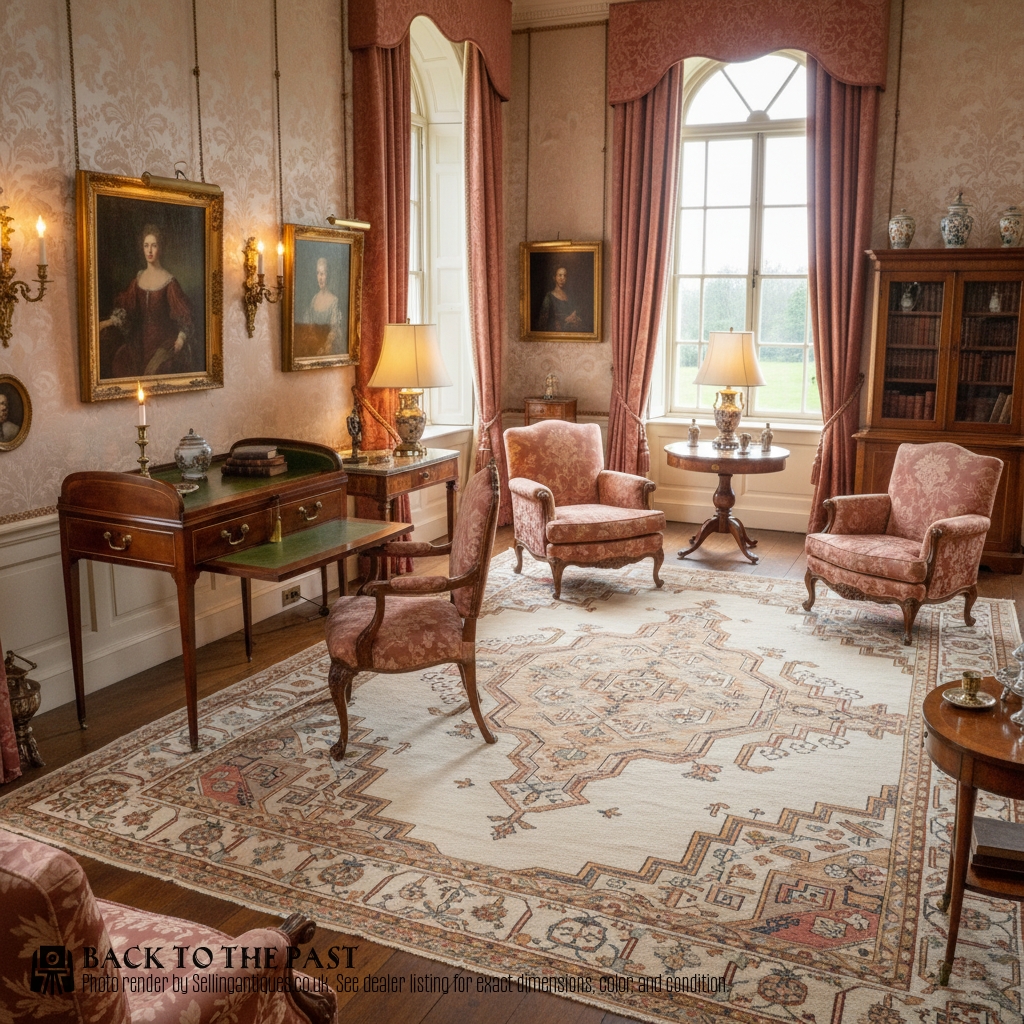
Materials and construction methods
Cabinet makers utilised solid timbers such as mahogany, oak, and walnut for structural integrity and longevity. Veneers like flame mahogany added decorative grain patterns to prominent exterior surfaces.
Detailing often involved boxwood and wood inlay, bone accents, and brass handles. These decorative elements complemented the underlying cabinet work and timber selection.
Listings feature timbers including mahogany, oak, walnut, yew, boxwood, and flame mahogany veneer.
Distinguishing quality in construction
Superior examples display careful selection of timber veneers, such as matched flame mahogany, alongside precise wood inlay and boxwood stringing. The integration of brass hardware and bone details reflects the builder's investment in materials.
The sophistication of the internal desk fittings and the proportion of the drawers dictate the refinement of the piece. Well-executed Georgian and Regency designs demonstrate greater attention to joinery and functional layout than later commercial output.
The Classic Wooden Bureau Glossary
- Bureau bookcase
- A combination furniture piece featuring a writing bureau base beneath an upper bookcase section. This form provides both workspace and enclosed shelving.
- Secretaire
- A desk or chest of drawers containing a concealed writing drawer with a drop-front flap. It offers writing facilities without dominating the room's footprint.
- Flame mahogany veneer
- A thin slice of mahogany timber cut from where a branch joins the trunk, displaying a distinctive flamed or fire-like grain pattern. Cabinet makers applied this to drawer fronts for visual impact.
- Wood inlay
- Pieces of contrasting timber fitted into a recessed surface to form decorative patterns. This technique enhances the visual depth of the cabinet work.
- Bow-fronted
- A convex curved front elevation found on certain chests of drawers and desks. This shaping softens the rectilinear profile of the furniture.
Classic Wooden Bureau: Frequently Asked Questions
What is a classic wooden bureau?
A classic wooden bureau is a piece of furniture that provides a writing surface, often combined with drawers or bookcase sections. These items serve as functional desks and storage units.
They appear in various period styles, utilising timbers like mahogany, oak, and walnut.
How do I date a wooden bureau?
Dating relies on observing the timber species, construction methods, and stylistic details associated with periods like the Georgian or Victorian eras. Secondary woods and handle types also offer chronological clues.
Comparison with documented examples helps narrow down the decade of manufacture.
Where should I place a bureau?
A bureau fits well in a home office, living room, or hallway where both surface space and drawer storage are useful. Ensure adequate clearance for drop-front flaps or drawers to open fully.
Keep wooden furniture away from direct heat sources and strong sunlight to protect the finish.
How do I care for antique wood?
Maintain antique wooden surfaces by dusting regularly with a soft, dry cloth and avoiding silicone-based polishes. Consistent indoor humidity prevents timber from splitting or warping.
Apply wax sparingly when the surface appears dry to nourish the grain.