



Classic Tall Reading Lamp
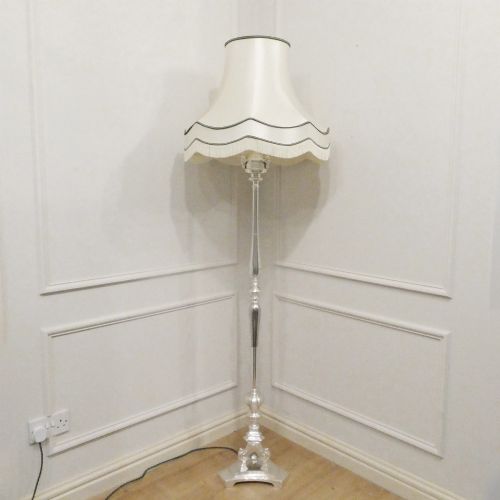
These classic tall reading lamp pieces provide steady illumination from elevated stands, bringing period character and focused light to your sitting room.
Classic Tall Reading Lamp
When you search for a classic tall reading lamp, you encounter elevated lighting fixtures designed to stand upon the floor or rest upon a table at height. These tall pieces provide functional illumination suited for reading spaces and corners.
The selections available here span the nineteenth century through the early decades of the twentieth century. You meet standard lamps, floor lamps, and tall table lamps reflecting Victorian, Edwardian, Regency, and Art Deco influences.
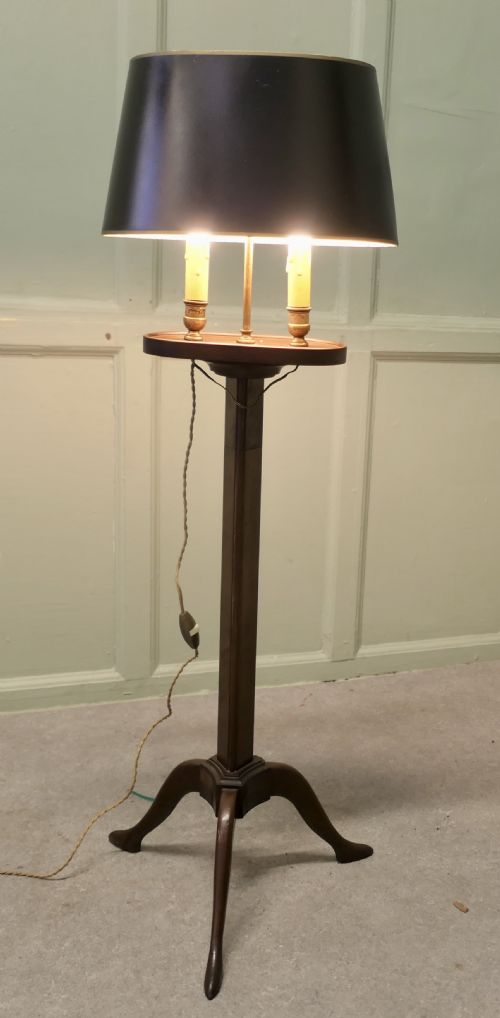
Many examples incorporate adjustable mechanisms, allowing you to alter the height or angle of the light source. Others feature twin candle setups or paired configurations suited for formal reception rooms.
Materials and construction
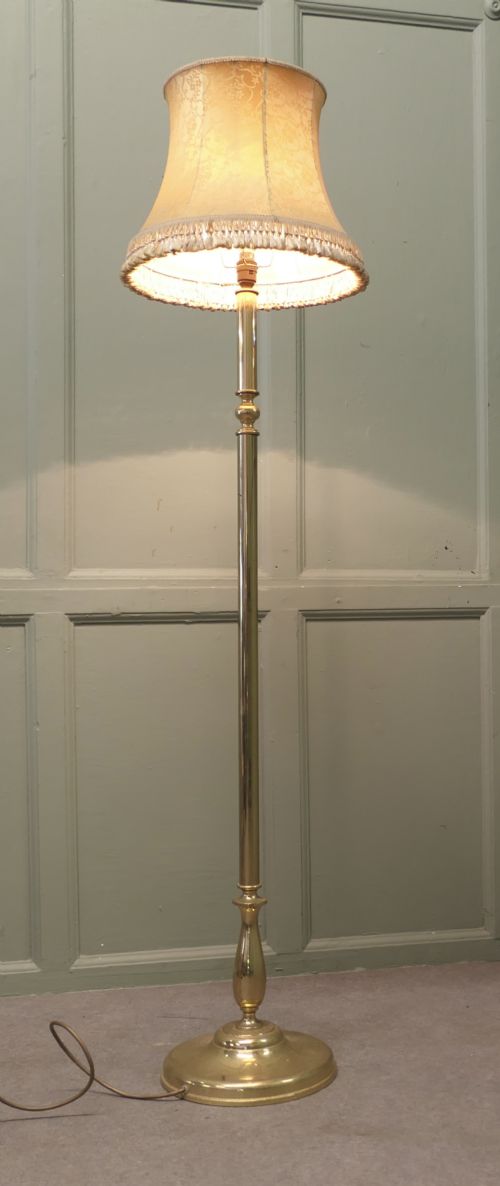
Makers utilised brass extensively as the primary structural metal for these stands, often combining it with silver plate or painted metal finishes. Telescopic shafts and heavy weighted bases provided both reach and stability.
Giltwood and mahogany appear among the structural materials, particularly in pieces influenced by Italian Baroque, Florentine, and Regency styles. These carved wood and gilded elements introduced rich decorative textures to domestic interiors.
Classic Tall Reading Lamp Retail Price Guide 2026
Typical asking prices for classic tall reading lamp among the pieces listed under this phrase on Sellingantiques today, from the lower quarter to the upper quarter. They describe what is for sale here now, not the wider market.
Materials represented across the selection include solid brass, giltwood, mahogany, silver plate, and opaline glass.
Distinguishing quality
The distinction between standard examples and the finest pieces lies in the sophistication of the metalwork and the integrity of the adjustable mechanisms. Telescopic actions that operate smoothly without slipping demonstrate superior manufacturing standards.
Heavier gauge brass and deeply carved giltwood signify higher workshop input compared to lighter, pressed metal alternatives. The presence of original fabric shades or intact opaline glass components further elevates the standing of an individual piece.
The Classic Tall Reading Lamp Glossary
- Standard lamp
- A tall floor-standing lamp designed to illuminate a room from a raised position. These fixtures typically feature a heavy base and a vertical column supporting a shade.
- Bouillotte lamp
- A traditional French reading or desk lamp featuring a central shaft and adjustable shades. They frequently incorporate multiple candle arms or light sources.
- Telescopic
- A construction method allowing the vertical shaft of the lamp to extend or retract. This mechanism provides adjustable height control for reading purposes.
- Giltwood
- Timber that has been coated with a thin layer of gold leaf or gold paint. This technique creates a rich decorative surface seen on Baroque and Florentine style stands.
- Opaline glass
- A milky, translucent glass popular in nineteenth-century lighting design. It softens and diffuses the bulb output efficiently.
Classic Tall Reading Lamp: Frequently Asked Questions
Where should I place a tall reading lamp?
Position these tall lamps beside an armchair or sofa where the elevated light source can project downwards onto your book or workspace.
Ensure the heavy base rests firmly on a level floor or sturdy surface to maintain stability during height adjustments.
How do I adjust a telescopic standard lamp?
Release the central collar or thumb screw on the vertical brass shaft gently to allow the inner section to slide up or down.
Secure the mechanism firmly at your chosen height before turning the lamp on to prevent slippage.
What is the difference between a floor lamp and a standard lamp?
In British antique terminology, standard lamp traditionally refers to a tall wooden or metal floor-standing lighting column.
Floor lamp is a more modern descriptor frequently applied to the same category of tall, room-standing fixtures.
How do I care for antique brass stands?
Dust the metal columns regularly with a soft, dry cloth to prevent the accumulation of grime in the decorative crevices.
Avoid abrasive polishes that might strip the historic patina accumulated on the brass over the decades.