
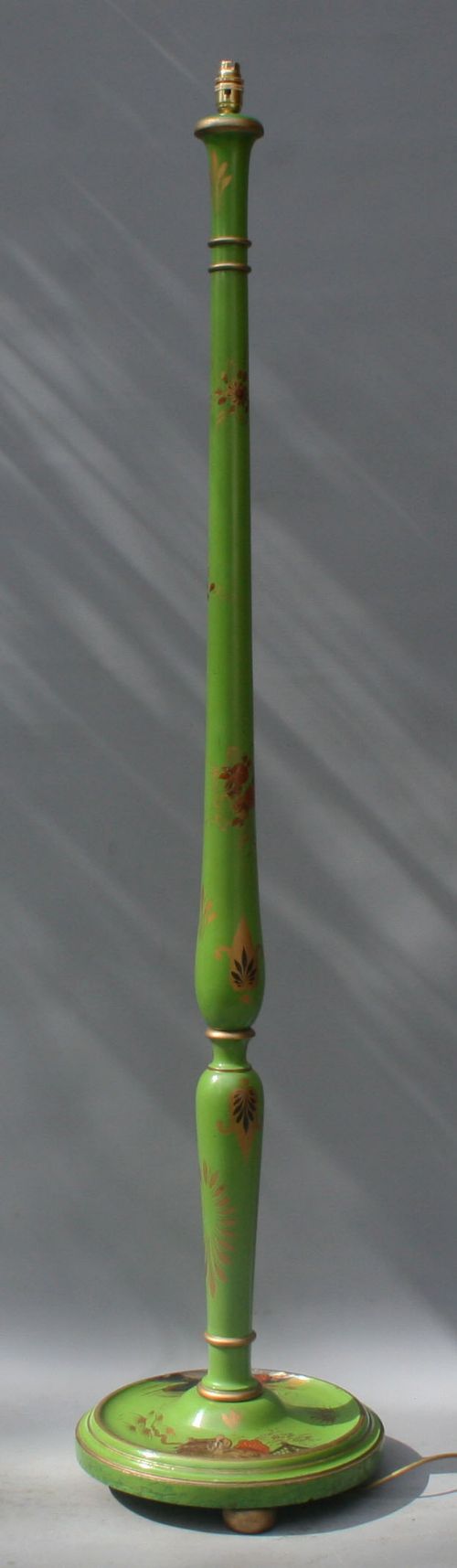


Gilded Standard Light
A gilded standard light brings immediate warmth and height to a room, offering both presence and illumination through centuries of decorative tradition.
Gilded Standard Light
A gilded standard light provides vertical illumination while serving as a prominent furnishing in a room, spanning floor lamps, standard lamps, and tall lamp bases. When searching for a gilded standard light, buyers encounter pieces originating from the nineteenth and twentieth centuries, including Edwardian examples and items from the 1930s.
The selection ranges from tall floor-standing columns to table lamps and floor candlesticks, designed to command attention in a corner or beside seating. Chinoiserie interpretations, Italian Baroque pieces, and Louis XVI revival styles dominate the visual language of these pieces.
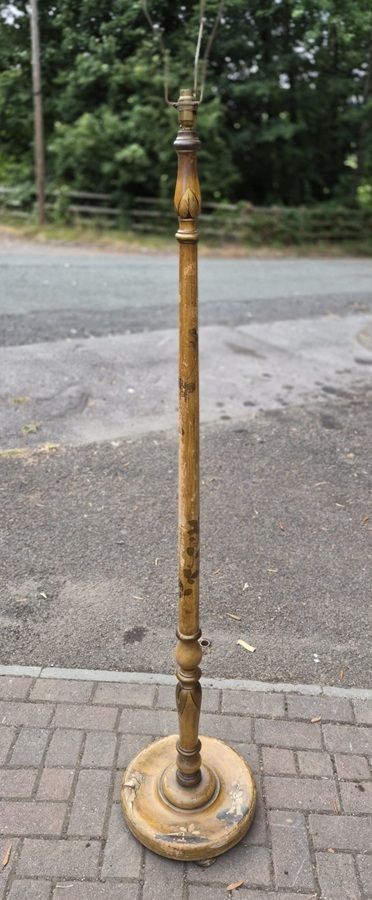
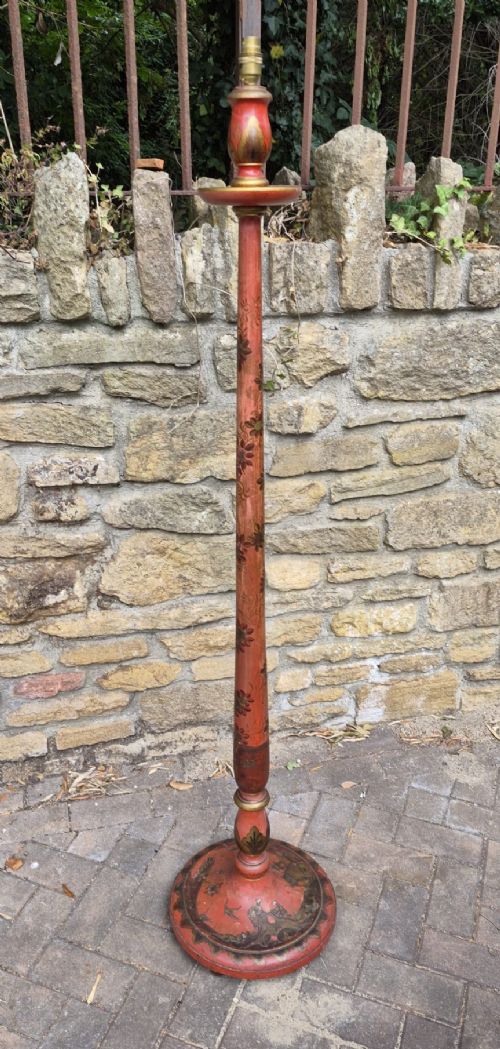
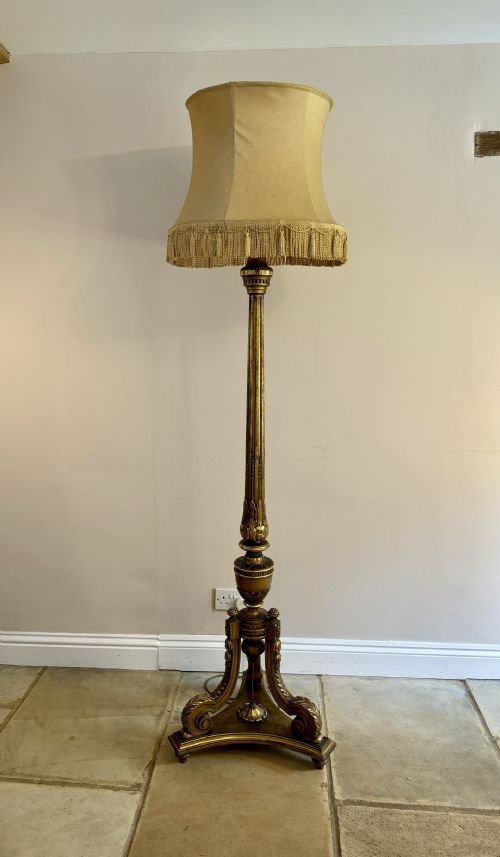
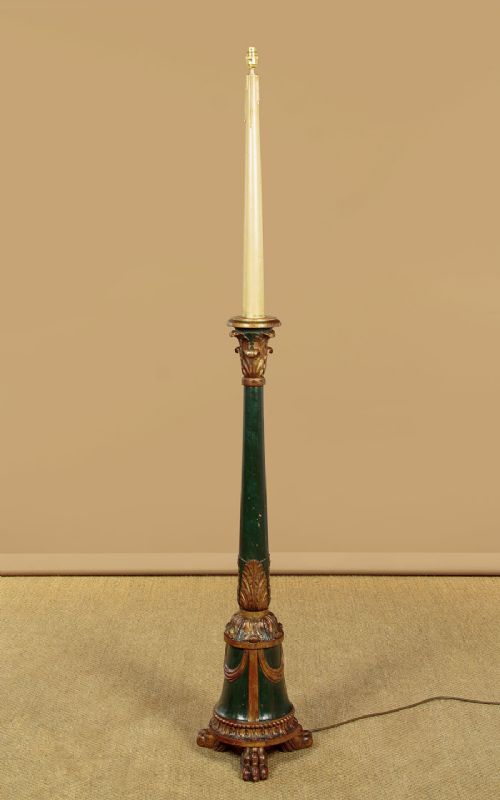
The most frequent variations on this page include standard lamps finished with Chinoiserie lacquer work, carved giltwood columns, and painted surfaces enriched with gold leaf. Buyers find both British Edwardian interpretations and continental European designs, particularly from Italy and France, representing diverse historicist revivals.
How They Were Made
Carved wood provides the structural core for many of these pieces, shaped into fluted columns, figural supports, and decorative bases using traditional woodworking techniques. Gesso is frequently applied as a smooth preparation layer over wood before the application of gilding.
Gold leaf and parcel gilt finishes are painstakingly laid over prepared surfaces to catch and reflect light, creating the characteristic metallic sheen. Lacquer and paint are employed in Chinoiserie and Venetian examples, adding polychrome details and dark polished grounds beneath or around the gilding.
Brass, ormolu, and other metals appear in mounts and structural elements, combining with fabric shades to complete the construction of the lamps. Artisans utilised carving, casting, and painting methods that reflect the specific revival styles of their respective periods, from Italian Baroque to French Chateau.
Several Venetian figures on stands hold their ground alongside standard lamps, proving that illumination sometimes requires a carved human assistant.
What Varies in Quality
The depth and execution of the carving separate simpler turned posts from masterworks featuring intricate acanthus leaves, figures, or delicate Chinoiserie motifs. Hand-applied gesso and genuine gold leaf create a richer, warmer reflection than flat modern paints or inferior metallic substitutes.
Original surfaces retain their historic patination and integrity, showing the subtle wear of time rather than heavy modern intervention. The proportion of the base to the overall height dictates the visual balance and stability of the standard light when positioned in a room.
The Gilded Standard Light Glossary
- Giltwood
- Wood that has been coated with gold leaf or gold dust using a thin layer of size or gesso. This finish provides a luminous, reflective surface that defines many antique standard lamps.
- Chinoiserie
- European decorative style in the Western interpretation of Chinese and East Asian artistic traditions. It frequently manifests on these lamps through lacquered surfaces and painted motifs.
- Gesso
- Plaster-like mixture used as a smooth base for paint and gilding on wood. It allows artisans to carve intricate details before applying the final metallic layer.
- Ormolu
- Gilded bronze or metal ornamentation applied to furniture and lighting fixtures. It adds sharp, cast detail to standard lamps in French revival styles.
- Parcel Gilt
- Decoration where only certain portions of an object are gilded, leaving the underlying wood or paint exposed elsewhere. This technique creates contrast between the metallic highlights and the dark or painted ground.
Gilded Standard Light: Frequently Asked Questions
Where should I place a standard lamp?
A standard light performs best in corners or beside substantial seating arrangements where its height can anchor the furniture group. It provides ambient illumination rather than task lighting, softening the shadows in a reception room or study.
Because these pieces possess strong decorative character, they work well where their carved wood or lacquered surfaces remain visible from multiple angles. Positioning them away from high-traffic walkways protects fragile giltwood and painted details from accidental bumps.
How do I identify a Chinoiserie lamp?
Chinoiserie lamps are distinguished by black or coloured lacquered surfaces decorated with painted figures, landscapes, or floral motifs. They reflect the European fascination with East Asian design during the Edwardian period and earlier centuries.
The decoration often employs gold paint or raised gesso details against a dark background, creating a striking contrast with standard gilded wood columns.
How do I care for antique gilded surfaces?
Gilded surfaces require gentle maintenance using a dry, soft ostrich feather duster or a clean microfibre cloth to remove surface dust. Moisture and chemical cleaning agents must be avoided entirely, as they can lift the fragile gesso and gold leaf from the wooden substrate.
Placing the lamp away from direct sunlight and heating vents prevents the wood underneath from drying out, shrinking, and causing the historic finish to crack.