

Classic Table Lighting
Classic table lighting brings atmosphere to a room, uniting functional illumination with historical forms from the eighteenth century onwards.
Classic Table Lighting
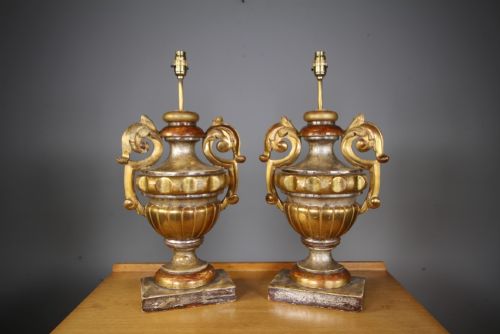
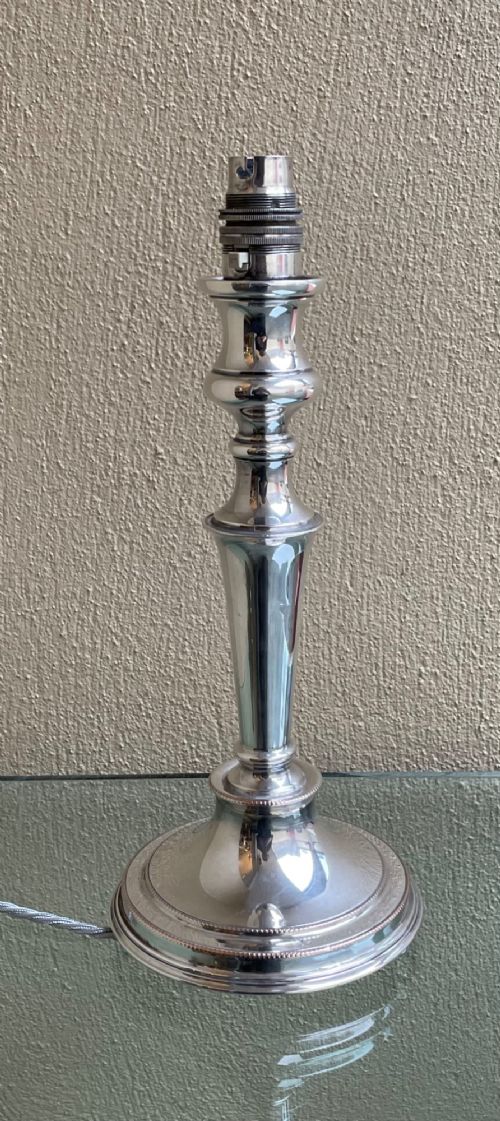
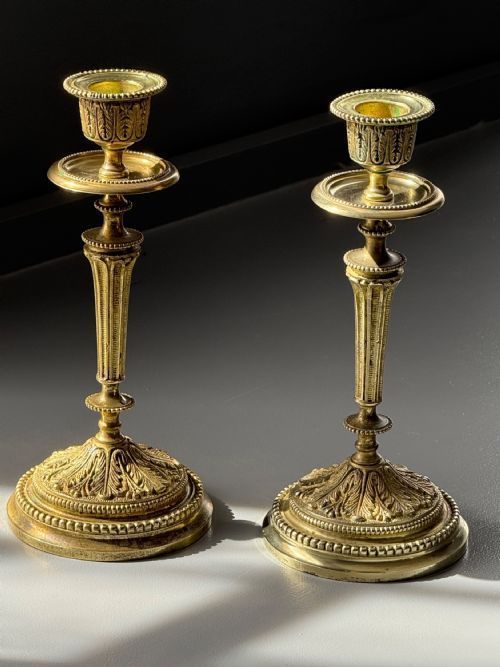
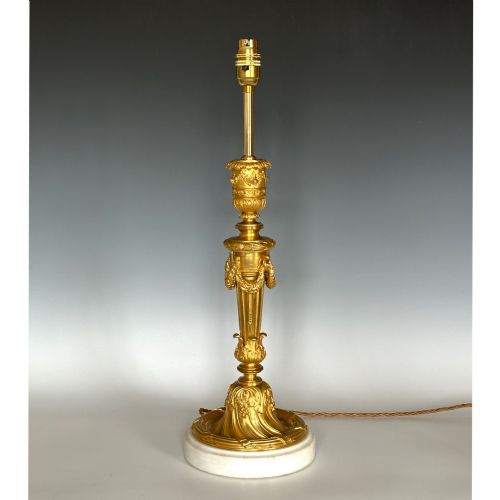
Classic table lighting encompasses a diverse array of pieces designed to illuminate rooms, spanning from period candlesticks and oil lamps to converted electric lamps and dedicated desk lighting. These items bring period character to interior spaces through traditional forms.
The selection on this page relies heavily on nineteenth-century and early twentieth-century examples, alongside select eighteenth-century items. Brass, silver plate, and bronze dominate the visible forms, frequently paired with fabric or glass elements.
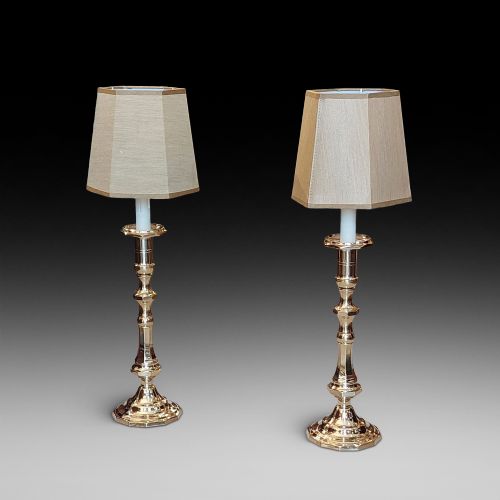
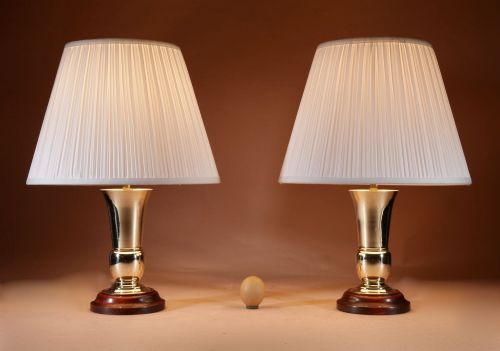
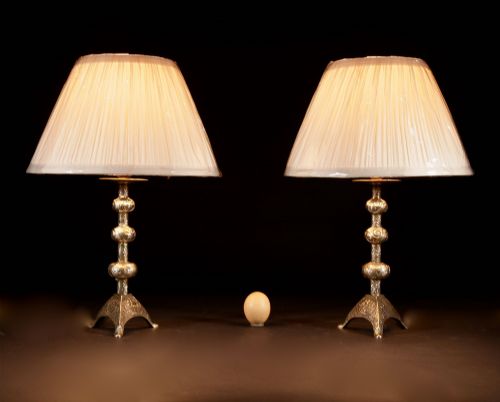
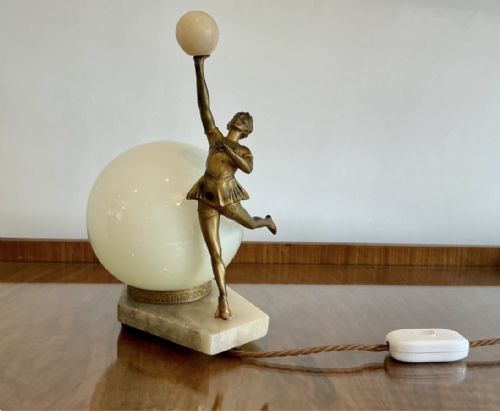
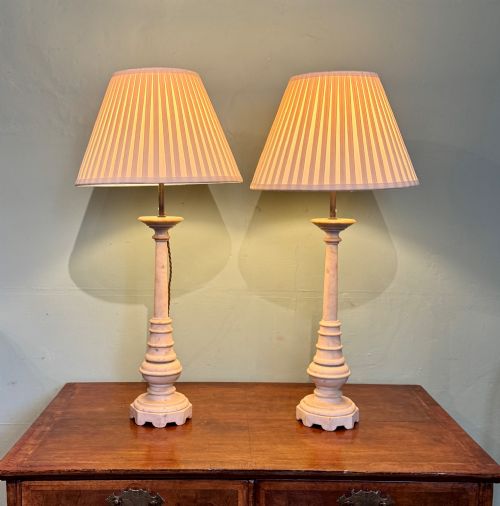
Buyers will encounter multiple configurations, including pairs of candlesticks adapted for electricity, decorative figural lamps, and bouillotte styles with adjustable shades. These objects bridge the gap between historical utility and modern domestic needs.
Materials and construction
Metalworking techniques dictate much of the construction seen across these listings, utilising cast brass, seamed components, gilt bronze, and silver plating. Many pieces incorporate turned elements or classical column designs, reflecting the prevailing styles of their respective eras.
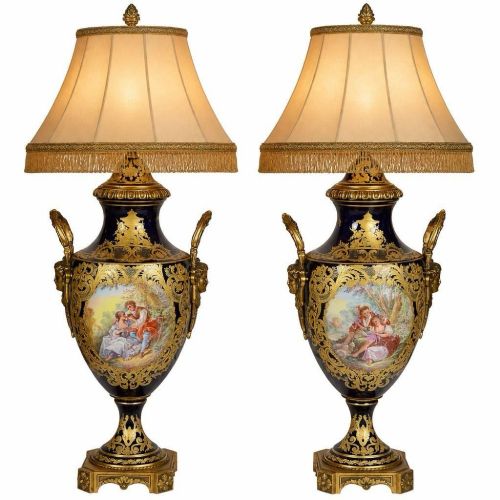
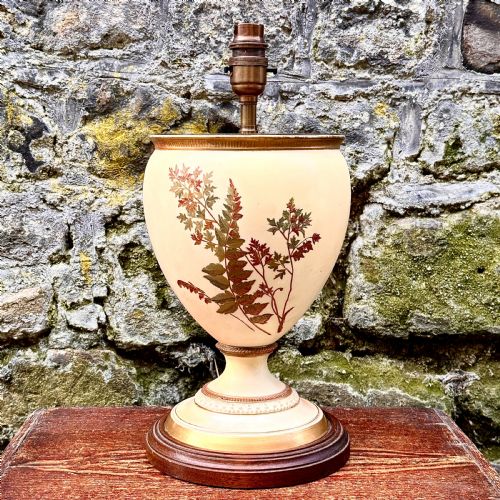
Alternative materials introduce textural contrast, utilising carved pine, white marble, alabaster, cut crystal glass, and porcelain. Several items demonstrate period conversion methods, where older candlesticks or oil lamps were later adapted to house electrical fittings.
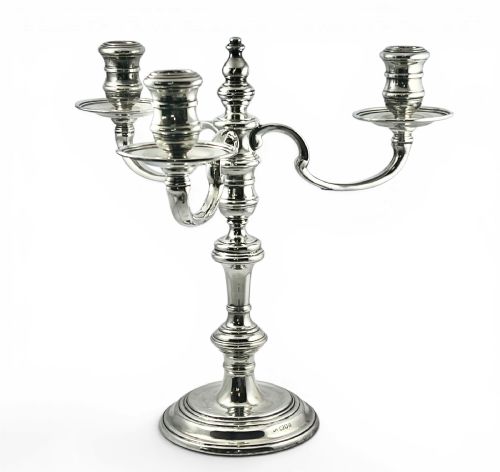
Chester candlesticks bring a distinct Victorian firmness to the table, ready to hold steady through centuries of changing interior fashions.
Assessing quality and execution
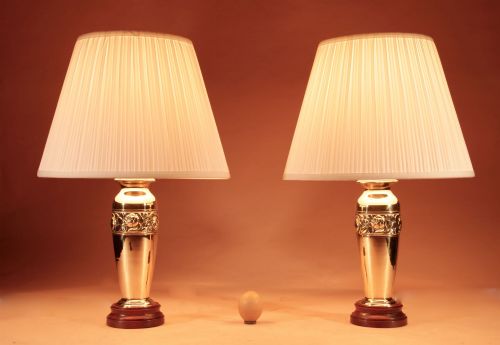
Quality reveals itself in the crispness of the casting, the weight of the metal, and the precision of the assembly. Finer pieces display sharply defined ornamentation, whether through botanical motifs on brass columns or detailed figural work in bronze and gilt bronze.
Material selection and patination further differentiate the range, as solid metals and genuine hardstones retain superior depth compared to simpler plated alternatives. The integration of period components during any conversion work also dictates the overall cohesion of the piece.
Royal Worcester·Faraday and Sons
The Classic Table Lighting Glossary
- Bouillotte lamp
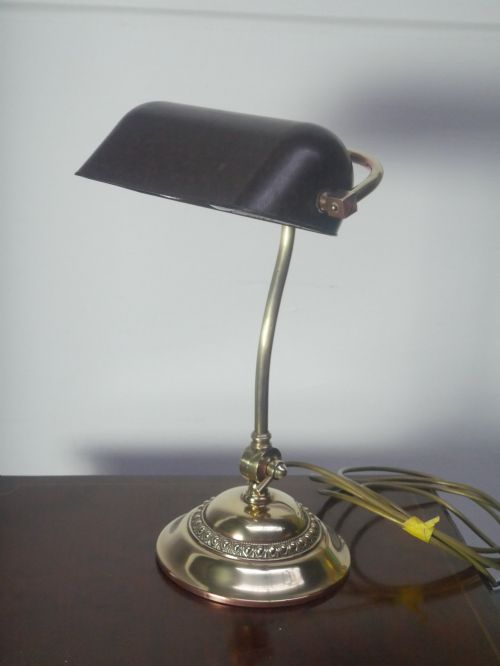
- A traditional desk or table light featuring a central column, a candle or bulb cluster, and a movable vertical shade. This design originally served card players during the French game of bouillotte.
- Ejector candlestick
- A brass candlestick featuring an internal mechanism designed to push out the remaining stub of a candle. These items date predominantly to the eighteenth and nineteenth centuries.
- Candelabra
- A branched lighting fixture holding multiple candles or light bulbs. They frequently appear in pairs and reflect neoclassical or rococo revival aesthetics.
- Ormolu
- Gilded bronze ornamentation popular in French decorative arts. This technique involves applying a gold-mercury amalgam to a bronze base.
- Fiddleback sycamore
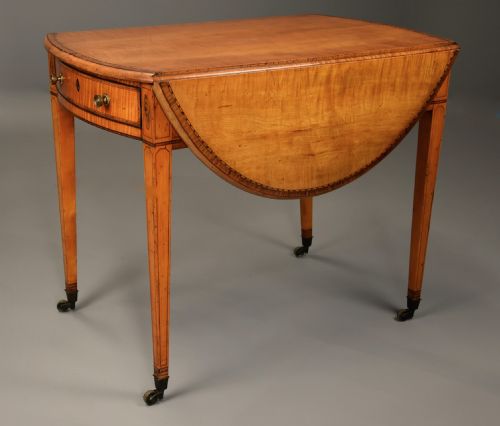
- A figured variety of sycamore timber displaying a rippled grain pattern resembling the back of a violin. It appears in select eighteenth-century furniture pieces.
Classic Table Lighting: Frequently Asked Questions
How do I choose between oil lamps and candlesticks?
Oil lamps tend to offer a more substantial visual presence, often combining brass reservoirs with glass or ceramic bodies. They suit larger side tables where a heavier silhouette anchors the room.
Candlesticks, by contrast, present a slimmer profile. When converted to table lighting, they provide targeted illumination without dominating the surrounding furniture surface.
Are converted lamps safe to use today?
Many older pieces have undergone conversion from oil or candle use to electricity over the decades. Buyers should inspect the internal wiring and consult a qualified electrician to ensure current safety standards are met.
The original metal or ceramic body remains intact while modern internal components provide safe everyday operation.
How do I date a brass table lamp?
Dating relies on stylistic clues, manufacturing marks, and construction methods. Georgian and Victorian examples often display seamed construction or specific column orders like Corinthian.
Later Edwardian and Art Deco pieces introduce simplified geometric lines, new alloy compositions, or alternative shades made of opaline glass and fabric.
Where should I place a bouillotte lamp?
Bouillotte lamps excel on desks, reading tables, or sideboards where directional control matters. The adjustable shade allows you to focus the beam downward onto a work surface.
Their distinctive three-column or single-column structure also makes them effective as decorative accent pieces in living rooms.