
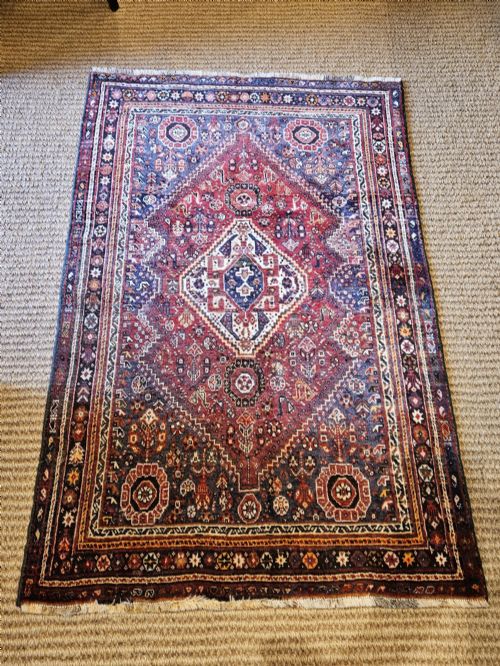
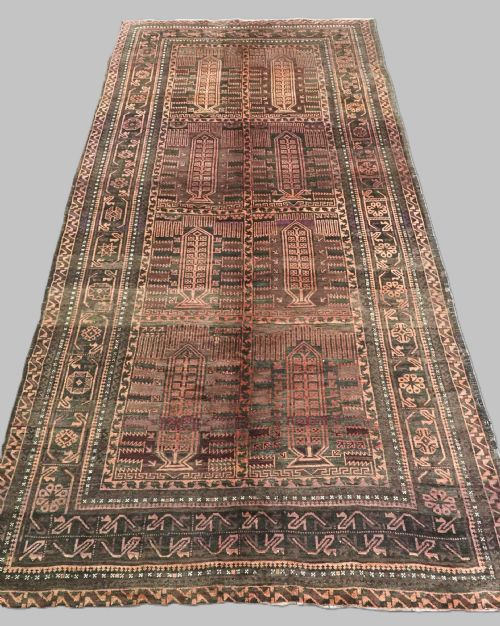
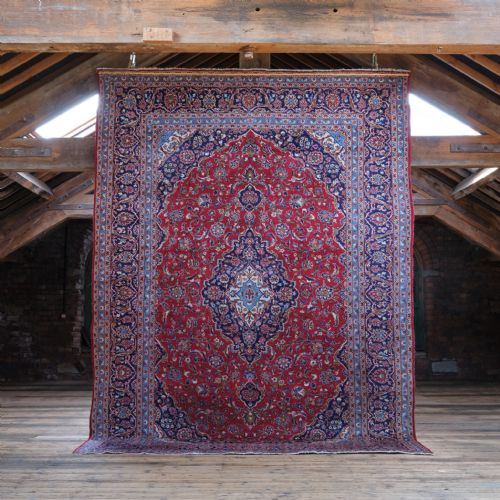
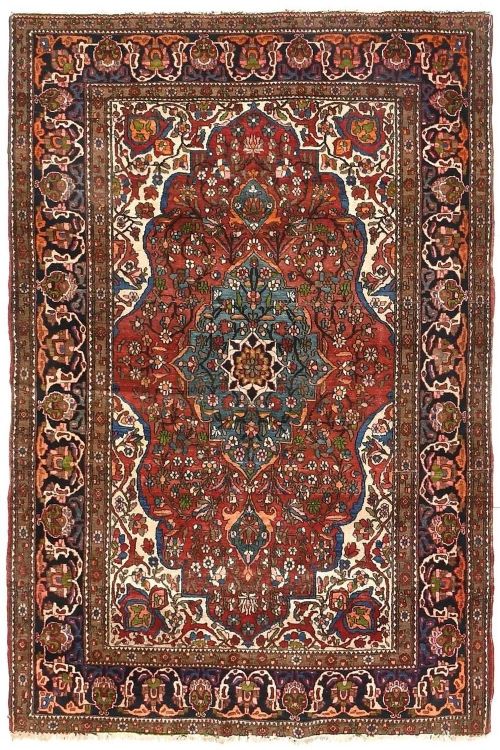


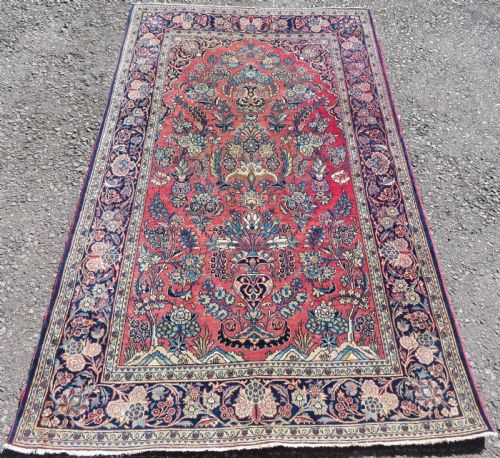


Classic Persian Floor Rug
A classic persian floor rug brings deep colour and intricate pattern to a room, formed of hand-knotted wool and natural dyes.

Classic Persian Floor Rug
A classic persian floor rug spans room-sized carpets and smaller area rugs originating from weaving centres such as Heriz, Kashan, Isfahan, and Tabriz. When searching for a classic persian floor rug, buyers encounter room-sized formats alongside village and tribal pieces dating from the late nineteenth century into the mid-twentieth century.
The regional styles vary from the geometric medallions of Heriz carpets to the fine floral compositions of Isfahan and Kashan. These floor coverings served utilitarian roles in homes and palaces alike, designed to insulate stone or wood floors while displaying traditional iconography.
Assessing quality
Quality rests primarily on the fineness of the knotting and the clarity of the design implementation across the field. Superior examples demonstrate a careful balance of natural dye saturation and precise execution in the borders and central medallions.
The structural integrity of the wool pile and the condition of the original selvedges and ends dictate the grade of the textile. Greater care in the initial spinning and dyeing stages results in wool that retains its resilience and visual depth over generations of use.
One notable village rug from Tafresh proudly incorporates twenty-one distinct little birds into its classic design.
The Classic Persian Floor Rug Glossary
- Medallion
- A symmetrical ornamental motif placed at the centre of the rug field. This design element often anchors the surrounding floral or geometric field patterns.
- Selvedge
- The reinforced edge of a rug formed by wrapping lateral warp threads. It prevents the sides from fraying and defines the lateral boundary of the piece.
- Warp
- The stationary vertical threads stretched across the loom upon which knots are tied. Cotton and wool serve as the primary materials for these structural foundations.
- Natural dye
- Colourants derived from plants, insects, and minerals rather than synthetic compounds. These dyes produce complex, muted secondary tones as the rug ages.
- Knot density
- The measurement of individual knots per square unit of surface area. Higher densities generally indicate greater time investment and finer detail work.
Classic Persian Floor Rug: Frequently Asked Questions
How do I clean an old rug?
Surface dust should be removed gently using a suction-only vacuum without a rotating brush bar. Professional textile conservators should handle deeper washing to protect the natural dyes and wool pile.
Water exposure must be strictly controlled during any maintenance to prevent dye migration and shrinkage in the cotton or wool foundation. Avoid chemical spot cleaners entirely.
Where should I place a large carpet?
Large room-sized carpets anchor seating groups in drawing rooms or dining areas, placed either beneath all furniture legs or framing the central arrangement. Placing them out of direct, harsh sunlight preserves the natural dye colours over time.
A quality underlay prevents slip and reduces abrasion between the foundation threads and hard flooring underneath. This extra layer extends the working life of the textile significantly.
How do I distinguish regional styles?
Heriz carpets typically display bold geometric medallions and strong corner spandrels woven with sturdy wool. Isfahan and Kashan pieces present delicate curvilinear floral motifs with dense, fine knotting.
Village rugs like those from Tafresh or Senneh often incorporate specific local storytelling elements or repeated bird and vase motifs. Examining the back of the rug reveals the fineness and regularity of the knotting associated with specific towns.
What dates are common for these rugs?
The pieces listed span from the late nineteenth century through the 1940s, encompassing both village productions and workshop carpets. Items from the 1880s and 1890s represent the earlier end of the current selection.
Production continued through the Edwardian period and into the interwar years, reflecting changing aesthetic demands in export markets. Each decade brought subtle shifts in chemical and natural dye usage alongside traditional pattern repetition.