
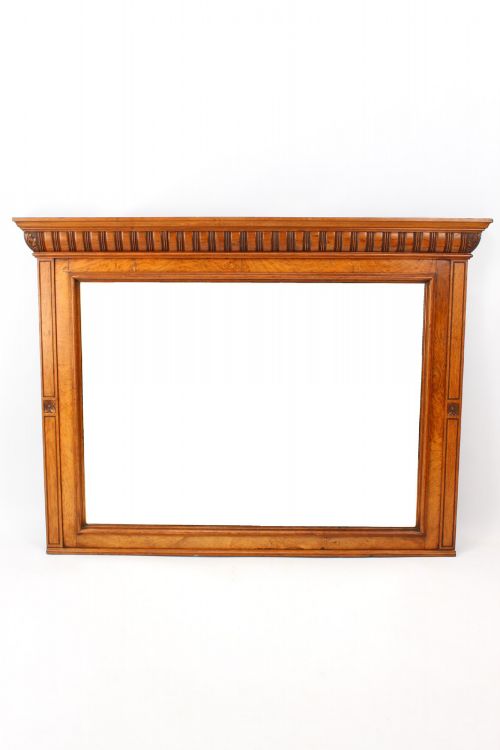
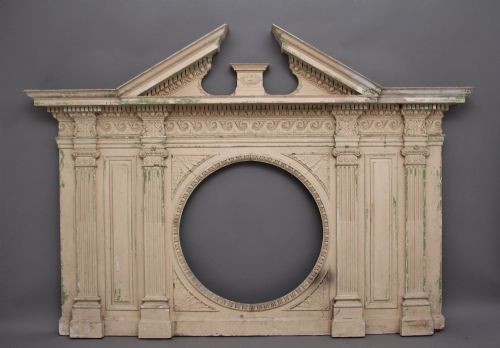


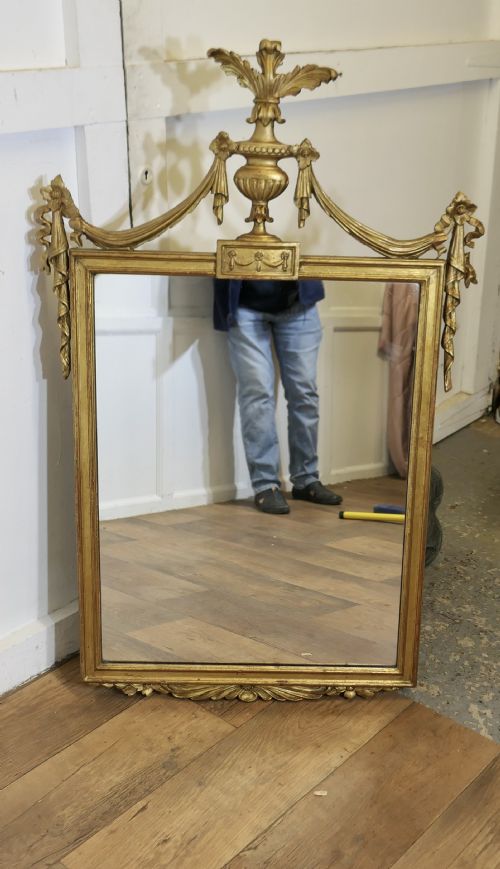

Classic Overmantel Mirror
A classic overmantel mirror anchors a chimney breast with scale and reflection, bringing light and presence to a room.

Classic Overmantel Mirror
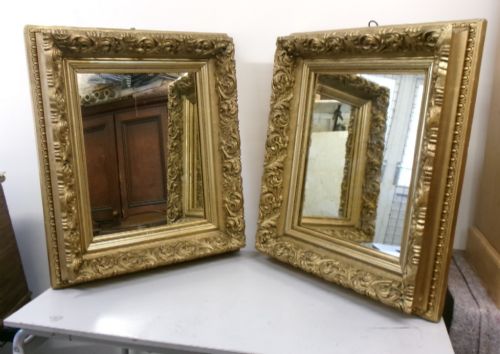
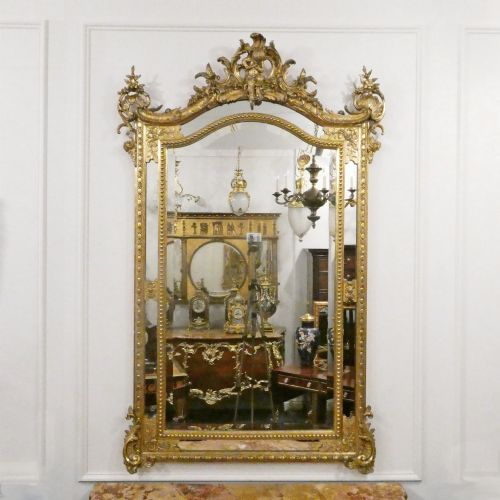
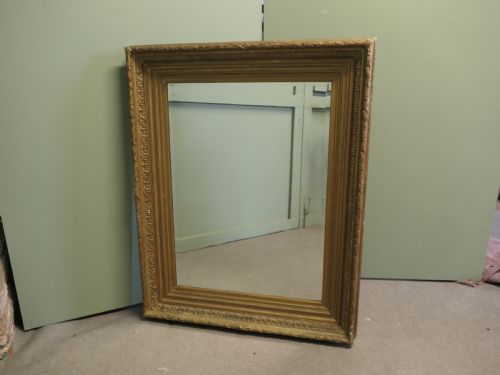
A classic overmantel mirror is a large wall-hanging looking glass traditionally positioned above a fireplace mantelpiece to reflect ambient room light. The pieces collected under this search phrase span from the eighteenth century through the Edwardian era, taking forms such as expansive arch tops, tripartite plates, and landscape formats.
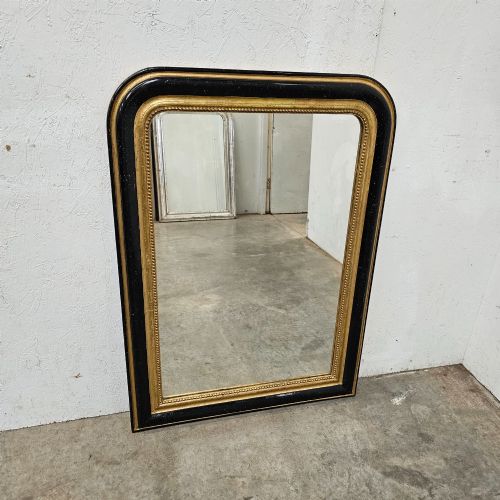
Most examples encountered here belong to the nineteenth century, including Victorian, Regency, and French styles like Louis Philippe and Napoleon III. These mirrors combine architectural framing with decorative carving designed specifically to occupy the chimney breast.
Makers and craftsmen of these periods utilised pine, mahogany, and oak as structural carcases, applying gesso and gilding to create ornate surfaces. They function as both practical glass and dominant decorative elements within period interiors.
How they were made
Carpenters constructed the primary wooden frames from solid timbers including pine, mahogany, and oak, often joining heavy sections to bear the weight of the glass. Overmantel mirrors required sturdy internal bracing to withstand the dimensional stresses of large scale hanging.
Gilders and ornamentalists applied layers of gesso over carved wood, tooling the composition material to create crisp relief details before applying gold leaf or paint. French and English workshops employed distinct moulding profiles and classical motifs such as columns and giltwood scrolls.
Some nineteenth-century mirrors retain centuries of hearth smoke trapped safely behind their massive carved frames.
What varies in quality
The standard of a classic overmantel mirror rests upon the crispness of the carved wood and gesso ornamentation relative to the scale of the frame. Higher tier examples display hand-carved depth and refined proportion, whereas simpler pieces rely on moulded composition ornament.
The preservation of the original mercury or silvered glass plate and the integrity of the original gilding or paint layers determine the authentic character of the piece. Substantial frames require robust structural joints that remain firm over centuries of hanging above heat sources.
The Classic Overmantel Mirror Glossary
- Overmantel
- A mirror or painting specifically designed to be hung above a mantelpiece. It usually possesses a wide horizontal format or an arched top to suit the proportions of a fireplace.
- Gesso
- A plaster-like mixture applied to wood frames to provide a smooth surface for gilding or painting. Artisans mould or carve intricate decorative details directly into this layer.
- Giltwood
- Wood that has been coated with thin sheets of gold leaf. This finish defines the ornate appearance of many nineteenth-century wall and fireplace mirrors.
- Trumeau
- A decorative wall mirror or panel featuring a painted or carved scene above the glass plate. These French pieces frequently incorporate classical motifs within the upper section.
- Pier glass
- A tall mirror designed to hang on the narrow pier of wall between windows. These tall glasses share construction techniques with large mantel pieces.
Classic Overmantel Mirror: Frequently Asked Questions
How do I hang a heavy overmantel mirror?
These large mirrors require professional wall fixings secured directly into masonry or substantial timber studs behind the plaster. Because nineteenth-century frames carry considerable weight from wood and thick glass, weight distribution brackets are essential.
Position the lower edge just above the mantel shelf to anchor the visual composition of the fireplace. Ensure the hanging wire or integrated D-rings are rated for the specific heft of the piece.
Were these mirrors always meant for fireplaces?
While the form developed specifically to occupy the wall space above a hearth, many large wall mirrors and pier glasses share identical proportions and manufacturing dates. Overmantels use wide horizontal formats to balance the width of a chimney breast.
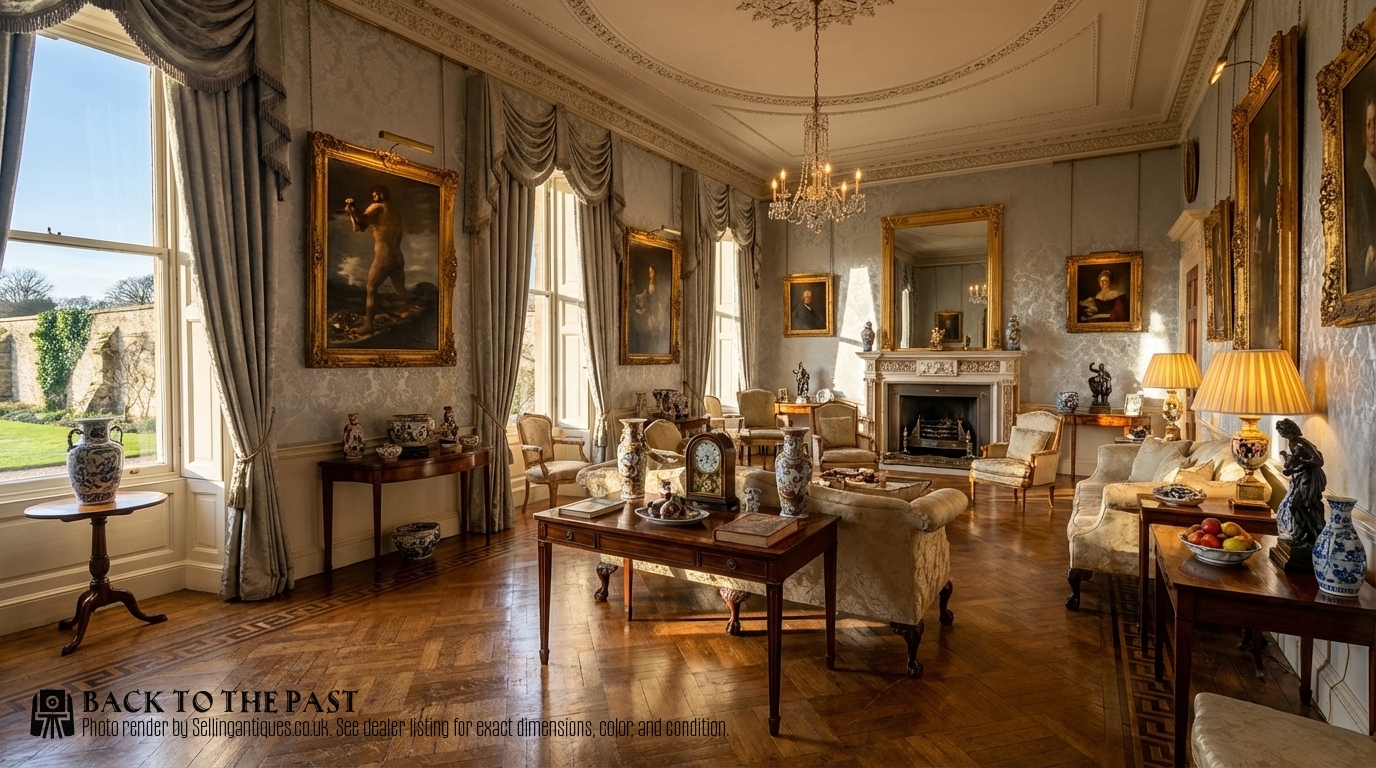
In period interiors, placing a glass above the fireplace served to multiply the flickering light of candles and fires before gas and electric lighting became common.
How do I clean antique mirror glass?
Clean the glass plate gently using a soft microfibre cloth and a mild, ammonia-free cleaning solution sprayed onto the cloth rather than directly onto the mirror. This prevents moisture from seeping behind the silvering or into the wooden frame joints.
Old mirror plates often exhibit foxing and dark spots, which are natural signs of age in the original backing. Avoid aggressive scrubbing that might damage delicate nineteenth-century silvering or surrounding gesso.
How do I tell Victorian from Regency mirrors?
Regency overmantel mirrors often feature strict Neoclassical restraint, incorporating ball-stud friezes, pilasters, and triptych plates within architectural frames. Victorian examples tend toward heavier proportions, arch tops, and elaborate Italianate or classical revival ornament.
Examining the construction timbers, backboards, and fastener types helps confirm the period. French variants from the same eras often display distinctive Louis Philippe curves or Napoleon III blackened and gilt finishes.