
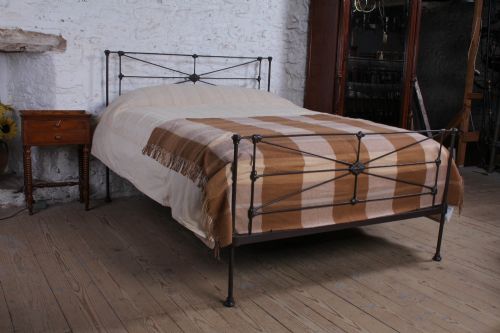


Classic Metal Bed Frame
These classic metal bed frame designs bring enduring structural strength and period character to a bedroom.
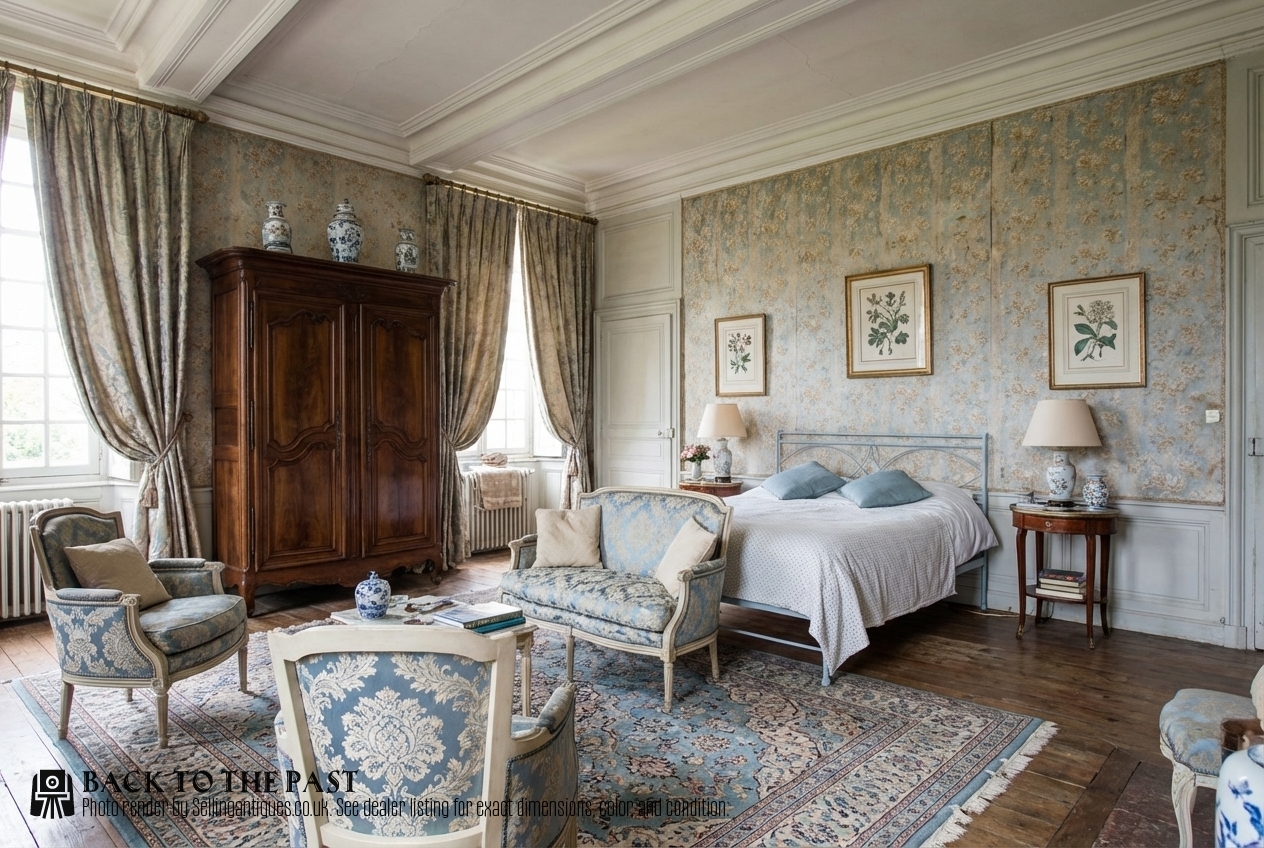
Classic Metal Bed Frame
When you search for a classic metal bed frame, you are looking at substantial antique sleeping furniture built to last generations rather than decades. The pieces gathered here span from the late nineteenth century through to the early twentieth century, taking in both the Victorian and Edwardian eras.
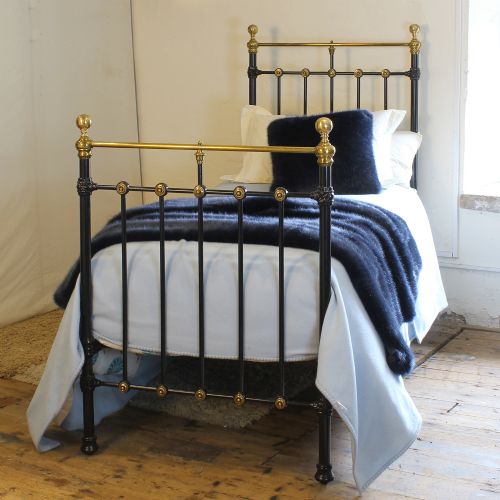
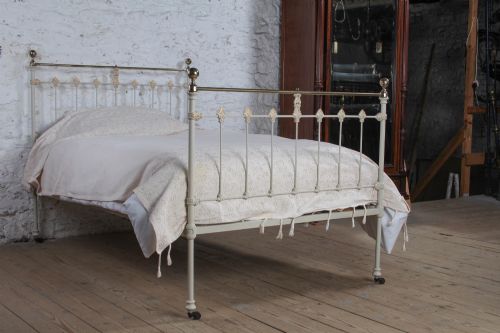
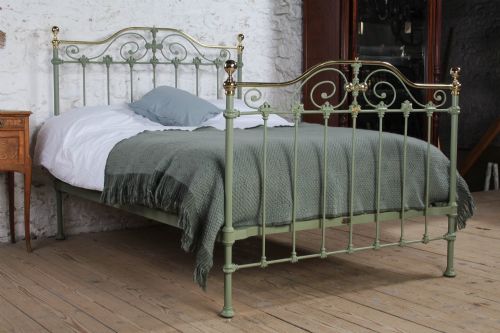
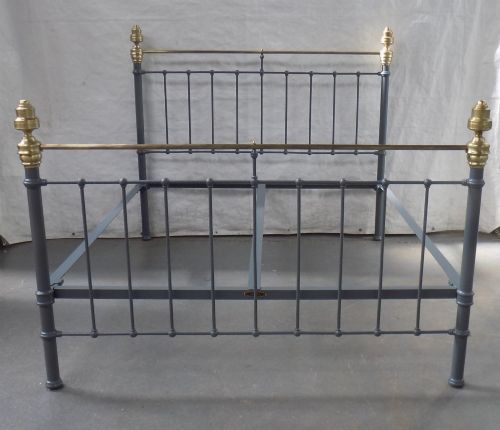
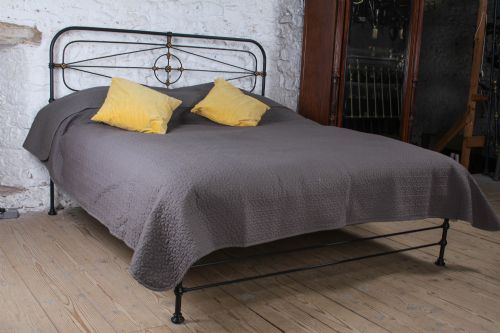
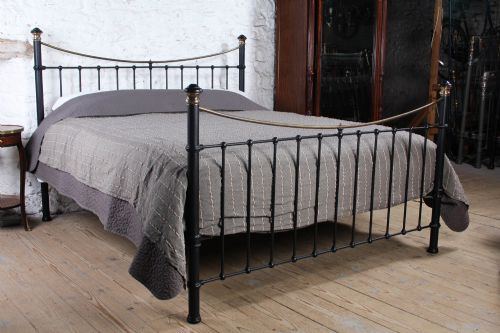
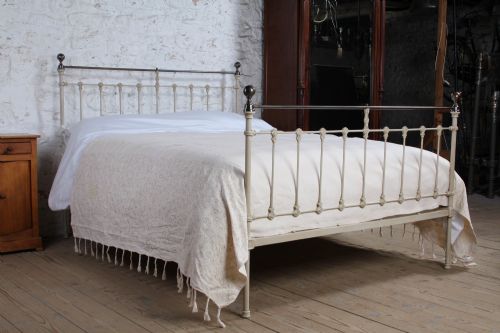
You are most likely to meet substantial double, king size, and super king size bedsteads constructed primarily from iron and brass. These range from simple straight rail designs and Irish no end formats to decorative pieces featuring brass accents and painted finishes in black, green, cream, and other colours.
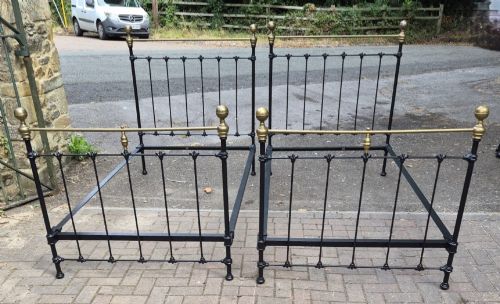
Origins represented on this page stretch beyond standard British workshops to include French country and Portuguese country styles alongside domestic production. Forms include complete beds with headboards and footboards, platform beds, and pairs of large single size bedsteads.
Materials and construction
The construction of a classic metal bed frame relies heavily on cast iron, wrought iron, and forged iron for the primary load-bearing framework. These sturdy metals are frequently paired with gleaming brass components such as top rails, knobs, and finials to create a striking contrast.
Surface finishes applied to the metal include traditional paint in shades of black, green, and cream, alongside bare forged and cast surfaces. Makers utilised robust joining techniques to ensure the frames could be easily dismantled and reassembled while maintaining absolute rigidity during use.
Some nineteenth century makers added subtle ribbon reed details to iron frames, proving that heavy industrial metals could wear a remarkably delicate touch.
Indicators of quality
Quality in a classic metal bed frame shows in the crispness of the casting and the weight of the iron used in the frame. Heavier gauge metal and substantial brass components indicate a superior build that resists flexing and supports weight securely.
The sophistication of the decorative elements also separates standard examples from finer ones. Better pieces display refined detailing such as ribbon reed moulding, intricate brass mounts, and carefully proportioned dip rail or straight rail configurations.
Winfield
The Classic Metal Bed Frame Glossary
- Cast iron
- A hard, relatively brittle alloy of iron and carbon that can be readily cast in a mould. It forms the heavy structural base for many antique bedframes.
- Wrought iron
- Iron that has been forged rather than cast, known for its fibrous structure and toughness. It bends under stress rather than snapping like cast iron.
- Dip rail
- A bed frame top rail that curves downwards in the centre. This style softens the linear appearance of the headboard or footboard.
- Straight rail
- A horizontal top rail running in a straight line across the width of the bedstead. It provides a clean, architectural silhouette typical of later Victorian and Edwardian designs.
- Bedstead
- A framework of wood or metal designed to support a mattress and springs. In antique terminology, it refers to the complete structural assembly of the bed.
Classic Metal Bed Frame: Frequently Asked Questions
How do I choose the right size?
Antique metal beds come in various widths, from single and three quarter sizes up to double, king, and super king. Measure your bedroom space carefully and check the internal dimensions of the frame to ensure your modern mattress will fit comfortably between the rails.
Keep in mind that older frames can occasionally vary slightly from modern standard sizing conventions. Checking the specific width measurements listed for each bedstead prevents any surprises upon delivery.
Are these beds easy to assemble?
Most antique metal bed frames use a standard wedge and socket joint system on the side rails. This clever engineering allows the headboard, footboard, and side rails to lock together firmly without requiring complex tools.
Two people can usually assemble one of these heavy iron and brass frames in a short space of time. Gravity and the downward pressure of the mattress help keep the entire structure stable once erected.
How do I support a modern mattress?
Original antique beds were designed for old-style spring or chain link bases rather than contemporary pocket-sprung or foam mattresses. You will typically need to install a modern slatted wood base or a custom foundation that rests securely on the side rail brackets.
Ensuring the support platform sits at the correct height prevents the mattress from sagging. This also protects the structural integrity of the side rails over years of daily use.
How do I clean painted metal?
Painted iron surfaces respond best to gentle dusting with a dry microfiber cloth or a very slightly damp cloth for stubborn marks. Avoid harsh chemical cleaners or abrasive scouring pads that can strip or dull the original painted finish.
Brass elements can be polished gently with a suitable metal cleaner if you prefer a bright shine. Many collectors prefer to leave a light, natural patina on the metal to preserve its antique character.