





Classic Medallion Wool Rug
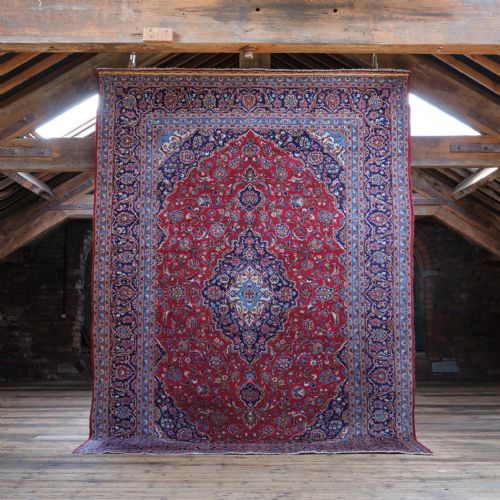
A classic medallion wool rug grounds a room with centuries of regional weaving tradition, central motifs, and durable natural materials.
Classic Medallion Wool Rug
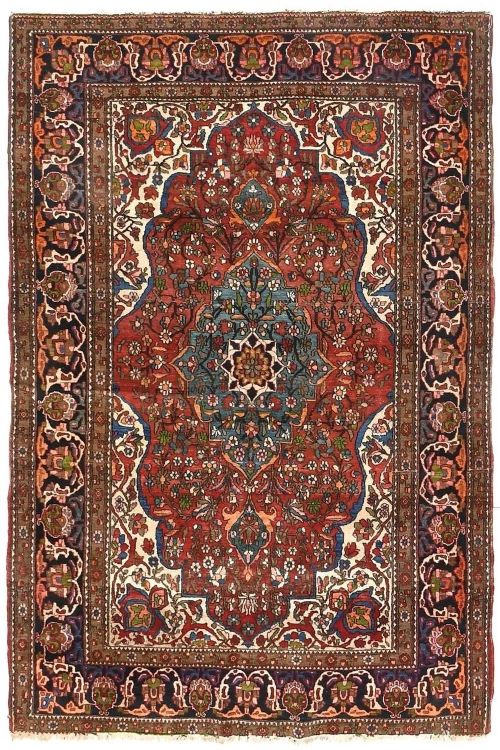
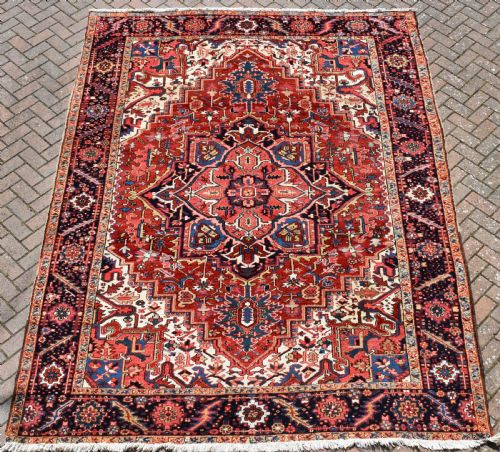
A classic medallion wool rug brings together traditional regional patterns and durable floor coverings originating from nineteenth and early twentieth-century workshops. Buyers seeking a classic medallion wool rug will find floor coverings defined by central geometric or floral focal points surrounded by intricate borders.
The selections span Persian, Anatolian, and Caucasian origins, including specific regional formats like Heriz, Isfahan, Kazak, and Tabriz carpets. These pieces range from room-sized carpets down to smaller area rugs produced across several decades from the late nineteenth century through to the mid-twentieth century.
Materials and Technique
Construction relies primarily on wool piles knotted onto cotton or wool foundations, utilising hand-knotted techniques executed by regional artisans. This combination yields a dense, resilient textile capable of withstanding heavy foot traffic while retaining flexibility.
Dyers utilised natural and early synthetic colorants to achieve rust, light red, and pastel grounds, paired with intricate contrasting details. The tightness of the weave varies by region, with city workshops often producing finer knots than tribal village counterparts.
Classic Medallion Wool Rug Retail Price Guide 2026
Typical asking prices for classic medallion wool rug among the pieces listed under this phrase on Sellingantiques today, from the lower quarter to the upper quarter. They describe what is for sale here now, not the wider market.
One village rug from Tafrech hides exactly twenty-one little birds amongst its traditional design motifs.
Assessing Quality
Quality rests upon knot density, structural integrity of the foundation, and the precision of the central design execution. Denser knots allow sharper definition in floral and geometric motifs, while a sound foundation prevents buckling across large floor formats.
The clarity of the dyes and the wear on the wool pile also distinguish finer specimens from standard utility pieces. Even with extensive age, superior examples maintain pile depth and structural tension across the entire rug area.
The Classic Medallion Wool Rug Glossary
- Medallion
- The central ornamental motif placed in the middle of the field. This design element anchors the visual symmetry of the entire textile.
- Hand-Knotted
- A construction method where individual strands of yarn are tied manually to the warp threads. This process requires considerable time and skilled labour.
- Warp
- The vertical threads stretched on the loom that form the structural foundation of the textile. Weft threads are woven across these to secure the knots.
- Pile
- The upper surface of the rug formed by the cut ends of the knotted yarn. Pile height influences the softness and durability of the floor covering.
Classic Medallion Wool Rug: Frequently Asked Questions
How do I clean a wool rug?
Vacuum gently without using a rotating brush roll to prevent pulling the delicate wool fibres. Professional cleaning is recommended for deep washing to protect the natural dyes.
Avoid soaking the foundation, as excess moisture can weaken cotton warp threads over time.
Where were these rugs made?
Production spans traditional weaving centres across Persia, Anatolia, Turkey, and the Caucasus region. Village workshops and city ateliers each developed distinct regional styles.
Specific towns such as Tabriz, Isfahan, Heriz, and Ushak gave their names to particular design traditions.
How do I date an old rug?
Dating relies on stylistic markers, structural analysis of the weave, and the types of dyes utilised in the wool pile. Earlier nineteenth-century examples often display specific regional palettes and softer tones.
Comparing border designs and knot structures helps narrow the production period between the late Victorian era and the mid-twentieth century.
Can I place these in hallways?
Many of these durable wool constructions withstand moderate foot traffic in hallways and living areas. Selecting appropriate sizes ensures the central medallion remains visible.
Using a quality underlay prevents slipping and cushions the foundation against hard flooring surfaces.