

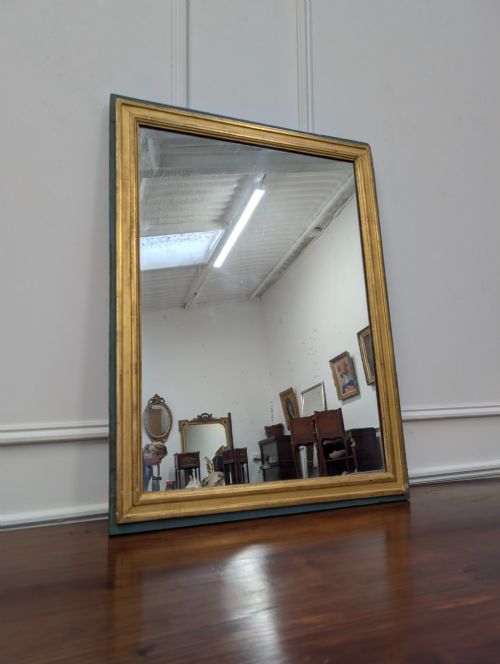
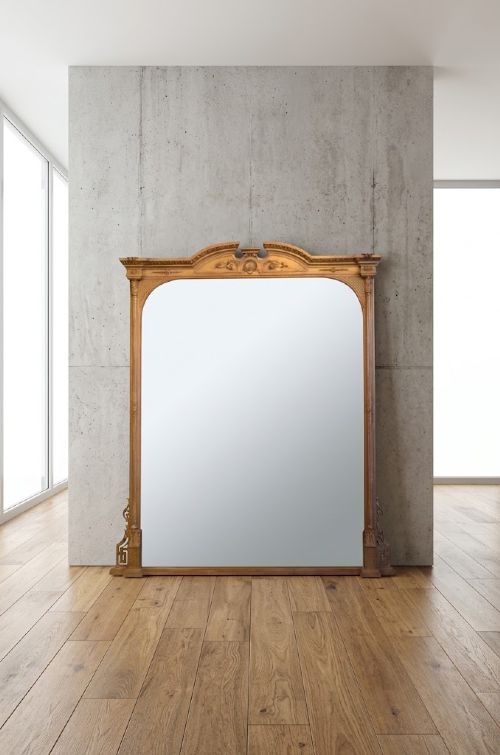
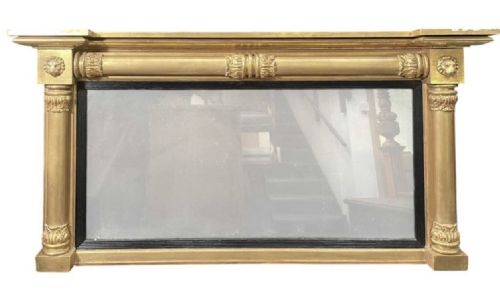
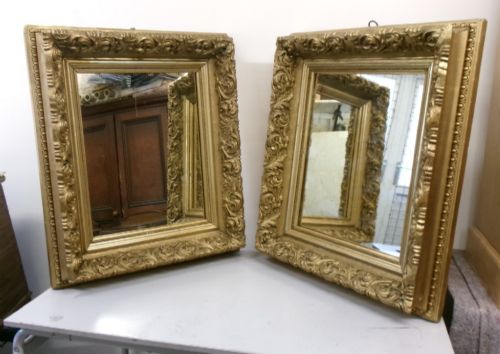
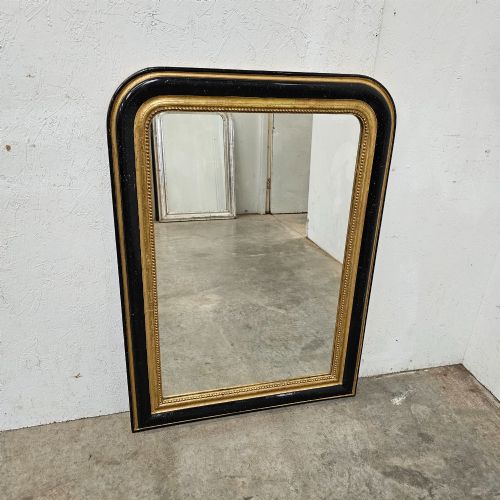
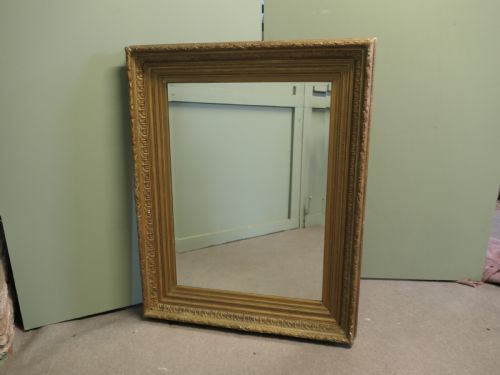


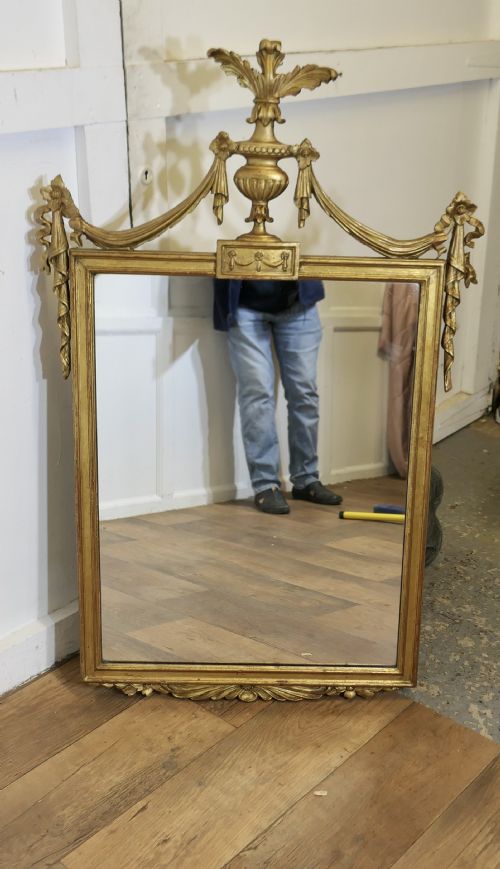


Classic Gilded Overmantel
A classic gilded overmantel brings light and architectural presence to a room, framed in gold leaf to sit grandly above a fireplace.
Classic Gilded Overmantel
A classic gilded overmantel is a large wall mirror designed specifically to hang above a mantelpiece, anchoring the hearth within the room. Buyers seeking this type will find pieces predominantly from the nineteenth century, including specific Victorian and Regency examples.
How they were made
Maker's workshops built the structural frames using timber such as pine and hardwood, applying layers of gesso to create smooth surfaces for carving and gilding. Artisans laid thin sheets of gold leaf over the prepared ground, often burnishing the finish to achieve varied levels of sheen.
Many frames incorporate moulded composition ornament fixed to the wooden carcass to replicate intricate carved detail efficiently. The original mirror glass inside these heavy frames was silvered by hand, resulting in characteristic soft speckling and depth.
Classic Gilded Overmantel Retail Price Guide 2026
Typical asking prices for classic gilded overmantel among the pieces listed under this phrase on Sellingantiques today, from the lower quarter to the upper quarter. They describe what is for sale here now, not the wider market.
What varies in quality
The crispness of the carved wood and the depth of the gesso mouldings set finer examples apart from simpler production pieces. Skilled hand-tooling on the frame creates sharp relief in the acanthus leaves, classical urns, and column capitals.
The integrity of the original gilding and the preservation of the antique mirror plate determine the overall character of the piece. Thick wooden backing boards and robust structural joinery indicate superior workshop construction designed to support heavy glass over time.
The Classic Gilded Overmantel Glossary
- Giltwood
- Wood that has been gilded with gold leaf. This finish provides a warm, reflective surface that mellows gracefully over the centuries.
- Gesso
- A plaster mixture applied to wood frames as a base for carving and gilding. It allows artisans to shape intricate relief ornamentation before applying gold leaf.
- Overmantel
- A mirror or painting designed to fit specifically on the wall above a mantelpiece. These pieces were scaled to command the focal point of the chimney breast.
- Composition
- A moulded mixture of whiting, resin, and oil pressed into ornaments for frames. It offered a practical method for achieving detailed neoclassical decoration.
- Pier glass
- A tall mirror designed to hang on the pier of wall between windows. These mirrors maximise natural light in formal rooms.
Classic Gilded Overmantel: Frequently Asked Questions
Where should an overmantel hang?
These mirrors traditionally anchor the space directly above a fireplace mantelpiece, where their scale balances the hearth below. They also function successfully on large drawing-room walls to reflect light across the room.
Ensure the wall construction and fixings can support the substantial weight of these heavy timber and glass frames.
How do I date a gilded mirror?
Examine the construction of the wooden frame, the composition of the gesso, and the backboards behind the mirror plate. Nineteenth-century pieces often display hand-beveled glass and distinct joinery methods.
Stylistic cues like neoclassical motifs, column frames, or Louis Philippe shapes also point toward specific decades of manufacture.
Are the mirror plates original?
Many antique mirrors retain their original glass, which can exhibit light foxing, minor oxidation, and subtle distortions that prove age. Replacement plates usually look noticeably flatter and lack the soft historical shimmer of nineteenth-century glass.
Check the reverse of the frame to see if the original wooden retaining battens and securing pins remain undisturbed.
How do I clean a giltwood frame?
Dust the carved and gilded surfaces gently with a soft, dry brush to remove particles without disturbing the delicate gold leaf. Avoid liquid cleaners, modern polishes, or abrasive cloths that can strip the historic finish.
Professional conservators should handle any repairs to damaged gesso or worn areas of gilding to preserve the piece.