

Rectangular Gilt Wall Mirror
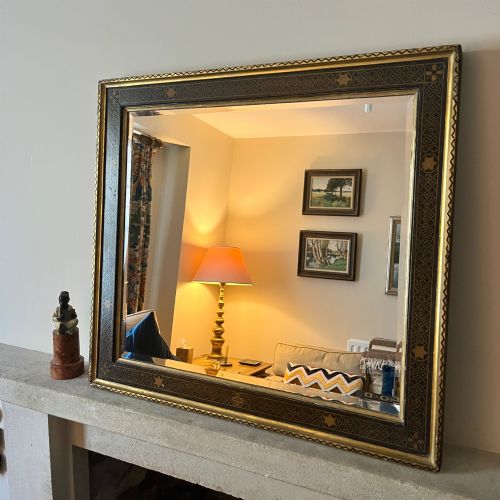
A rectangular gilt wall mirror brings warmth and formal balance to a room, catching the light across carved wooden frames.
Rectangular Gilt Wall Mirror
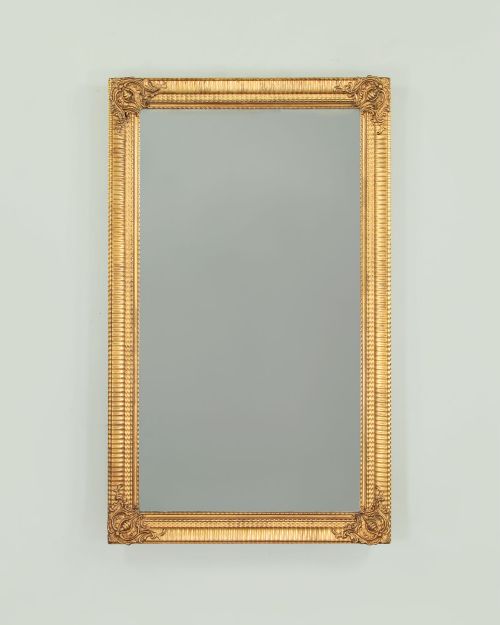
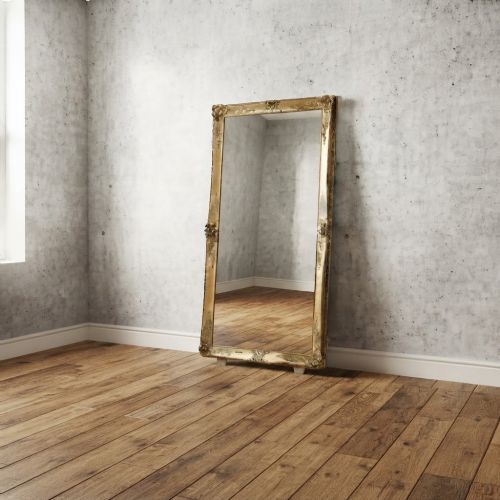
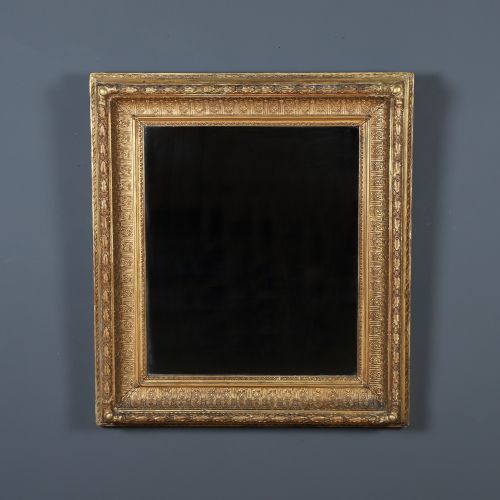
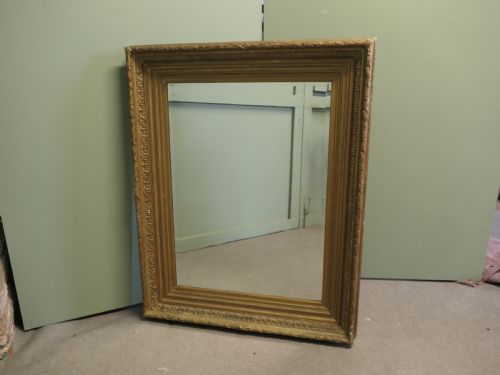
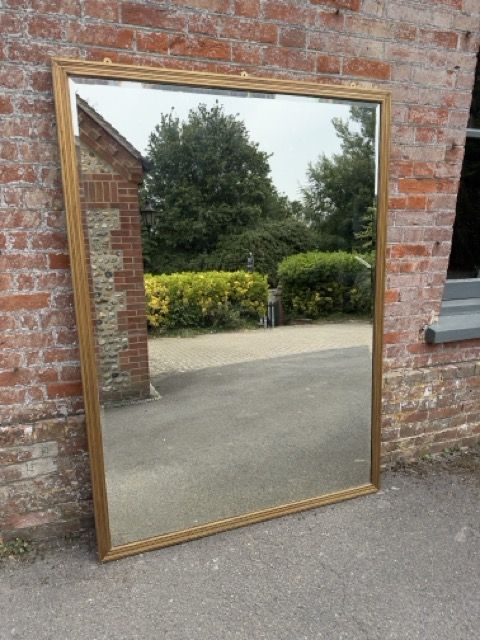
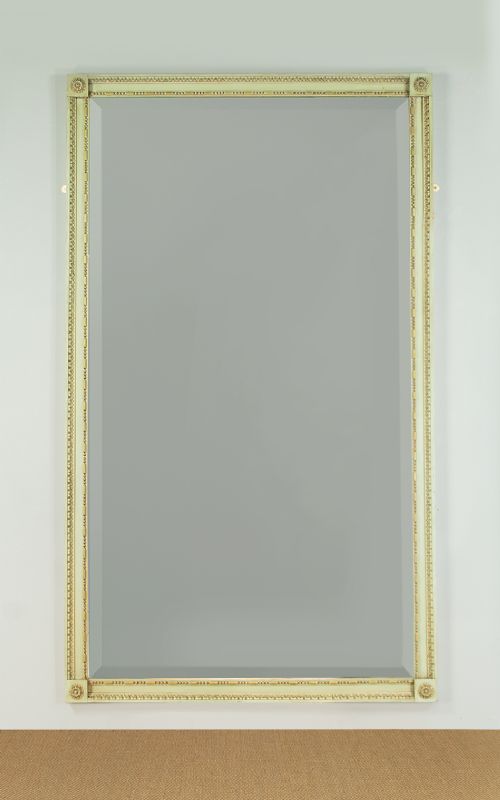
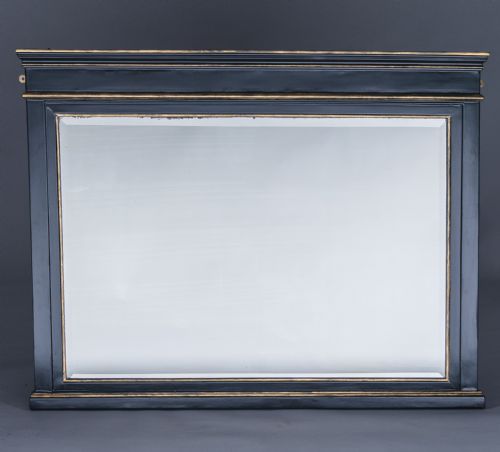
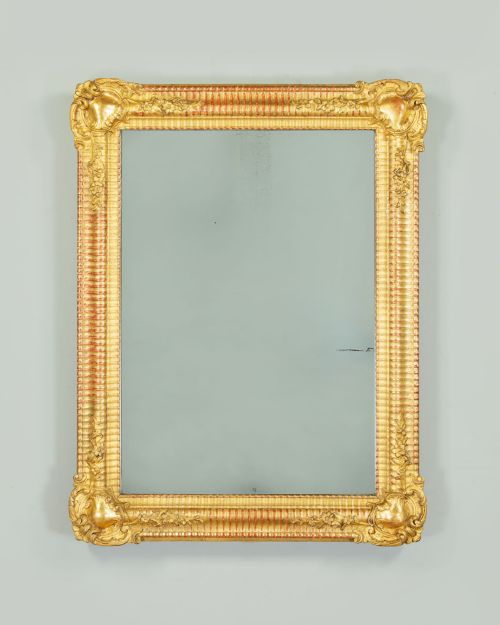
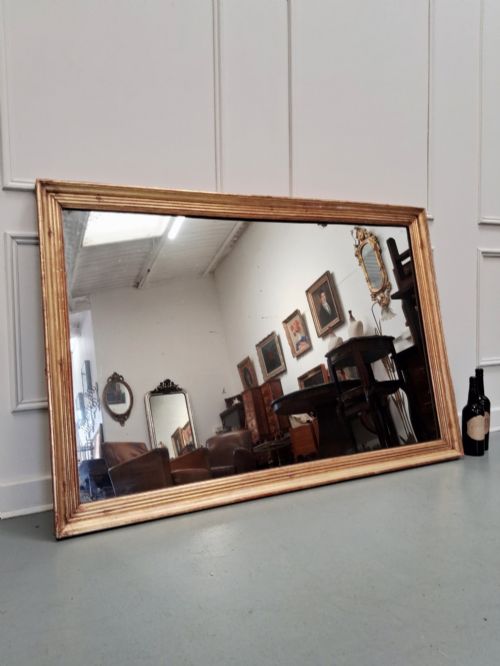
A rectangular gilt wall mirror is typically encountered as a grand overmantel, a tall pier glass, or a decorative wall piece from the nineteenth century. These objects span English country house designs and ornate French chateau styles, ranging from compact hallway mirrors to large leaner formats.
The materials recorded in these listings centre on glass, wood, gesso, and gold leaf, often applied to frames shaped with classical or floral carvings. Many examples show the distinct hand of French and English workshops working in Regency, Victorian, and Edwardian periods.
Materials and construction methods
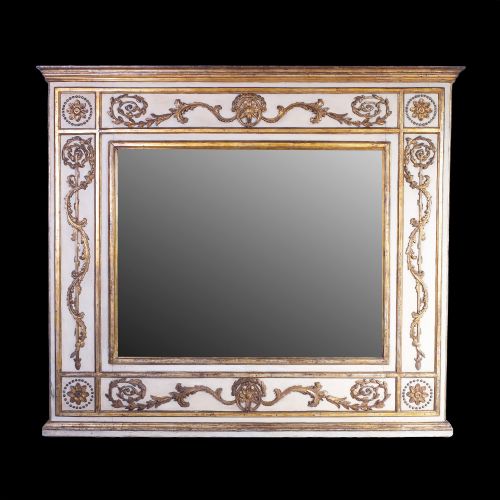
Makers constructed the timber frames using carved wood and applied gesso to build up intricate surface relief before gilding. Gold leaf or oil gilt was then laid over the preparation layers to achieve a metallic sheen.
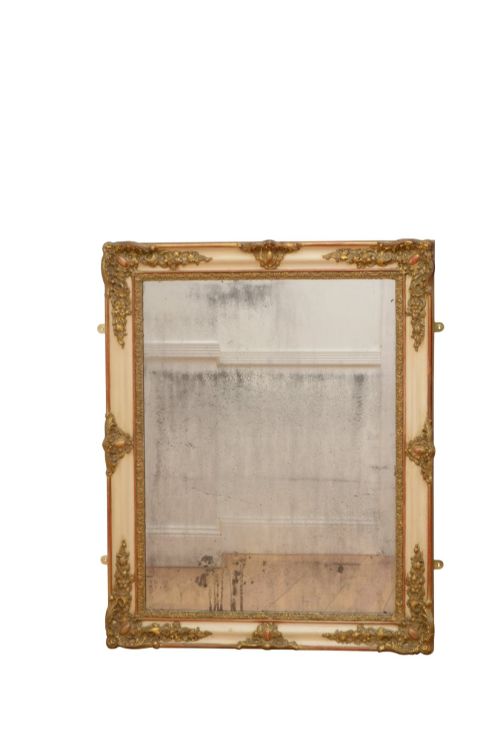
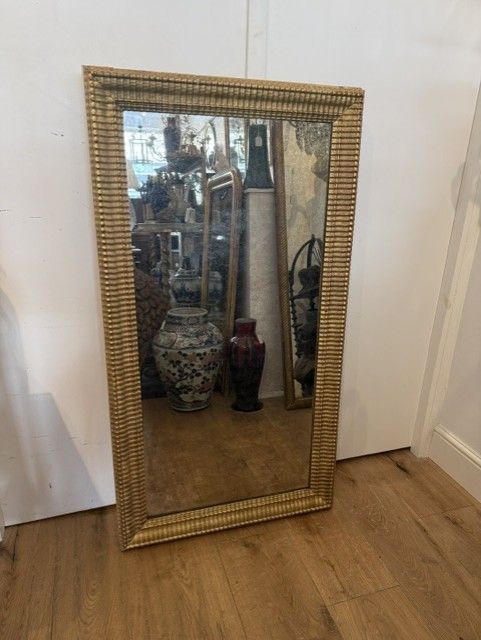
Mirror plates were set into the rebated backs, with some surviving examples retaining original foxed glass while others have received replacement plates over time.
Listings feature eighteenth-century pieces alongside nineteenth-century French chateau designs and Edwardian examples.
Quality and craftsmanship variations
Quality rests in the crispness of the carved floral and mythological details upon the gesso and wood frames. Finer pieces demonstrate deep, undercut relief work rather than shallow moulding.
The proportion of the timber frame relative to the glass plate dictates the visual harmony of the finished piece. Superior examples maintain structural integrity across large overmantel and leaner dimensions without warping.
The Rectangular Gilt Wall Mirror Glossary
- Gesso
- A plaster-like mixture applied to wooden frames as a smooth base for subsequent gilding. This material takes fine carving well before the gold leaf is laid.
- Giltwood
- Timber that has been coated with gold leaf or metallic paint. It forms the primary golden structure of these mirrors.
- Overmantel mirror
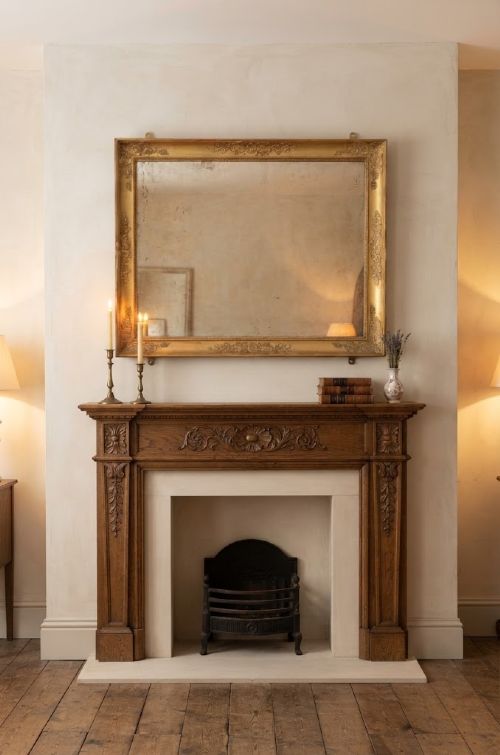
- A large horizontal mirror designed to sit directly above a fireplace mantelpiece. These pieces often feature extended rectangular proportions to fill chimney breast walls.
- Foxed plate
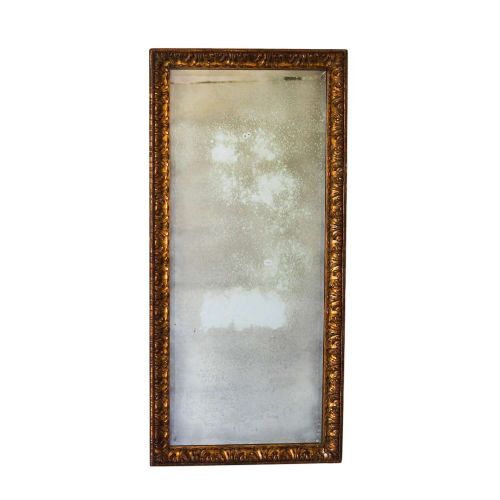
- Mirror glass displaying dark spots and age-related oxidation. Collectors often value this characteristic as a sign of genuine nineteenth-century age.
- Pier mirror
- A tall narrow mirror made to hang on the wall space between windows. They frequently incorporate classical architectural motifs.
Rectangular Gilt Wall Mirror: Frequently Asked Questions
How do I hang a heavy gilt overmantel mirror safely?
Large overmantel mirrors require robust wall fixings secured directly into masonry or structural studs rather than plaster alone. Due to the combined weight of the timber frame and thick glass plate, professional installation is strongly recommended.
Distributing the load across dual hanging points ensures the frame remains stable and prevents the weight from pulling on the original antique structure.
What is the difference between an overmantel and a pier mirror?
Overmantel mirrors are wide horizontal formats built to sit above fireplace surrounds and anchor a room's main wall. Pier mirrors are tall and narrow, specifically designed for the wall space between windows.
Both utilise rectangular gilt frames, but their proportions reflect the architectural niches they were originally commissioned to occupy.
Does original foxed glass affect the value?
Original mirror plates with foxing and age spots are generally preferred by collectors because they confirm the piece retains its authentic historical glass. While modern replacement glass offers a clearer reflection, aged plates contribute to the character and visual depth of nineteenth-century pieces.
Many buyers specifically seek out mirrors that retain their characteristic mottled patina.