
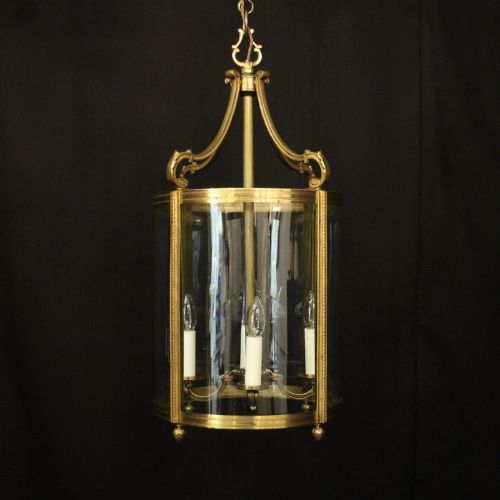
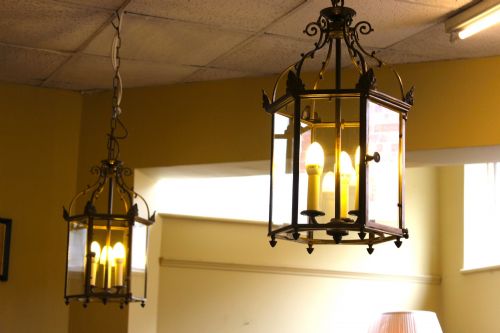


Classic Brass Lantern
These classic brass lantern examples bring enduring illumination and period character to halls and rooms.
Classic Brass Lantern
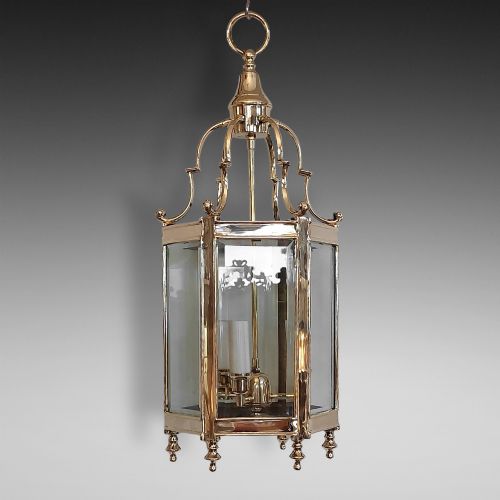
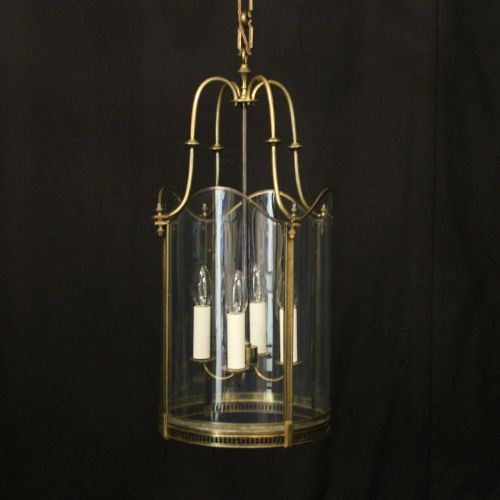
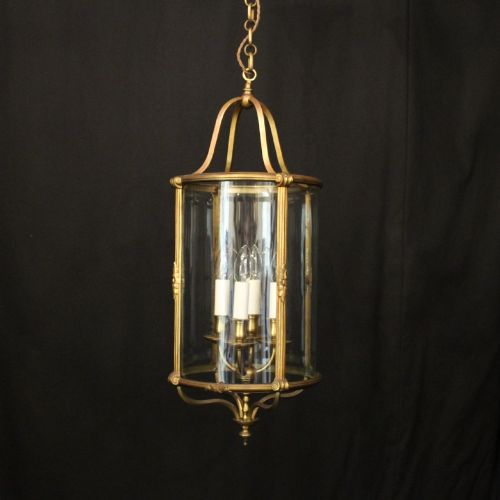
A classic brass lantern serves as an overhead or wall-mounted light fixture designed to bring functional illumination and architectural presence to hallways, reception rooms, and stairwells. These pieces rely on metal frames and glass panels to enclose a light source, creating a distinct focal point in a space.
Most items on this page originate from the Edwardian era, the early twentieth century, and the nineteenth century, reflecting historical design preferences. Buyers frequently encounter French models displaying styles such as Louis XVI, Rococo, Neoclassical, and Chateau alongside Edwardian and Gothic Revival examples.
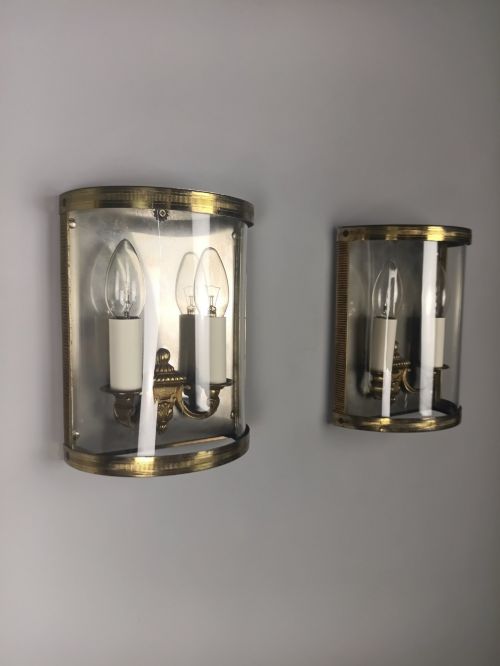
Forms span hanging ceiling lights, pendant lighting, hall lanterns, and wall lights, often configured with single lights or multiple bulbs. Hexagonal, oval, and convex shapes dominate the selection, providing versatile options for different architectural scales and ceiling heights.
Materials and construction
Makers constructed these fixtures primarily from brass, gilt bronze, bronze, and steel, frequently combining metals with glass and frosted glass panels. Gilt finishes and patinated surfaces appear widely across French and British examples, lending depth to the metalwork.
Individual frames utilise cast metal and formed brass sections soldered or screwed together to house the glazed panes securely. The glass panels themselves range from flat panes to curved convex shapes designed to soften and diffuse the internal light.
Period origins on this page range from nineteenth-century examples to pieces from the 1930s.
Distinctions in quality
Quality rests upon the crispness of the metal casting and the weight of the bronze or brass used in the frame. Heavier gauges of metal and finely chased details separate standard utility lighting from more ambitious decorative commissions.
The sophistication of the glasswork also dictates the grade of the piece, particularly where convex or beveled panels require specialist manufacturing techniques. Intricate stylistic elements such as gilt bronze mounts and integrated multiple light clusters indicate higher tier production.
The Classic Brass Lantern Glossary
- Convex glass
- Curved glass panels that project outward to diffuse light across a wider angle. This type of glazing appears frequently in antique hall lanterns.
- Gilt bronze
- Bronze metal treated with a thin layer of gold or gold-coloured alloy to give a rich surface finish. It is often found on French decorative pieces from the nineteenth and early twentieth centuries.
- Hall lantern
- A hanging light fixture specifically proportioned for narrow spaces and entrance hallways. These fixtures provide vertical illumination while preserving headroom.
- Gothic Revival
- An architectural and decorative style drawing on medieval ecclesiastical forms. Pieces in this idiom feature pointed arches and geometric tracery.
- Louis XVI style
- A neoclassical French design movement characterised by straight lines, symmetry, and classical motifs. The style emphasises restraint and classical proportions.
Classic Brass Lantern: Frequently Asked Questions
Where should I hang a hall lantern?
These fixtures suit entrance halls, corridors, and high-ceilinged landings where they provide an immediate focal point upon entry. Their vertical proportions make them well suited for transitional spaces that require concentrated overhead illumination.
Ensure adequate clearance beneath the fixture so that doors swing freely and people pass underneath without obstruction. Hanging height should balance the scale of the room against the drop of the chain or suspension rod.
How do I identify an Edwardian lantern?
Edwardian examples typically exhibit cleaner lines and lighter proportions compared to heavy Victorian predecessors. They often draw on earlier revival idioms while maintaining a brighter, less cluttered aesthetic suited to spacious early twentieth-century homes.
Materials commonly include polished brass and clear glass arranged in geometric formats such as hexagons or ovals. Examining the construction fastenings and wiring conduits helps confirm the period of manufacture.
Are these lanterns suitable for modern wiring?
Most antique lighting accommodates contemporary electrical components with professional rewiring. Electric lamp holders fit inside the historical frames to meet current safety standards.
Consult a qualified electrician to inspect the internal wiring and ensure compatibility with modern domestic circuits. Existing suspension points must also support the physical weight of the metal and glass assembly.
What is the difference between bronze and brass?
Brass is an alloy of copper and zinc, yielding a bright golden tone when polished. Bronze is an alloy of copper and tin, producing a darker, warmer metallic appearance that develops a deep patina over time.
Both metals served widely in period lighting, sometimes with added gilt surface treatments. The choice of metal often reflects the manufacturing traditions of French workshops versus British makers.