
Brass Lantern Light Fixture
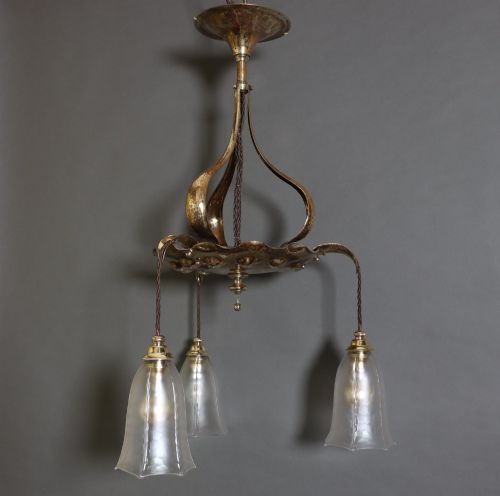
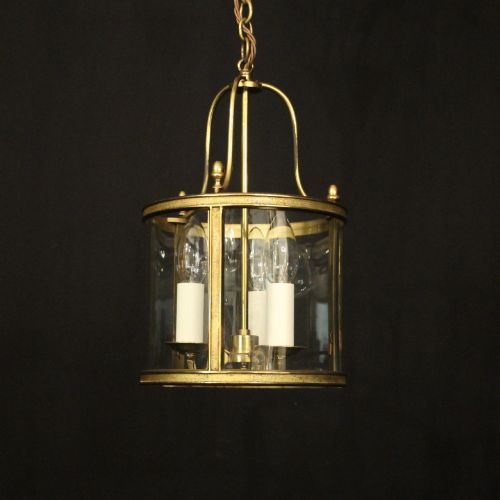
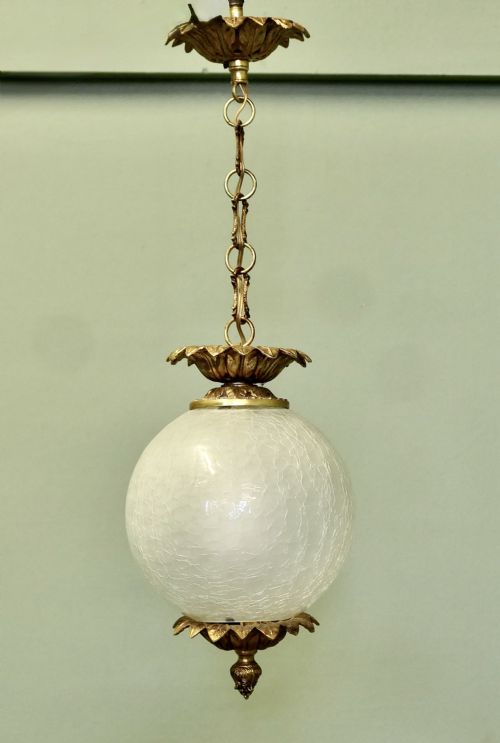
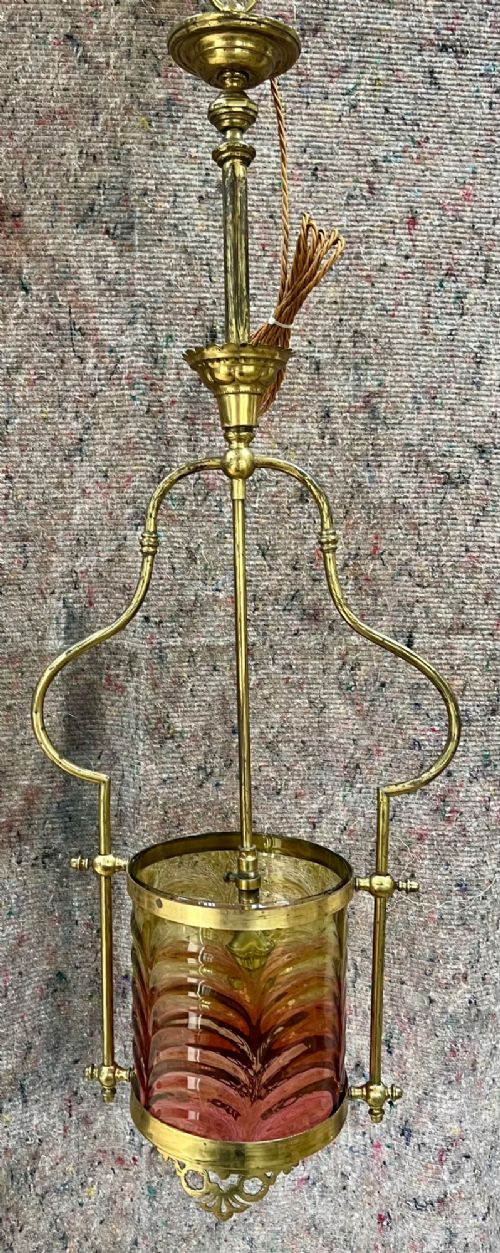
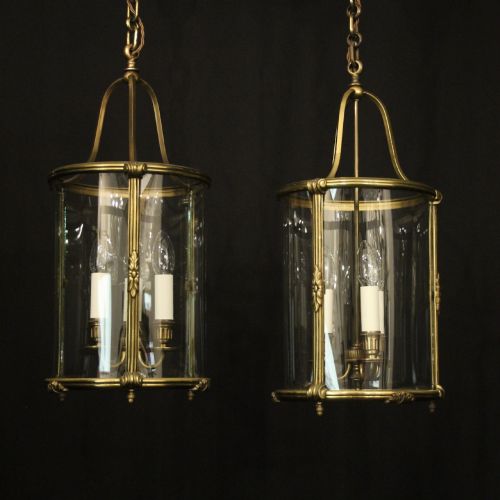
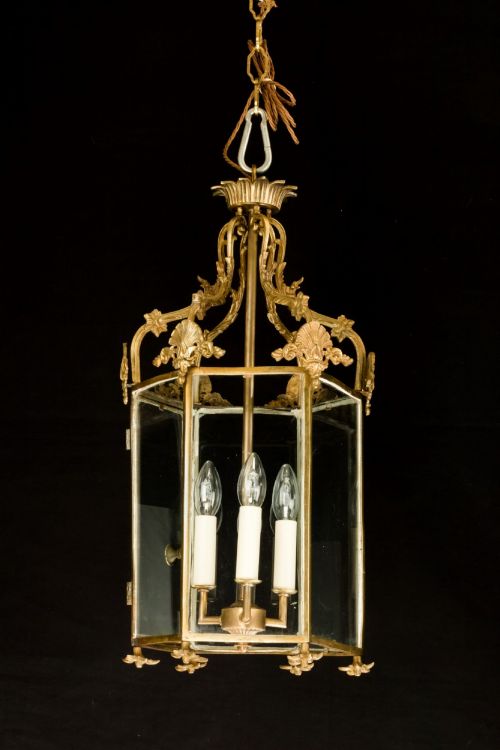
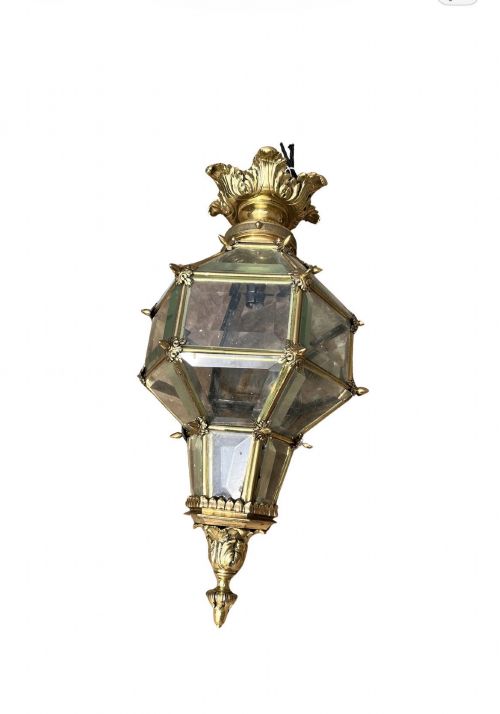
A brass lantern light fixture brings immediate period character and bright illumination to a hallway or entrance, drawing the eye upwards with metallic and glass brilliance.
Brass Lantern Light Fixture
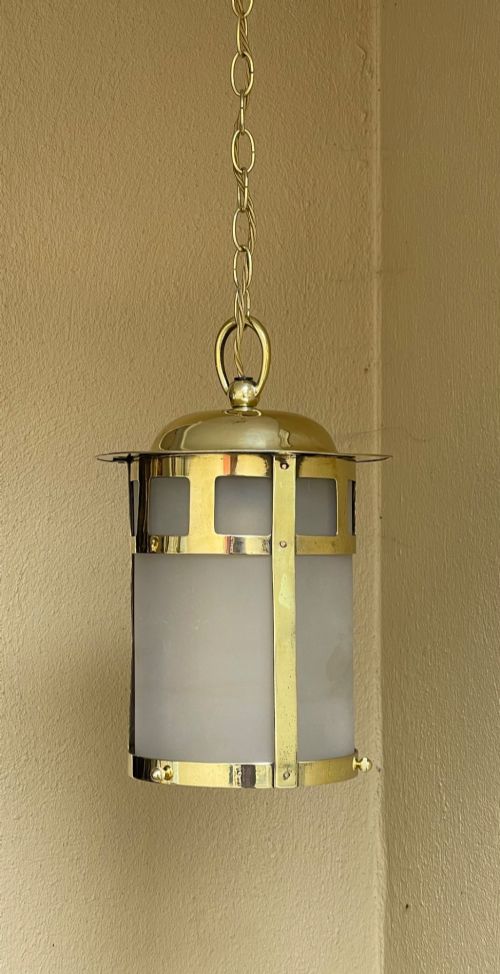
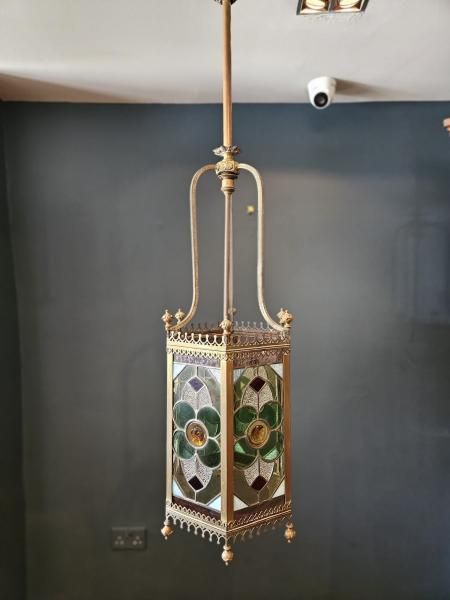
When searching for a brass lantern light fixture, you encounter a variety of forms designed to illuminate halls, porches, and high-ceilinged rooms. The pieces appearing here span from the Victorian and Edwardian eras into the early twentieth century, reflecting distinct domestic lighting needs of those periods.
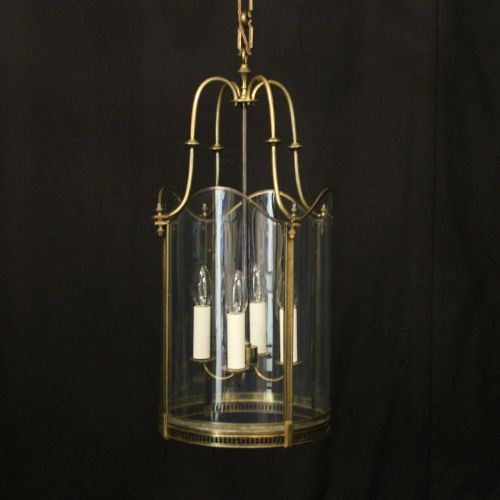
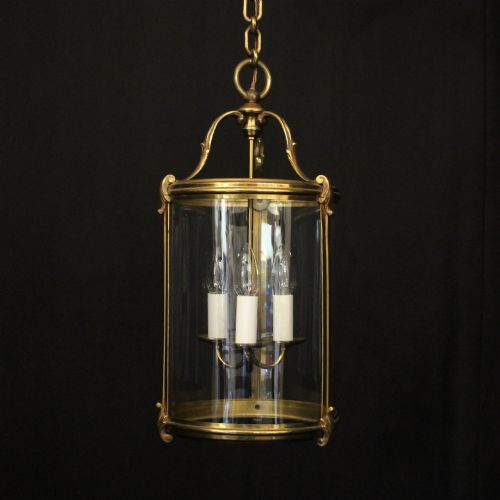
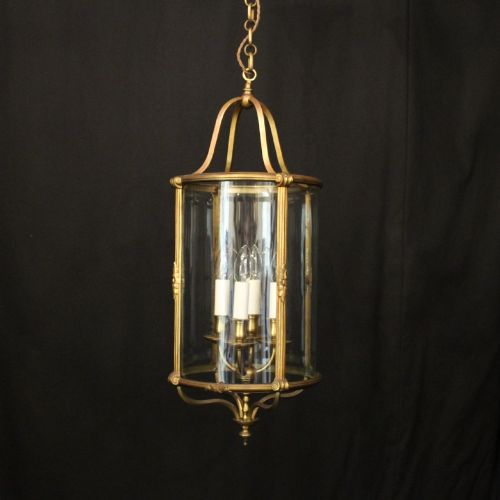
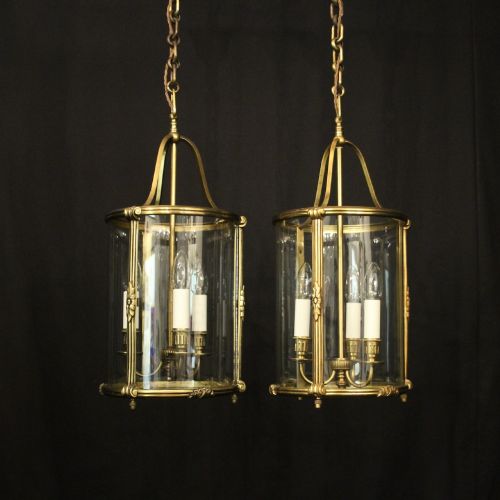
You are most likely to meet French hall lanterns featuring gilded bronze or brass frames, often housing convex or bevelled glass panels. Alongside these, English examples from the nineteenth century and Arts and Crafts pieces offer robust construction and simpler geometric lines.
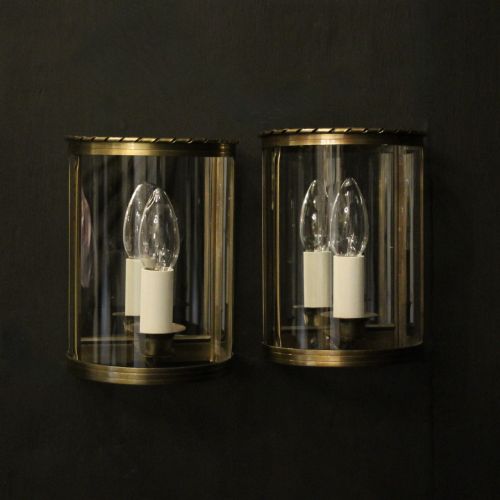
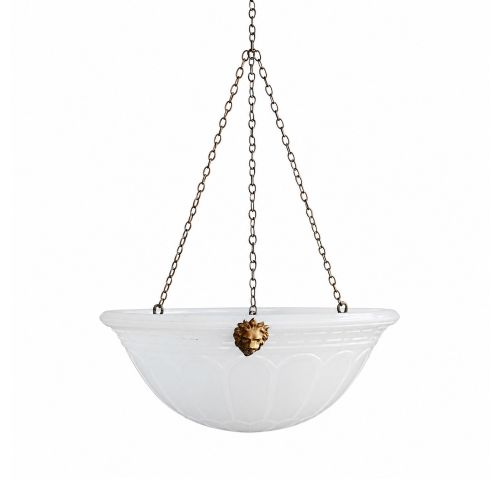
The objects take several shapes, including hanging lanterns, pendant lights, and wall sconces. Many utilise frames of brass, gilt bronze, or copper paired with clear, leaded, or coloured glass to diffuse light effectively.
How they were made
Makers constructed these fixtures primarily from cast and sheet brass, gilt bronze, and copper, often combining metalwork with glass panels to enclose the light source. Frames were frequently gilded, cast with classical motifs, or pierced to allow light to spill through decorative patterns.
Glass components range from plain bevelled and convex panes to leaded stained glass, opaline glass, and cut glass prisms. Artisans secured these panels within metal frameworks using traditional lead cames, glazing bars, or delicate metal tabs.
Wiring and electrification methods reflect the period of manufacture, with many surviving examples subsequently adapted for modern electrical standards while retaining their original metal and glass bodies.
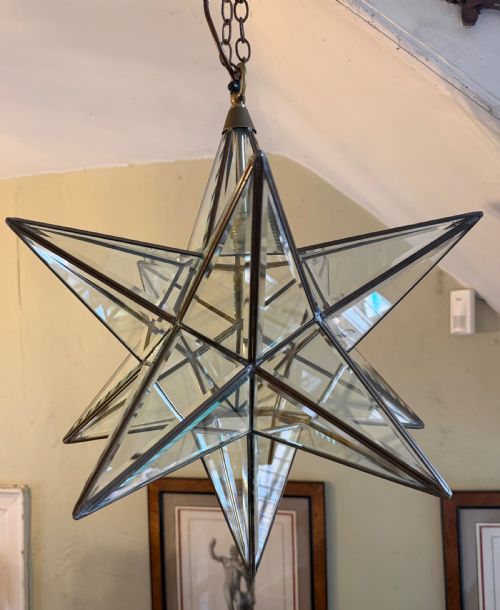
Several pieces feature multi-point star shapes and Moravian designs, bringing a touch of celestial geometry directly into the hallway.
What varies in quality
The distinction between ordinary and exceptional examples lies largely in the weight and crispness of the metal casting. Heavier gauge brass and finely chased gilt bronze display sharper architectural detail and greater structural integrity over time.
Glass selection significantly influences the character of a piece, with bevelled, convex, or heavily cut panes creating superior light refraction compared to flat, plain glass. Original glass panels preserved intact add substantial authenticity.
Cohesion of style also defines the better pieces, whether adhering strictly to French Neoclassical, Art Deco, or Arts and Crafts principles. The harmony between the metal frame, the hanging mechanism, and the glass determines the visual success of the fixture.
Perry And Co
The Brass Lantern Light Fixture Glossary
- Convex glass
- Curved glass panels that project outward to soften and disperse illumination from within the lantern frame. They frequently appear on French hall lanterns from the early twentieth century.
- Gilt bronze
- Bronze metal treated with a thin layer of gold or gold-coloured alloy to impart a rich, reflective surface. It is often found on high-status French neoclassical and period lighting.
- Leaded glass
- Small panes of glass held together by strips of lead called cames, forming geometric or decorative patterns. This technique is typical of Arts and Crafts and Victorian fixtures.
- Hall lantern
- A ceiling-hung lighting fixture specifically scaled and shaped for corridors, vestibules, and entrance halls. They provide focused vertical illumination.
- Prism
- A cut glass pendant or droplet designed to refract light and increase brilliance within a chandelier or hanging lantern. They are common in nineteenth-century and Edwardian lighting.
Brass Lantern Light Fixture: Frequently Asked Questions
How do I hang a heavy brass lantern?
Hanging a heavy fixture requires securing the mounting directly into ceiling joists or using a robust ceiling hook rated for the weight of bronze and glass. Professional installation ensures the electrical junction box supports the load safely.
Ensure the hanging chain and suspension loop match the drop height needed for your hallway or ceiling proportions. Adjusting the chain links allows the lantern to hang level and at the correct focal point in the room.
Are these lanterns suitable for modern wiring?
Most surviving period lanterns are adapted to accept modern electrical components and standard bulb fittings. Electricians can easily rewire the interior while preserving the exterior metal and glass structure.
Retaining the original aesthetic while meeting current safety standards ensures the fixture functions reliably in a contemporary home. Low-heat LED bulbs work well inside enclosed glass lanterns.
How do I clean an antique brass lantern?
Dust the metal framework and glass panels gently with a soft, dry cloth to prevent the accumulation of grime. Avoid harsh chemical cleaners that can strip original patination or gilding from the brass and bronze surfaces.
Glass panels can be carefully removed if necessary and cleaned with mild soapy water before being dried and resecured. Regular, gentle maintenance preserves the historic surface finish.
What rooms suit a hall lantern?
Hall lanterns work best in entrance spaces, stairwells, and corridors where vertical proportions allow the fixture to hang freely. Their enclosed design directs light downward while casting a warm glow through the glass panels.
They also suit high-ceilinged kitchens, boot rooms, or garden porches needing robust overhead illumination. The style of the frame dictates whether it complements a formal period interior or a simpler rustic space.
How do I tell Victorian from Edwardian lanterns?
Victorian lanterns frequently feature heavier cast bronze or brass work with ornate detailing, rich patination, and coloured or opaline glass. Their design vocabulary draws heavily on historic revival styles. C