
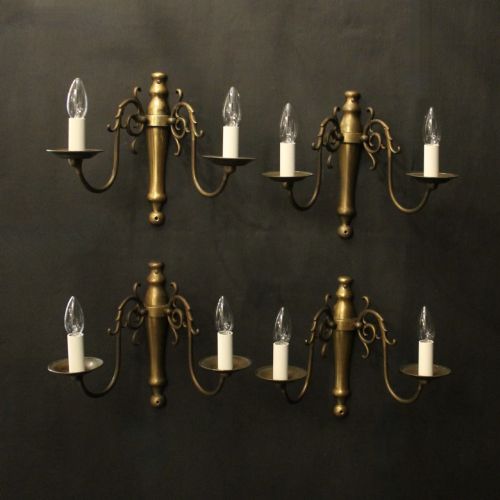
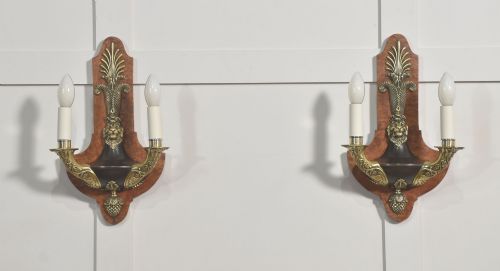
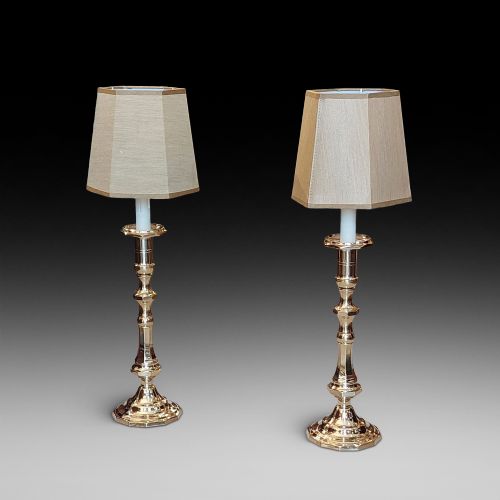
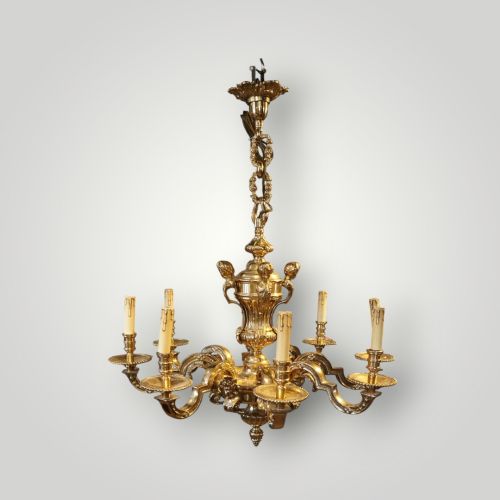

Classic Brass Lamps
Classic brass lamps bring warm metal tones and enduring historical design into a room, spanning modest reading lights to grand chandeliers.
Classic Brass Lamps
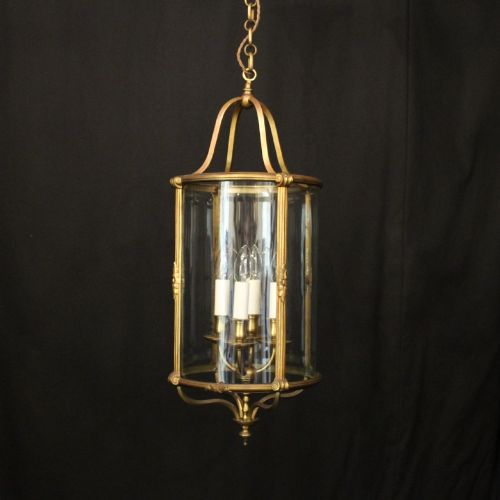
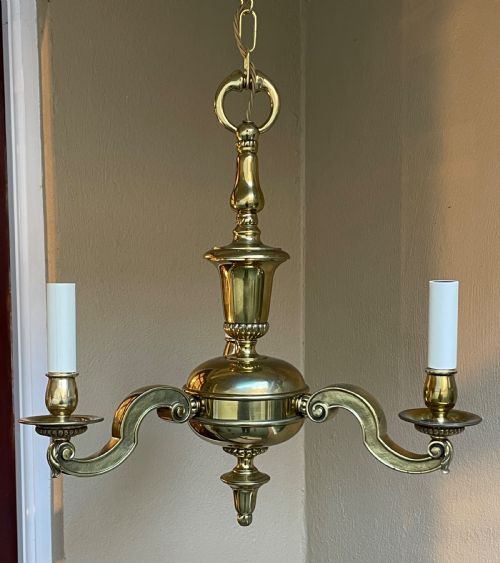
Classic brass lamps encompass a broad range of interior lighting forms, including table lamps, floor standards, wall lights, and multi-branched chandeliers produced across the nineteenth and early twentieth centuries. When searching for classic brass lamps, buyers frequently encounter Victorian oil lamps, Edwardian reading lights, and adjustable floor-standing models originating from English and French workshops.
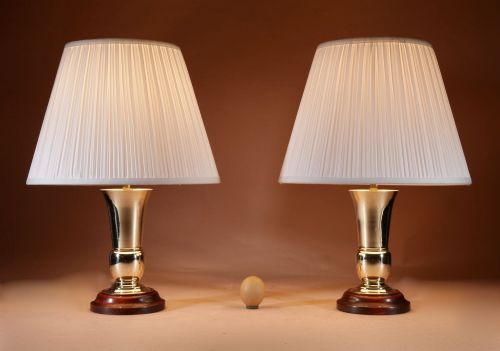
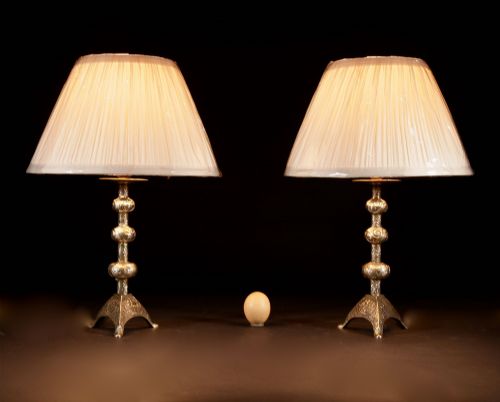
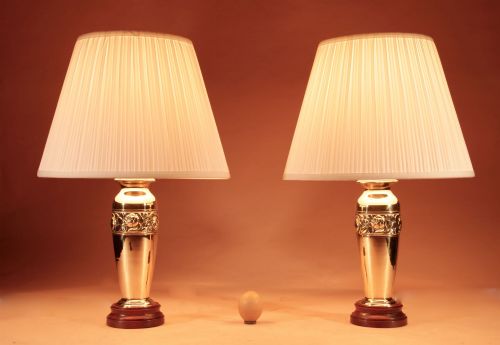
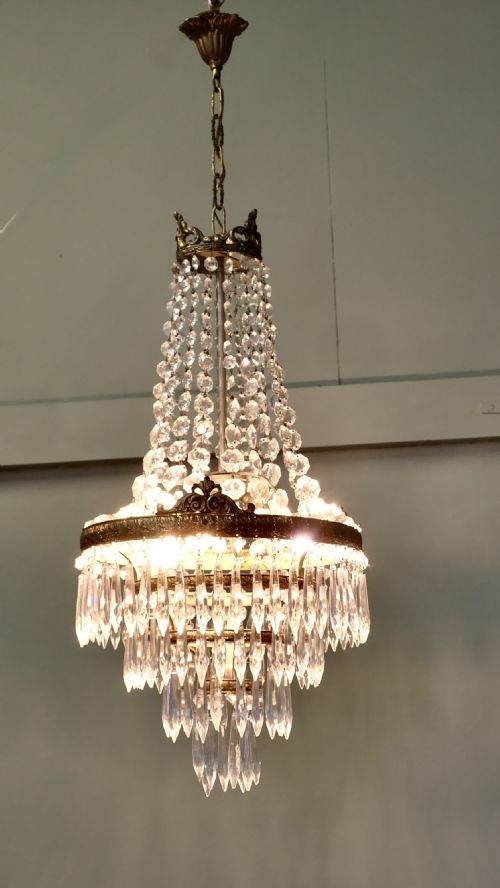
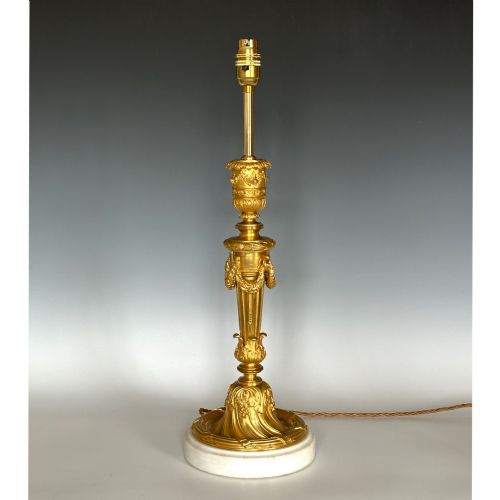
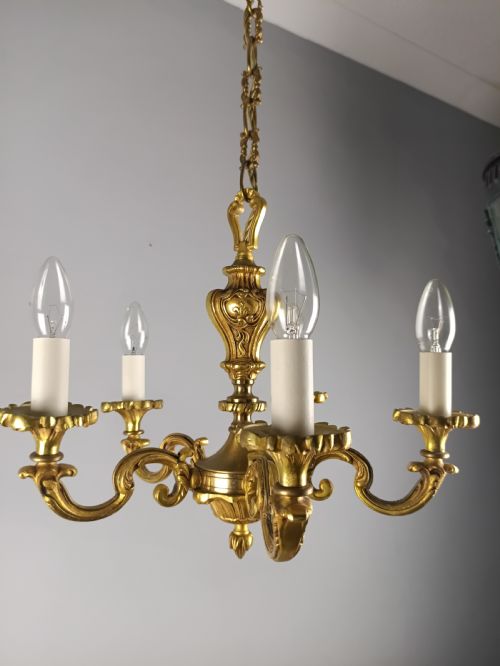
The material vocabulary of these pieces extends beyond standard brass to incorporate related copper, bronze, gilt bronze, ormolu, and silvered metals, frequently paired with fabric shades, crystal drops, or glass components. Surviving examples often display distinct historical revivals, ranging from stark neoclassical columns and Romanesque motifs to French Empire and Art Deco profiles.
Materials and construction methods
Makers utilised cast, spun, and sheet brass alongside bronze and gilt metal, employing manual lathe work and detailed foundry casting to shape structural columns, urn bodies, and ornate branching arms. Many surviving pieces began life as oil lamps or household candlesticks before undergoing later conversion to electricity.
Decorative surfaces gained texture through chased detailing, applied ormolu, silver gilding, or patination, while functional elements like adjustable standard columns incorporated threaded keys and weighted metal bases for stability.
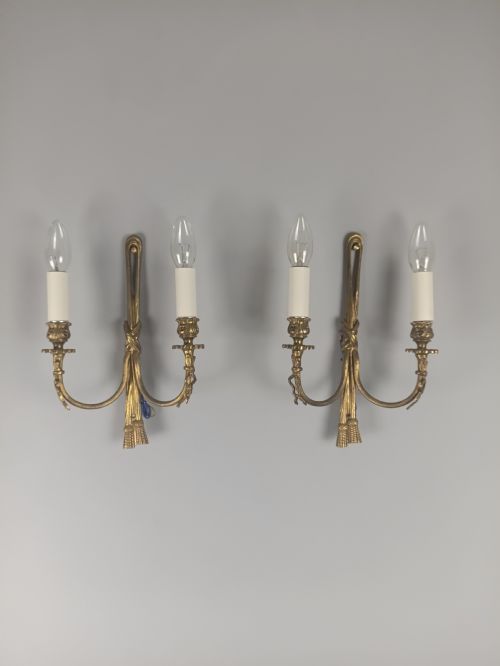
Listings feature periods spanning from the Victorian era through the 1930s, using materials like gilt bronze, fabric, and solid brass.
Distinctions in quality and execution
Superior examples separate themselves through the crispness of their cast metal ornamentation, the thickness and heft of the solid brass or bronze components, and the refinement of hand-chased surface details. Lesser pieces rely on simpler stamped sheet metal or lightweight construction with minimal decorative depth.
The integrity of a piece also depends on the preservation of its original patination, the correct proportions of its structural components like Corinthian capitals or column shafts, and the quality of integration when older candlesticks or oil lamps received electrical conversions.
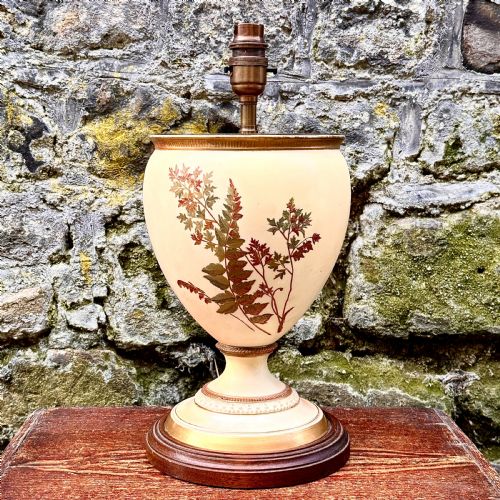
Faraday & Sons·Royal Worcester
The Classic Brass Lamps Glossary
- Ormolu
- Gilded bronze applied to furniture and lighting mounts, popular in French neoclassical and Empire designs. This technique involves amalgamating gold with mercury over a bronze base.
- Bouillotte
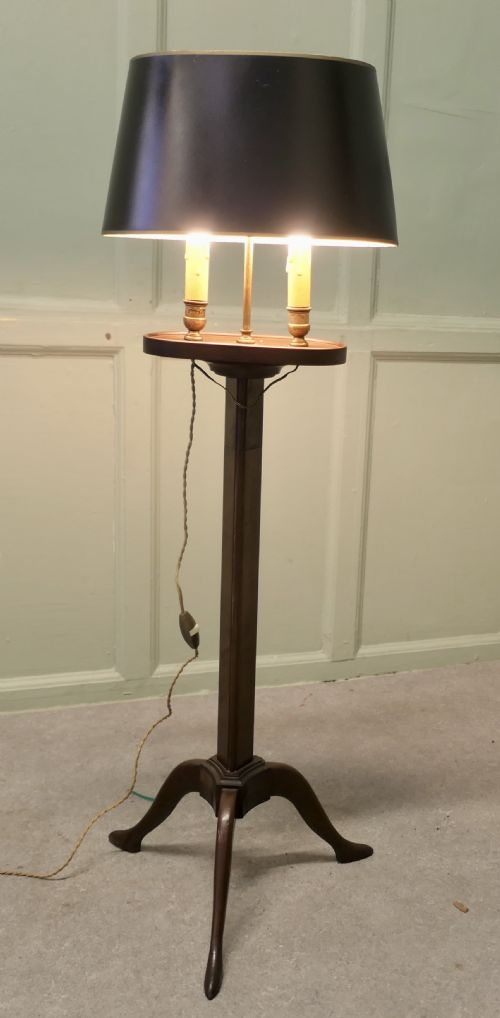
- A traditional adjustable table lamp featuring a central metal shade and twin or triple burner arms. Originally designed for card games, it typically combines a toleware or metal shade with a brass basin base.
- Corinthian column
- A classical architectural order featuring an ornate capital decorated with acanthus leaves. This form frequently translates into tall floor and table lamp standards from the Victorian period.
- Grand Tour
- The nineteenth-century practice of affluent travellers collecting classical antiquities and souvenirs across Europe. Pieces in this taste often take the form of miniature architectural bronzes and classical vases.
- Patination
- The natural surface change, darkening, or mellowing that metals develop over decades of handling and exposure to air. Original patination is valued by collectors for showing genuine age.
Classic Brass Lamps: Frequently Asked Questions
How do I date an antique brass lamp?
Dating relies on examining the manufacturing techniques, such as hand-cut threads, cast construction versus stamped parts, and the style of the base and switch mechanism. Victorian and Edwardian examples often display heavier cast components and specific historical revival motifs.
Changes in wiring methods, plug types, and the presence of burner fittings that predate electrical conversion also help establish a reliable timeline for the piece.
Were these lamps originally electric?
Many older examples started life as oil lamps, paraffin burners, or household candlesticks before being converted to electricity during twentieth-century modernization.
Signs of conversion include adapted burners, rerouted internal wiring channels, and weighted bases added to support modern cord weights.
How do I care for antique brass surfaces?
Maintaining antique brass requires gentle dusting with a soft cloth to prevent grime accumulation without stripping away the historic surface patina. Aggressive chemical polishes should be avoided because they remove the aged character that collectors value.
If cleaning is necessary, mild soap and water applied sparingly work best, followed by thorough drying to prevent spotting.
What is a bouillotte lamp used for?
Bouillotte lamps were originally designed as adjustable desk or table lights for evening card games, featuring a central shade that could be lowered as the candles burned down. Today, they serve as elegant task or accent lights on side tables and desks.
The adjustable metal or tole shade directs light downwards while protecting the eyes.