


Dark Shade Lamps
Dark shade lamps bring subdued illumination and distinct period character into a room, spanning Victorian brass to Art Deco chrome.
Dark Shade Lamps
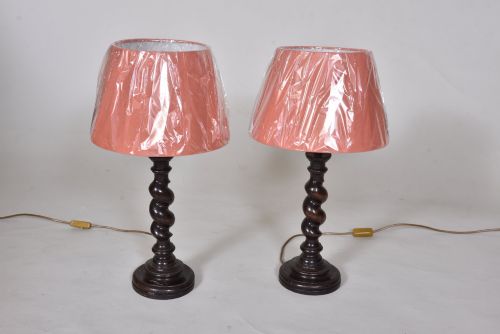
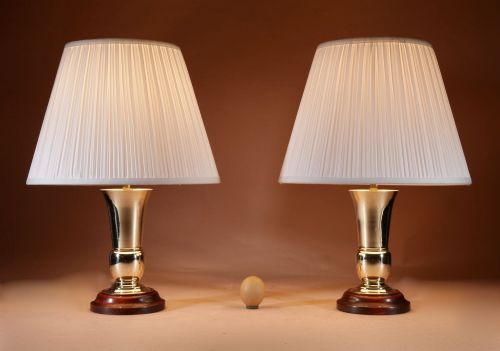
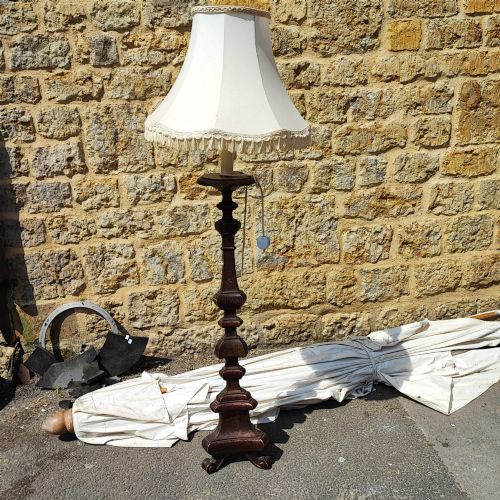
Dark shade lamps encompass table lamps, floor lamps, desk lamps, and standard lamps originating from periods spanning the nineteenth century through the early decades of the twentieth century. These pieces appear in diverse styles such as Victorian, Edwardian, Art Nouveau, Art Deco, and French Neoclassical, reflecting varied domestic lighting needs over time.
The selection on this page relies heavily on forms produced in the 1900s, 1920s, and 1930s, alongside nineteenth-century examples. Buyers encounter standard lamps, bouillotte desk lamps, and figural table lamps designed to cast directed, intimate illumination rather than bright ambient light.
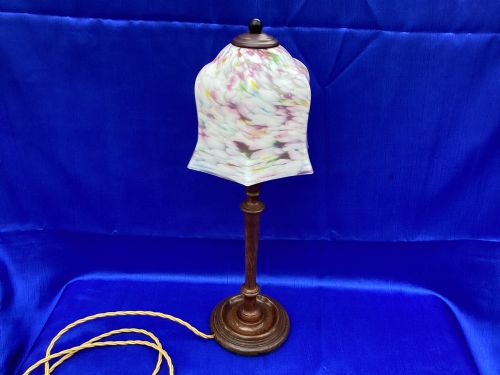
Materials range from carved oak and mahogany to patinated bronze, brass, spelter, and white metal. Many pieces incorporate specialised elements like glass shades, toleware, or fabric to temper the output of the bulb and create darker, more atmospheric pools of light.
Materials and construction
Metal components utilise cast brass, bronze, and spelter, often finished with patination or gilding to achieve deep surface tones. Makers shaped these metals into complex figural bases, classical columns, and ornate structural frames.
Woodworking traditions feature prominently in the oak and mahogany pieces, utilising turned timber, fretwork, and intricate carving such as Hoshiarpur inlay or rootwood figures. These wooden shafts provide solid structural support for heavier lighting assemblies.
Shade construction combines materials like frosted glass, green toleware, shell, and fabric to control light diffusion. Combined with weighted metal bases or wooden platforms, these elements ensured stability and balanced proportions.
Listings on this page span the 17th century to the 1930s, featuring materials from heavy bronze and carved oak to delicate frosted glass.
Assessing craftsmanship
Quality reveals itself in the crispness of the casting and the depth of the metal patination. Fine bronze or brass pieces display sharply defined details in figural elements and foliage, whereas lesser examples show softer, blurred contours from worn moulds.
The integrity of the construction distinguishes standard production from superior workshop output. Well-made wooden and metal lamps maintain rigid vertical alignment, secure joints, and carefully integrated wiring channels that preserve the original silhouette.
Originality of components elevates a piece, particularly when matching shades, such as specialised glass or toleware, remain intact with the base. Replacement shades or altered fittings change the visual balance intended by the original maker.
The Dark Shade Lamps Glossary
- Spelter
- A zinc alloy commonly utilised as a less costly alternative to bronze for figural lamp bases during the nineteenth and early twentieth centuries. It accepts patination and metallic finishes well.
- Bouillotte lamp
- A traditional adjustable desk or table lamp featuring a central column, multiple candle-style arms, and a distinctive toleware or metal shade that moves up and down the shaft.
- Standard lamp
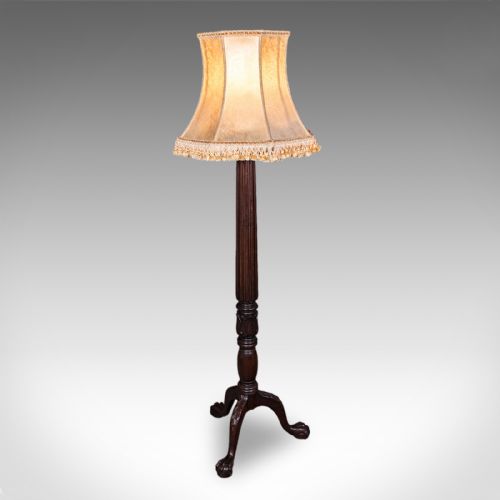
- A tall floor-standing lamp designed to illuminate a room from a corner or beside seating furniture. These pieces frequently date from the Victorian and Edwardian periods onward.
- Toleware
- Painted or lacquered sheet metal, frequently utilised for lamp shades and desk accessories. It provides a durable surface with a dark, uniform colour finish.
Dark Shade Lamps: Frequently Asked Questions
Where should I place a standard lamp?
Standard lamps function well in corners of living spaces or beside reading chairs where they provide directed illumination without overwhelming the room.
Because many vintage examples feature heavy brass, bronze, or wooden bases, ensure the floor surface is level and stable to support their height.
How do I clean patinated bronze bases?
Dust bronze and brass surfaces gently with a soft, dry cloth to remove surface particles without disturbing the aged metal finish.
Avoid chemical polishes or abrasive cleaners, which strip away the historic patination accumulated over decades of use.
Can these old lamps take modern bulbs?
Many vintage lamps accommodate modern LED or standard bulbs, provided the internal wiring and bulb holders meet current safety standards.
It is advisable to have a qualified electrician inspect older wiring before regular use to ensure the lamp operates safely.
What defines an Art Deco lamp?
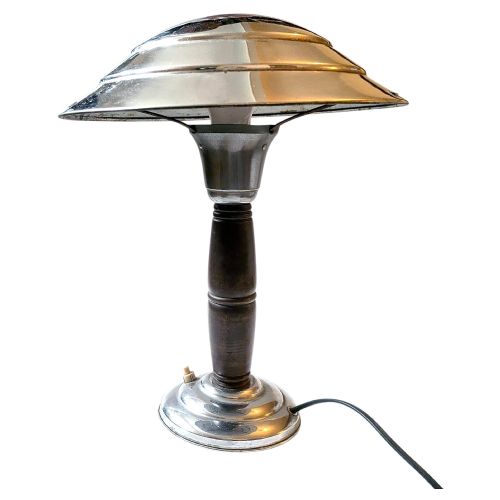
Art Deco lighting relies on streamlined geometric forms, machined metals like chrome, and symmetrical patterns that emerged strongly during the 1920s and 1930s.
These pieces contrast sharply with the organic, flowing plant motifs characteristic of earlier Art Nouveau designs.