
Brass Bedside Lamps
Brass bedside lamps bring warm metallic lustre and period character to a room, offering functional illumination alongside decorative presence.
What brass bedside lamps are
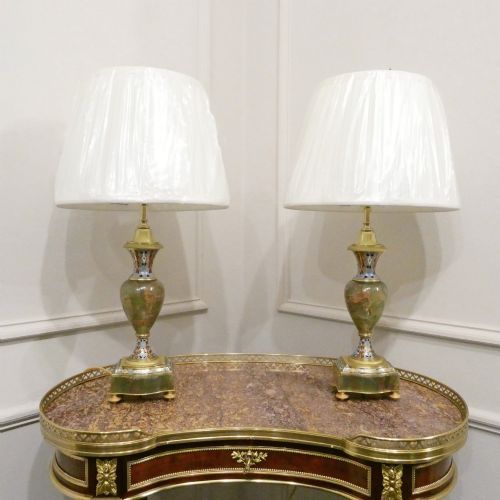
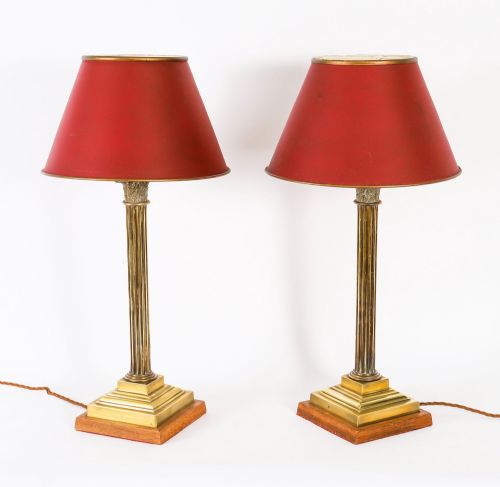
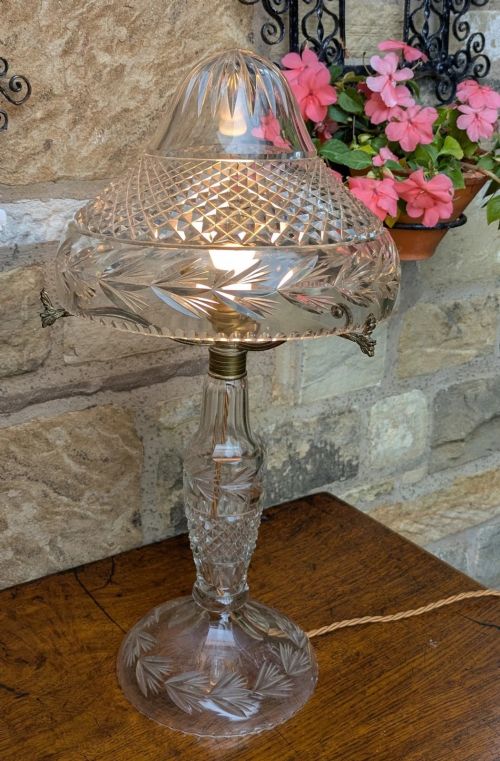
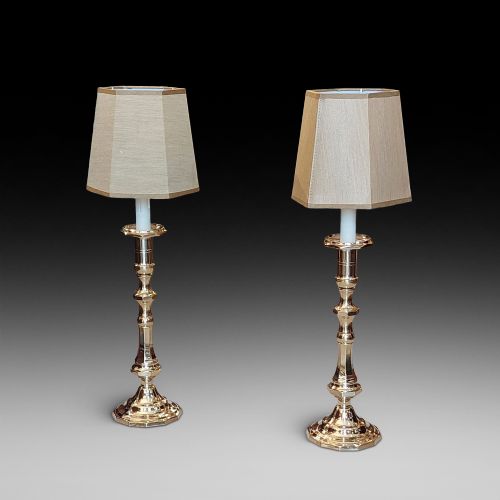
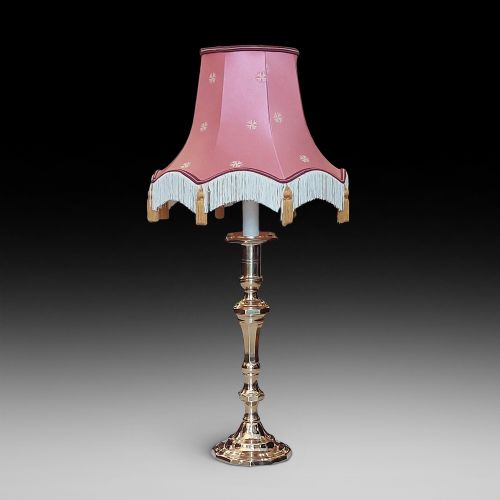
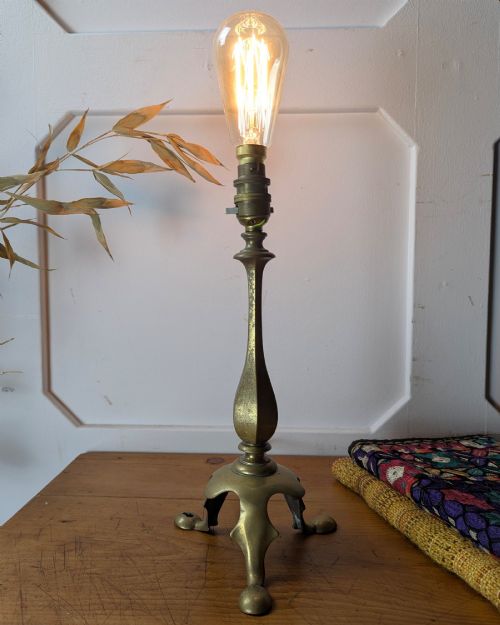
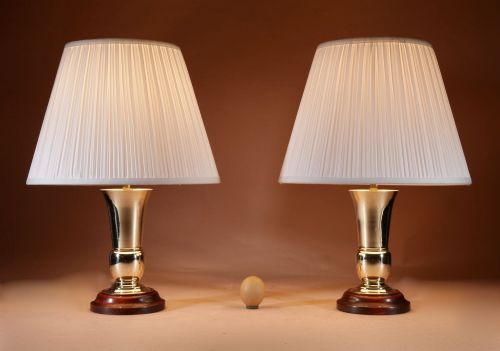
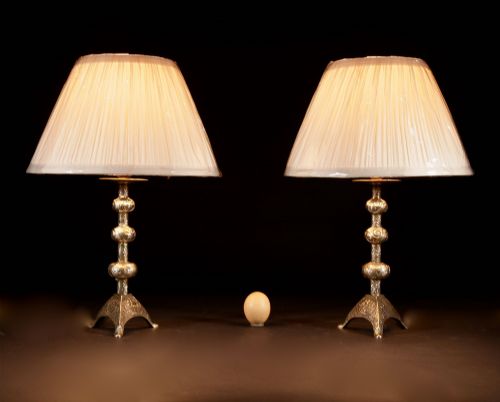
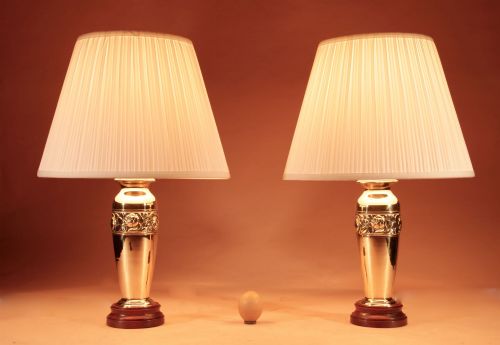
Brass bedside lamps encompass table lamps, converted candlesticks and console lamps created in a range of historical periods. These pieces bring functional light to a bedroom while displaying distinct period ornamentation and proportions.
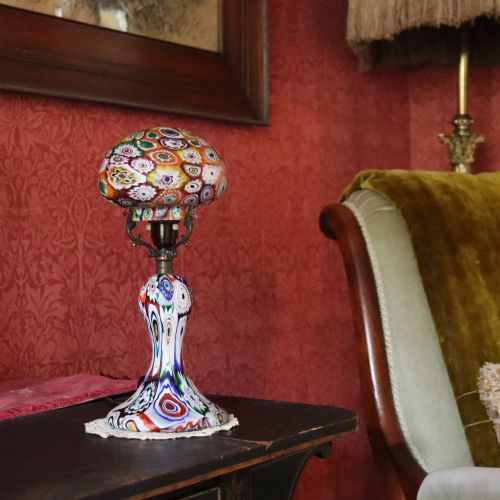
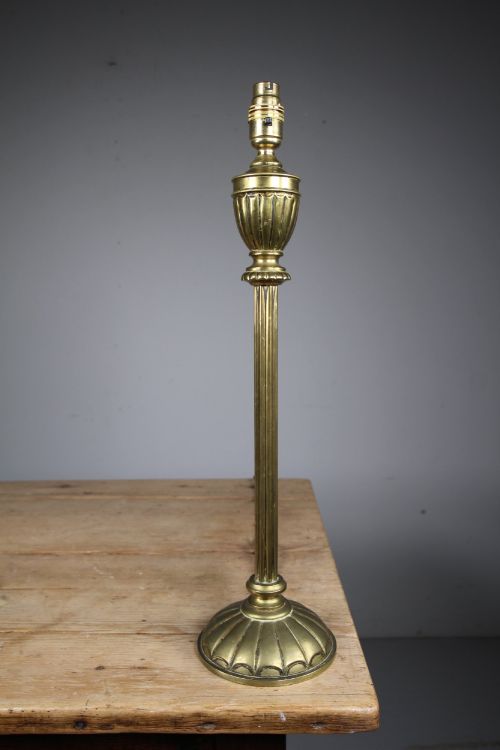
The versions most commonly met on this page span the Victorian era, the Edwardian period, and the early twentieth century. Examples range from solid brass Victorian candlestick configurations to early twentieth-century fabric and glass combinations.
How they were made
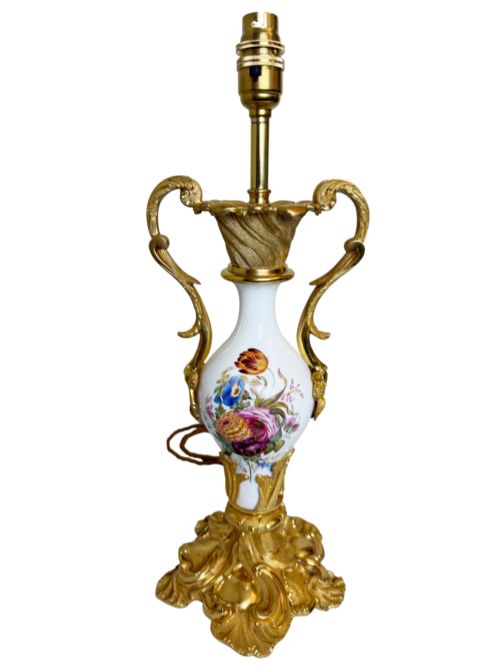
Construction relies upon cast brass, solid brass and gilt brass components, frequently paired with glass and fabric elements. Metalworking techniques of the nineteenth and early twentieth centuries produced sturdy frames designed to support domestic lighting.
Candlestick conversions utilise existing metal stems adapted for electrical wiring during or after their original period of manufacture. These methods ensure structural integrity alongside period metal finishes.
Retail Price Guide 2026
Typical UK retail prices for brass bedside lamps, calculated from the Sellingantiques database of over a million retail prices indexed since 2003. This retail price guide relies exclusively on Sellingantiques data; no external sources or auction records are used, so the figures do not describe the wider market.
Listings feature periods from eighteen-sixty through to nineteen-thirty, incorporating Edwardian, Gothic Revival, Neoclassical, and French Empire styles.
What varies in quality
Quality differences emerge in the weight of the cast brass and the crispness of decorative detailing across styles such as Gothic Revival, Neoclassical and French Empire. Heavier cast components and sharper chased ornamentation distinguish superior examples from simpler production.
The integrity of the metal surface and the harmony between original metal bases and supplementary glass or fabric elements determine the overall refinement of each piece.
The Brass Bedside Lamps Glossary
- Cast Brass
- Metal shaped by pouring molten alloy into a mould. This technique allows for intricate surface decoration and substantial structural weight.
- Gilt Brass
- Brass treated with a gold-coloured finish or gilt layer. This surface treatment enhances the decorative brilliance of the metal.
- Gothic Revival
- An architectural and decorative style inspired by medieval forms. Pieces in this aesthetic utilise pointed arches and medieval motifs.
- French Empire
- A neoclassical design style characterised by classical symmetry and military motifs. This aesthetic reflects the influence of the Napoleonic era.
Frequently Asked Questions
How do I date a brass bedside lamp?
Dating relies upon stylistic markers, construction methods, and material choices associated with periods from the Victorian era to the 1930s. Examining the cast details and assembly helps place the piece within its historical context.
Comparing the form to documented examples from the same era provides further clarity on the likely decade of manufacture.
Were these always bedside lamps?
Many early pieces began life as candlesticks or console lamps before later conversion to electrical bedside use. This adaptation practice preserves original metalwork while updating the object for modern domestic illumination.
Evidence of prior configuration often remains visible in the upper fittings and stems of the pieces.
How do I clean antique brass?
Maintenance involves gentle dusting with a soft cloth to preserve the accumulated patina of the metal. Aggressive polishing is generally avoided to protect historical surface finishes.
Consulting a professional restorer ensures that any deeper cleaning respects the age of the material.
Are pairs common in these lamps?
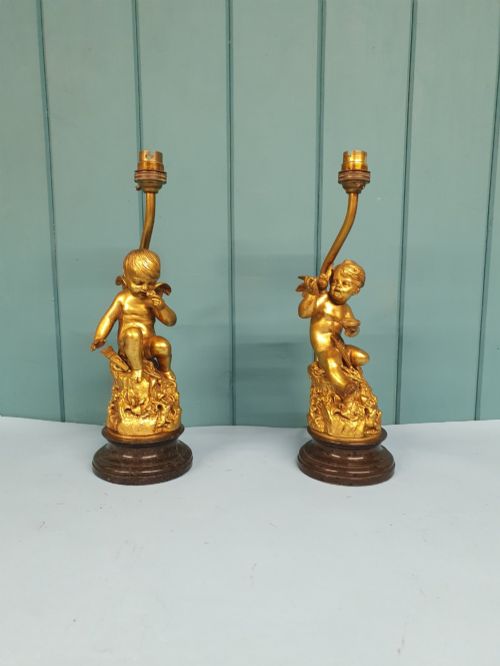
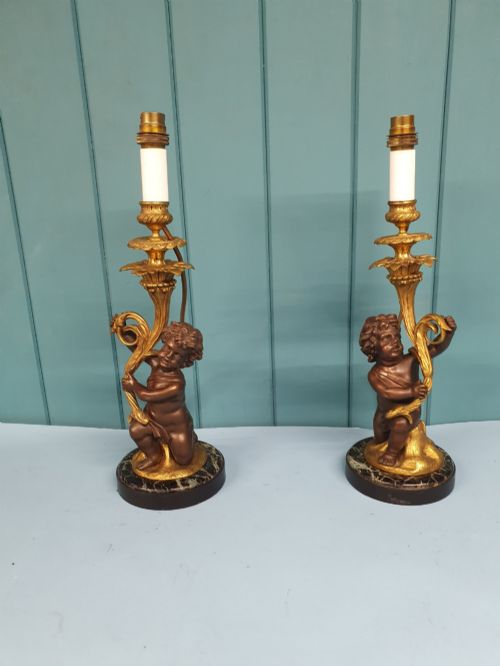
Matched pairs and sets frequently appear in historical lighting, reflecting the symmetrical demands of bedroom and console placement. Finding corresponding examples simplifies coordination on bedside tables.
Single pieces also occur, often originating from converted candlesticks or dispersed sets.