

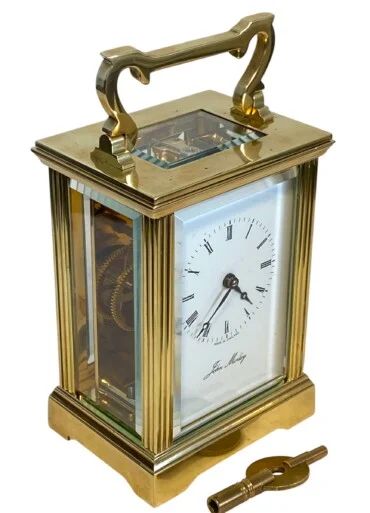


Classic Brass Clock
A classic brass clock brings tangible weight and mechanical precision to a room, ranging from small portable carriage designs to heavy gilt French mantel pieces.
Classic Brass Clock
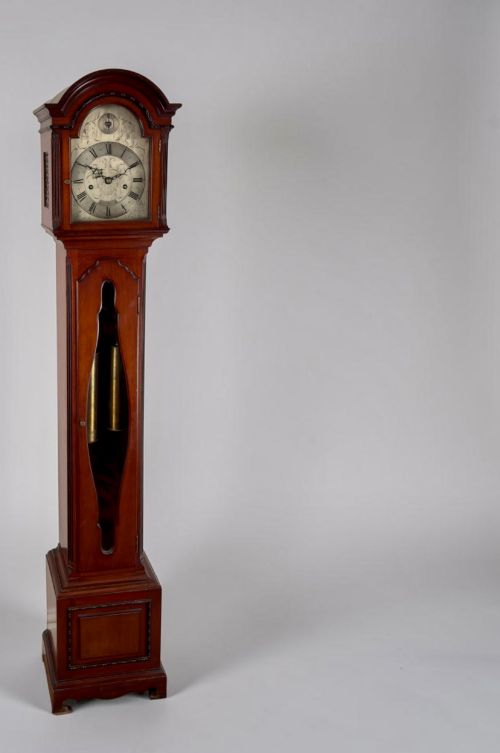
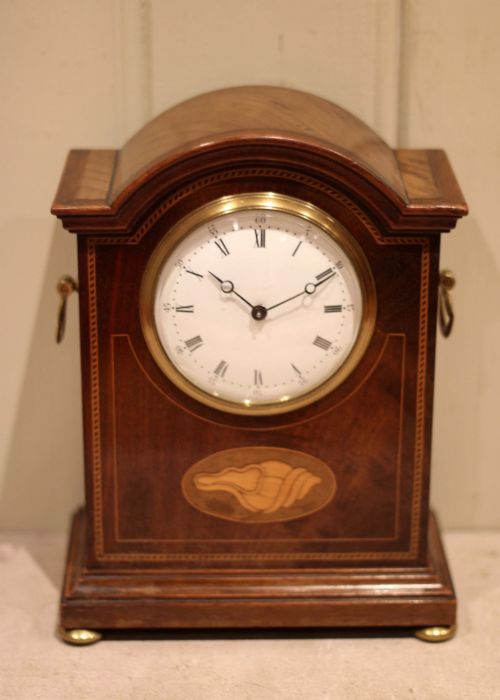
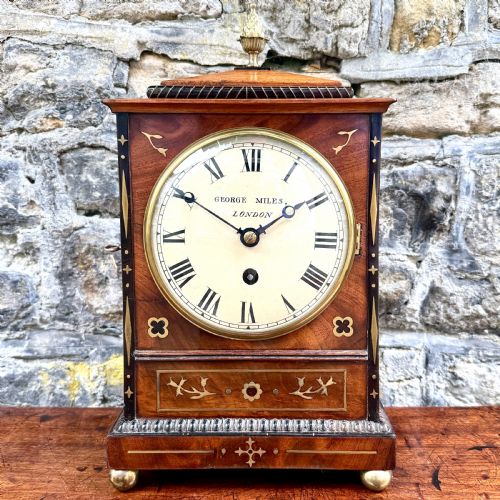
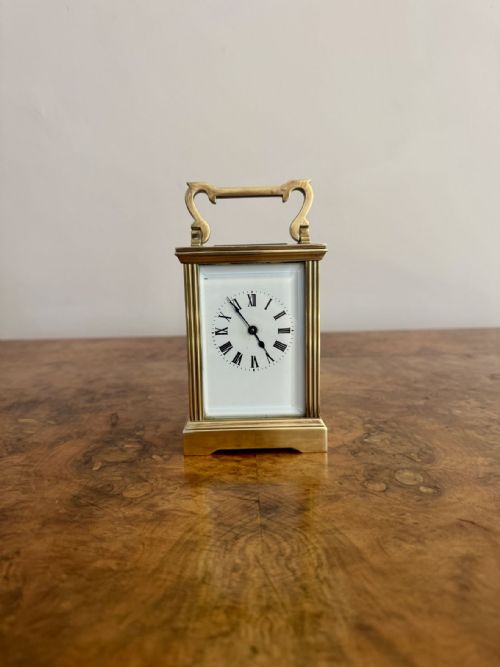
When searching for a classic brass clock, collectors encounter an array of timepieces spanning the nineteenth and twentieth centuries, including carriage clocks, bracket clocks, and portico models. These objects function primarily as domestic timekeepers while doubling as decorative centrepieces for mantelpieces, desks, and libraries.
The specimens on this page originate from diverse eras, stretching from the Georgian and Regency periods through to Edwardian times and mid-century modern designs. Mantel clocks and carriage clocks appear with high frequency in the current selection, constructed by both English workshops and continental makers.
Buyers also discover larger tall timepieces such as longcase, grandmother, and wall clocks, alongside smaller table clocks. Cabinet timbers like mahogany, walnut, and oak frequently accompany the metalwork cases, providing structural housing for the internal movements.
Materials and construction methods
Makers constructed these timepieces using polished brass, gilt brass, or ormolu alongside glass panels that reveal the intricate mechanical movements within. Timber housings utilise mahogany, oak, satinwood inlay, and rosewood, offering durable and decorative frames for metal dials and bezels.
Movements incorporate precise metallic gearing, fusee mechanisms, and enamel dials featuring Roman or Arabic numerals. Additional decorative elements include marble bases, silvered metal chapter rings, and hand-engraved brass backplates found on better quality carriage and bracket clocks.
Several carriage clocks arrive with their original travel cases, proving that previous owners took heavy brass timepieces on holiday.
Judging the standard of execution
Quality in these timepieces rests upon the precision of the mechanical movement, the crispness of the brass casting, and the refinement of any hand-engraving. Maker attribution to notable firms elevates a piece, as does the survival of original gilding, glass panels, and matching wooden brackets.
The choice of secondary materials, such as finely figured mahogany, lemon wood stringing, or solid marble cases, separates standard production models from superior examples. Original components, including balanced escapements and matching keys or winding handles, preserve the integrity and performance of the clock.
Gillett & Johnston of Croydon·John Morley·Elliott·Henry Lamb·Charles Frodsham & Holingue Frères·Dent of London·Luxor·DeLa Salle And Christie·James Murray London·Jaeger Le Coultre·Japy Freres
The Classic Brass Clock Glossary
- Carriage clock
- A portable spring-driven timepiece originally designed for travelling, enclosed in a brass and glass case with a folding handle on top.
- Bracket clock
- A shelf or mantel clock, traditionally placed on a mounting bracket, featuring an independent mechanical movement housed in a wooden or metal case.
- Fusee
- A conical pulley used in mechanical clocks to maintain an even pull on the gear train as the mainspring unwinds.
- Portico clock
- A decorative shelf clock styled after classical architecture, supported by pillars or columns framing a central pendulum.
- Ormolu
- Gilt bronze ornamentation applied to furniture and clock cases, created through the application of a mercury-gold amalgam to cast brass or bronze.
Classic Brass Clock: Frequently Asked Questions
Where should I place a carriage clock?
Carriage clocks suit stable flat surfaces such as mantelpieces, desks, or mahogany sideboards where vibrations remain minimal. Their glass and brass construction benefits from placement away from direct sunlight and damp environments.
Because these pieces were originally built for portability, their robust frames allow flexible placement around a study or drawing room.
How can I tell a Victorian clock from a Georgian one?
Georgian examples often display restrained mahogany bracket or longcase forms with architectural lines and brass dial fittings. Victorian pieces frequently introduce heavier ornamentation, visible platform escapements in carriage clocks, or contrasting wood inlays.
Examining the internal movement construction and backplate signatures helps confirm the manufacturing era and workshop origin.
What is an Atmos clock?
An Atmos clock is a mechanical timepiece manufactured by Jaeger-LeCoultre that operates without human winding. It responds to thermal energy by utilising a hermetically sealed capsule containing a gas and liquid mixture that expands and contracts with temperature changes.
This continuous expansion winds the mainspring, allowing the clock to run indefinitely in normal room conditions without batteries or manual intervention.