
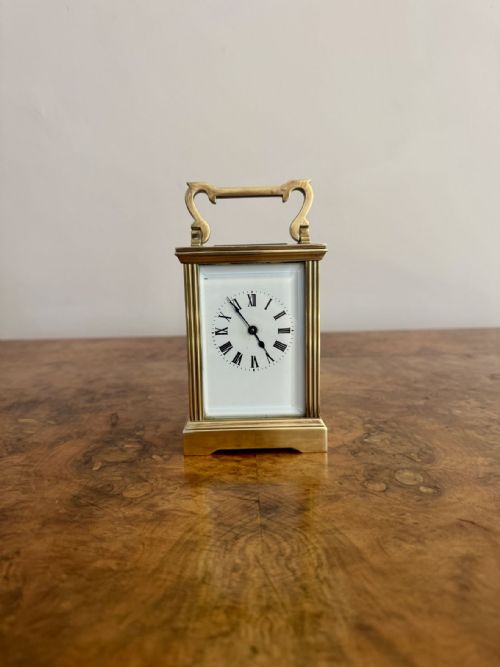
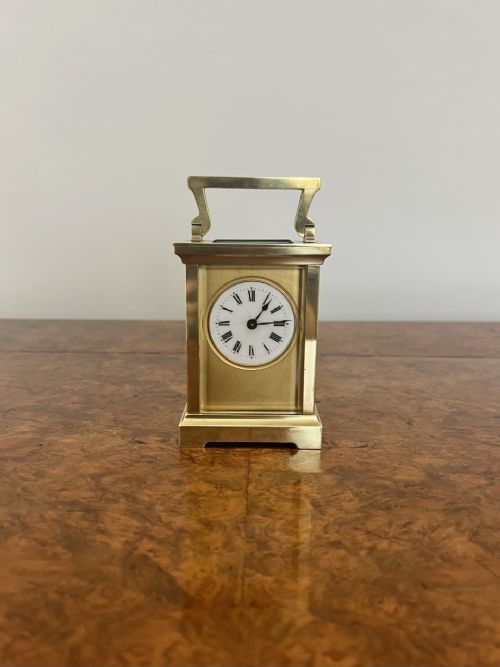
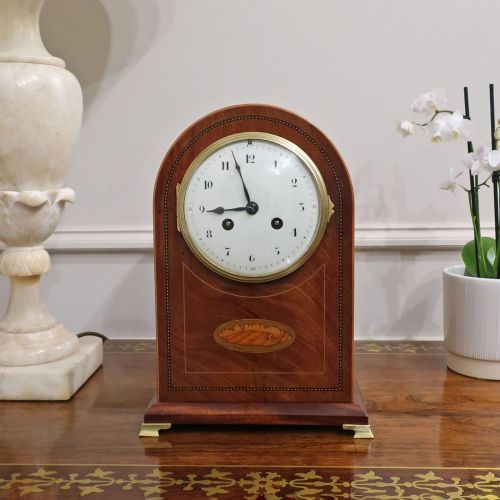
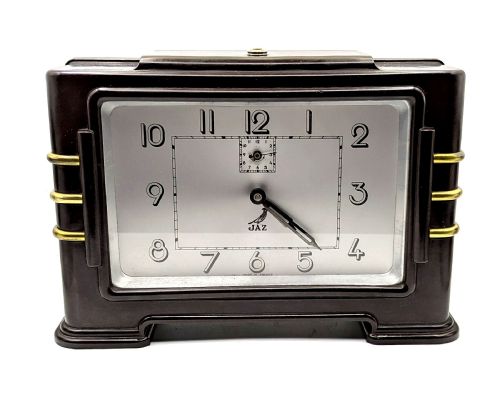
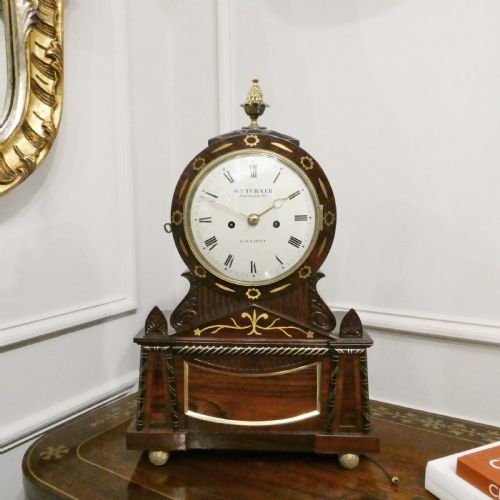

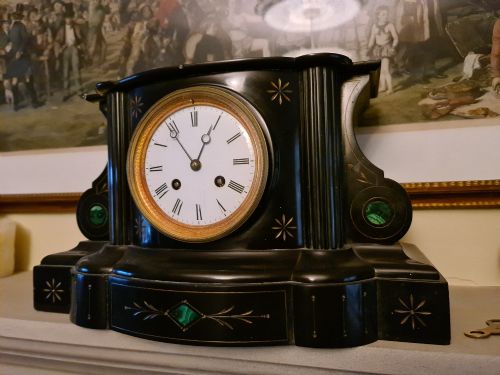

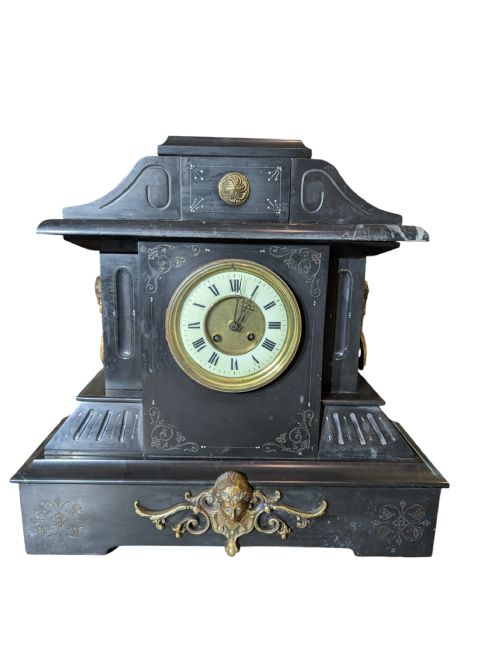

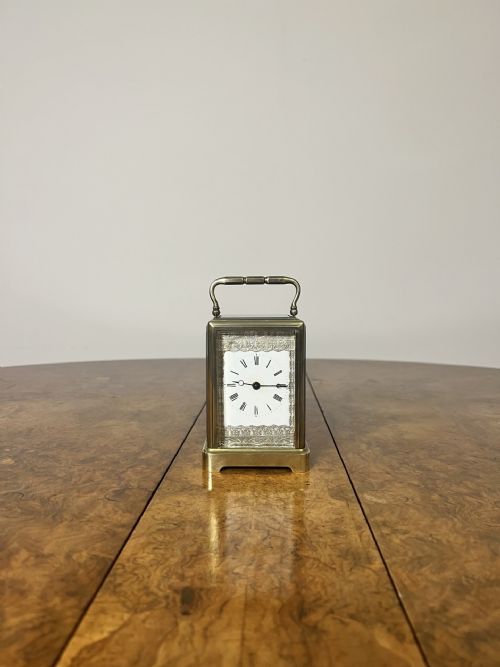

Brass Timekeeper Clock
A brass timekeeper clock brings reliable mechanical movement and bright metallic polish into a room, spanning periods from the Victorian era to Art Deco.
Brass Timekeeper Clock
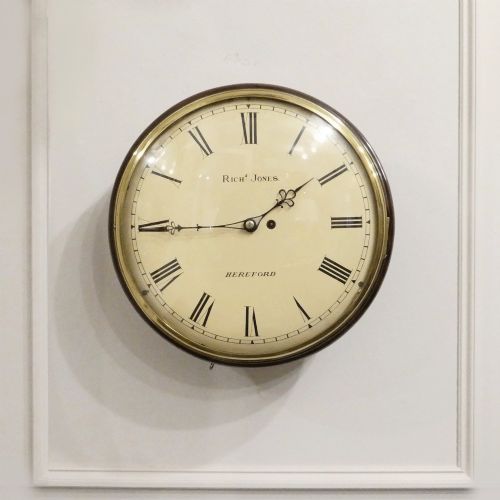
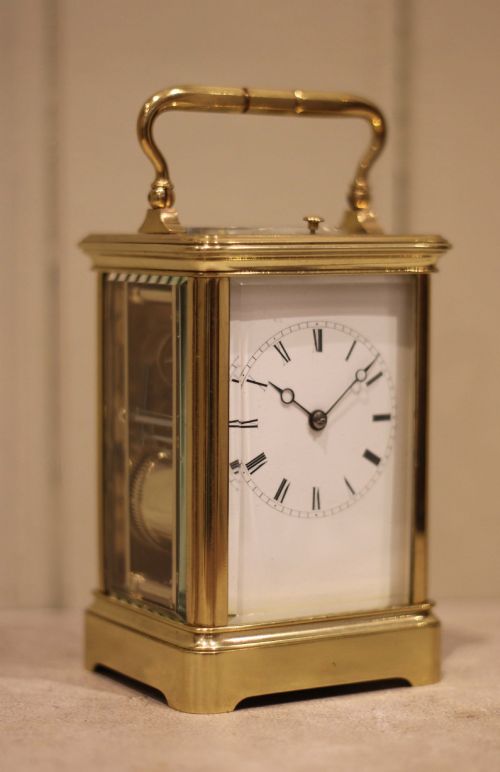
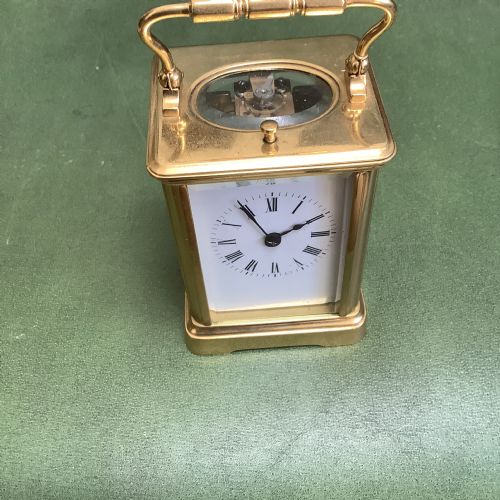
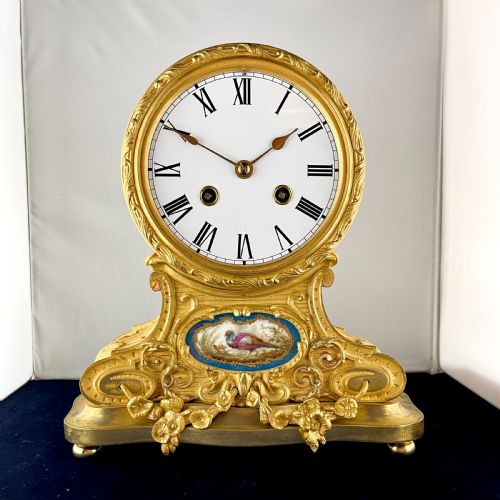
A brass timekeeper clock encompasses various functional objects designed to measure hours reliably, appearing primarily as portable carriage clocks, heavy mantel pieces and wall-hung dials. When sorting through this selection, a buyer encounters everything from miniature bedside timepieces to larger striking mechanisms housed in polished metal frames.
The objects originate across the nineteenth and twentieth centuries, taking distinct regional shapes influenced by French and English horology. Carriage clocks dominate the smaller formats, while heavier brass cases often accompany enamel dials and glass panels.
Makers housed these movements in diverse bodies, ranging from cast brass gorge cases to wooden brackets and metal bulkheads. Each piece reflects the functional requirements of its original domestic or institutional setting.
Materials and construction
Makers utilised cast and polished brass for the primary exterior housing, frequently combining the metal with bevelled glass panels to expose the internal wheel train. Dials were commonly formed from white enamel with painted numerals, offering high contrast for reading the time.
Movements relied on brass plates, steel pivots, and escapements driven by mainsprings or fusee chains depending on the period. Cabinets incorporate secondary materials such as mahogany, rosewood, walnut, and marble, anchored by brass bezels and mounts.
Materials appearing across current items include cast brass, gilt bronze, solid mahogany, rosewood, enamel, and Bakelite.
Evaluating standard and finish
Quality rests in the crispness of the brass casting and the depth of hand engraving on the case exterior. Finer examples display signed movements by known makers, alongside complex complications such as repeating strikes and alarm mechanisms.
The integrity of the original enamel dial and the clarity of the bevelled glass panels dictate the preservation standard. Superior pieces maintain matching serial numbers across the movement and case, reflecting meticulous workshop assembly.
Richard Jones of Hereford·Jaz·Turner of London·Pickford of London·Drocourt Paris·Engström·John Morley·Margaine Of France·Brunelot·Seller of Reading·Duverdrey & Bloquel·Delépine-Barrois·Windmills & Bennet·Piggin Norwich·W. Burton·Zenith
The Brass Timekeeper Clock Glossary
- Carriage clock
- A portable spring-driven timepiece designed for travel, typically fitted with a carrying handle and glass sides. These small machines often sit inside protective leather outer cases.
- Gorge case
- A stepped rectangular brass housing style common on nineteenth-century carriage clocks. The distinctive multi-tiered top moulding identifies this specific framing technique.
- Fusee
- A conical pulley used in mechanical clocks to maintain even power delivery as the mainspring unwinds. This device ensures consistent timekeeping accuracy across the power reserve.
- Enamel dial
- A metal face fused with powdered glass through high-heat firing to produce a smooth, durable white surface. Black or blue numerals are painted onto this glaze before a final kiln bake.
- Verge escapement
- An early mechanical regulating mechanism utilising a crown wheel and a vibrating rod with pallets. This arrangement controls the release of gear train energy in older lantern clocks.
Brass Timekeeper Clock: Frequently Asked Questions
What is a carriage clock?
A carriage clock is a portable mechanical timepiece enclosed in a brass and glass case, originally designed for officers and travellers during the nineteenth century.
They rely on spring-driven movements and feature folding handles on top to allow easy transport between rooms or during journeys.
How do I wind an 8-day clock?
An eight-day clock requires winding approximately once a week using a specific matching key inserted into the winding arbors on the dial or back plate.
Care must be taken not to over-wind the mainspring, stopping as soon as resistance increases to protect the internal brass teeth.
How do I date a brass clock?
Dating relies on examining stylistic clues such as case architecture, engraving patterns, escapement types, and any maker signatures stamped onto the back plate.
French pieces from the nineteenth century often feature maker stamps or serial numbers that help narrow down the production decade.
Where should I place a mantel clock?
A mantel clock sits best on a flat, stable surface away from direct sunlight, excessive moisture, and rapid temperature changes that affect metal and wood.
Placing the piece level ensures the pendulum or balance wheel beats evenly, maintaining correct timekeeping operation.