
Circular Pedestal Centre Table
A circular pedestal centre table anchors a room with balanced proportions and allows movement around a central pillar.
Circular Pedestal Centre Table
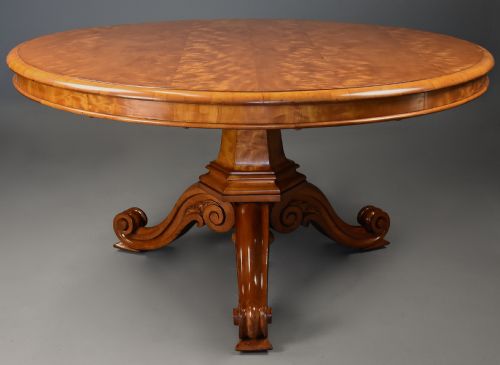
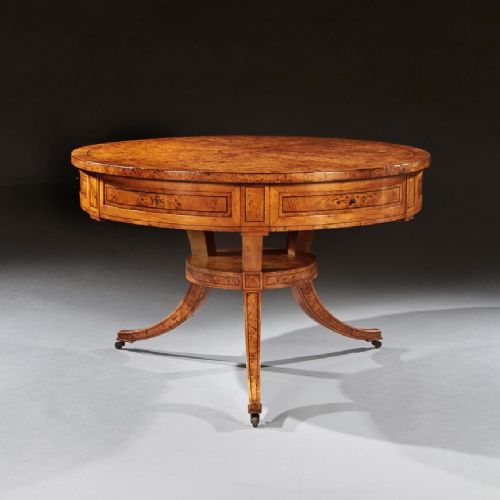
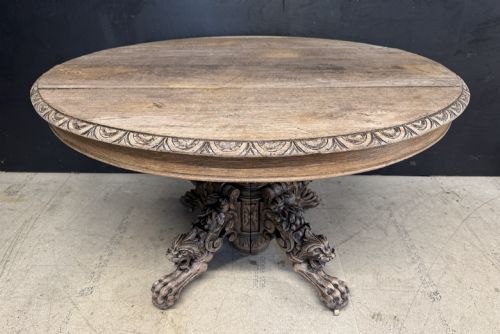
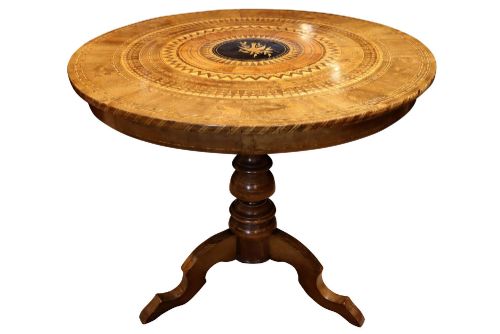
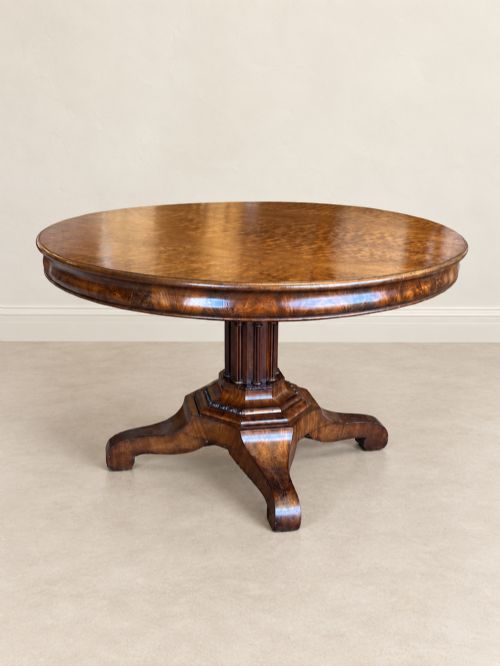
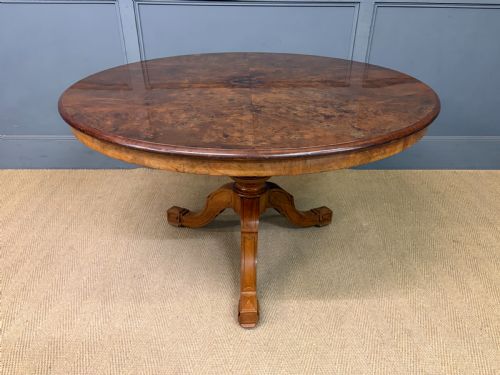
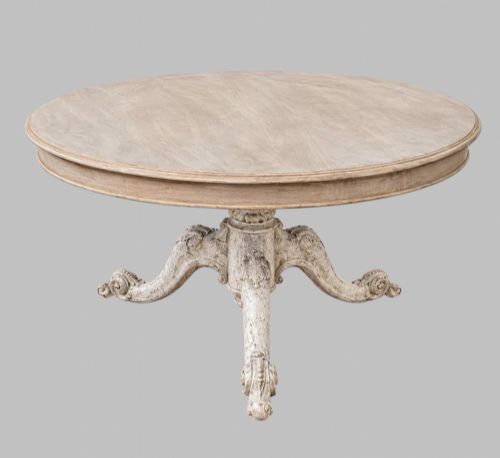
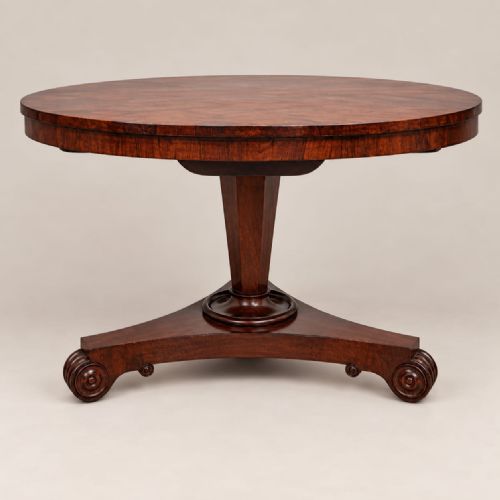
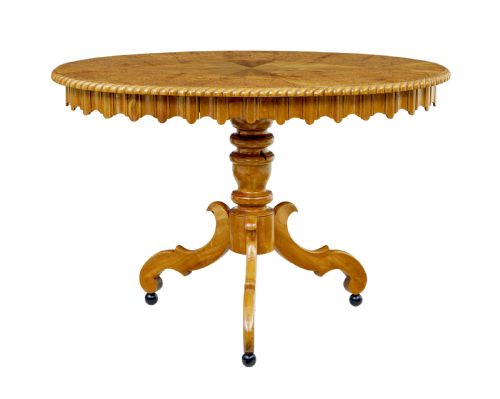
A circular pedestal centre table stands freestanding in a room, supported by a central pillar rising from a shaped base or feet rather than four corner legs. These tables appear across Georgian, Regency, William IV and Victorian periods, often functioning as dining tables, breakfast tables or library tables.
How they were made
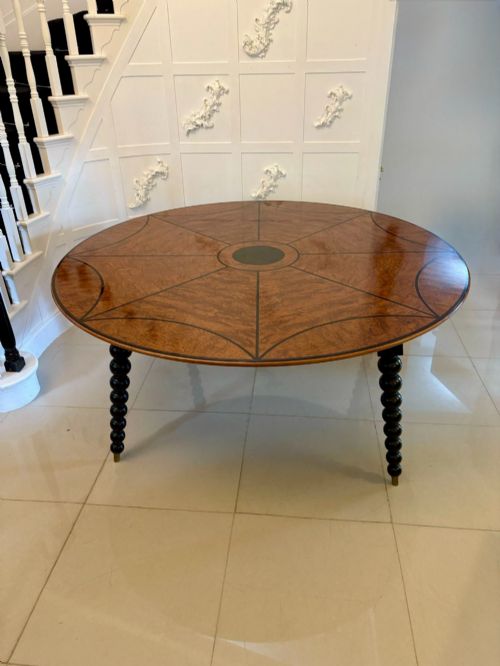
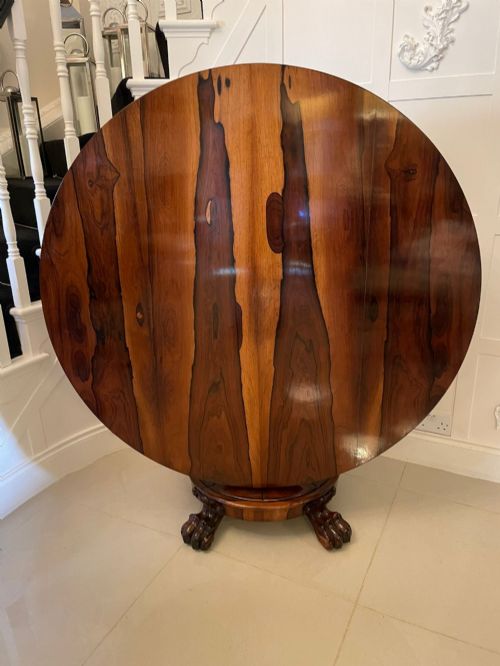
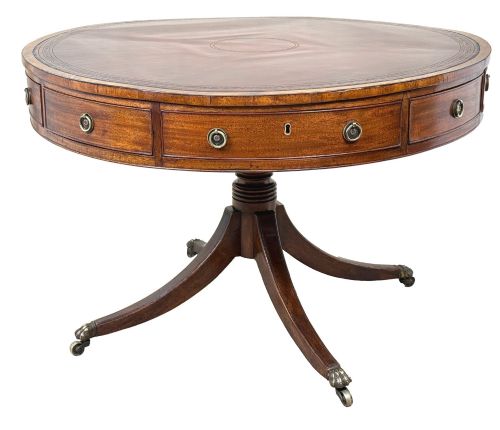
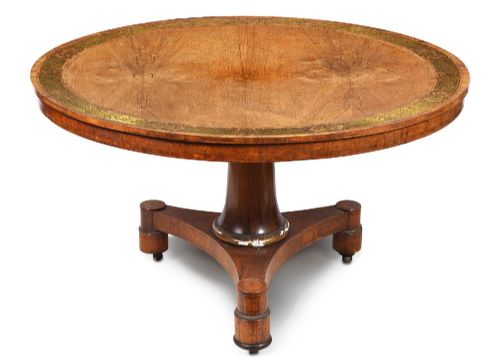
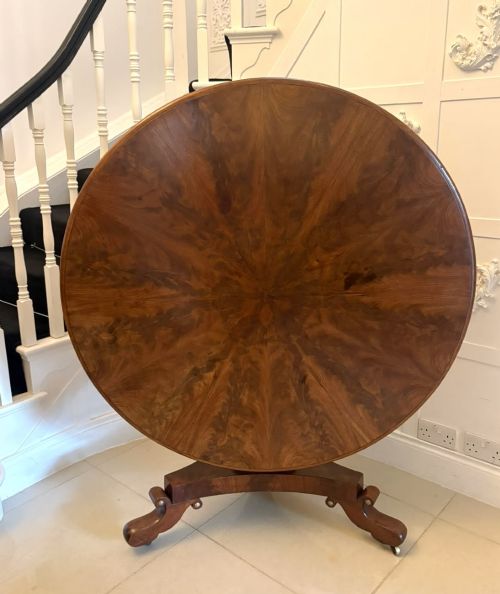
Cabinet makers selected dense timbers like mahogany, rosewood, walnut and burr elm, often sawing them into thin veneers to display symmetrical grain patterns across the circular top. These tops were then mounted onto robust central pedestals supported by triform or quadraform plinths, sometimes incorporating brass stringing, brass inlay or carved scrolling.
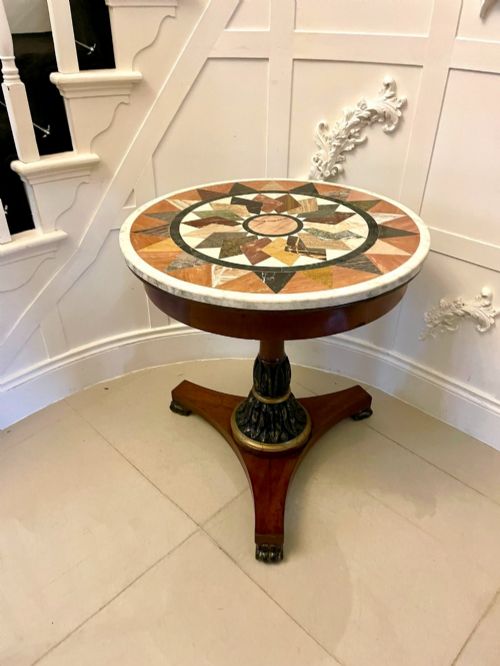
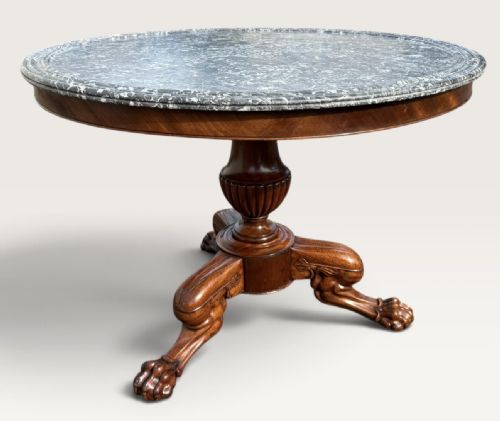
Many examples include tilt-top box mechanisms held by brass latches, allowing the surface to fold vertical when not in use. Secondary additions include inset leather writing surfaces or veined marble slabs fitted directly into the wooden framework.
Surviving formats on this page include breakfast tables, drum tables, library tables and French gueridons with veined marble tops.
What varies in quality
The distinction between standard production and the finest workshops lies in the selection of timber, such as highly figured flame mahogany or richly grained rosewood matched symmetrically across the surface. Superior examples exhibit refined hand-carving on the pedestal base and precise joinery that maintains stability without excessive metal bracing.
The sophistication of the mechanism also determines standing, from simple fixed pedestals to finely engineered tilt-top pivots and secret drawers integrated into the frieze. Original matching components, such as unpolished marble inserts or intact brass inlays, separate unaltered survivals from later adaptations.
Holmes Baldock·Peters of Genoa·M.Willson
The Circular Pedestal Centre Table Glossary
- Tilt-top
- A hinged tabletop mechanism that allows the surface to rotate into a vertical position for storage against a wall. This feature is common on breakfast and dining variations.
- Triform base
- A three-sided pedestal foot arrangement supporting the central column. It provides stability on uneven floors while keeping the footprint compact.
- Gueridon
- A small French occasional or centre table, frequently topped with marble and supported by a central pillar. These pieces often feature mahogany or gilt details.
- Frieze
- The horizontal band situated directly beneath the circular tabletop, sometimes fitted with concealed drawers. Makers often used this area to display figured wood grains.
- Patina
- The surface sheen and softening of tone developed by aged timber through decades of handling and wax polishing. This quality indicates genuine age.
Circular Pedestal Centre Table: Frequently Asked Questions
What rooms suit a circular pedestal centre table?
These tables fit well in the middle of a reception room, entrance hall or library where people need to walk around all sides without obstruction. Their circular footprint softens angular architectural spaces and creates a natural gathering point.
Because the central column replaces corner legs, chairs tuck underneath easily when the table serves dining or breakfast functions.
What is the difference between a breakfast table and a centre table?
Breakfast tables from the Regency and Victorian eras generally incorporate the tilt-top mechanism and substantial pedestal bases designed for morning dining in private rooms. Centre tables often remain fixed in place as decorative display surfaces.
In practice, makers and buyers used the terms interchangeably depending on the scale and room placement.
How should I care for a mahogany or rosewood surface?
Maintain the timber by applying natural beeswax polish occasionally and buffing it with a soft cloth to preserve the aged sheen. Avoid placing hot items or moisture directly onto the wood to prevent ring marks.
For tables with leather or marble inserts, clean those specific materials with methods suited strictly to leather conditioning or stone safety.