


Walnut Pedestal Loo Table
A walnut pedestal loo table is a centrepiece of Victorian craftsmanship, offering rich burr grain and a tilting top designed for grand rooms.
Walnut Pedestal Loo Table
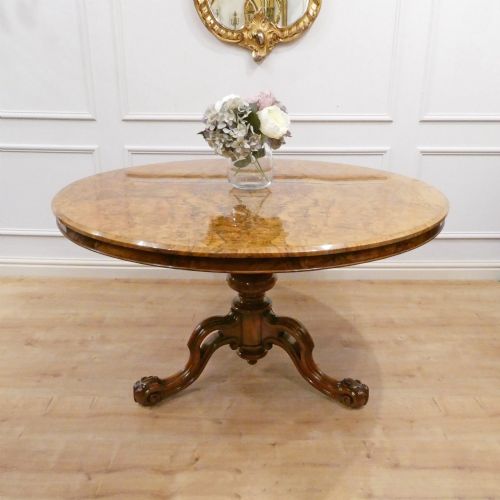
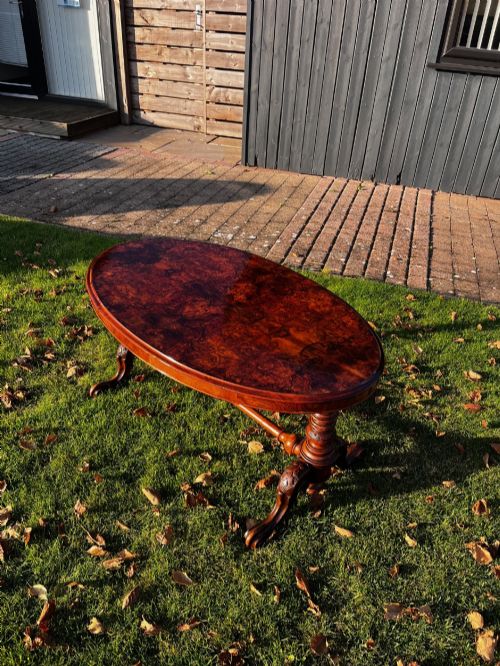
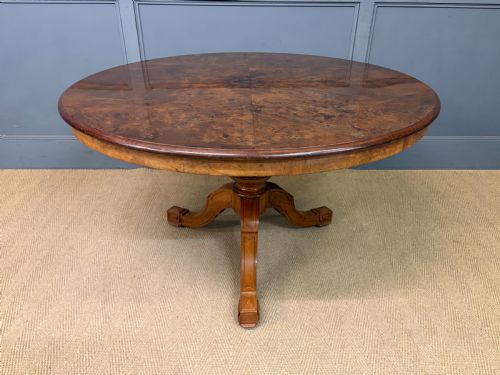
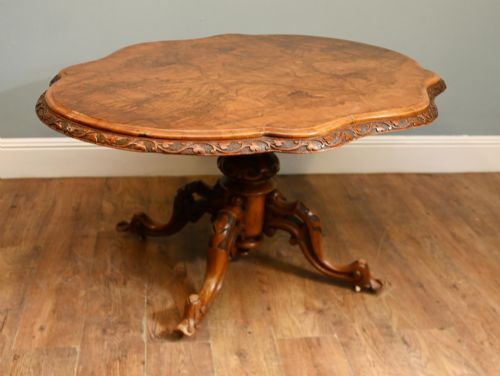
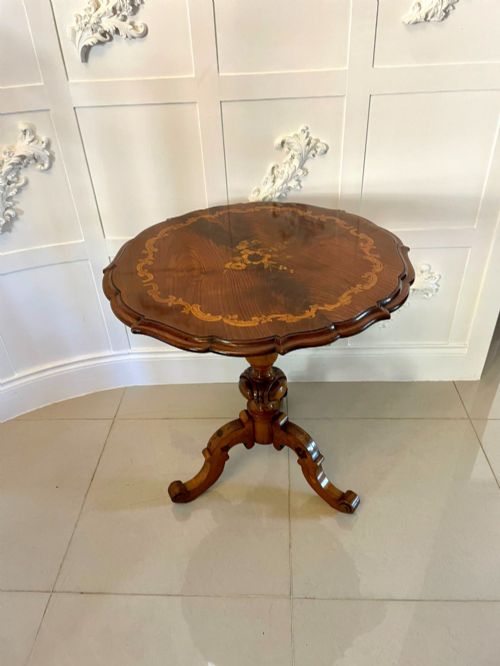
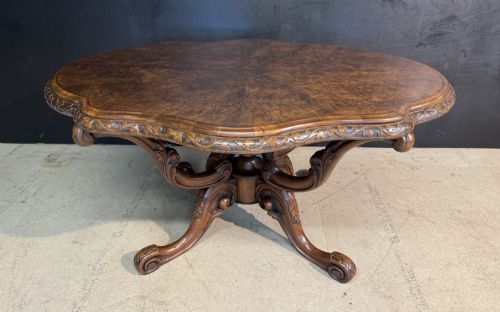
When you search for a walnut pedestal loo table, you encounter nineteenth-century tables built primarily during the Victorian period around the eighteen-fifties and eighteen-sixties. These pieces typically take an oval or round form supported by a central carved pedestal and a heavy base.
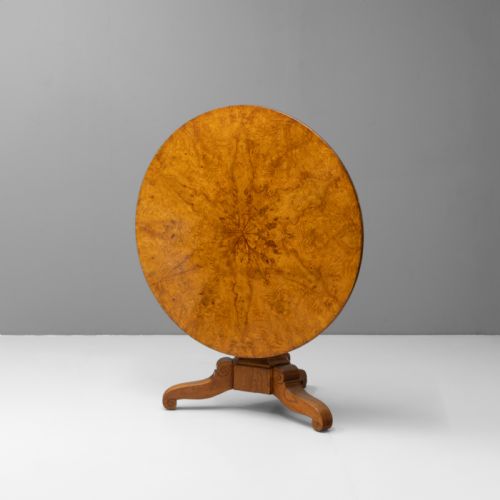
The evidence shows these tables served multiple domestic functions, functioning as loo tables, centre tables, breakfast tables, and lamp tables. Many feature tilt-top mechanisms that allowed the surface to be folded upright when not in use to save floor space in parlours and drawing rooms.
How They Were Made
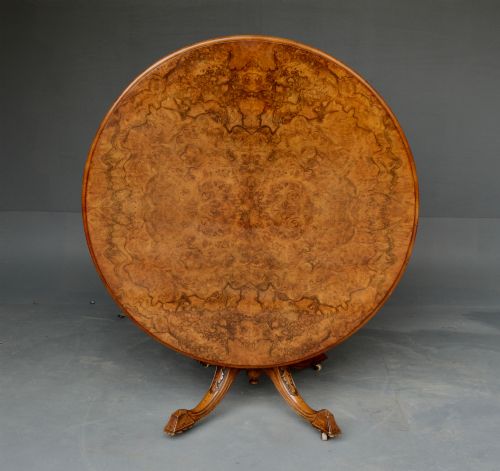
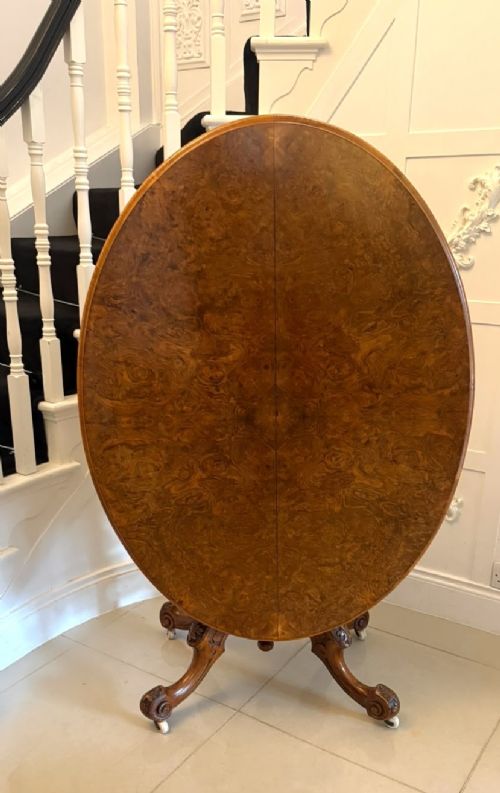
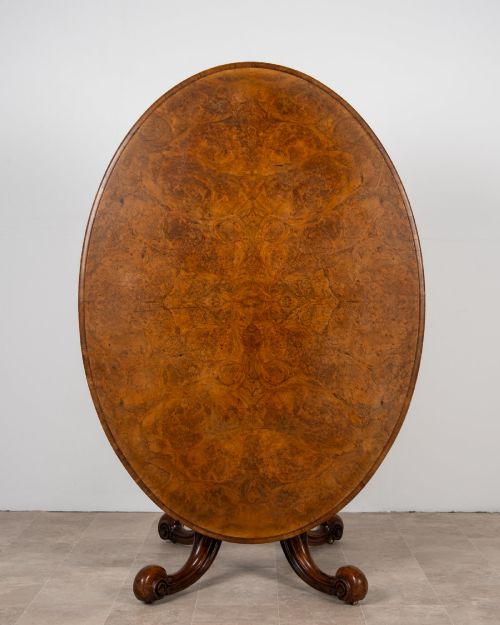
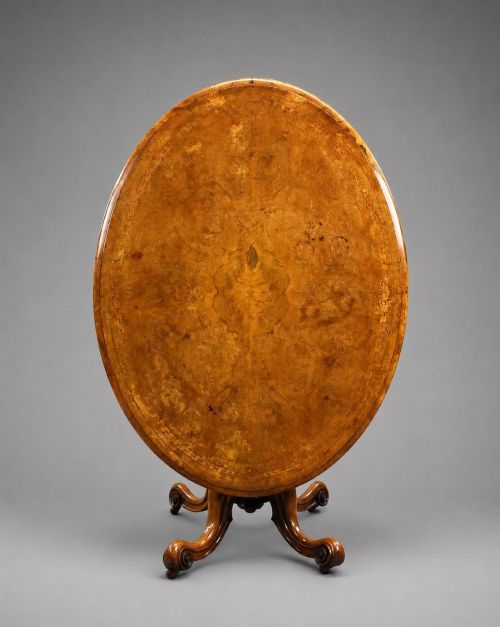
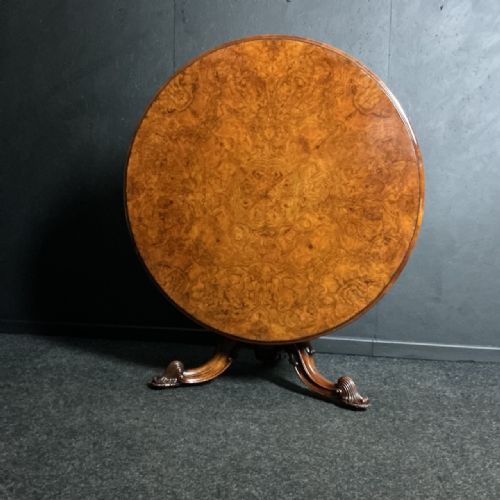
Cabinet makers utilised solid walnut and decorative burr walnut veneers applied over secondary timbers to create highly figured tabletop surfaces. The natural patterns of the wood grain formed the primary visual ornament of the piece.
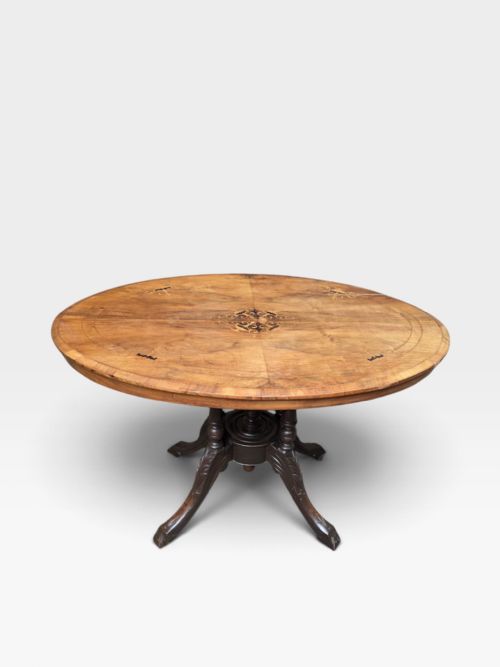
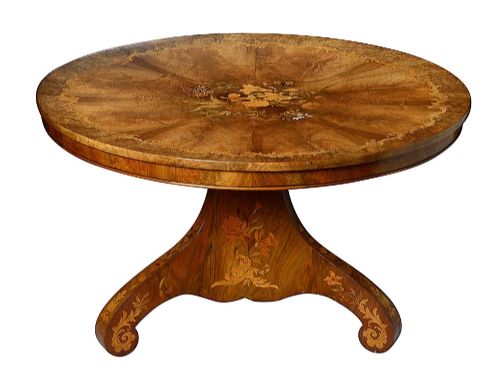
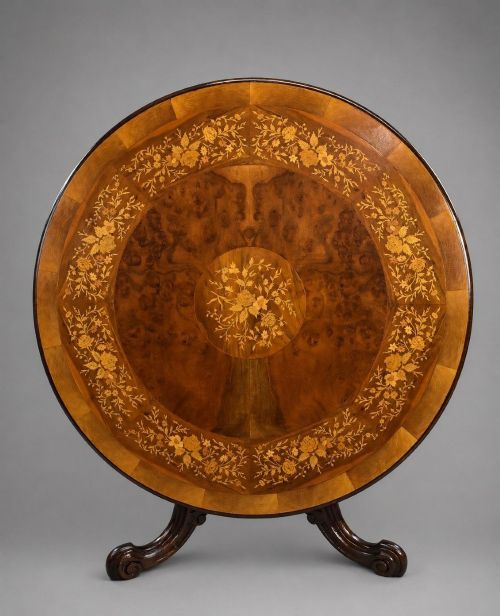
Inlaid decoration forms a major part of their construction, incorporating boxwood, fruitwood, ebony, and complex marquetry panels into the top. Structural support relies on heavy carved wooden pedestals, sometimes paired with concealed elements such as secret drawers.
Walnut Pedestal Loo Table Retail Price Guide 2026
Typical asking prices for walnut pedestal loo table among the pieces listed under this phrase on Sellingantiques today, from the lower quarter to the upper quarter. They describe what is for sale here now, not the wider market.
The listings show walnut pedestal loo tables predominantly from the Victorian period, spanning eighteen-fifty to eighteen-seventy in oval and round forms.
What Varies in Quality
The distinction between standard and exceptional pieces rests on the choice of timber and the complexity of the surface decoration. Tables displaying densely figured burr walnut and intricate marquetry or boxwood inlay occupy the top tier of craftsmanship.
Carving detail on the pedestal and the precision of the tilt-top mechanism also define quality. Finer examples exhibit deeply hand-carved tripod or quadrapod bases that integrate harmoniously with the proportions of the top.
Gillows·Holmes Baldock
The Walnut Pedestal Loo Table Glossary
- Burr walnut
- A thin slice of wood veneer taken from the wart or burl growth of a walnut tree. This material provides swirling, highly decorative grain patterns highly prized by Victorian cabinet makers.
- Tilt-top table
- A table equipped with a hinged mechanism allowing the horizontal surface to pivot into a vertical position. This design enabled the furniture to be stored compactly against a wall.
- Marquetry
- Decorative inlay work using various coloured woods to form pictorial or geometric patterns on the table surface. Craftsmen cut precise wooden pieces to fit flush within the veneer.
- Loo table
- A large round or oval parlour table originally intended for the nineteenth-century card game of loo. These tables evolved into versatile centrepieces for dining and entertaining.
- Quadrapod base
- A heavy central pedestal resting upon four carved feet or legs. This structural form provides stability for large oval tabletops during tilting.
Walnut Pedestal Loo Table: Frequently Asked Questions
What is a walnut pedestal loo table used for?
Originally built for card games, these tables functioned as versatile centrepieces for drawing rooms, dining spaces, and libraries.
Their generous proportions made them suitable for six-seater gatherings and general domestic display.
How do you operate the tilt-top mechanism?
A release catch beneath the surface allows the heavy walnut top to pivot ninety degrees on its central axis.
This function historically permitted the table to stand flat against a parlour wall when not in active use.
What periods do these tables date from?
The available pieces belong predominantly to the Victorian era, spanning the mid to late nineteenth century.
Dates cluster heavily around the eighteen-fifties and eighteen-sixties, with occasional examples extending into the Regency and Aesthetic Movement periods.
How do burr walnut and standard walnut differ?
Burr walnut derives from distorted tree growths that produce complex, swirling grain patterns full of natural eyes and knots.
Standard walnut offers a more uniform grain structure, whereas burr veneers were reserved for decorative tabletops.