



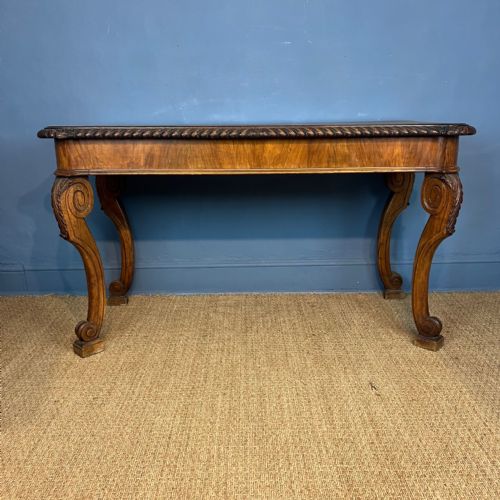


William IV Walnut Table
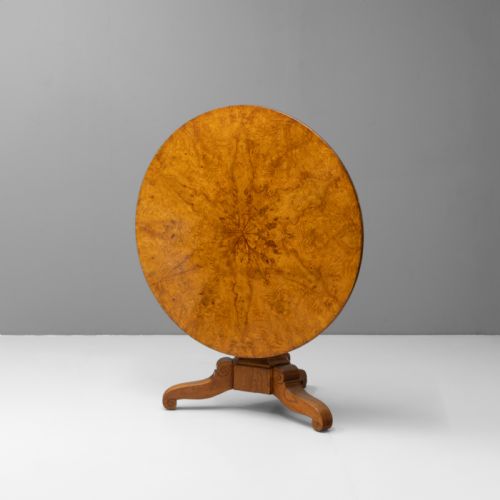
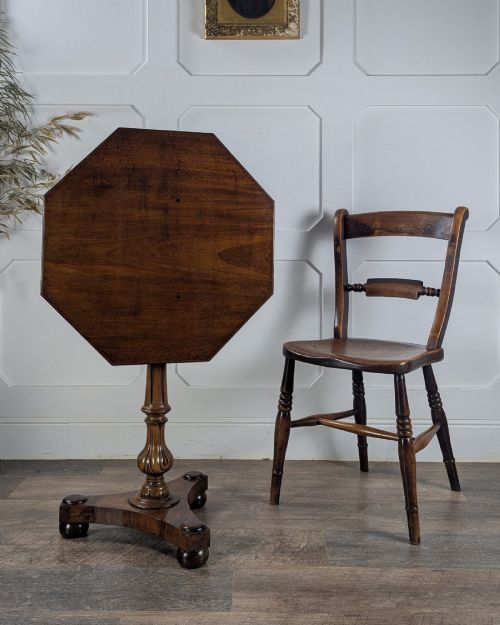
A william iv walnut table brings the warmth of figured timber and solid craftsmanship into a room.
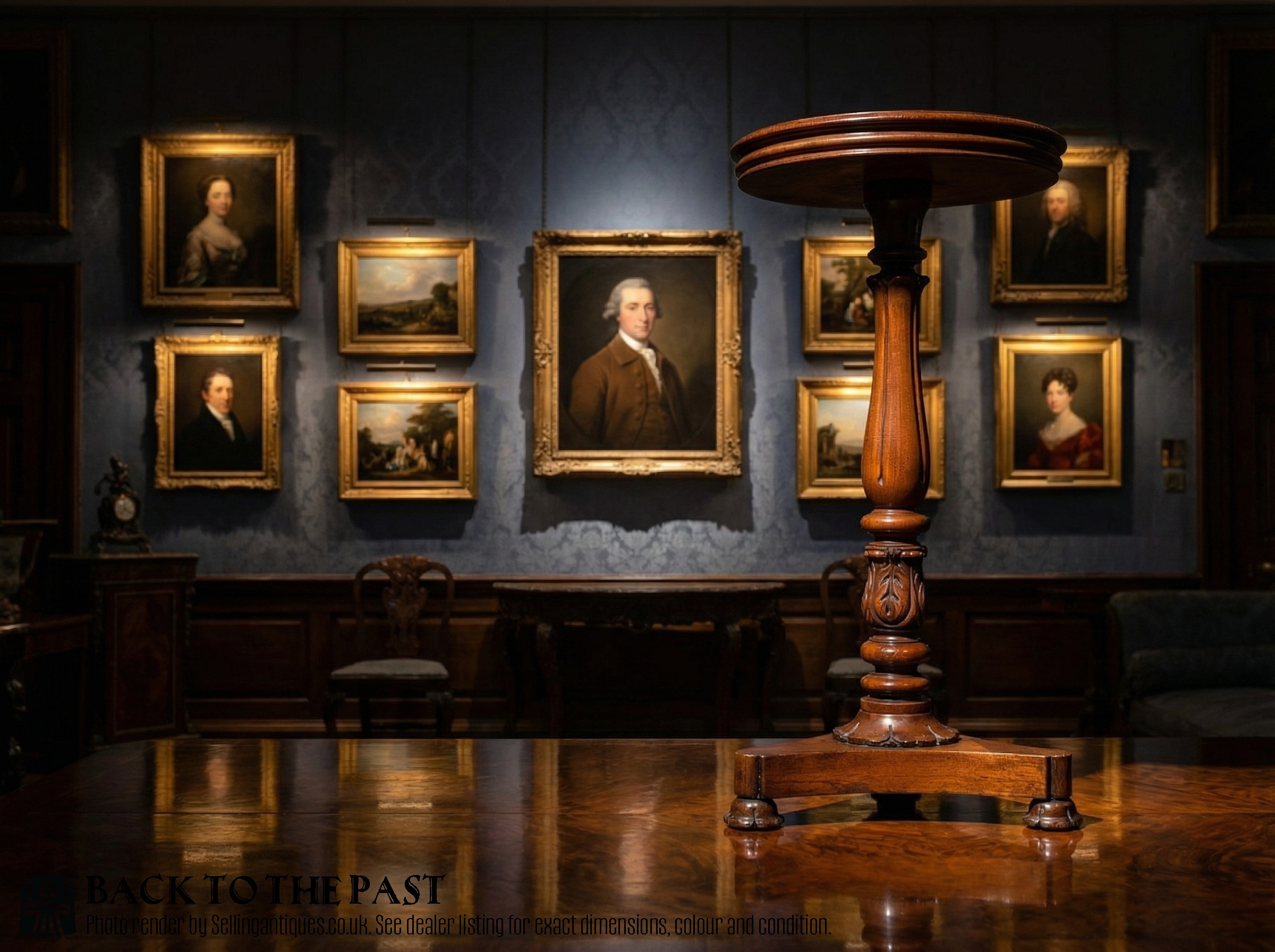
William IV Walnut Table
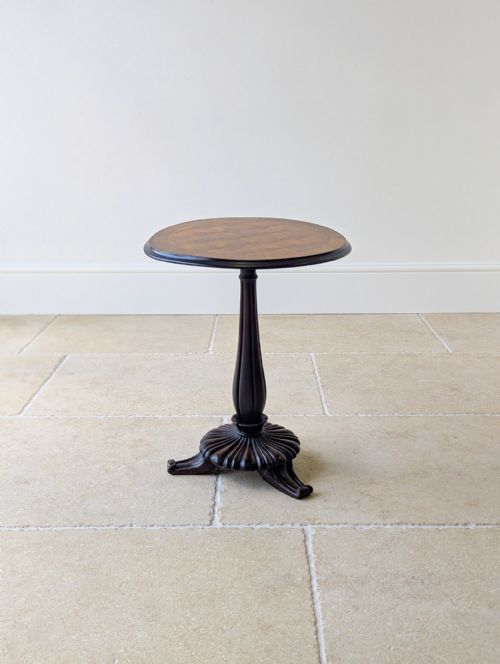
A william iv walnut table encompasses various forms such as centre tables, writing desks, occasional pieces, and tea tables originating from the nineteenth century. These items reflect the transition from Regency elegance into early Victorian tastes, often showing robust proportions combined with refined details. Buyers looking at this selection will find walnut and burr walnut predominating, alongside occasional pairings with mahogany and other timbers.
The objects listed on this page range from small lamp and wine tables to large library and partners writing tables. Many pieces display architectural influences typical of the period, utilising circular tops, snap mechanisms, or stretcher bases. Console tables and jardiniere stands also appear, demonstrating the variety of domestic furniture produced during the era.
How they were made
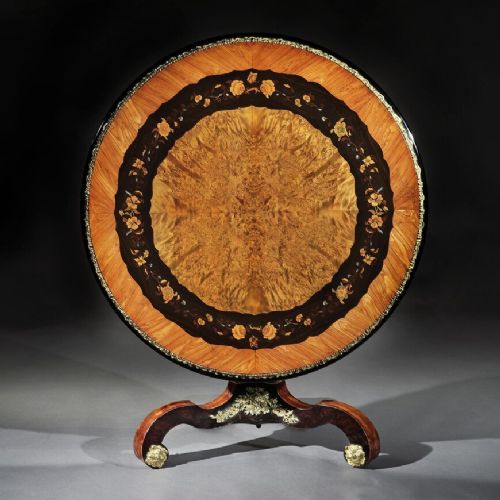
Cabinet makers utilised solid walnut and richly figured burr walnut veneers applied to secondary woods, creating striking patterns on table tops. Marquetry and specimen wood inlays occasionally feature, requiring precise hand-cut sections of contrasting timbers arranged in geometric or floral motifs.
Structural elements often incorporate turned pedestals, platform bases, and carved scroll feet, sometimes accented with brass castors or gilt bronze mounts. Construction relied on traditional joinery methods that ensured stability for heavy library desks and tilt-top tea tables alike.
William IV Walnut Table Retail Price Guide 2026
Typical asking prices for william iv walnut table among the pieces listed under this phrase on Sellingantiques today, from the lower quarter to the upper quarter. They describe what is for sale here now, not the wider market.
Listings feature nineteen-century pieces incorporating walnut, burr walnut, mahogany, and rosewood across various table forms.
What varies in quality
The choice of timber grain sets apart superior examples, particularly where highly figured burr walnut veneer covers large surfaces with matched symmetry. Plain timber surfaces lack the visual depth and movement found in carefully selected veneers.
The crispness of carved details and the precision of marquetry inlay distinguish finer workshops from standard production pieces. Well-executed turning on pedestals and sturdy, original base construction also indicate higher workshop standards.
Edward Holmes Baldock
The William IV Walnut Table Glossary
- Burr walnut
- A veneer sliced from walnut tree growths, producing swirling, intricate grain patterns prized for decorative table tops.
- Snap-top
- A table mechanism allowing the top to tilt vertically when not in use, held horizontally by a brass catch.
- Marquetry
- The art of forming decorative patterns using thin veneers of different coloured woods.
- Tea poy
- A small cabinet or box on a stand, originally used for storing and serving tea.
- Partners desk
- A large writing table designed for two people to work opposite each other, featuring drawers on both sides.
William IV Walnut Table: Frequently Asked Questions
How do I identify a william iv walnut table?
Look for characteristic design elements of the early nineteenth century, such as pedestal bases with scrolled feet, solid walnut or burr walnut veneers, and architectural proportions.
Examine the construction methods underneath, as period pieces rely on traditional joinery and often incorporate secondary woods like mahogany or oak.
Where should I place a centre table?
A centre table works best in the middle of a room where it can be viewed from all sides, particularly in large hallways or drawing rooms.
Ensure there is enough clearance around the piece for movement, allowing the timber top and pedestal base to serve as a focal point.
How do I care for walnut veneer?
Keep walnut furniture away from direct sunlight and heat sources to prevent the wood from drying out and the veneer from lifting.
Dust regularly with a soft, dry cloth and occasionally apply a suitable beeswax polish to maintain the sheen of the timber.
What is the difference between a library table and a writing table?
Library tables are traditionally finished on all sides so they can stand freely in a room, often featuring larger proportions for books and papers.
Writing tables generally include drawers integrated into the apron and may have been designed to sit against a wall or within a study.