

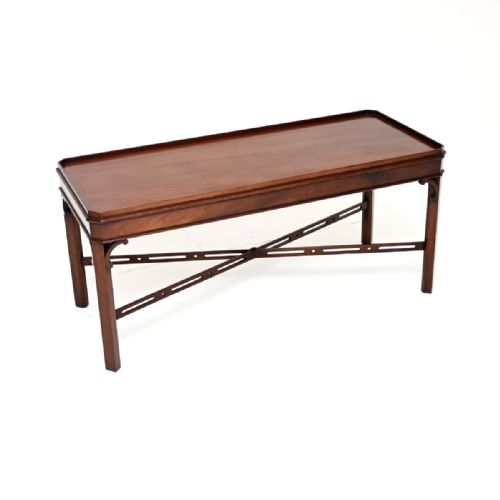
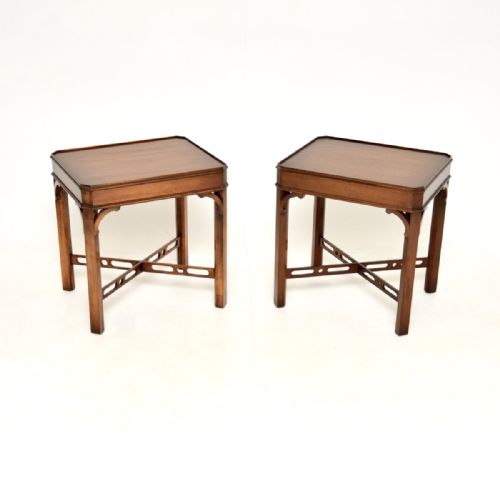
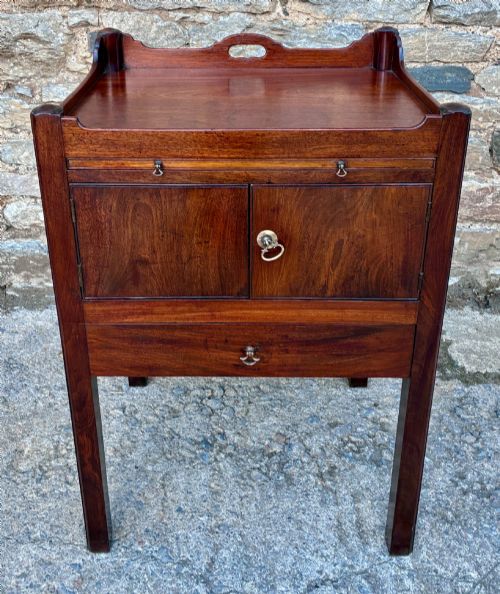
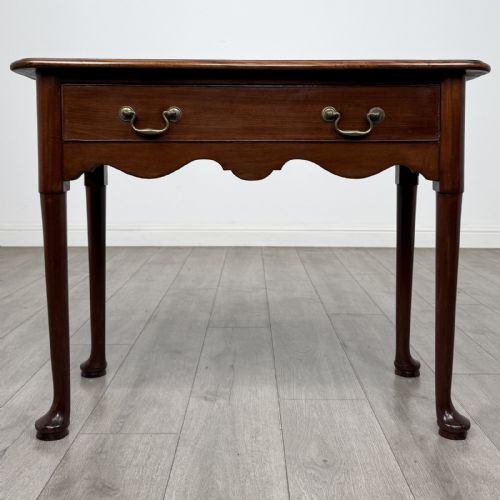
Chippendale Table
These chippendale table examples range from eighteenth-century card and tripod pieces to later revival dining and occasional forms in rich mahogany.
Chippendale Table
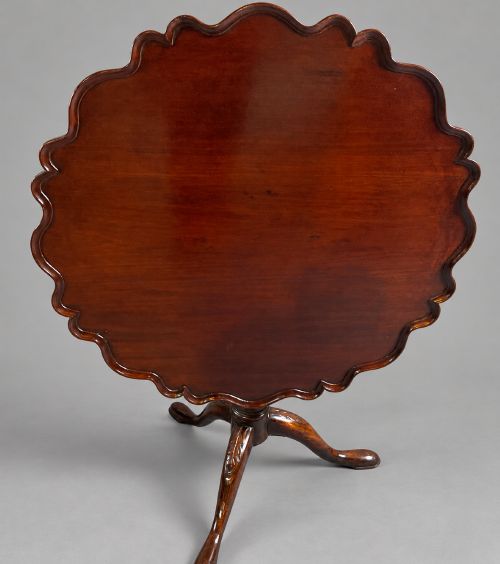
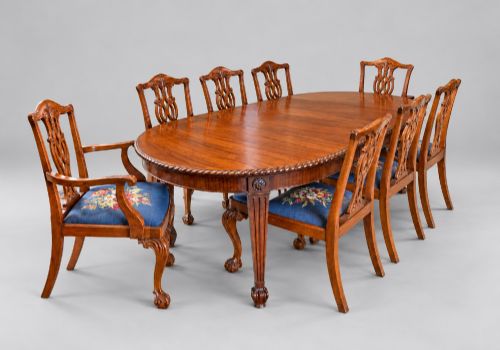
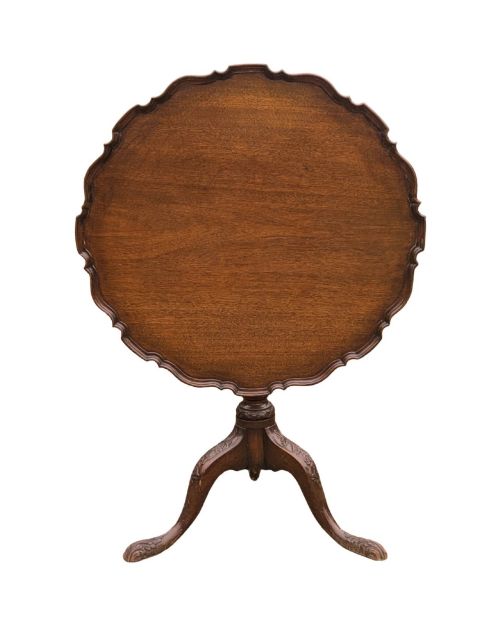
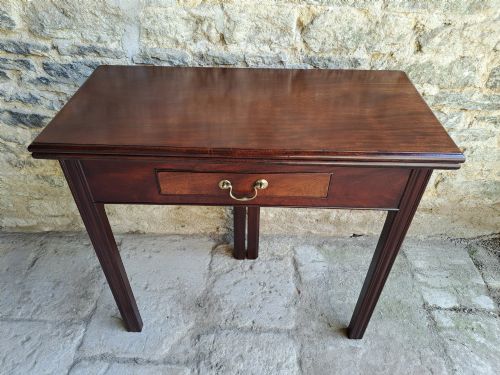
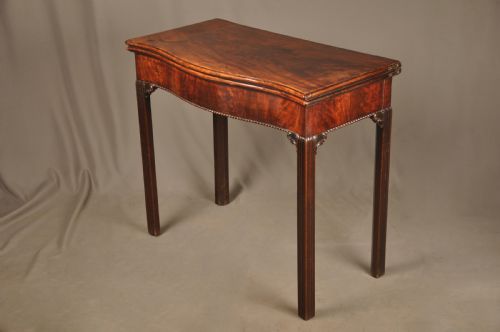
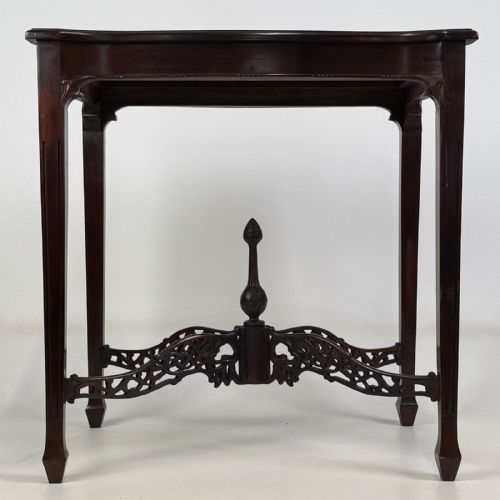
When you search for a chippendale table, you are looking at items spanning the eighteenth century through to Edwardian revivals, taking forms such as card tables, tilt-top tripod tables, side tables, and dining tables. The pieces you are most likely to meet on this page are mahogany tripod tables and card tables from the eighteenth century or later Chippendale Revival periods, alongside occasional and dining tables.
Makers and cabinet-makers working in these styles drew upon the design vocabulary associated with Thomas Chippendale, producing works in mahogany, walnut, and oak. The functional repertoire includes fold-over tops for games, birdcage mechanisms for tilting surfaces, and extending frames for dining rooms.
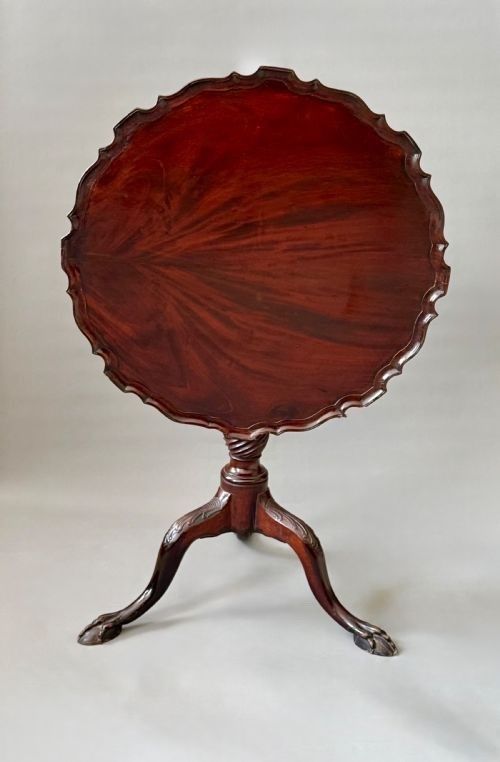
The historical spread stretches from George II and George III eras into Victorian, Edwardian, and twentieth-century interpretations. Each era brings its own proportion and detailing, from carved stretchers and pie crust edges to claw and ball feet.
How they were made
The primary material across the listings is mahogany, often supplemented by walnut, oak, padauk, brass hardware, and leather inserts. Cabinet-makers utilised dense tropical hardwoods to achieve crisp carved details on tripod legs, pie crust rims, and console skirts.
Construction techniques include tilt-top mechanisms, birdcage pivots for rotating surfaces, and drop-leaf or extending frames for utilitarian flexibility. Joinery relies on traditional framing and turning, with specific iterations featuring bobbin-turned legs or carved stretchers.
Surface finishes range from polished mahogany and parcel gilt highlights to patinated hide and leather top writing surfaces. The integration of solid timbers with structural iron or brass fittings ensures stability in folding and extending tables.
Chippendale Table Retail Price Guide 2026
Typical asking prices for chippendale table among the pieces listed under this phrase on Sellingantiques today, from the lower quarter to the upper quarter. They describe what is for sale here now, not the wider market.
The selection here spans from 18th-century Georgian originals to Edwardian and 1930s revivals, constructed primarily in mahogany with occasional walnut and oak.
What varies in quality
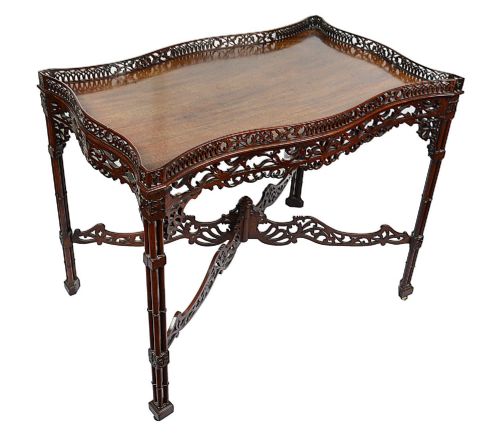
Quality reveals itself in the depth and crispness of the carved ornamentation, such as the execution of pie crust edges, claw and ball feet, and tripod leg profiles. Earlier eighteenth-century originals demonstrate hand-carving proficiency that later revivals interpret with varying degrees of fidelity.
The selection of timber grain, particularly figured mahogany or Cuban mahogany, dictates the visual richness of the surface. Superior examples maintain structural integrity in complex mechanisms like birdcage tilts and fold-over card table hinges without looseness or timber distortion.
Proportion and balance separate standard utility pieces from exceptional workshop output. Tables that retain their original surfaces, uncompromised mechanisms, and harmonious scale command greater respect among collectors.
The Chippendale Table Glossary
- Pie Crust Edge
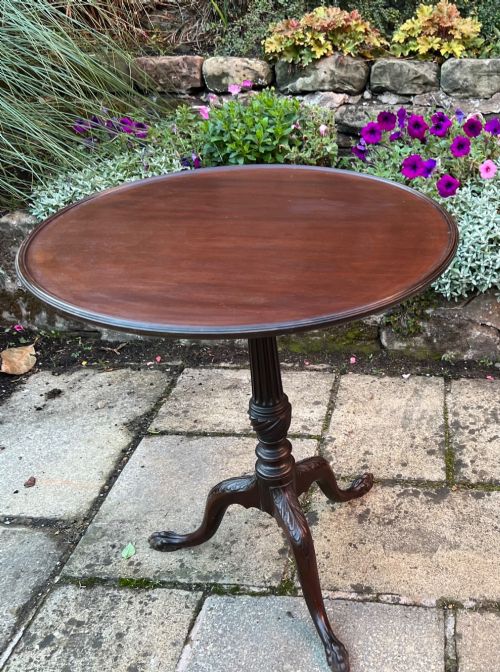
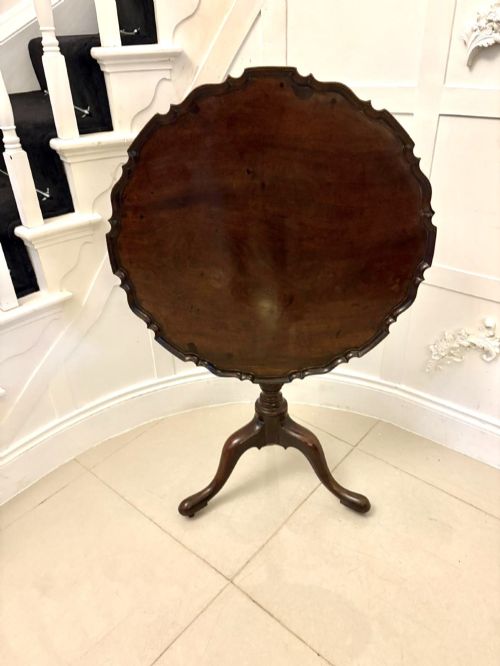
- A raised, carved decorative rim shaped in undulating curves resembling a pastry crust, commonly found on eighteenth-century tilt-top tripod tables.
- Tripod Table
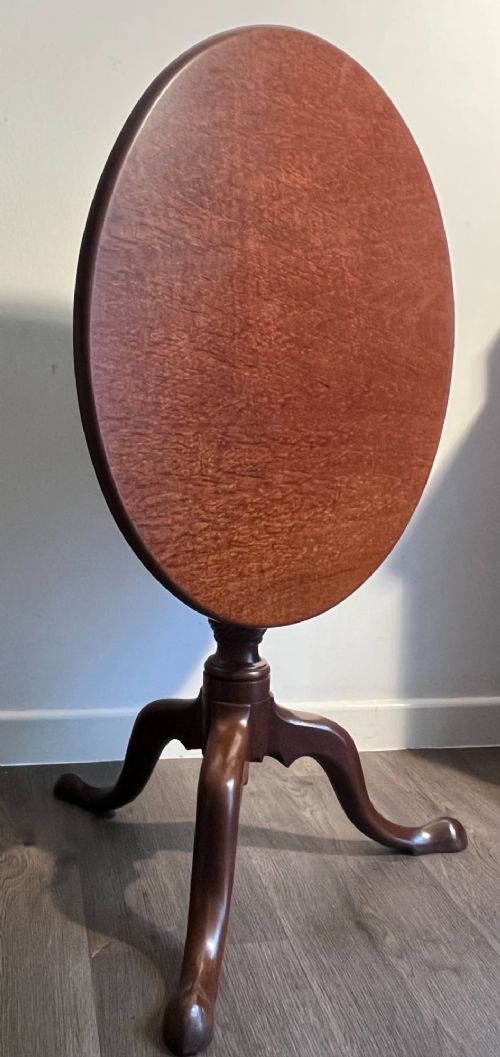
- A small occasional or tea table supported by a central pillar resting on three legs, often designed with a tipping top mechanism.
- Birdcage Mechanism
- A wooden framework beneath a table top that allows the surface to both tilt and rotate through ninety degrees.
- Card Table
- A folding table designed for games, featuring a hinged top that opens to reveal a baize or polished wood playing surface, frequently supported on four legs with one swinging gate leg.
- Chippendale Revival
- A later nineteenth or twentieth-century period of furniture production that consciously replicated or reinterpreted the styles published by Thomas Chippendale in the eighteenth century.
Chippendale Table: Frequently Asked Questions
What is a chippendale table?
A chippendale table is a piece of furniture styled after the designs of eighteenth-century cabinet-maker Thomas Chippendale or subsequent revivals. These items include card tables, tripod wine tables, and dining furniture.
They are characterised by carved mahogany frames, ornate edge treatments, and distinctive foot forms such as claw and ball.
How do I use a tilt top chippendale table?
Tilt-top tables were originally designed to be tipped into a vertical position when not in use, allowing them to be stored flat against a wall to save space in period interiors. The birdcage mechanism beneath the top permits the surface to rotate and pivot safely.
In modern rooms, they function well as occasional or side tables while retaining their original mechanical capability.
How do I tell an eighteenth century piece from a revival?
Distinguishing original eighteenth-century furniture from later Chippendale Revival pieces requires examining timber shrinkage, tool marks, and secondary woods. Earlier examples display hand-cut joinery and natural patina accumulated over centuries of use.
Revival pieces, often dating from the Victorian or Edwardian eras, tend to feature machine-assisted consistency and different structural framing methods.
What rooms suit a chippendale table?
These tables adapt easily to various domestic spaces depending on their specific form. Tripod and wine tables fit into corners or beside seating as lamp stands, while larger console or card tables anchor entrance halls and living rooms.
Extending dining tables serve their original purpose in dining spaces, combining historical character with practical utility.