


Chiparus Bronze Sculpture
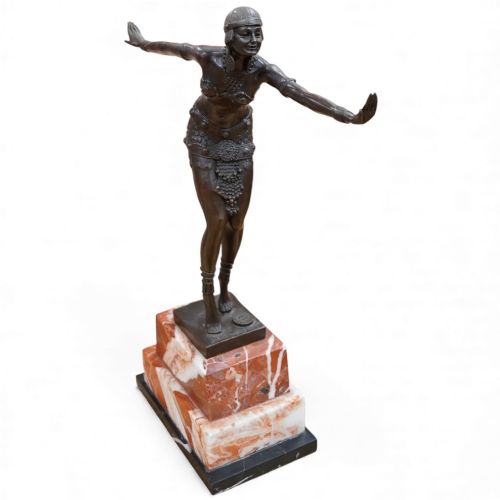
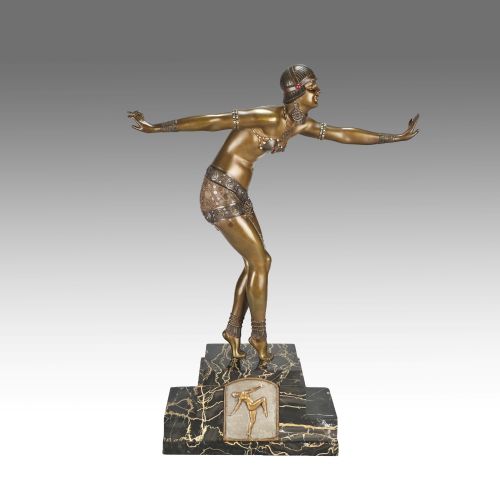
These chiparus bronze sculpture pieces capture the energetic spirit of the Art Deco period through dynamic dancer figures set upon heavy stone bases.
Chiparus Bronze Sculpture
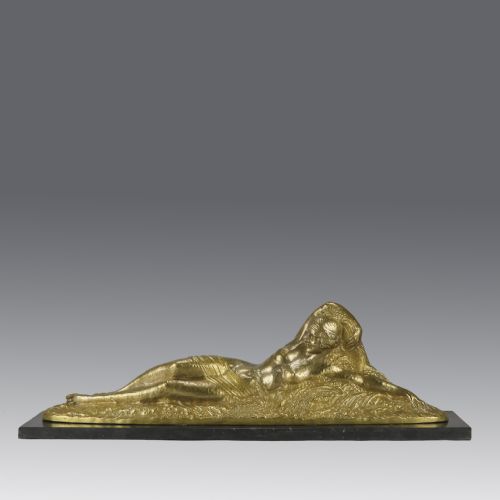
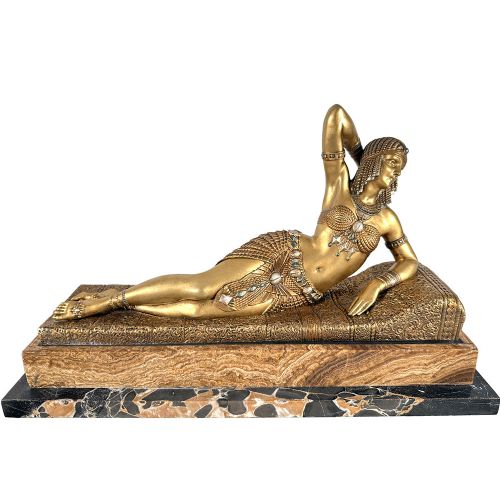
When you search for chiparus bronze sculpture, you encounter dramatic representations of dancers and female figures created during the early twentieth century. The examples on this page predominantly date from the 1920s and 1930s, embodying the distinct visual language of Art Deco design.
Most pieces depict named subjects such as Phoenician Dancer, Été, Cleopatra, Starfish Dancer, L'Eveil, Elegant Lady, and Egyptian Dancer. These sculptures frequently combine metal figures with substantial plinths made of marble or onyx to anchor the dynamic postures.
Materials and construction
The objects on this page rely on a combination of cast metal and carved stone. Artisans utilised bronze, gilt bronze, cold-painted bronze, and gilded bronze for the figures, alongside alternative metals such as spelter in specific works.
Many creations incorporate carved ivory details to render faces and hands, forming chryselephantine compositions. These metallic and organic elements are mounted upon sturdy bases of marble or onyx.
Judging quality in the range
The selection of the base material also marks a distinction between examples. Heavy, finely polished marble or onyx plinths that complement the proportions of the central figure elevate the overall presence of the sculpture.
Demetre Chiparus
The Chiparus Bronze Sculpture Glossary
- Art Deco
- A design style spanning the 1920s and 1930s characterised by stylised forms and streamlined geometric lines. It heavily influenced sculpture and decorative arts of the period.
- Chryselephantine
- A term describing statues made from a combination of metal and carved ivory. This technique was frequently utilised in Art Deco dancer figures to contrast skin tones with metallic garments.
- Cold-painted bronze
- Bronze sculpture finished with paint applied without heat. This method allowed makers to add vibrant colour to the garments of dancers.
- Patinated bronze
- Metal treated with chemical solutions to produce a specific surface colour or dark tone. This finish accentuates the contours and shadows of the cast figure.
Chiparus Bronze Sculpture: Frequently Asked Questions
What materials are used in a chiparus bronze sculpture?
These works incorporate cast bronze, gilt bronze, and cold-painted finishes alongside carved ivory for flesh tones. Bases are typically fashioned from heavy marble or onyx.
Alternative metals like spelter also appear in the record for certain group sculptures.
Which periods do these sculptures date from?
The pieces recorded here belong to the early twentieth century, specifically the decades of the 1920s and 1930s. This timeframe aligns with the height of the Art Deco movement.
Objects from this era capture the distinctive modern aesthetic of the interwar period.
What subjects are most common?
Dancers form the predominant subject matter, including specific named figures like the Phoenician Dancer, Starfish Dancer, and Egyptian Dancer. Reclining female figures and allegorical representations also appear.
Human movement and theatrical performance inspired the majority of these compositions.
How should I display these figures at home?
Due to their heavy stone bases made of marble or onyx, these sculptures require stable and secure horizontal surfaces. Placing them away from direct heat sources helps protect sensitive materials like ivory.
Allowing adequate clearance around the piece ensures the dynamic postures can be viewed properly from multiple angles.