







Chinoiserie Blue Dish
A chinoiserie blue dish brings together spirited eastern motifs and European ceramic traditions, offering bold cobalt decoration suited to both display and daily service.
Chinoiserie Blue Dish
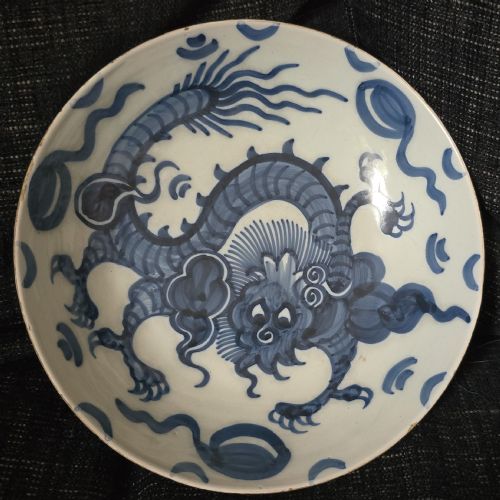
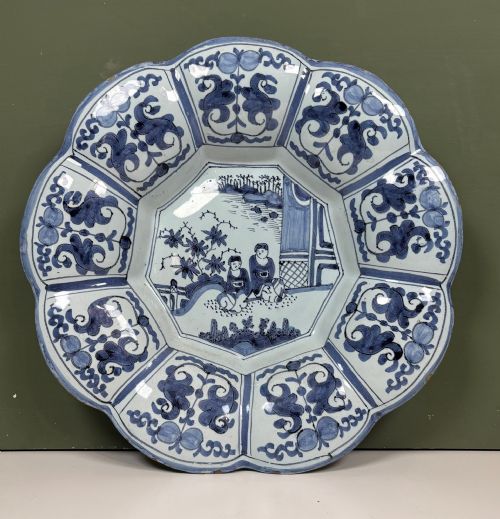
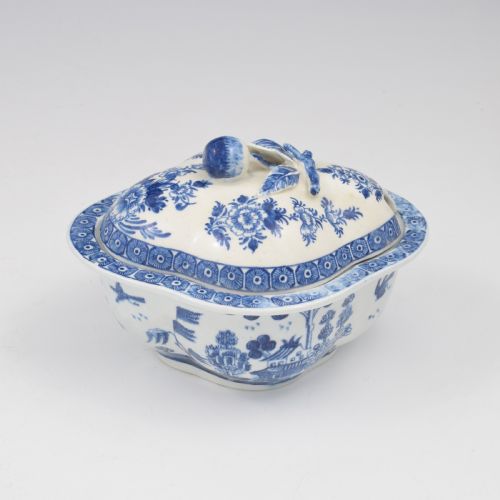
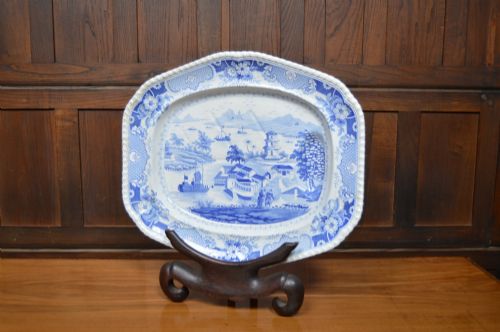
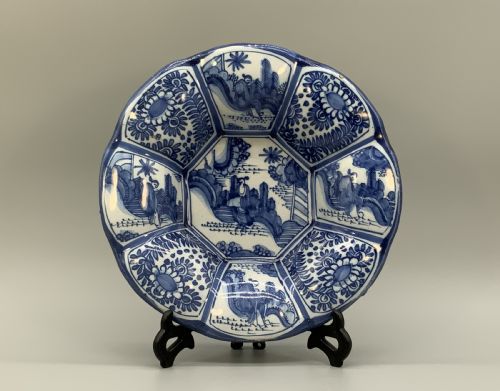
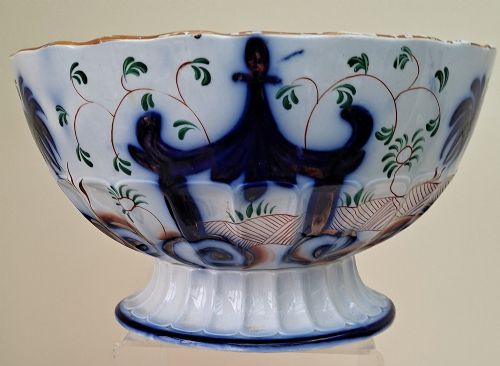
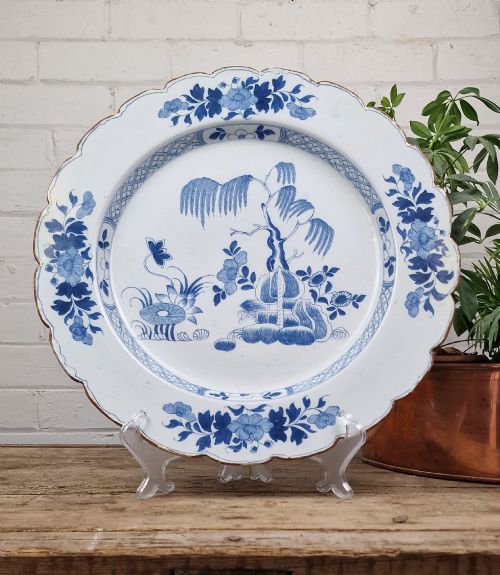
A chinoiserie blue dish encompasses a variety of domestic tableware forms, including serving platters, chargers, deep bowls, and decorative plates. When searching this phrase, a buyer encounters pieces originating primarily from the eighteenth and nineteenth centuries, spanning Georgian and Victorian eras.
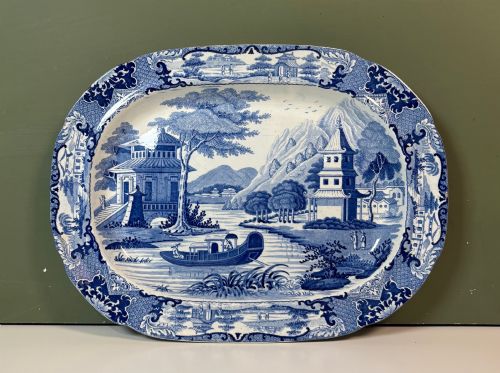
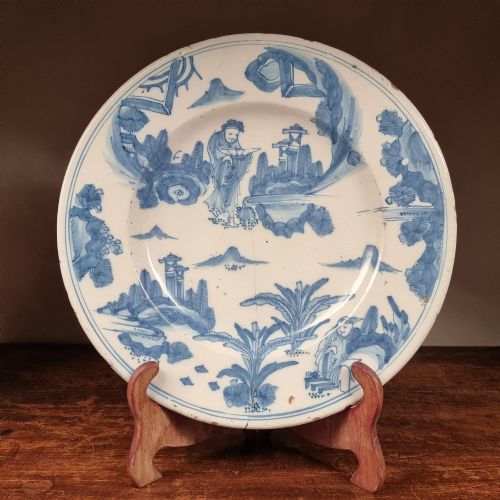
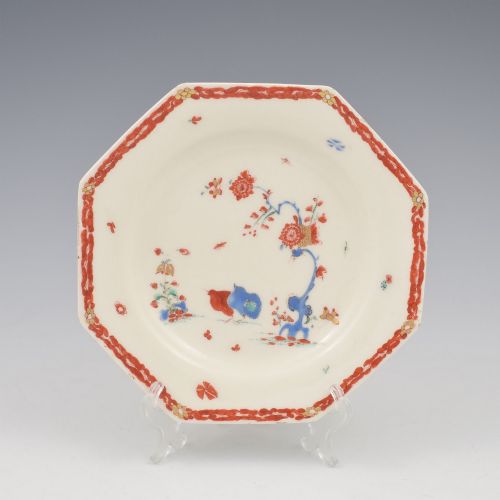
The objects frequently display hand-painted or transfer-printed scenes featuring pagodas, temples, and imaginative landscapes. English delftware, porcelain from factories such as Worcester and Derby, and pearlware earthenware represent the dominant origins found across these listings.
Materials and Techniques
Makers utilised ceramic bodies ranging from tin-glazed earthenware and soft-paste porcelain to ironstone and pearlware. These surfaces received applications of cobalt pigment or enamel decoration, often fixed by high-temperature firing.
Potters employed both freehand brushwork and transfer printing to achieve intricate oriental scenes. Tin glaze provided an opaque white background that heightened the contrast of the blue pigment.
Chinoiserie Blue Dish Retail Price Guide 2026
Typical asking prices for chinoiserie blue dish among the pieces listed under this phrase on Sellingantiques today, from the lower quarter to the upper quarter. They describe what is for sale here now, not the wider market.
Early potters occasionally populated their imaginary landscapes with improbable birds perched beside oversized rocks.
Standards of Execution
Quality rests upon the crispness of the cobalt application and the dexterity of the painted or printed brushstrokes. Superior examples display balanced composition and steady lines that bring clarity to architectural and figurative motifs.
The refinement of the ceramic body and the smoothness of the glaze influence the overall handling and visual depth of each piece. Pots that retain sharp detail in complex pagoda or floral patterns stand apart from heavier, less defined items.
Bow Porcelain·Worcester Porcelain·Derby Porcelain·Mason·Coalport·John Ridgway·Copeland and Garrett
The Chinoiserie Blue Dish Glossary
- Tin Glaze
- A lead glaze rendered opaque by the addition of tin oxide. This coating provided a smooth white surface ideal for painting blue designs.
- Chinoiserie
- A European interpretation of Chinese and East Asian artistic styles. Artisans used imaginative motifs like pagodas, exotic birds, and bridges.
- Transferware
- A pottery decoration technique where a design is printed from an engraved copper plate onto paper, then transferred onto the ceramic body.
Chinoiserie Blue Dish: Frequently Asked Questions
Can I use these dishes daily?
While many of these items served practical dining functions originally, their age warrants careful handling today. Chargers and large platters suit occasional service or stable display.
Sturdier ironstone or transferware plates handle light use well, though softer earthenwares and delft benefit from being kept as decorative cabinet pieces.
How do I date a dish?
Examine the ceramic body, glaze characteristics, and the style of the blue decoration to establish an era. Pearlware and refined ironstone often point towards the nineteenth century, while tin-glazed earthenware typically signals the eighteenth century.
Maker marks stamped or painted on the reverse provide further clues, though many early items remain unmarked.
What does transfer printing look like?
Transfer printing creates a repeating, highly detailed pattern transferred mechanically via paper onto the clay. The lines appear uniform and sharp under close inspection.
This method differs from hand-painted blue decoration, which shows subtle brush marks and minor variations in pigment density.