
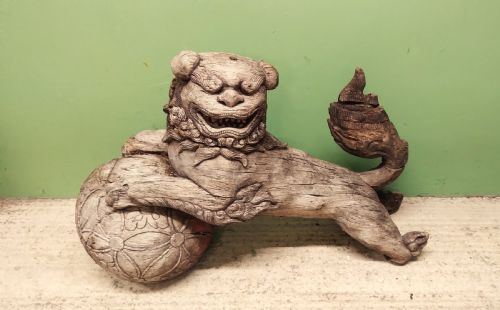


Chinese Wooden Sculpture
These Chinese wooden sculpture works range from robust temple figures to intricate hardwood carvings spanning the eighteenth to early twentieth centuries.
Chinese Wooden Sculpture
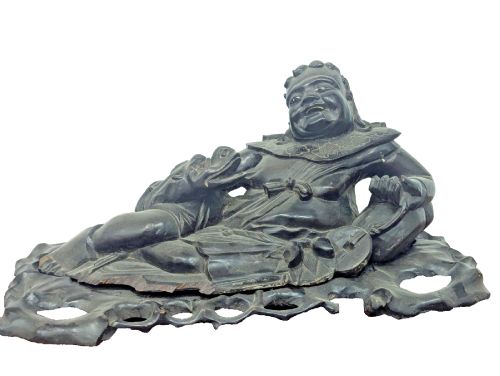
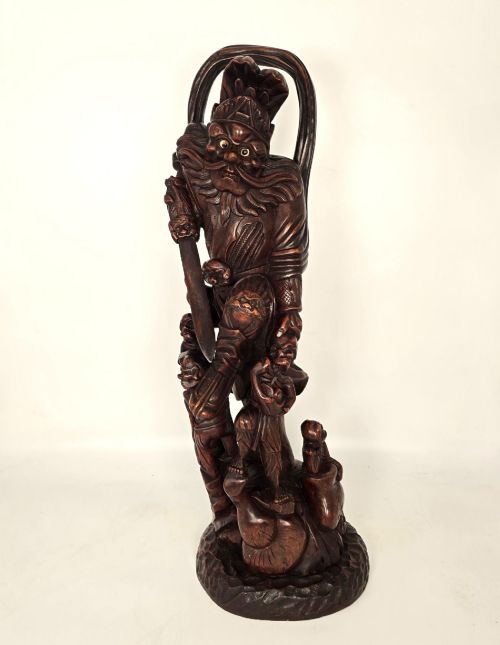
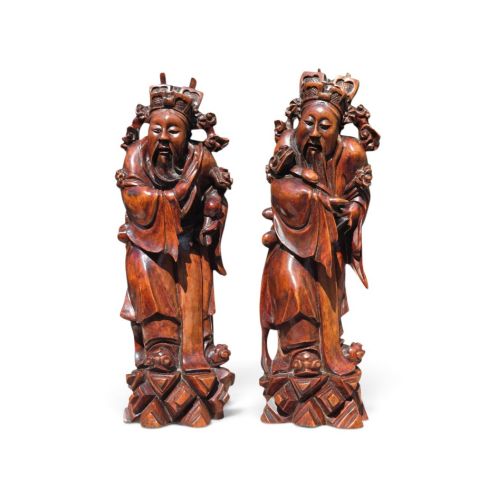
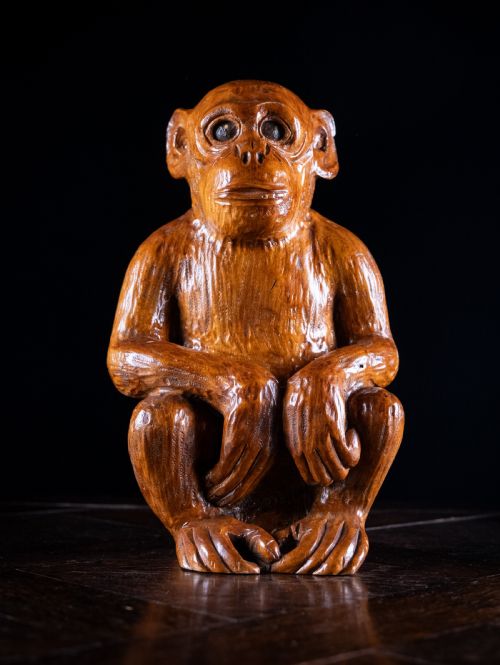
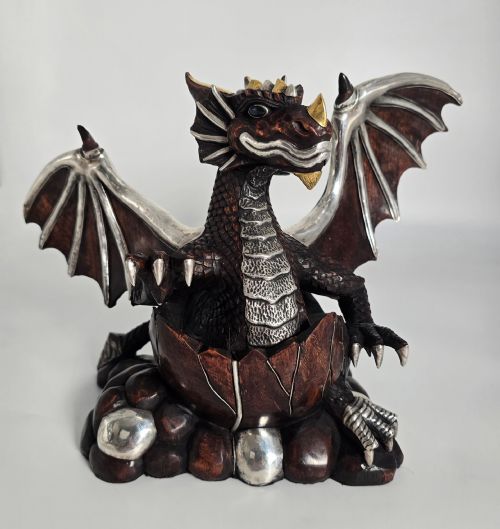
A Chinese wooden sculpture encompasses figures of deities, guardians, scholars and mythical beasts produced across the Qing Dynasty and into the early twentieth century. Buyers encounter monumental temple guards, pairs of Daoist immortals and Foo dogs alongside naturalistic root wood carvings of figures and animals.
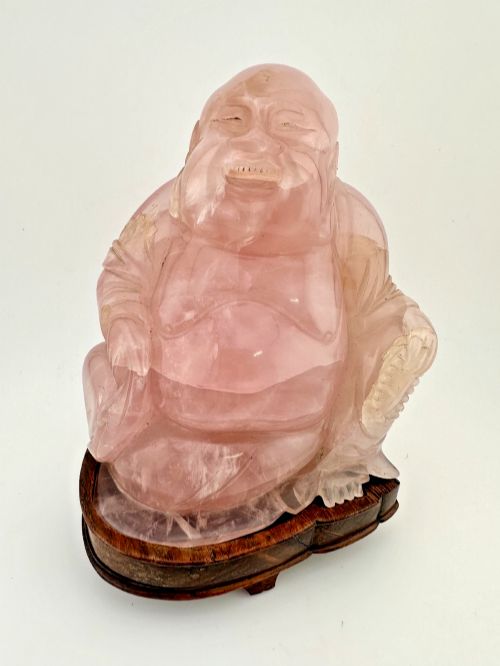
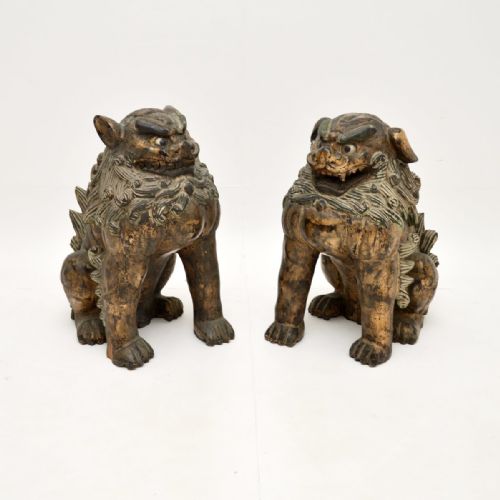
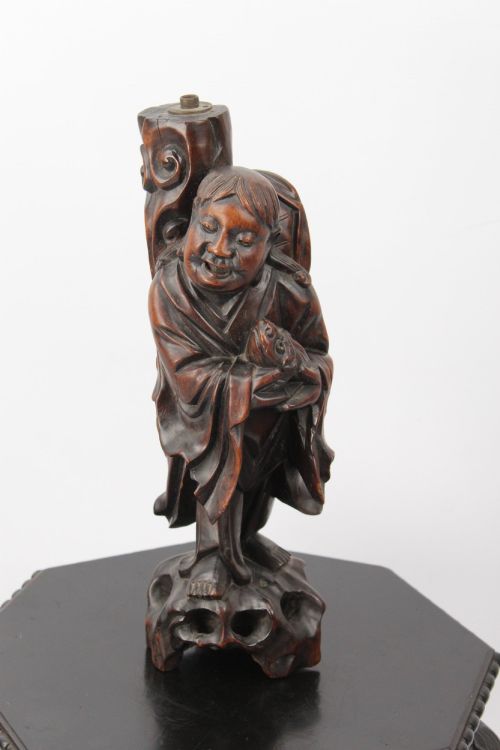
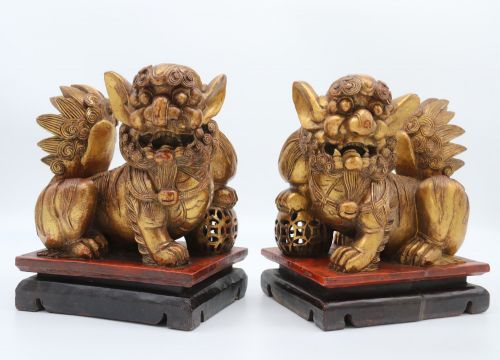
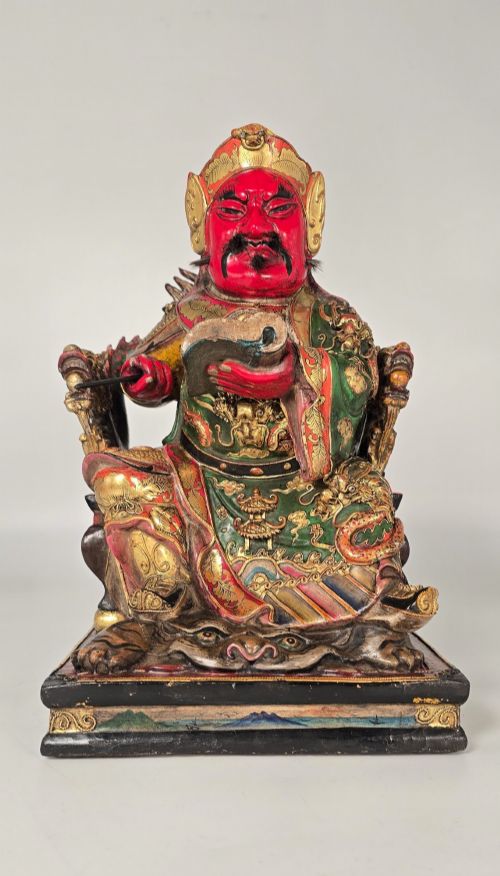
The objects appearing most frequently on this page include hardwood figures of Budai, Lokapala temple guardians and Foo dog statues. These pieces reflect traditional iconography, depicting historical deities, Buddhist figures and auspicious animals intended for domestic display or temple settings.
Materials and construction methods
Carvers utilised dense hardwoods, boxwood and organic root wood to construct these sculptures, exploiting the natural grain and irregular forms of the material. Artisans frequently shaped root wood into figures that incorporated the gnarled contours of the timber directly into the finished composition.
Listings feature items spanning the eighteenth century through the early twentieth century, encompassing the Qing Dynasty and the transition to the Republic period.
Assessing craftsmanship and sculptural depth
Quality rests upon the depth of the carving and the control of anatomical proportions in figures such as guardians and immortals. Superior examples display spirited facial expressions, crisp detailing in the hair and robes, and careful integration with the original timber grain.
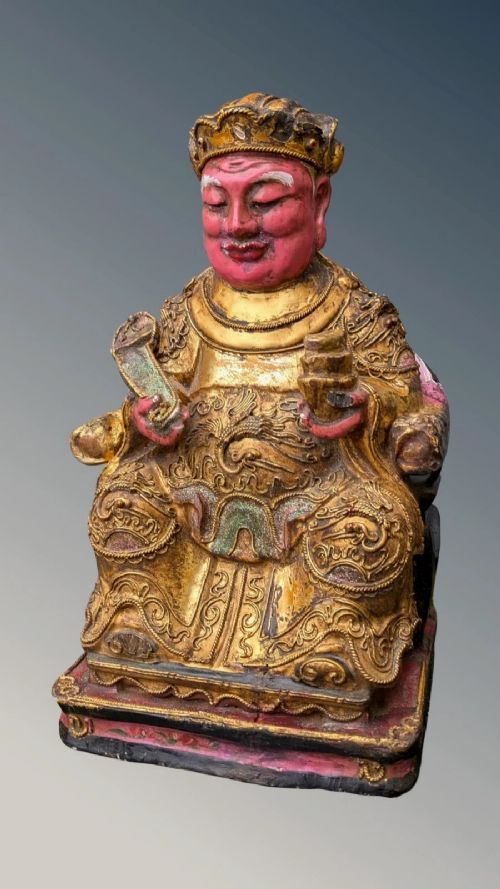
The preservation of original surface treatments, including traces of polychrome pigment and gold leaf, distinguishes finer decorative pieces. Greater sculptural ambition appears in large-scale temple figures and matched pairs that maintain balanced compositions across both items.
The Chinese Wooden Sculpture Glossary
- Budai
- A representation of the laughing monk often depicted as a stout, jovial figure associated with contentment. This subject appears frequently in carved hardwood and standing figures.
- Foo Dog
- A traditional guardian lion depicted with a fierce expression and paw resting on a brocade ball or cub. These protector figures are carved in pairs from wood or root wood.
- Root wood
- Timber utilised for its natural, gnarled root formations to guide the shape of figurative carvings. Artisans incorporate the twisting grain directly into the subject matter of scholars and animals.
- Qing Dynasty
- The imperial dynasty ruling China from sixteen forty-four to nineteen twelve. Many carved wooden sculptures and temple figures date from the later decades of this period.
Chinese Wooden Sculpture: Frequently Asked Questions
How were these wooden sculptures used?
Many figures served devotional purposes within temples, acting as guardians, Buddhas or representations of Buddhist immortals. Others functioned as auspicious decorative objects within domestic scholar spaces to bring good fortune.
Larger statues often stood in religious complexes, while smaller root wood carvings and hardwood figures occupied interior tables and domestic shrines.
What wood types appear most often?
Carvers utilised dense hardwoods, boxwood and organic root wood for these pieces. The natural grain of the timber often determined the final shape of the sculpture, particularly in root wood pieces.
Surfaces were frequently finished with lacquer, gold leaf or polychrome paint to enhance the visual impact of the figures.
How do I care for antique wooden sculpture?
These items require stable indoor humidity and protection from direct sunlight to prevent the timber from splitting. Dusting gently with a dry, soft cloth preserves the delicate carved surfaces and any remaining paint or gilt.
Avoid applying liquid polishes or cleaners, which can damage aged lacquer, polychrome paint and exposed wood surfaces.