
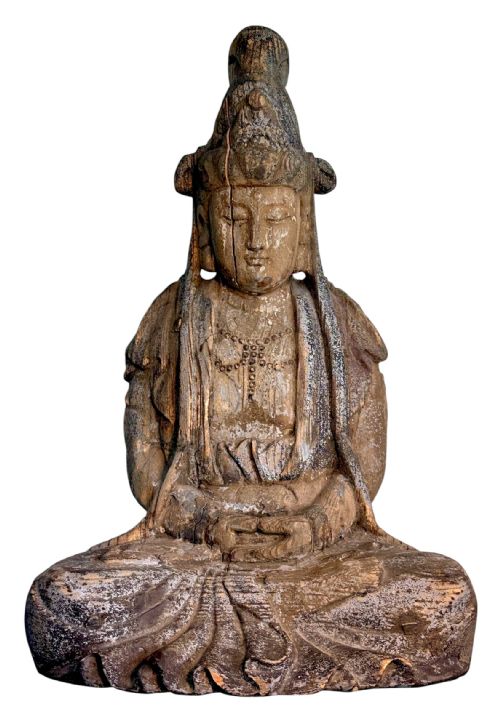


Chinese Wood Carving Figure
These pieces of chinese wood carving figure bring centuries of traditional craftsmanship and narrative depth directly into domestic interiors.
Chinese Wood Carving Figure
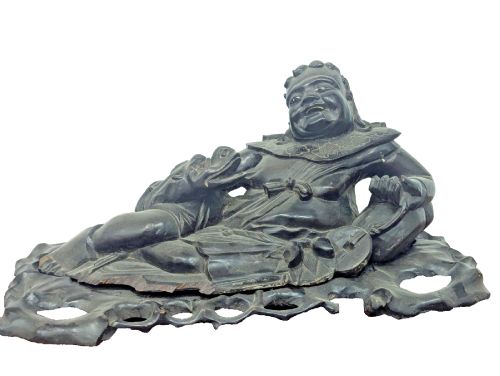
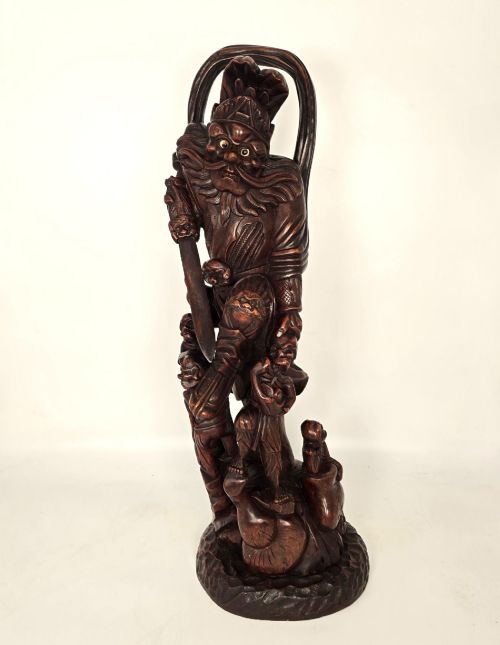
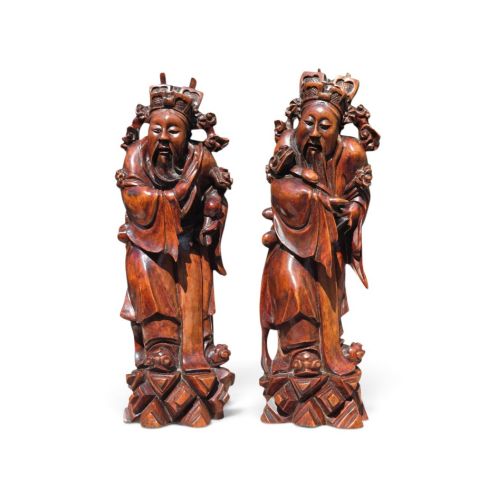
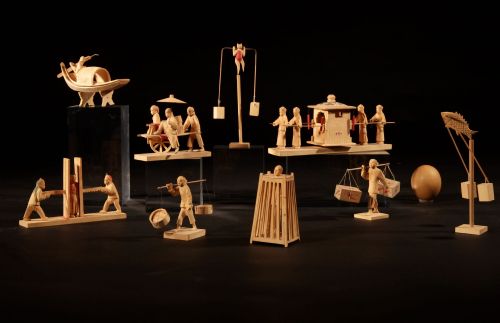
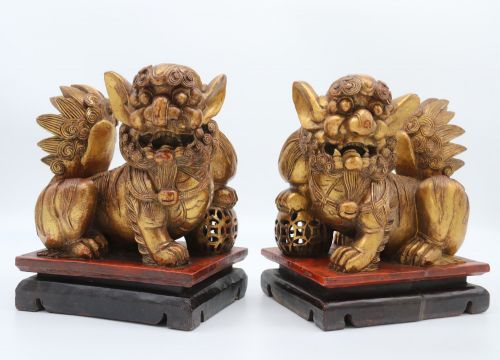
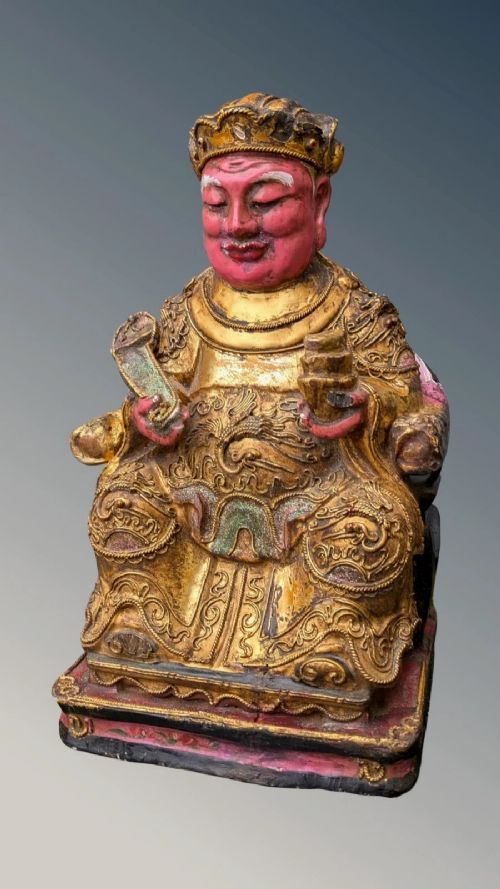
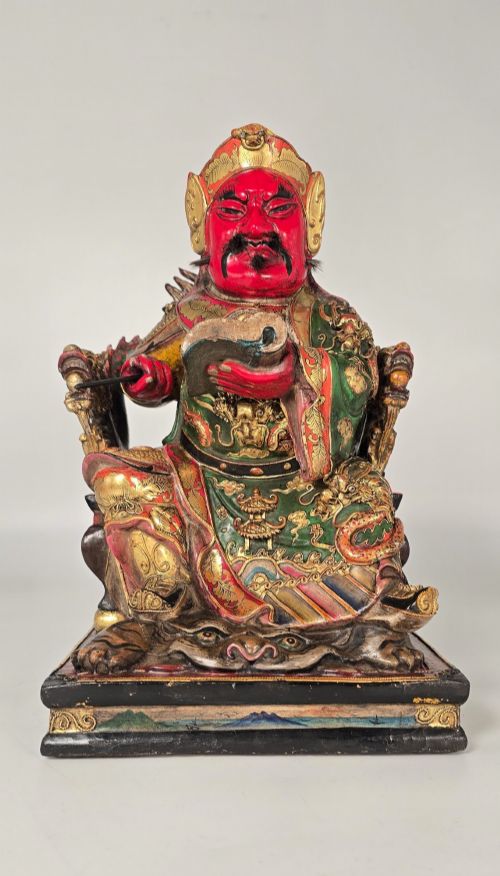
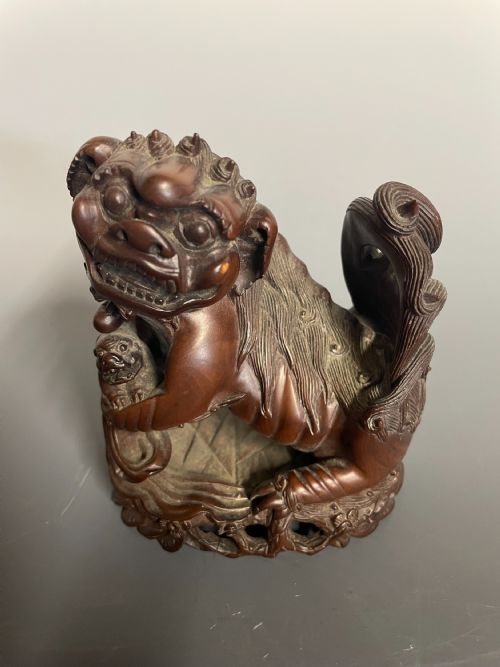
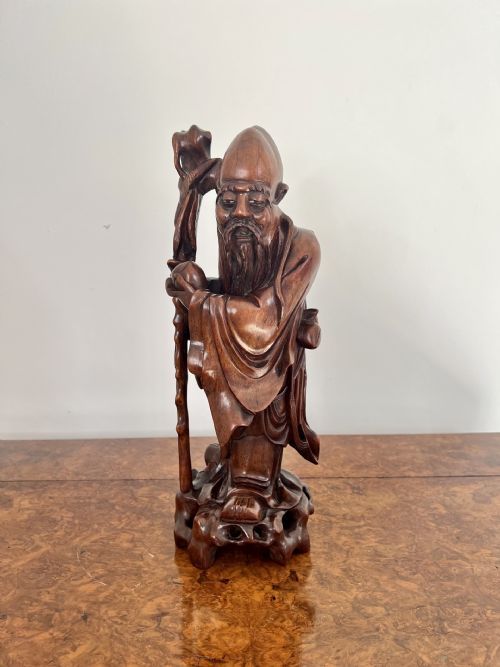
A chinese wood carving figure encompasses traditional representations of Buddhist immortals, Daoist deities, temple guardians, scholars, and daily life scenes. Buyers searching this phrase meet everything from monumental temple figures and pairs of foo dogs to smaller root wood carvings and table lamps.
The objects span centuries of production, with a strong representation of nineteenth-century pieces alongside works from the eighteenth century and the early twentieth century. Common subjects include Budai laughing Buddha, animals such as elephants and water buffaloes, and figures of fishermen or civil officials.
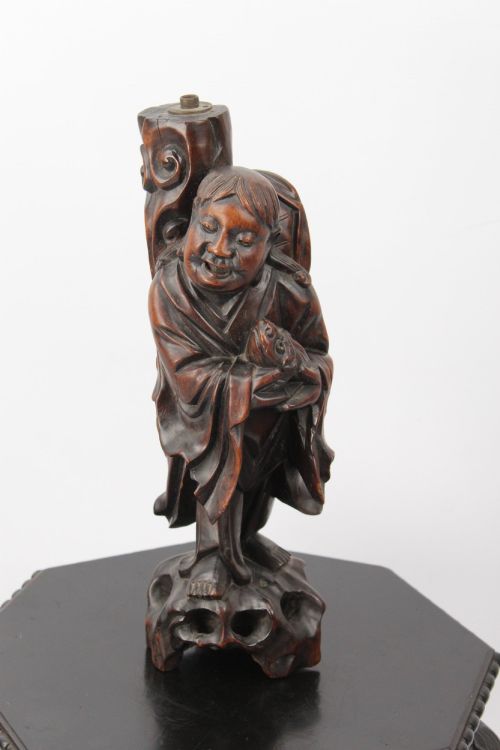
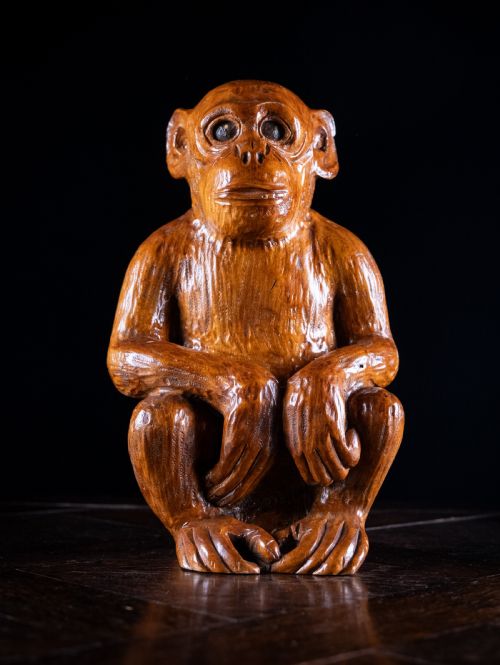
Root wood and hard woods dominate the forms, shaped to follow the natural contours of gnarled timber or carved in high relief with detailed polychrome paint and gilt finishes. Many items function as standalone sculptures, while others are adapted into functional objects like lamps or head rests.
Materials and construction
Makers utilised dense hardwoods, boxwood, and organic root wood, often selecting gnarled timber to follow the natural twists of the material. These woods were shaped using hand-carving techniques to achieve deep undercuts and high relief detailing.
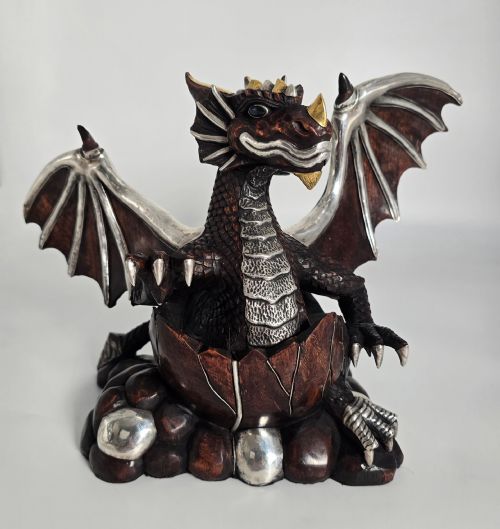
Surface decoration frequently involved layers of lacquer, gold leaf, and polychrome paint applied over wood or mixed metal mounts. Some temple figures combined gilt and polychrome wood construction to highlight robes and facial expressions.
Listings feature items spanning the 18th, 19th, and early 20th centuries, created in hardwood, root wood, and boxwood.
Evaluating craftsmanship
Quality rests upon the ambition of the carving and the fidelity of the anatomical and sculptural detail, from the expressive faces of temple guardians to the fluid contours of root wood figures. Superior examples display confident handling of the timber grain, integrating natural knots and twists into the final composition.
The preservation of original surface finishes, including polychrome pigments, lacquer, and gold leaf, distinguishes finer works from heavily restored or stripped pieces. The crispness of the undercut work and the natural stability of the seasoned wood further separate standard production from masterworks.
The Chinese Wood Carving Figure Glossary
- Root wood
- Timber sourced from the root burls of trees, prized for gnarled, twisted shapes that carvers incorporate into figures. This material allows the natural grain to dictate the form of scholars or mythical beasts.
- Polychrome
- Painted in several colours, often applied over gesso or directly onto carved wood. This technique brings decorative detail to temple figures and deities.
- Gilt wood
- Wood coated with a thin layer of gold leaf or gold paint. It appears frequently on Buddhist lions and temple guardian sculptures.
- Qing Dynasty
- The final imperial dynasty of China, lasting from 1644 until 1912. Many carved figures date from the later years of this period.
Chinese Wood Carving Figure: Frequently Asked Questions
What are Chinese wood carvings made from?
Makers used various timbers including dense hardwoods, boxwood, and gnarled root wood. Many surfaces also feature layers of lacquer, gold leaf, and polychrome paint.
Some pieces incorporate mixed metal mounts or stand on dedicated wooden bases.
How do you date a wooden figure?
Dating relies on stylistic markers associated with dynasties, carving depth, tool marks, and the ageing of the wood and surface finishes. Nineteenth-century pieces often display distinct patination and folk art influences.
Comparative analysis of subject matter, such as civil officials or Daoist immortals, also helps narrow the period of origin.
Where were these figures originally placed?
Larger temple figures and guardians stood within sacred spaces or ancestral halls to provide protection and spiritual presence. Smaller scholarly carvings and root wood sculptures occupied domestic interiors, scholar's desks, and reception rooms.
Some items, such as table lamps and head rests, served practical functions alongside their decorative roles.
How should I care for antique wood carvings?
Keep wooden sculptures away from direct sunlight and fluctuating heat sources to prevent the timber from drying out and splitting. Dust gently with a dry, soft cloth and avoid chemical polishes that can damage original lacquer or polychrome surfaces.