


Chinese Temple Lions
Chinese temple lions are powerful guardian figures carved in wood, cast in metal or shaped in ceramic to stand watch over sacred spaces.
Chinese Temple Lions
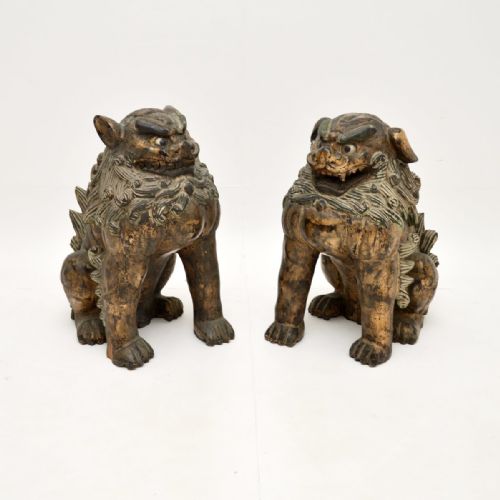
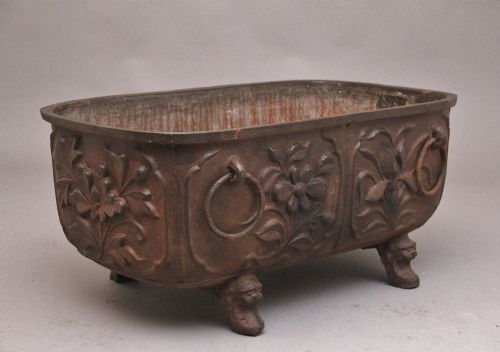
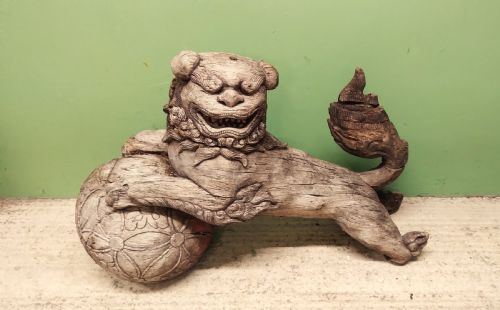
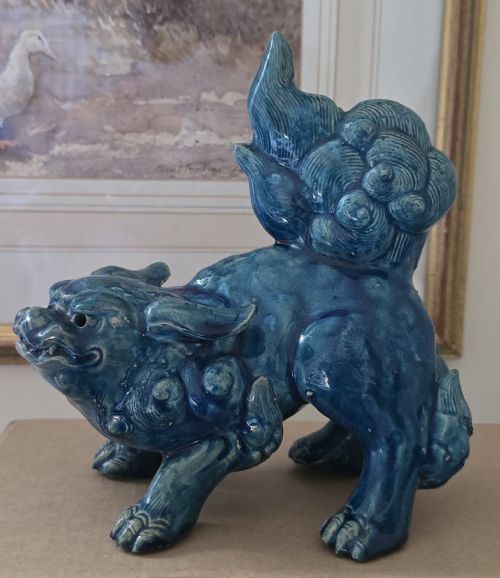
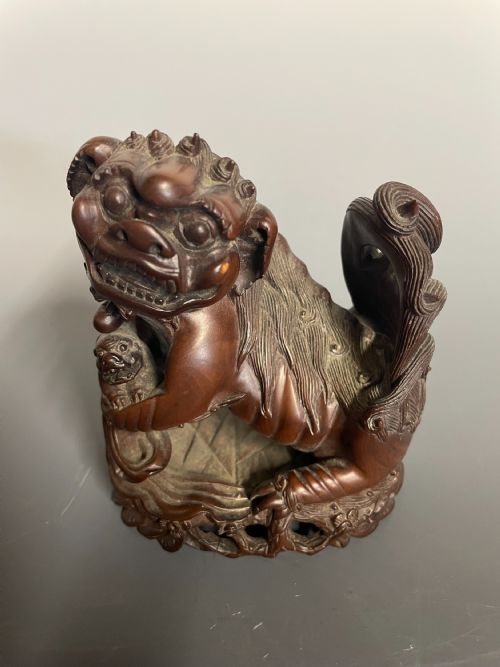
Chinese temple lions are traditional sculptural figures also known as foo dogs, shishi or Buddhistic lion dogs. These guardian sculptures appear as pairs in various forms, acting as decorative figures, garden planters, and even flanking temple baths.
The pieces on this page span several centuries, with examples stretching from the eighteenth century through the nineteenth century and into the early twentieth century. Buyers encounter carved wood statues, porcelain enamelled figures, bronze temple lions, and cast iron guards.
Originating predominantly from Chinese traditions, the selection also includes Japanese Meiji period examples and French cast iron interpretations. Sculptures range from boxwood carvings and pottery figures to monumental bronzes weighing thirty-five kilograms.
Materials and Construction
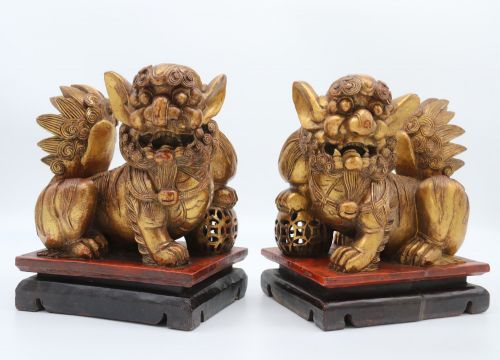
Carved wood and boxwood provide the foundation for many traditional sculptures, often enhanced with gilt, lacquer or polychrome treatments. Artisans shaped these organic materials to capture the fierce expressions and detailed manes characteristic of guardian lions.
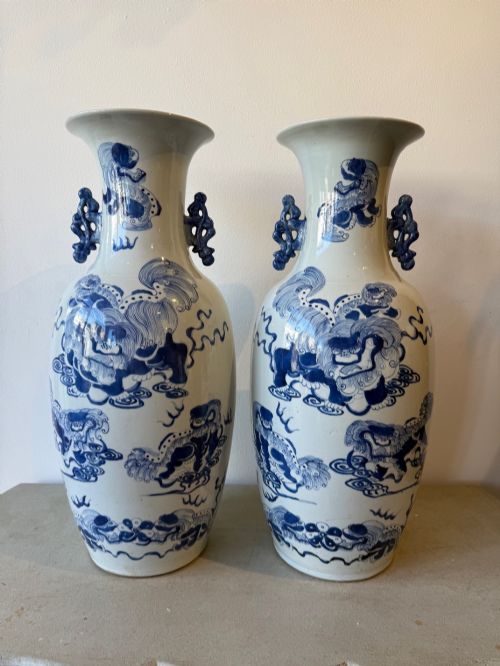
Ceramic, pottery and porcelain pieces utilise glazes such as turquoise, pale green, and blue and white enamels. Kiln workers fired these clay figures during the Qing dynasty and later periods to achieve durable, vitrified surfaces.
Metal-working techniques include casting in bronze, brass and cast iron. Artisans rendered heavy temple lions and temple baths in metal, occasionally adding script or gilt highlights to define the surface details.
Listings feature materials spanning carved wood, porcelain, cast iron, bronze, pottery and brass across multiple centuries.
Judging Quality and Execution
The distinction between ordinary and superior pieces rests on the crispness of the carving and the fidelity of the sculptural form. Wood carvings show mastery where the musculature, claws and swirling manes retain sharp definition rather than softening into rounded contours.
In ceramic and porcelain examples, quality shows in the control of the glaze and the precision of the enamelling. Even firing temperatures and clean brushwork separate finer kiln productions from simpler commercial outputs.
Scale and material substance also dictate the standing of a piece, particularly in heavy cast bronze or large carved timber figures. Heavier casts and dense hardwoods demonstrate a commitment to substantial materials that lesser decorative items bypass.
The Chinese Temple Lions Glossary
- Foo dog
- A Western term for Chinese guardian lions, which are actually representations of lions rather than dogs. These mythical beasts derive from Buddhist iconography.
- Shishi
- The Japanese term for stone lion, denoting guardian lion figures created within Japanese artistic traditions such as the Meiji period.
- Shiwan
- A type of Chinese pottery and ceramic ware produced in Guangdong province, known for expressive figurative sculptures and distinctive glazes. Pieces from this tradition often display rich surface textures.
- Qing dynasty
- The final imperial dynasty of China, lasting from sixteen forty-four to nineteen twelve. Many pieces on the market date from the later years of this period.
- Chinoiserie
- A European artistic style that reflects Chinese decorative influences. This aesthetic appears in Western interpretations of Asian art forms.
Chinese Temple Lions: Frequently Asked Questions
What do Chinese temple lions represent?
These guardian figures symbolize protection, power and prosperity. Traditionally placed outside gates and temples, they ward off negative energy and malevolent spirits.
Pairs typically consist of a male holding a brocade ball and a female restraining a cub. This dynamic balances Yin and Yang energies within the protective pair.
Where were temple lions placed?
Historic placement involved flanking the thresholds of palaces, temples, government offices and wealthy homes. They stood ready to guard the entrance against spiritual and physical intruders.
Interior placements also occurred on smaller scales, utilising boxwood carvings, porcelain figures and bronze tableaus to protect domestic spaces.
How do I date a temple lion?
Dating relies on material characteristics, glaze formulations, and stylistic markers associated with specific periods like the Qing dynasty or Meiji period. Wood patination and wear patterns further indicate age.
Construction methods also guide attribution, as nineteenth-century casting techniques differ visibly from twentieth-century production standards.
Can temple lions live outside?
Stone, cast iron and bronze examples tolerate outdoor environments well. These resilient materials withstand weather when properly sited in gardens or on patios.
Wood, porcelain and pottery pieces require indoor placement. Moisture and temperature fluctuations damage organic wood structures and delicate ceramic glazes.