


Chinese Ritual Bronze Vessel
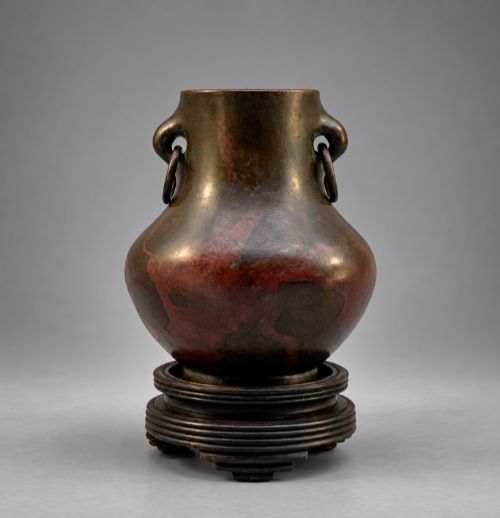
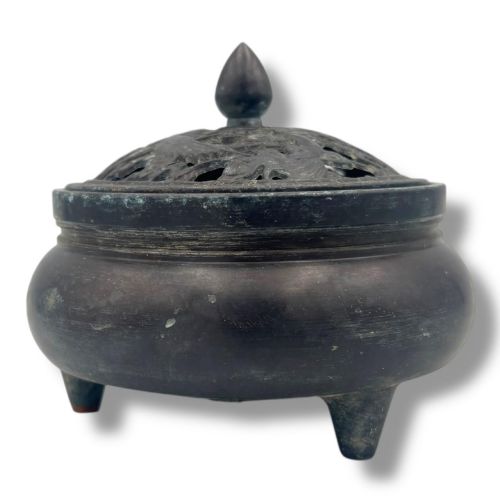
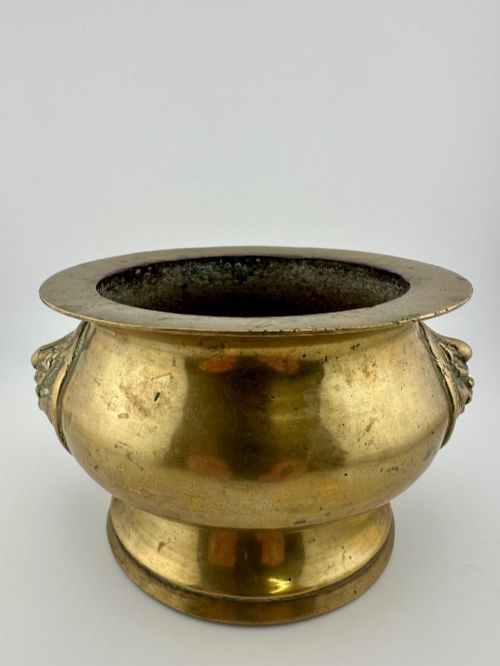
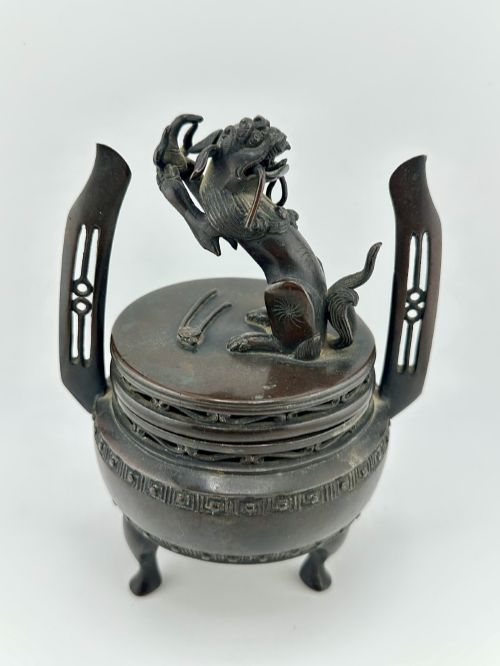
These heavy, patinated pieces of chinese ritual bronze vessel range from archaic wine forms to later censers cast for scholars.
Chinese Ritual Bronze Vessel
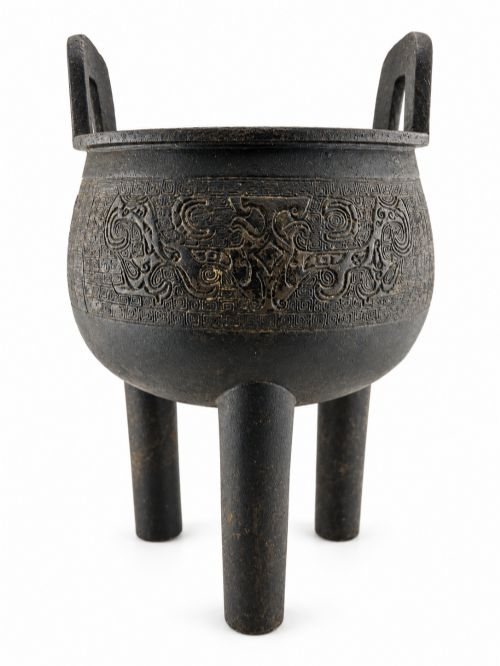
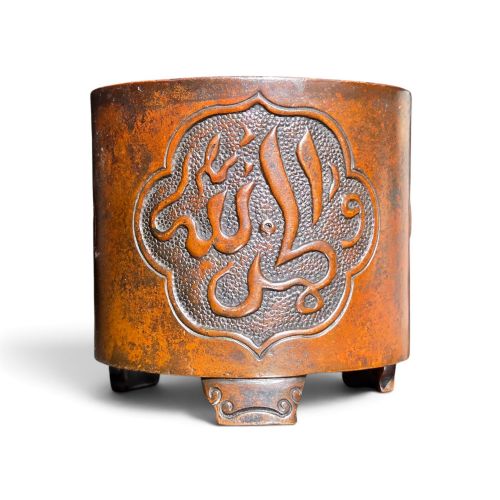
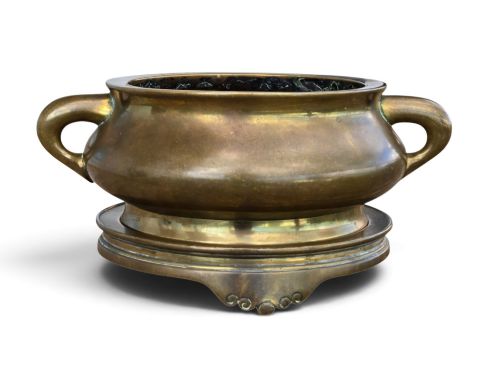
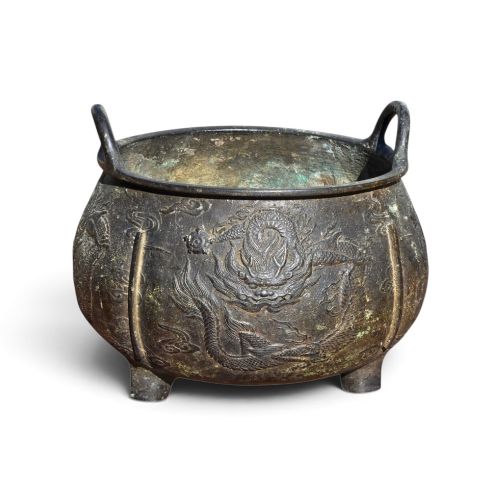
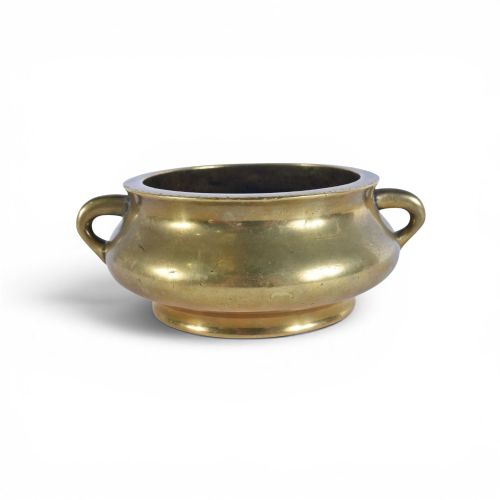
A chinese ritual bronze vessel connects the collector directly to centuries of ceremonial metalwork, spanning Ming dynasties, Qing reigns, and later nineteenth-century revivals. The most common forms met here are tripod censers, ding vessels, gui bowls, and gu wine vessels designed for ancestor worship or scholar's desks.
The evidence shows production spreading from sixteenth-century workshops right through to nineteen-twenties revivals. Pieces take the shape of jue cups, lotus forms, and cylindrical containers made for domestic display or export markets.
Makers drew heavily on ancient Shang and Zhou shapes, reinterpreting archaic motifs for later dynasties. Buyers encounter everything from massive altar vases to small censers bearing apocryphal Xuande marks.
Materials and Technique
These objects rely on heavy bronze, brass, and copper alloy castings that provide substantial weight and bell-ring resonance. Metalworkers utilised lost-wax casting methods to achieve thick walls capable of holding heat during incense burning.
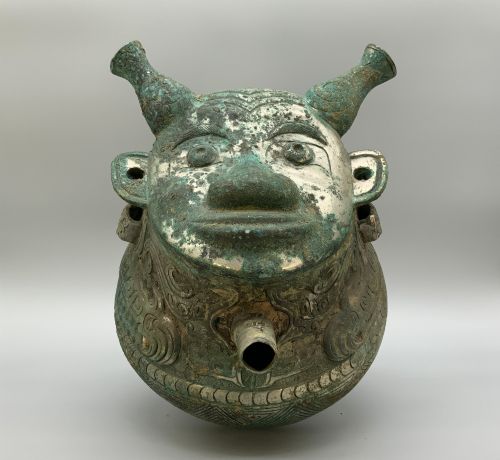
Surfaces feature deliberate patination, verdigris finishes, and applied cloisonné enamel details. Cast elements such as lion-mask handles, qilin finials, and taotie decoration are integrated directly into the body during the casting process.
Listings for a chinese ritual bronze vessel span eight distinct centuries, from sixteenth-century Ming pieces to early twentieth-century interpretations.
Judging Quality
Quality rests primarily in the crispness of the casting and the density of the metal relative to the object's size. Superior examples display sharply rendered taotie masks and deeply incised details rather than softened, worn contours from secondary moulds.
The sophistication of the patina also separates standard production from finer scholar's pieces. A stable, variegated surface tone built up over generations indicates superior metal composition and careful finish work.
The Chinese Ritual Bronze Vessel Glossary
- Archaistic
- Imitating the ancient bronze styles of the Shang and Zhou dynasties. This aesthetic revival occurred across several later imperial periods.
- Ding
- A ritual tripod vessel featuring two upright loop handles and a deep round or square bowl. These forms originated as ancient food containers.
- Censer
- A container designed for burning incense safely during ceremonies or in scholarly spaces. Many examples incorporate fitted lids with ventilation.
- Jue
- An ancient style of ritual wine vessel supported on three splayed legs with a distinct pouring channel and dual posts. Later metalworkers recreated these shapes for collectors.
Chinese Ritual Bronze Vessel: Frequently Asked Questions
What is a chinese ritual bronze vessel used for?
These objects served ancestral rituals, sacrificial offerings, and scholar's desk functions such as burning incense. Later interpretations often functioned as decorative vessels or altar pieces.
Over time, collectors repurposed many of these items purely for display while retaining their historical resonance.
How do I identify the period of a chinese ritual bronze vessel?
Period identification relies on matching casting weight, alloy composition, and decorative motifs against documented examples from the Ming and Qing dynasties. Marks on the base, such as Xuande seals, offer chronological clues but often reflect later tribute rather than exact dates.
Stylistic shifts between archaic revivals and nineteenth-century production help narrow down the manufacturing era.
Are these vessels made of solid bronze?
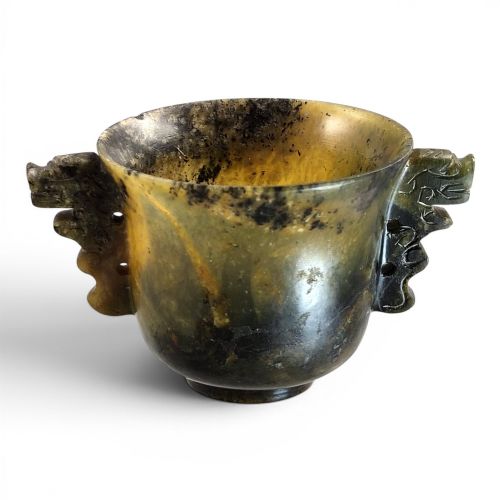
The pieces recorded here consist of heavy-cast bronze, brass, or copper alloy, frequently showing significant mass in relation to their physical size. Some examples incorporate nephrite elements or cloisonné enamel decoration.
Substantial weight and dense wall construction are characteristic traits of these metal objects.
How should I clean a chinese ritual bronze vessel?
Historic patinas and verdigris surfaces should be preserved rather than scrubbed away, as these layers contribute directly to the historical character. Gentle dusting with a dry cloth is sufficient for routine maintenance.
Harsh chemical cleaners or metal polishes will strip away centuries of oxidation and permanently damage the finish.