



Chinese Pottery Sculpture
Chinese pottery sculpture brings ancient rituals and centuries of kiln artistry directly into your home through figures spanning dynasties and later revivals.
Chinese Pottery Sculpture
When you search for chinese pottery sculpture, you encounter figures made for ancient tombs alongside later decorative creations. The selection ranges from pre-sixteenth century burial pieces to twentieth-century interpretations.
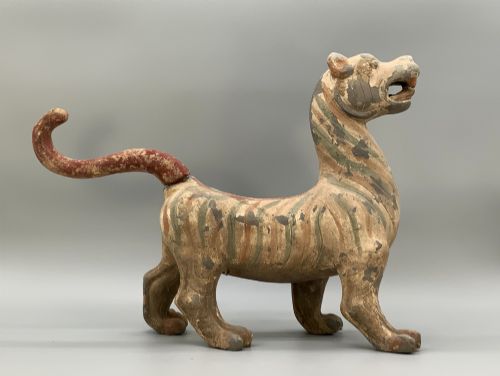
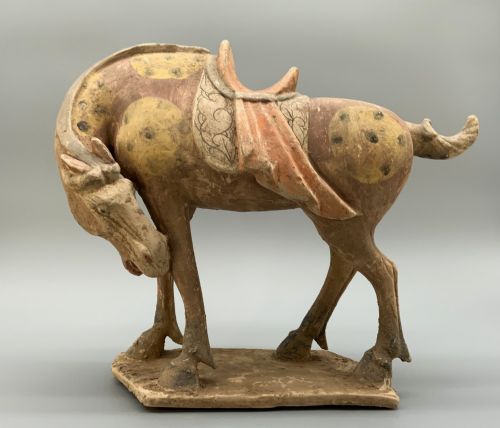
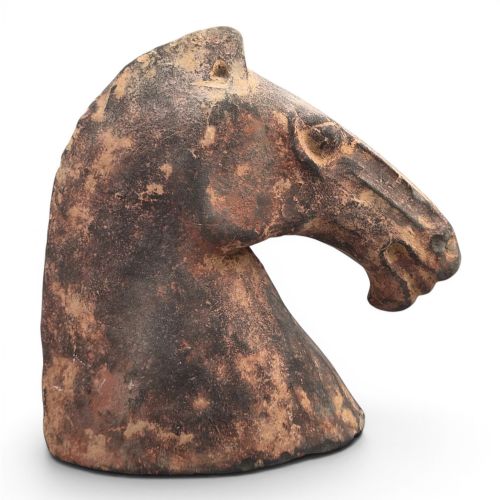
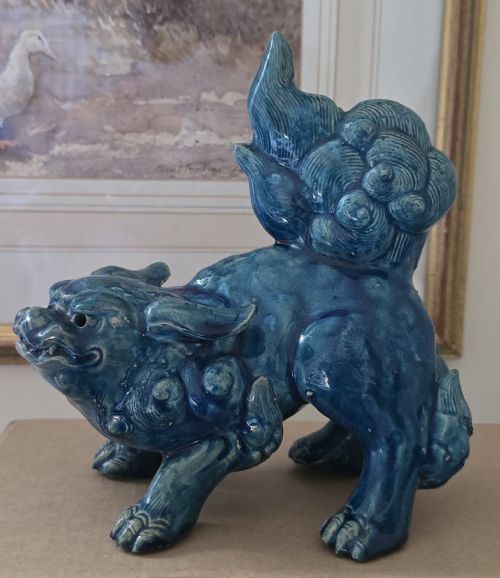
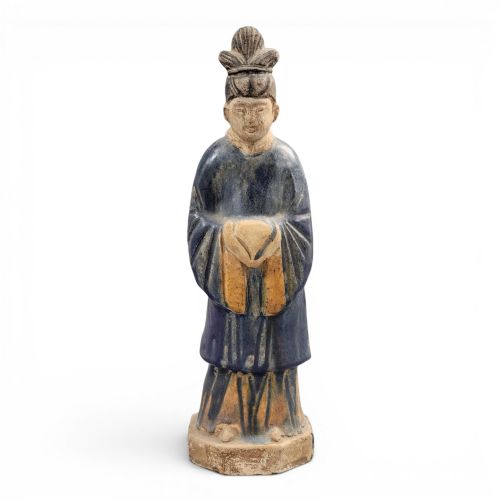
You are most likely to meet earthenware figures, including tomb attendants, mythical beasts, and animals such as horses and tigers. These items capture both official funerary traditions and domestic decorative arts.
The objects span periods from early dynasties like the Han and Tang through to the Qing Dynasty and later Revival styles. This mix offers both archaeological presence and vibrant glazed ornaments.
Materials and technique
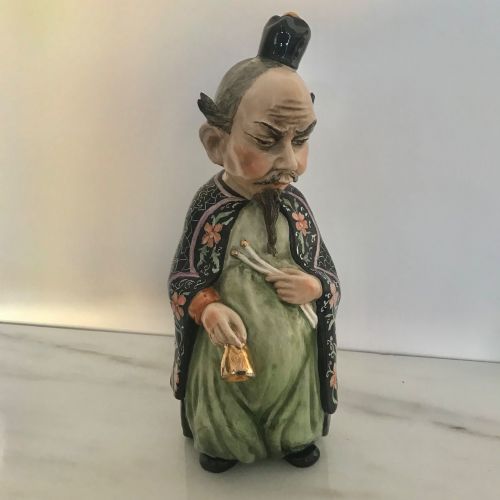
The pieces are shaped from terracotta, earthenware, and porcelain, reflecting the natural clays available to traditional potters. Makers then applied mineral pigments, enamel decorations, or coloured glazes directly to the fired body.
Techniques range from unglazed painted terracotta requiring careful pigment preservation to multi-hued sancai lead glazes that pool across the surface during kiln firing.
The selection includes animal figures such as horses, tigers, cockerels, and mythical beasts alongside human attendants and deities.
Standards of craftsmanship
Quality separates through the crispness of modelling and the preservation of original pigments or glaze coverage. Superior examples demonstrate confident shaping of anatomical details and robes.
The stability of the clay body and the evenness of the glaze application determine the visual impact of the piece. Artisans achieved greater depth where kiln temperatures were expertly controlled.
The Chinese Pottery Sculpture Glossary
- Sancai
- A three-colour lead glaze tradition featuring amber, green, and cream tones, frequently utilised on Tang Dynasty figures. This technique allows glazes to run and blend naturally on the pottery body.
- Mingqi
- Spirit objects or burial items placed in tombs to accompany the deceased into the afterlife. These figures represent attendants, animals, and guardians.
- Terracotta
- Fired clay that remains porous and unglazed, serving as the base for many ancient sculptural works. Pigments are often applied directly onto this absorbent surface.
- Shiwan ware
- A type of Chinese pottery known for expressive figurative sculptures and rich, heavy glazes. Production centres in Guangdong province.
Chinese Pottery Sculpture: Frequently Asked Questions
How do I identify sancai glaze?
Sancai glaze is characterised by a combination of amber, green, and creamy white tones that often merge together.
This lead-based technique creates a glossy surface that flowed over the pottery body during the firing process.
Where should I display these sculptures?
These figures suit stable display surfaces away from direct sunlight and heavy foot traffic.
Placing them on sturdy shelves or cabinets highlights their form while protecting fragile earthenware from accidental knocks.
How do I tell early pieces from later revivals?
Early pieces show characteristic wear, mineral encrustations, and firing methods associated with ancient burial practices.
Later revivals employ historical styles while maintaining different glaze characteristics and cleaner clay bodies typical of their actual production era.