



Ancient Chinese Sculpture
Ancient Chinese sculpture encompasses terracotta figures and stone heads shaped across dynasties to serve temples and tombs.
Ancient Chinese Sculpture
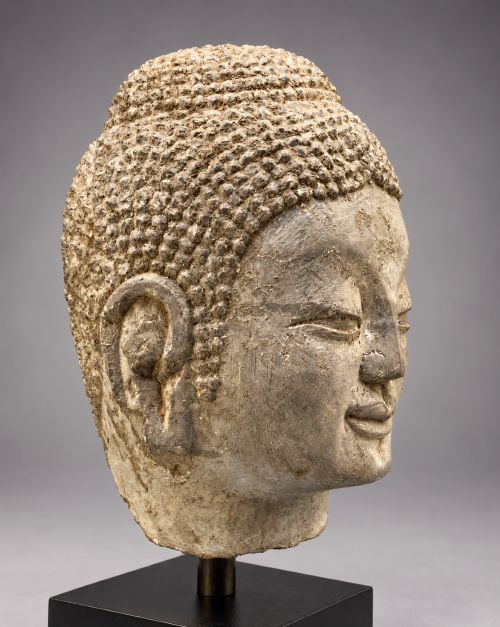
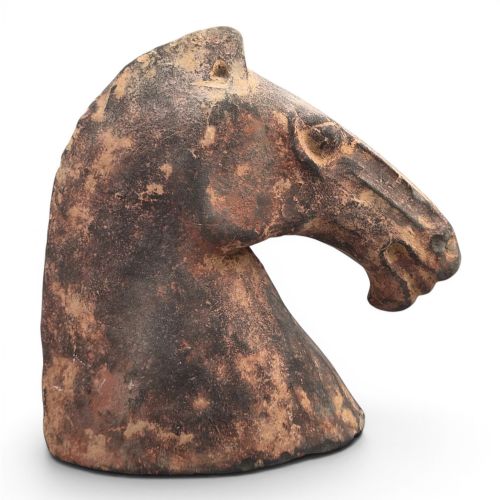
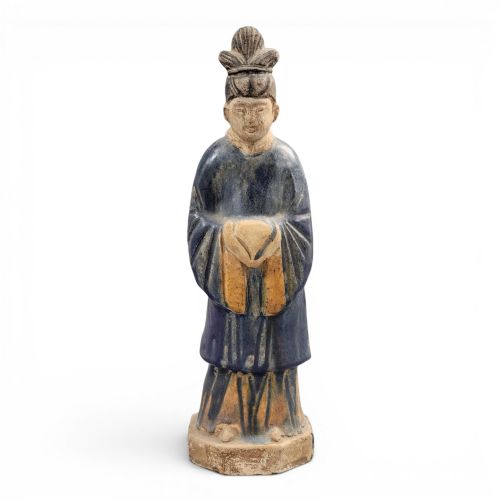
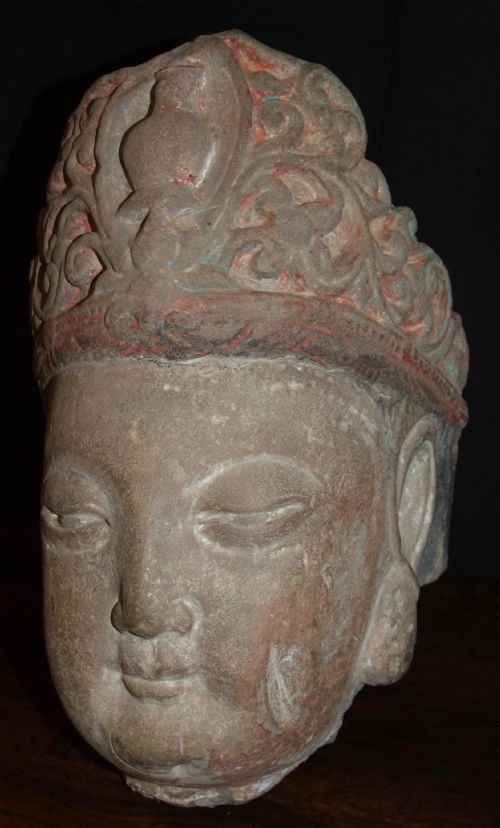
When buyers search for ancient chinese sculpture, they encounter figures formed across dynasties from the Han to the Ming period. These works take the shape of tomb guardians, court attendants, dancers, and limestone Buddha heads.
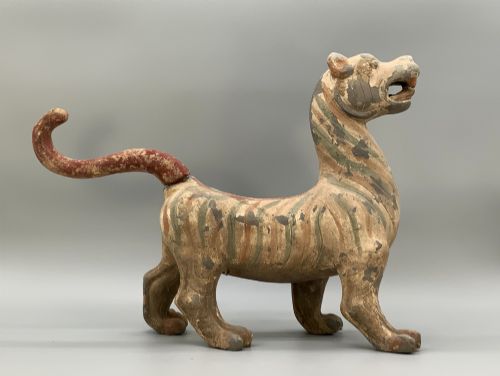
The pieces appearing on this page span terracotta, earthenware, wood, and sandstone, often bearing traces of mineral pigment. Many examples originate from funerary contexts, representing mingqi tomb figures designed to accompany the dead.
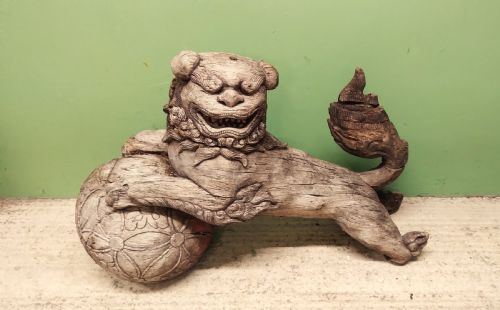
Earlier pieces from the Han and Tang dynasties sit alongside later Ming dynasty sandstone and wood carvings. Each era brings distinct forms, from grey pottery dancers to monumental temple guards.
How they were made
Makers shaped these sculptures from clay, terracotta, and earthenware, often adding mineral pigment to surface details. Stone pieces relied on limestone and sandstone carved with hand tools.
Pottery figures utilised moulds or hand-modelling before firing in kilns, sometimes receiving lead-silicate glazes such as sancai. Wood carvings employed traditional joinery and chisel work to shape temple guardians.
Listings feature terracotta, earthenware, limestone, sandstone, and wood across Tang, Han, Sui, and Ming dynasties.
What varies in quality
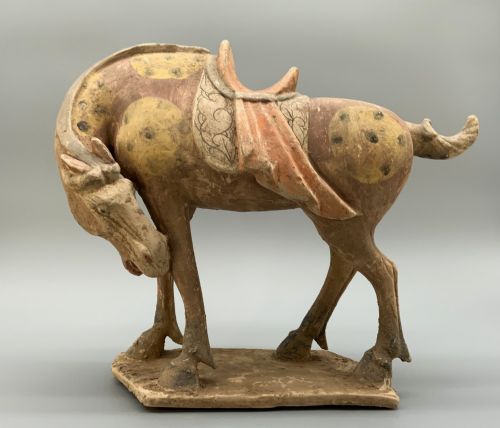
Proportion and stance dictate the artistic success of figures like pottery horses and dancers. Dynamic modelling and expressive detail distinguish superior pieces from utilitarian workshop production.
The Ancient Chinese Sculpture Glossary
- Mingqi
- Spirit objects or tomb figures placed in ancient Chinese burials to serve the deceased in the afterlife. These ceramic or wooden sculptures often depict attendants, animals, and guards.
- Sancai
- A three-colour ceramic glaze technique characteristic of the Tang dynasty, typically employing amber, green, and creamy white tones. This lead-glazed finish pooled naturally across the pottery surface.
- Terracotta
- Fired clay used extensively for ancient figures and architectural elements. The porous earthenware material accepted pigments readily before burial.
- Dynasty
- A succession of rulers from the same family, used to categorise periods of Chinese art and history. Styles shifted perceptibly between eras such as Han, Tang, Sui, and Ming.
Ancient Chinese Sculpture: Frequently Asked Questions
What is an ancient Chinese tomb figure?
Tomb figures, known as mingqi, were placed inside burials to accompany and serve the deceased. They represent attendants, dancers, guards, and animals.
These pieces reflect the social status and beliefs of their period, offering insight into historical dress and customs.
How do I identify a Tang dynasty horse?
Tang dynasty horses typically display powerful musculature, flared nostrils, and distinctive posture. They often feature sancai glaze or remnants of pigment.
Pottery forms from this era prioritise dynamic movement and naturalistic proportions compared to earlier dynasties.
What materials were used for these sculptures?
Sculptures utilise materials such as terracotta, earthenware, grey pottery, sandstone, limestone, and carved wood. Many retain traces of original mineral pigment.
The choice of material often depends on whether the piece originated from a tomb context or a Buddhist temple.
How should I display stone sculpture at home?
Stone heads and carvings require stable surfaces away from direct heat and moisture fluctuations. Heavy sandstone and limestone pieces need secure, balanced placement.
Lighting should be adjusted to highlight the tool marks and remaining surface texture without causing damage.