

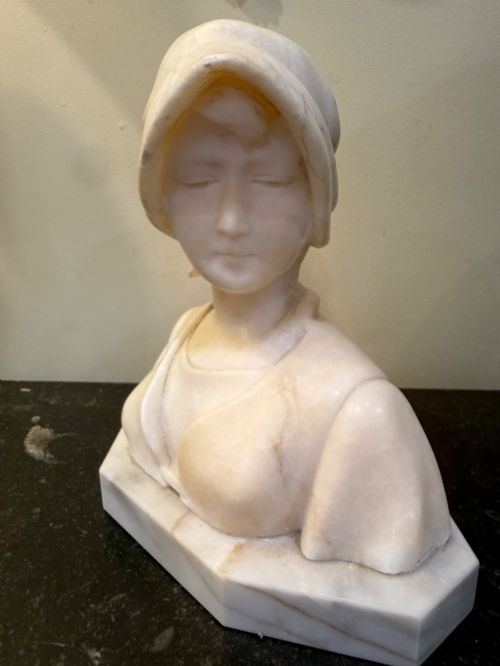
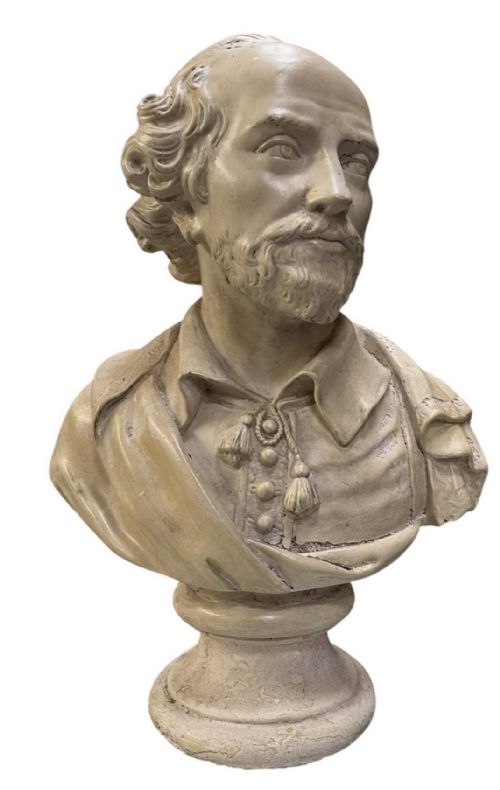
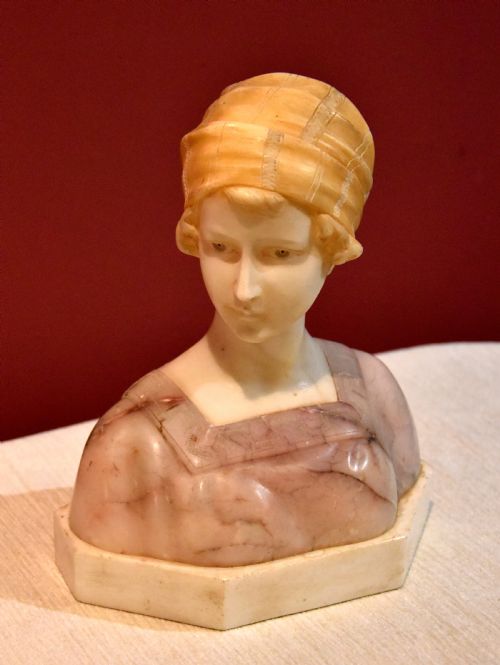
Stone Head Sculpture
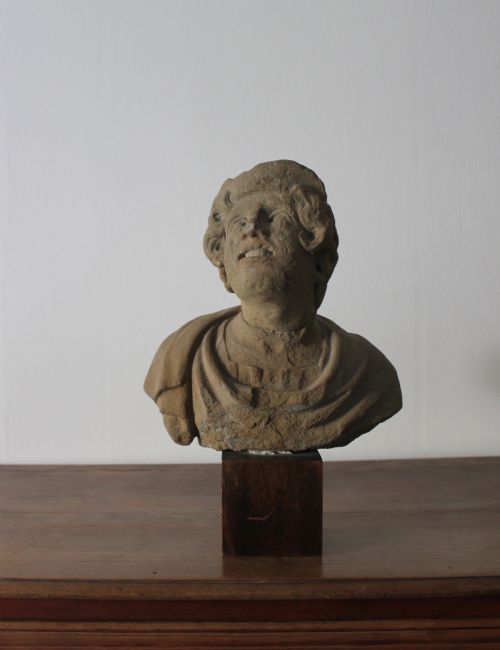
These stone head sculpture pieces bring classical form and historic presence into a room.
Stone Head Sculpture
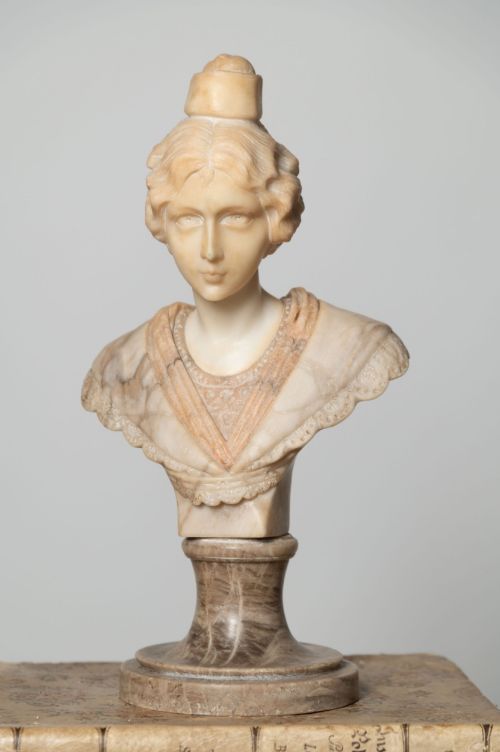
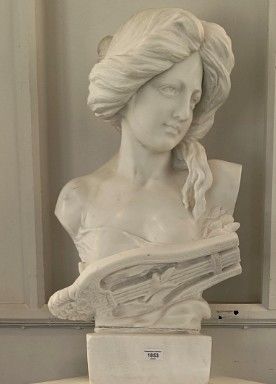
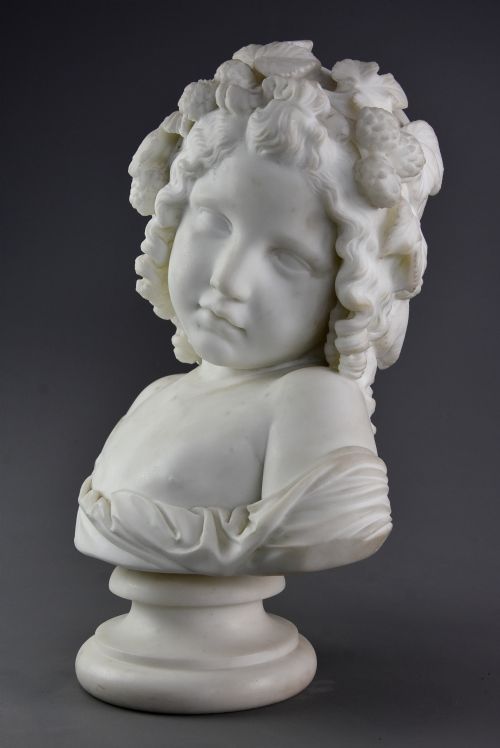
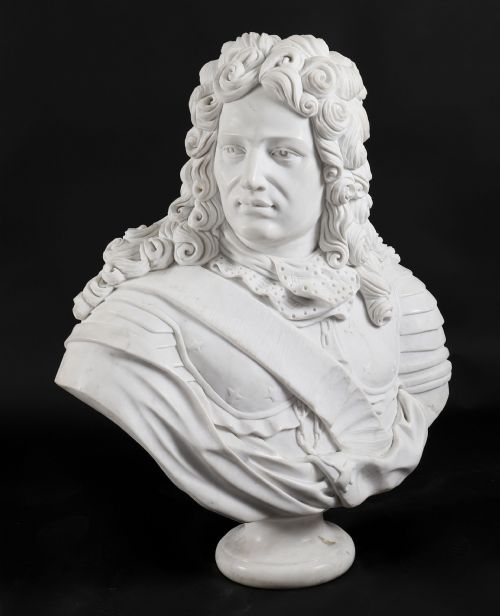
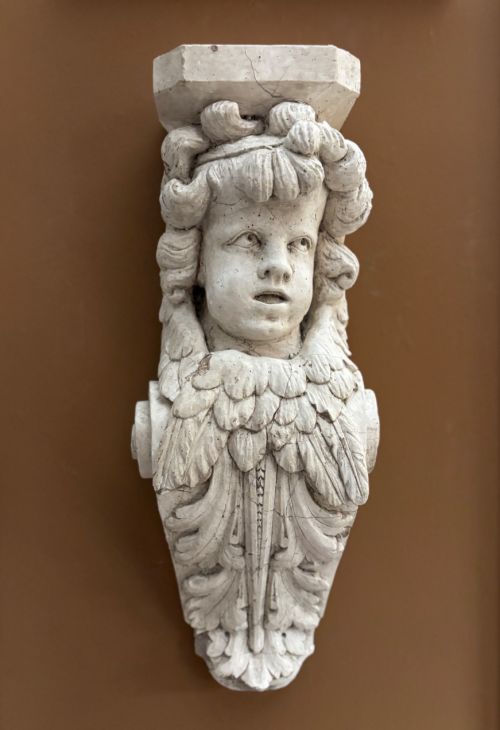
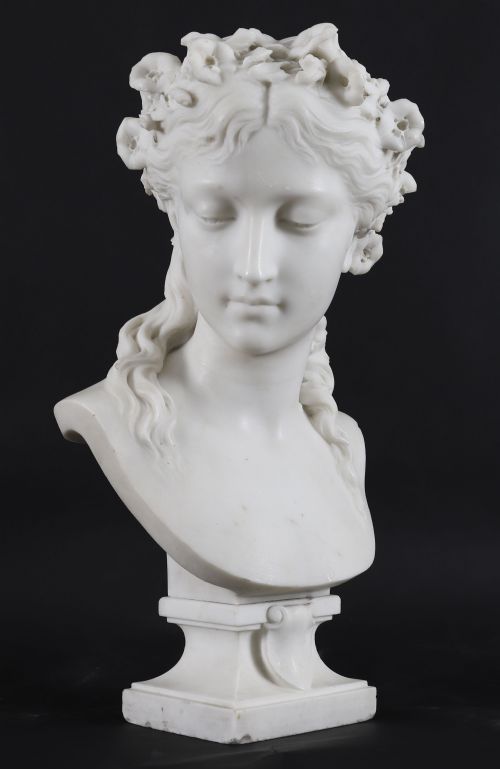
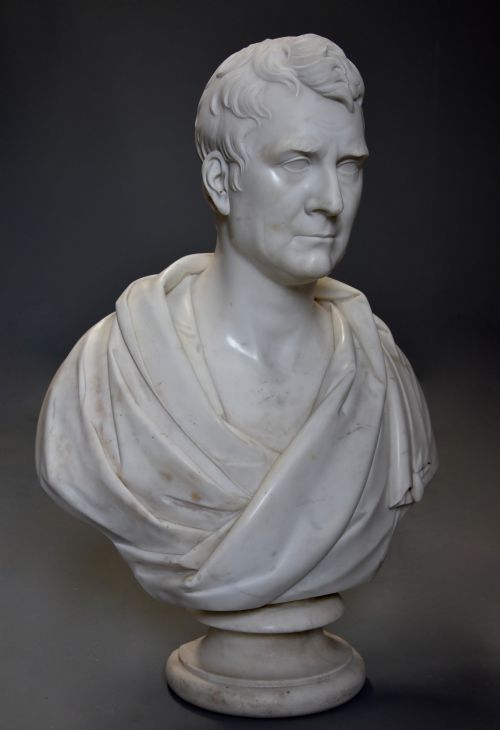
A stone head sculpture encompasses carved portraits, architectural corbels, and classical busts shaped from marble, alabaster, limestone, and reconstituted stone. These pieces draw from periods spanning the medieval era through the nineteenth century and into the mid-twentieth century.
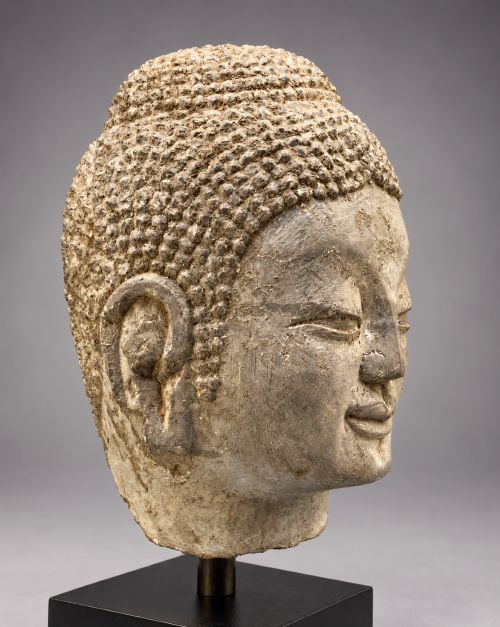
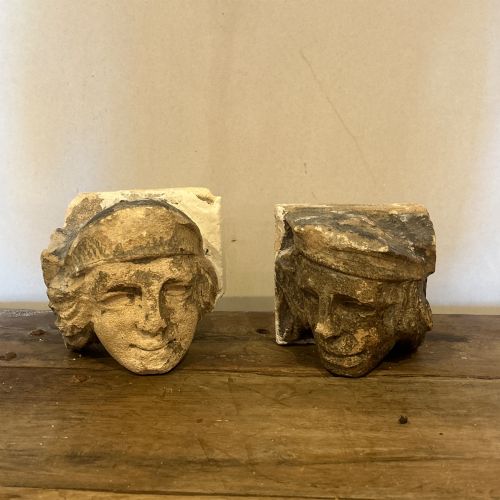
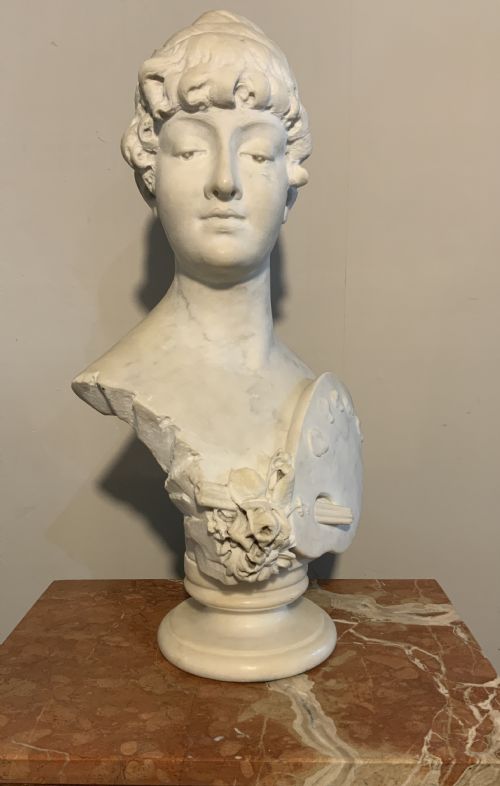
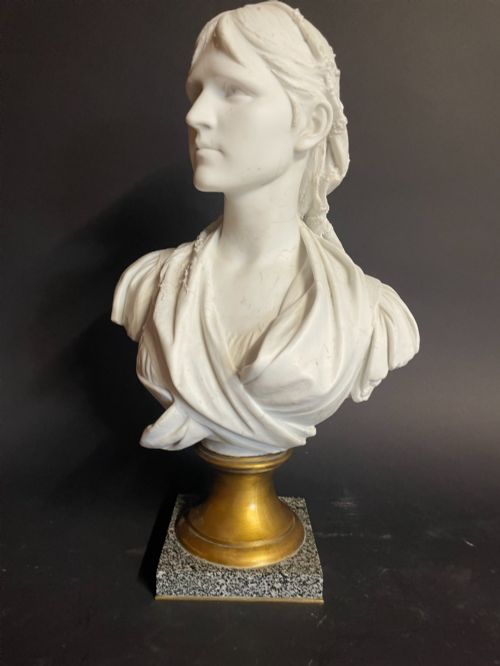
The selections encountered here range from Neoclassical library busts of historical figures to ancient Chinese limestone Buddha heads and medieval architectural fragments. Portrait subjects include noblemen, ladies, mythological muses, and literary figures rendered in varied regional styles.
Buyers select these forms to anchor a mantelpiece, adorn a library shelf, or introduce architectural gravitas to garden spaces. The assortment reflects diverse European, Asian, and African traditions translated into durable carved mediums.
Materials and carving techniques
Carvers employed hard stones like marble, limestone, and alabaster using chisels, gouges, and rasps to release portrait subjects from dense blocks. Carrara marble offered a fine grain suited to smooth flesh tones and delicate drapery folds.
Alabaster provided a softer, translucent surface that absorbed light differently than opaque stone, often utilised for intimate nineteenth-century cabinet pieces. Plaster and reconstituted stone served as moulding mediums for simulated architectural elements and garden ornaments.
Several stone heads wear expressions of profound academic skepticism, as though perpetually judging your library collection.
Evaluating craftsmanship and execution
Quality rests upon the sensitivity of the carving, seen in the anatomical accuracy of the facial structure, the depth of undercut hair, and the crisp rendering of drapery. Lesser examples rely on mechanical pantograph replication with flat planes and lifeless surfaces.
Signed works by documented sculptors or pieces demonstrating master-level hand-finished detail command attention through superior proportion and expression. The integration of stone grain and natural veining into the subject's contours further separates exceptional studio pieces from standard production.
Eugene Aizelin·John Francis·Raffaelo Monti·John Wenlock Rollins·Mieczyslaw Leon Zawiejski
The Stone Head Sculpture Glossary
- Corbel
- A structural piece of stone projecting from a wall to support a weight, frequently carved into a figurative head or bust. These architectural elements integrate utility with sculptural ornament.
- Carrara marble
- A type of white or blue-grey marble from the city of Carrara in Italy, prized by sculptors for its fine and uniform grain. It served as the primary material for classical European busts.
- Alabaster
- A fine-grained, translucent stone often carved into portrait sculptures and decorative objects. Its softness permits intricate detail work but makes it vulnerable to moisture.
- Neoclassical
- A style revoking classical Greek and Roman art forms, dominant during the eighteenth and nineteenth centuries. Sculptures from this movement emphasise balanced proportions and noble simplicity.
- Library bust
- A smaller scale portrait sculpture intended for display on bookshelves or study desks. These pieces typically depict poets, philosophers, or historical figures.
Stone Head Sculpture: Frequently Asked Questions
Where should I display a stone bust?
These sculptures suit prominent interior positions such as entrance halls, library shelves, or mantelpieces where adequate lighting highlights the carved contours.
Garden statuary and architectural fragments find placement in courtyards or garden pedestals designed to withstand outdoor weathering.
How do I clean carved stone?
Dust marble and limestone regularly with a soft, dry cloth to prevent grime accumulation.
Avoid using water, chemical cleaners, or abrasive agents on alabaster or plaster, as moisture damages the porous surface.
What is the difference between marble and alabaster?
Marble is a metamorphic rock formed from recrystallised carbonate minerals, offering high durability and opacity.
Alabaster is a softer mineral composed of gypsum or calcite, characterised by a warm translucency that allows light to penetrate the surface.
How can I date an antique bust?
Dating relies on stylistic clues such as the subject's clothing, hairstyle, and the carving techniques typical of periods like Neoclassicism or the Victorian era.
Signatures, foundry marks, or documented provenance provide more precise chronological anchors.