



Chinese Porcelain Wall Plates
Chinese porcelain wall plates bring vibrant hand-painted colour and centuries of ceramic history directly to interior walls.
Chinese Porcelain Wall Plates
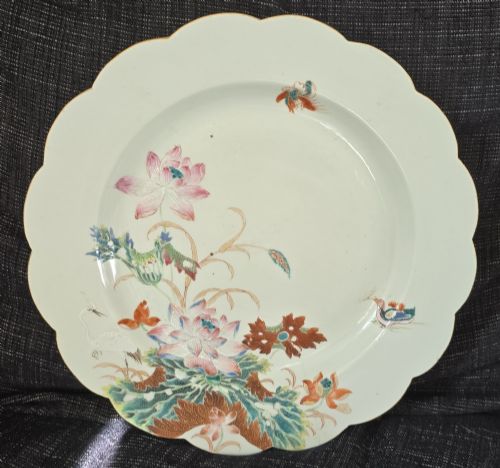
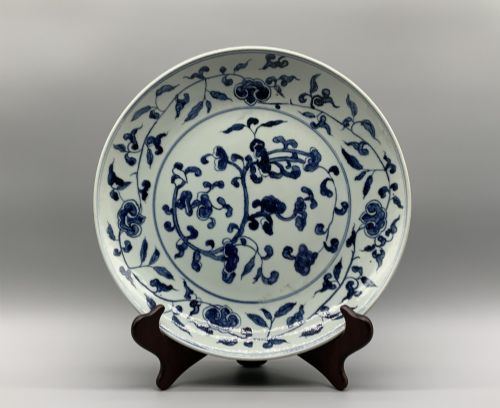
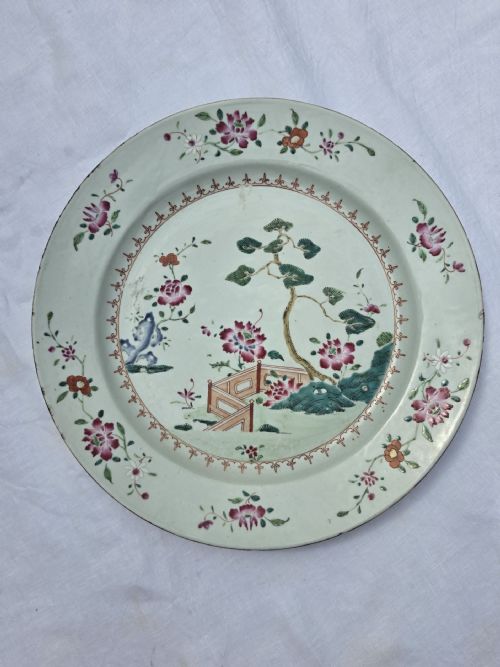
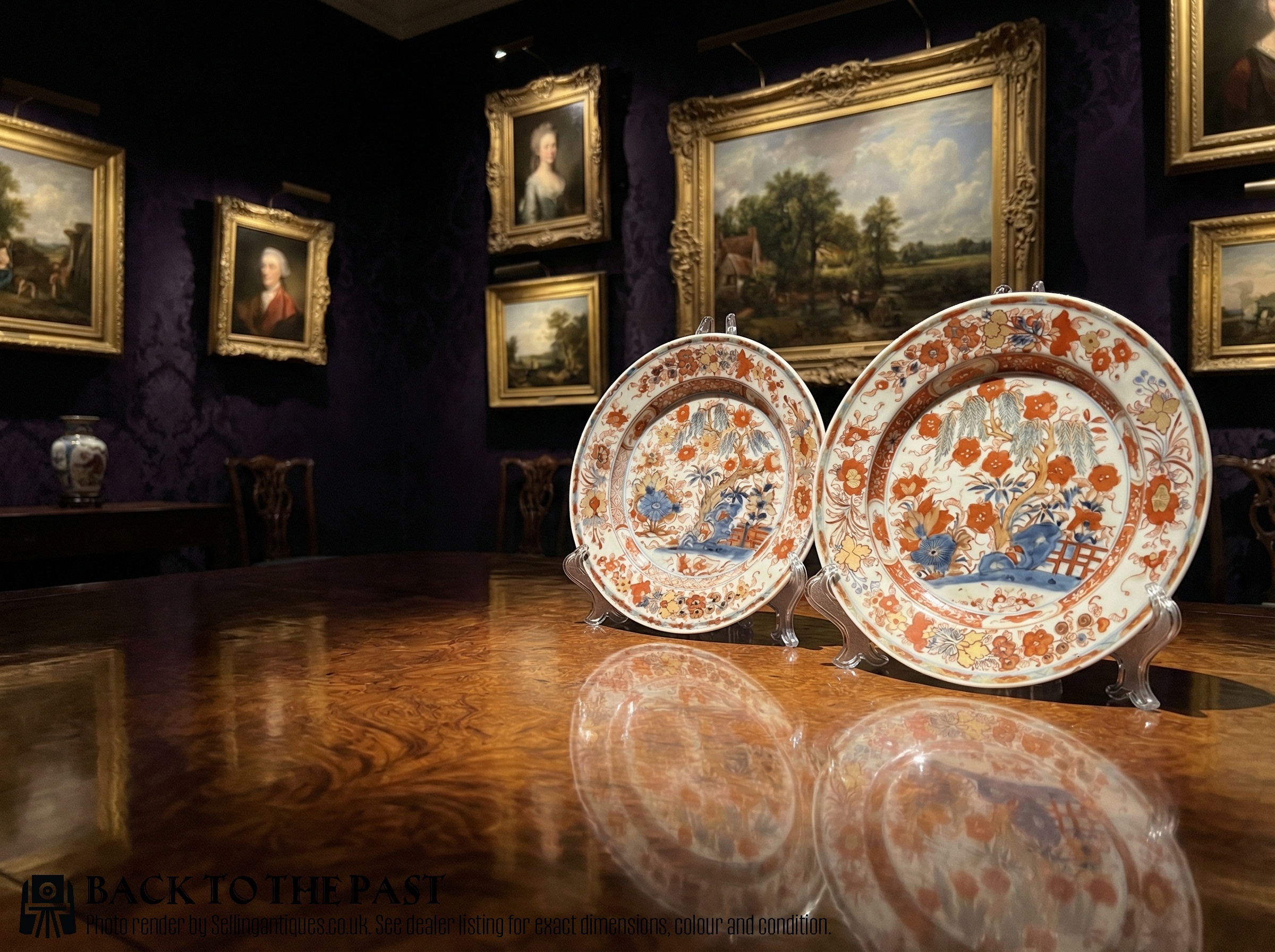
Chinese porcelain wall plates span domestic chargers and decorative plates created across various historical eras, including eighteenth-century export wares and nineteenth-century pieces. These items range from large blue and white chargers to intricately patterned famille rose and Imari designs intended for display.
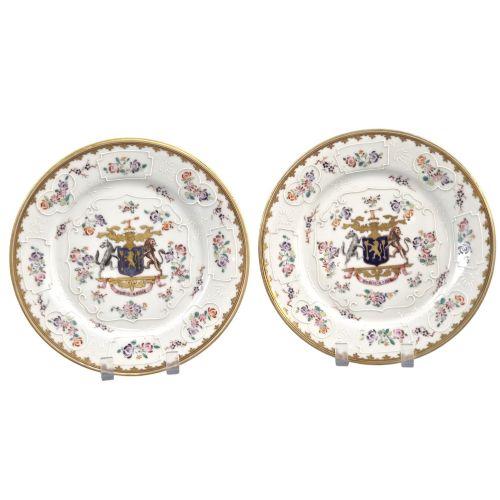
The selection includes sizeable chargers alongside sets of smaller plates, featuring both traditional Chinese manufacture and European interpretations such as Regency and Georgian chinoiserie styles. Pieces often display court scenes, floral motifs, or symbolic objects executed in rich pigments.
Materials and manufacture
Items are constructed from hard-paste porcelain and ceramic materials, shaped into plates, chargers, and platters before firing at high temperatures. Cobalt pigment provides the deep blue tones found in underglaze decoration.
Enamel colours and gold leaf are applied over the glaze in subsequent decorative phases to achieve detailed polychrome effects such as famille rose and famille verte palettes. Hand-painted brushwork defines both early kraak wares and later nineteenth-century interpretations.
Current listings span the sixteenth to the twentieth centuries, featuring cobalt glaze, enamel, gold leaf, and hard-paste porcelain.
Factors of quality
Precision and clarity of hand-painted brushwork separate standard items from superior examples, particularly in complex figural scenes and intricate border patterns. The vibrancy and preservation of overglaze enamels and gold leaf also influence the overall standard of a piece.
Depth of glaze and purity of the ceramic body reflect the skill of the original kiln production. Provenance and historical association further distinguish notable chargers and plates within the wider selection.
Edmé Samson & Cie·C.J. Mason
The Chinese Porcelain Wall Plates Glossary
- Charger
- A large decorative plate or platter traditionally used for display rather than dining. These substantial ceramic pieces often measure significantly wider than standard table plates.
- Famille Rose
- A palette of opaque enamel colours dominated by pink or rose hues, introduced during the Qing dynasty. This technique allowed for subtle tonal gradations in floral and figural motifs.
- Imari
- A style of ceramic decoration employing underglaze blue, iron red, and gold, originating in Japan and later imitated in China and Europe. The aesthetic combines rich patterns with contrasting primary tones.
- Kraak porcelain
- Chinese export porcelain featuring panelled designs, typically painted in cobalt blue and dating from the late Ming dynasty. These plates often display central aquatic or floral motifs surrounded by radiating compartments.
- Hard-paste porcelain
- A durable ceramic composition made from petuntse and kaolin, fired at high temperatures to produce a dense, vitrified body. This material forms the structural base for traditional Chinese export wares.
Chinese Porcelain Wall Plates: Frequently Asked Questions
How do I hang antique porcelain plates safely?
Displaying plates on walls requires secure fixings that distribute weight evenly without putting pressure on the rim. Spring-loaded brass hangers lined with protective tubing are standard for supporting chargers safely.
Alternatively, custom wall-mounting brackets provide sturdy support for heavier platters. Ensure fixings are anchored directly into wall studs or use appropriate wall plugs.
What is the difference between a plate and a charger?
Chargers are significantly larger than standard dining plates, usually measuring well over thirty centimetres across. They were designed primarily for ceremonial use, grand table settings, or prominent display on walls and sideboards.
Standard plates are smaller and intended for individual use or coordinated service sets. Both forms appear frequently in historical export ceramics.
How can I tell eighteenth-century plates from later copies?
Examining the ceramic body, foot ring, and pigment application helps determine the age of a piece. Eighteenth-century export wares often show characteristic potting traits, subtle iron spots in the glaze, and hand-ground foot rims.
Later nineteenth-century interpretations and European revival pieces exhibit different baseline ceramic structures and enamel textures. Comparing brushwork fluidity provides further clues to dating.
What does chinoiserie mean on a plate?
Chinoiserie refers to European artistic interpretations of Chinese and East Asian artistic traditions. These designs reflect Western perceptions of Asian aesthetics rather than authentic domestic manufacture.
Such patterns appear on pieces made by European potteries mimicking oriental porcelain styles. The motifs often feature fanciful garden landscapes, pavilions, and figures.