


Chinese Porcelain Lamp Base
A chinese porcelain lamp base brings weight, colour, and history to a room through centuries-old ceramics adapted for modern lighting.
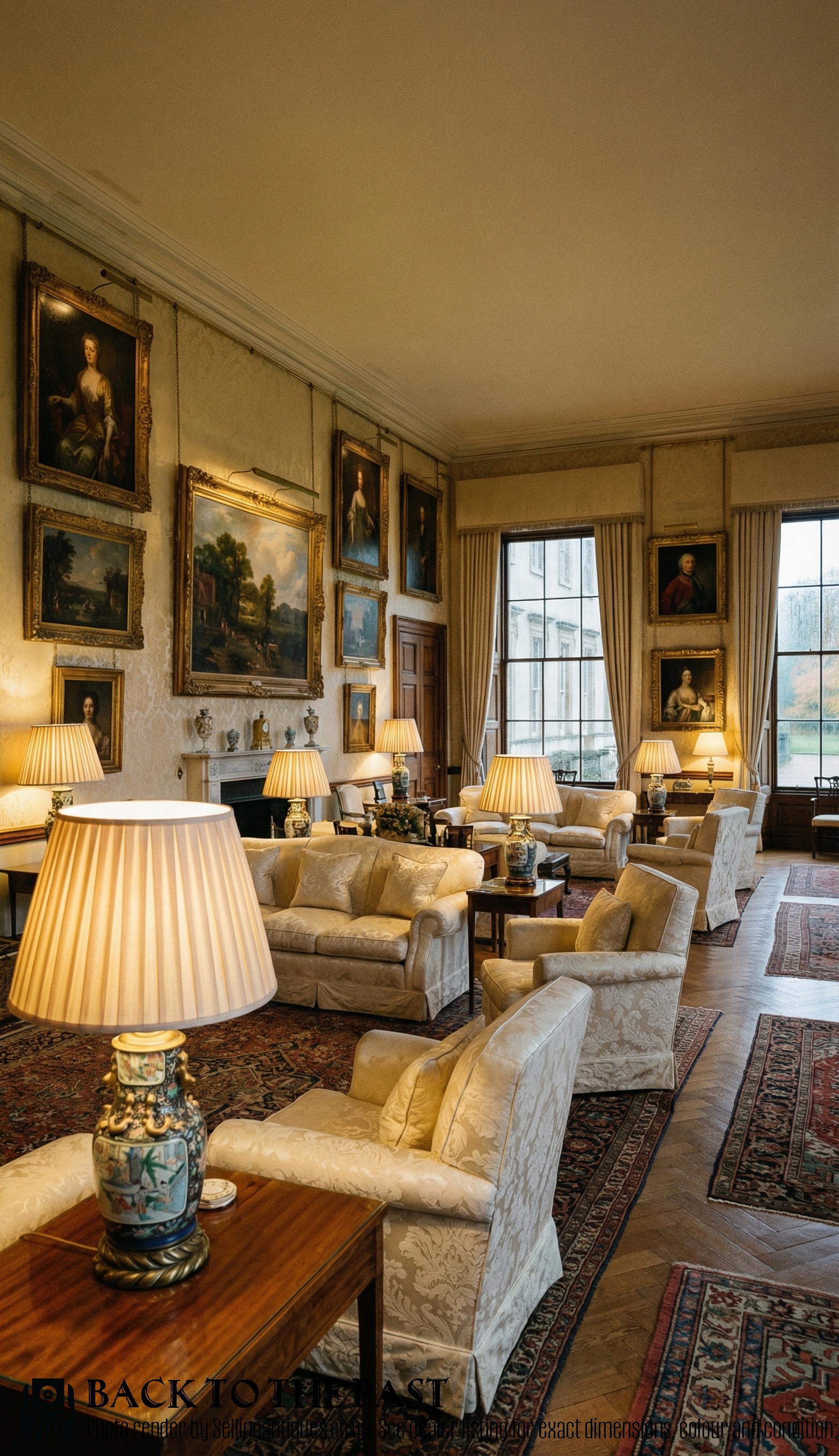
Chinese Porcelain Lamp Base
A chinese porcelain lamp base comprises vessels originally formed as vases, ginger jars, or twin-handled urns, later converted into electrical table lamps. The selection centres heavily upon nineteenth-century pieces, including large monumental examples and balanced pairs.
Makers and artisans constructed these using traditional vessel shapes such as baluster, ginger jar, and cylindrical forms. These bodies retain their original hand-painted palettes, ranging from subtle celadon glazes to vibrant famille rose and blue and white designs.
Most items on this page date from the nineteenth century, spanning periods like the Qing dynasty and later styles from nineteen hundred to nineteen thirty. Buyers also encounter French nineteenth-century interpretations and Japanese Yokohama export porcelain alongside traditional Chinese wares.
Materials and construction
Potters shaped the ceramic bodies from high-firing porcelain, applying intricate underglaze blue, famille verte, famille rose, or sang de boeuf glazes before a secondary firing. Many forms incorporate specialised surface treatments like crackleware or monochrome powdered blue.
Conversion into lamps involved mounting the ceramic vessels with hardware made from brass, gilt bronze, or ormolu. These metal mounts secure the electrical fittings, often complementing the ceramic base or providing structural elevation.
Chinese Porcelain Lamp Base Retail Price Guide 2026
Typical asking prices for chinese porcelain lamp base among the pieces listed under this phrase on Sellingantiques today, from the lower quarter to the upper quarter. They describe what is for sale here now, not the wider market.
Several heavy vases survived centuries of trade and domestic life simply by waiting quietly in the corner until someone added a bulb.
Assessing quality and craftsmanship
Quality rests primarily upon the crispness and detail of the hand-painted decoration, where superior pieces exhibit precise brushwork and rich, stable colour depth. The integration of metal mounts also defines distinction, with finely chased ormolu and heavy brass fittings elevating the finished composition.
Condition and scale further separate standard examples from exceptional ones. Intact porcelain bodies without restoration, combined with balanced proportions and matching pairs, command greater appreciation among collectors.
Samson
The Chinese Porcelain Lamp Base Glossary
- Celadon
- A pale green or grey-green transparent glaze applied to porcelain. This finish mimics the appearance of jade and originates from long traditions of East Asian pottery.
- Famille Rose
- A palette of opaque enamels dominated by pink or rose colours. Introduced in the eighteenth century, it allowed for nuanced shading in floral and figural scenes.
- Ginger Jar
- A wide-mouthed, broad-shouldered storage jar shape frequently converted into a lamp base. These vessels traditionally held spices or preserved ginger.
- Ormolu
- Gilded bronze mounts applied to furniture and ceramics. French nineteenth-century pieces frequently utilise this technique to accent porcelain bodies.
- Baluster
- A vase form with a rounded body that tapers toward the base and swells near the bottom. This silhouette provides stability and visual balance for lighting conversions.
Chinese Porcelain Lamp Base: Frequently Asked Questions
How do I choose a lamp shade?
Select a shade that matches the height and visual weight of the ceramic body, often utilising silk or fabric materials to complement the texture of the porcelain.
Ensure the proportions do not overwhelm the hand-painted details or the brass and gilt bronze mounts beneath.
Are these lamps converted from old vases?
Many examples originate as nineteenth-century Chinese vases, ginger jars, or twin-handled urns that were subsequently adapted for electrical fittings.
This conversion process preserves the historical ceramic body while integrating modern functional requirements.
How do I care for antique porcelain?
Dust the ceramic surface gently with a soft, dry cloth to protect the hand-painted glazes and enamel details. Avoid harsh chemical cleaners that might damage the antique finish or the metal mounts.
Keep the lamp away from direct sunlight to preserve the vibrancy of colours like famille rose and powder blue.
What styles are available?
The selection encompasses traditional Qing dynasty aesthetics, Chinese export wares, and nineteenth-century French or European interpretations.
Common visual styles include blue and white, celadon, crackleware, and vibrant famille verte palettes.