

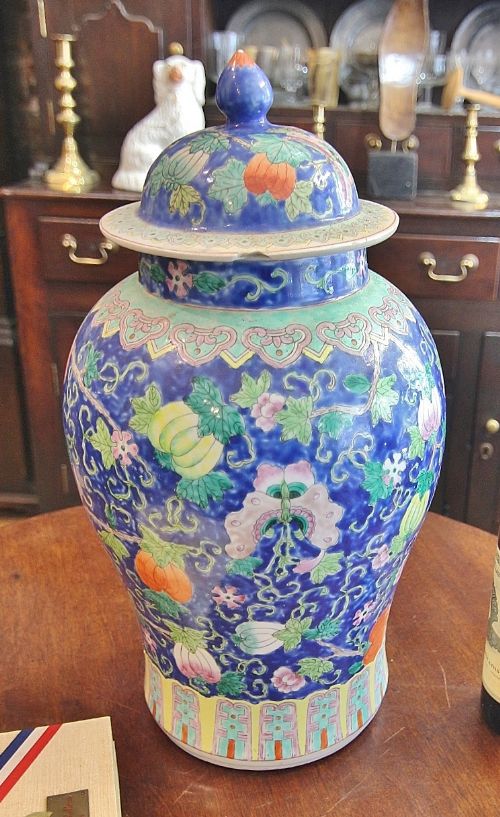

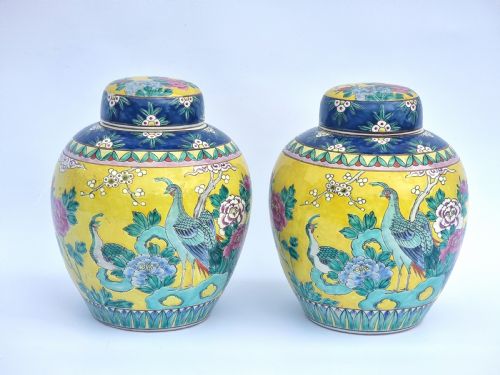


Chinese Porcelain Ginger Jar
These items of a chinese porcelain ginger jar bring centuries of ceramic history and hand-painted artistry directly into your interior.
Chinese Porcelain Ginger Jar
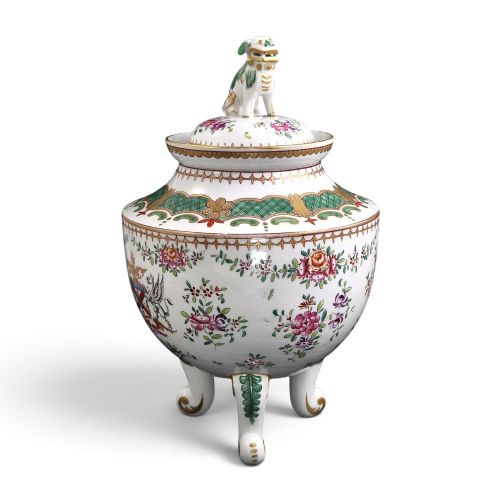
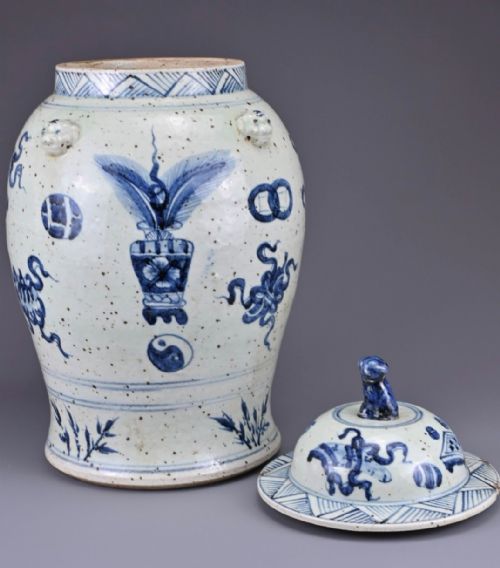
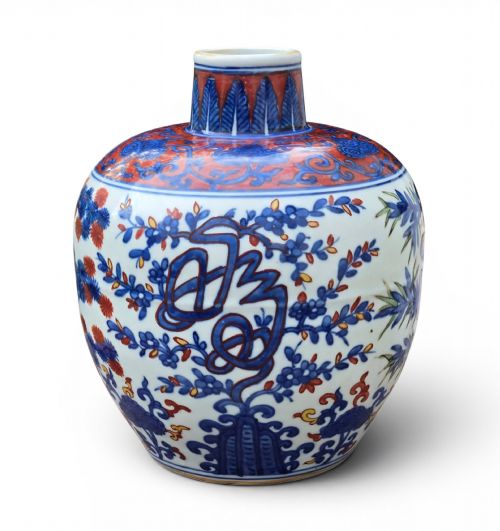
A chinese porcelain ginger jar stands as a classic vessel shape originally created to store spices and herbs before evolving into purely decorative objects. You will frequently encounter nineteenth century blue and white examples alongside pieces bearing earlier Kangxi period designs.
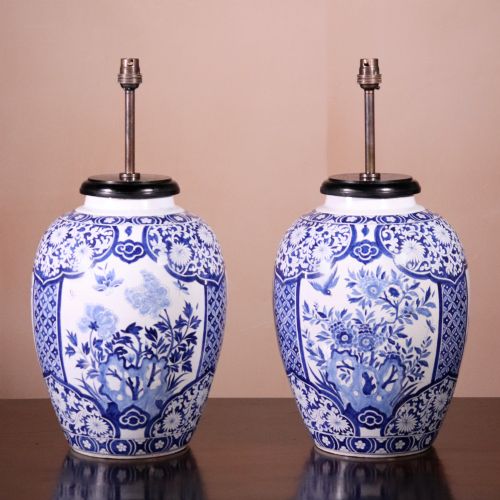
The form spans straightforward lidded storage pots to elaborate jars adapted as table lamps with brass or ormolu mounts. Surviving pieces range from Ming Dynasty imperial wares to nineteenth century export items created for European drawing rooms.
Collectors find various forms including ovid jars, crackleware vessels, and matching pairs designed for symmetry on mantelpieces. These containers often retain their original covers, though many extant examples now serve functional roles with modern wiring.
What Varies in Quality
The clarity and depth of the cobalt blue underglaze paint separate standard export wares from finer imperial commissions. Precision in the brushwork depicting birds, flowers, and dragons indicates the skill level of the original ceramic painter.
Condition of the porcelain body, retention of matching covers, and originality of any metal mounts influence the desirability of a piece. Finer examples display balanced proportions and crisply rendered marks on the base without firing distortions.
Listings feature porcelain, brass, enamel, fabric, glaze, wood, cobalt glaze, and gold leaf.
The Chinese Porcelain Ginger Jar Glossary
- Famille Rose
- A palette of opaque pink and rose enamels introduced during the Qing Dynasty. This colourful style typically depicts birds, figures, and floral arrangements.
- Famille Verte
- A translucent green dominant enamel scheme developed in the seventeenth century. Artisans used this palette to create vibrant garden and wildlife scenes.
- Underglaze Blue
- Pigment applied directly to the raw ceramic body before applying a clear glaze and firing at high heat. This technique protects the blue decoration from wear over centuries.
- Prunus
- A decorative motif showing blossoming plum branches against a cracked ice background. This pattern frequently appears on nineteenth century export ginger jars.
- Ormolu
- Gilded bronze mounts applied to nineteenth century ceramic bases and covers. European makers added these decorative metal fittings to suit period interior tastes.
- Kangxi
- A Qing Dynasty reign period associated with high ceramic standards. Later potters frequently emulated the distinct blue and white designs of this era.
Chinese Porcelain Ginger Jar: Frequently Asked Questions
How were ginger jars originally used?
These vessels served primarily as storage containers for valuable spices, salt, and ginger exported along trade routes. Merchants packed perishable goods inside sealed ceramic pots to protect them during long sea voyages.
Over time, Western households repurposed the empty containers purely for interior display. Their generous proportions and decorative covers made them favoured ornaments for nineteenth century mantelpieces and side tables.
Can I use an antique jar as a lamp?
Many surviving examples have been converted into table lamps over the past century to suit modern domestic lighting needs. These pieces often feature fitted wooden bases and wired ormolu or brass mounts.
Converting a vessel usually involved drilling through the base for wiring, which collectors should inspect when considering an electrified piece. Unconverted jars with intact bases remain sought after for traditional displays.
How do I spot a reproduction?
Examine the weight, glaze consistency, and iron impurities within the ceramic body to gauge authenticity. Older pieces display natural wear and hand-painted brush nuances rather than printed transfer patterns.
Base marks offer further clues, though potters often copied earlier reign marks as a sign of respect rather than deliberate deception. Evaluating the overall potting technique helps determine the actual age.
How should I clean my jar?
Dust ceramic surfaces gently using a soft, dry cloth without applying chemical cleaning agents. Harsh liquids can damage delicate overglaze enamels and antique gilding accumulated over generations.
Keep pieces away from direct sunlight and areas subject to sudden temperature changes to protect the glaze. Secure any loose covers separately when moving the vessel.