
Chinese Painted Enamel
Chinese painted enamel brings together vibrant mineral pigments and fine ceramic or metal forms, offering collectors a rich tradition of decorative mastery.
Chinese Painted Enamel
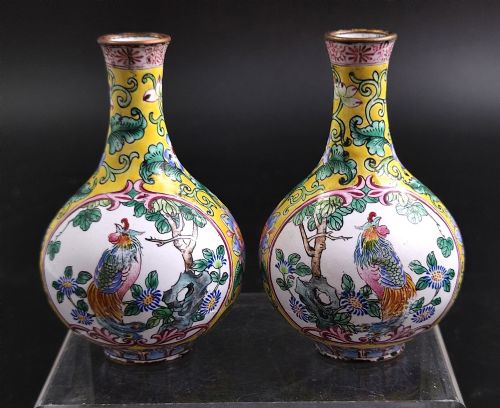
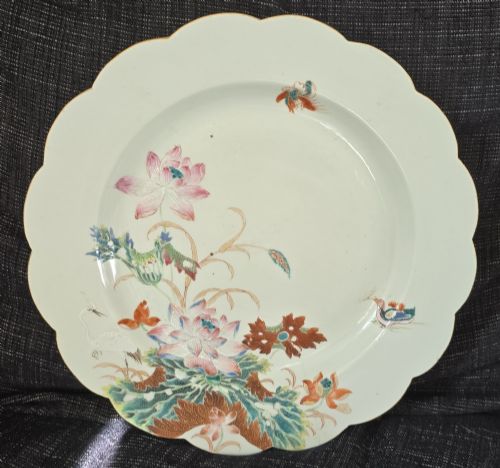
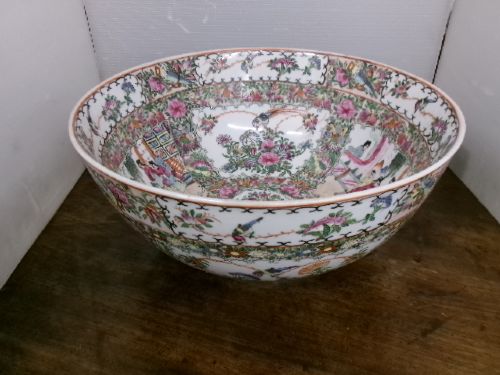
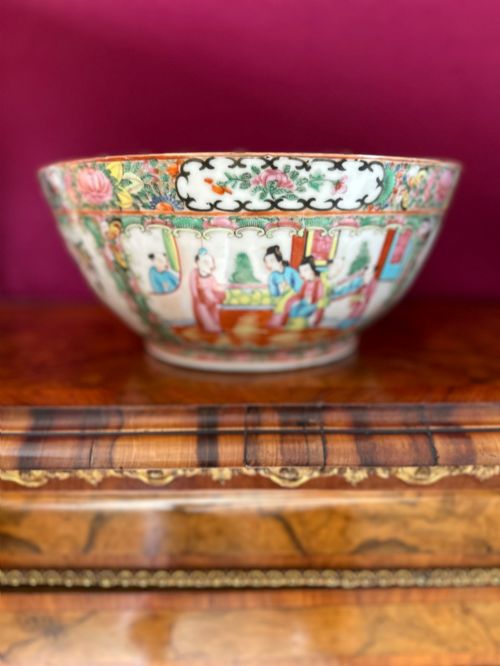
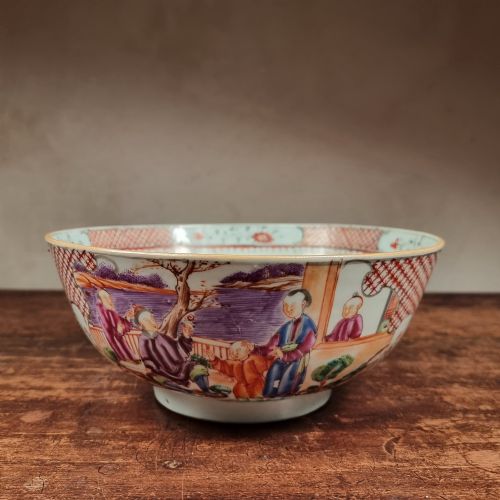
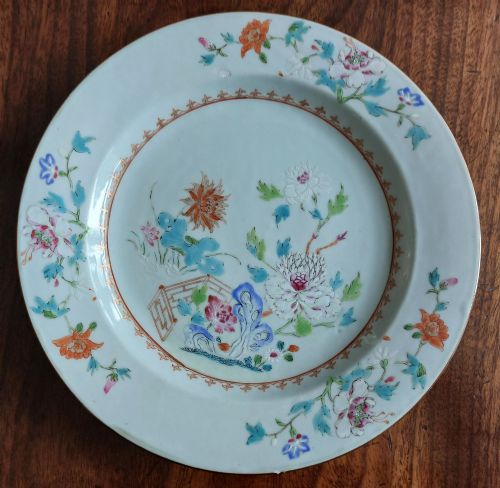
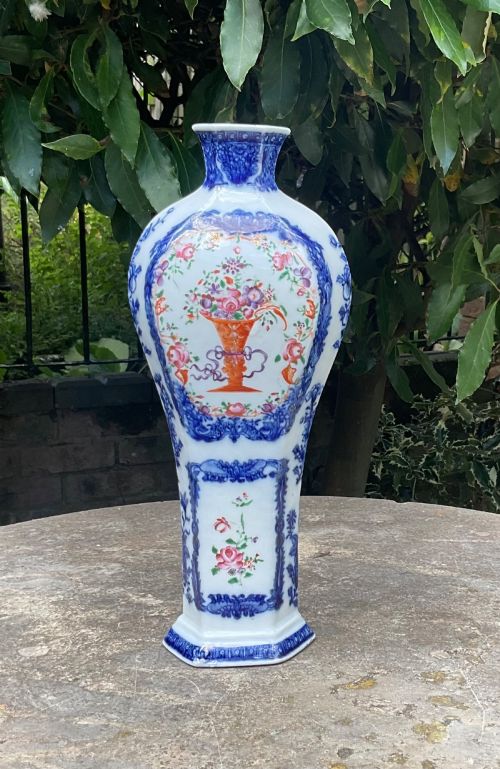
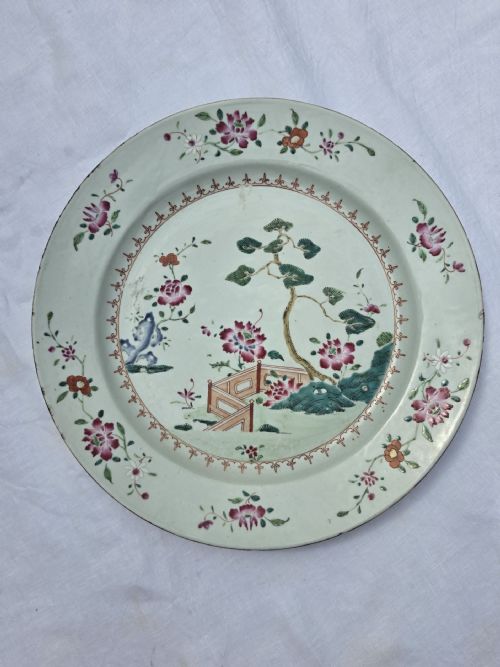
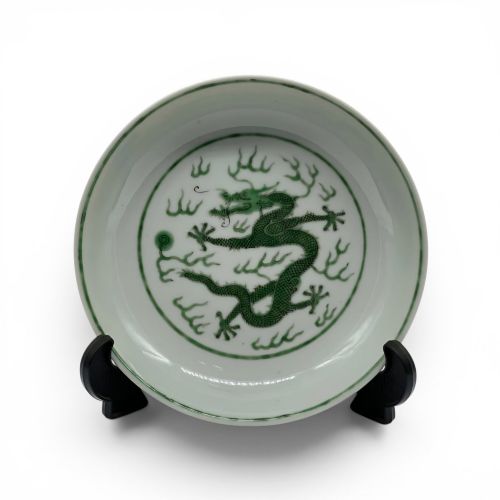
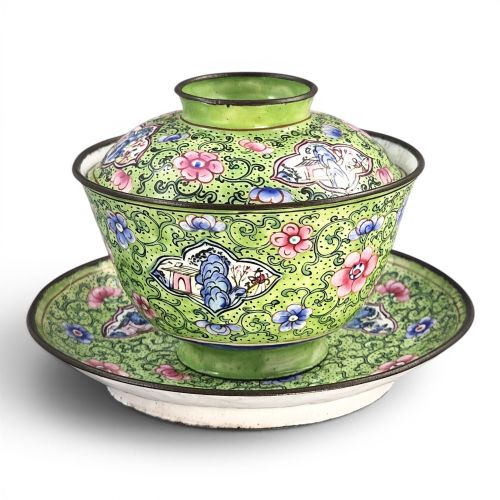
Chinese painted enamel encompasses a diverse array of decorative objects, from large punch bowls and ginger jars to delicate snuff bottles and plates. You will most frequently encounter nineteenth-century Canton pieces alongside eighteenth-century Qianlong examples.
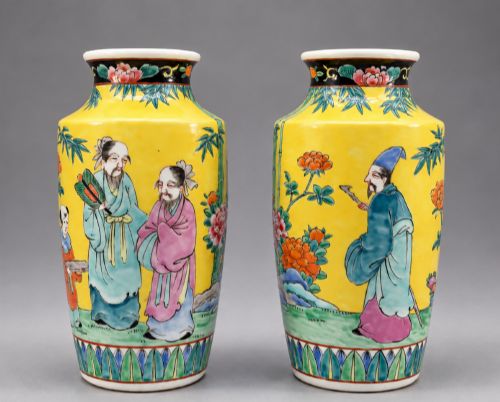
The selection ranges from robust earthenware and hard-paste porcelain vessels to copper bodies finished with meticulous overglaze enamels. These items reflect distinct periods of imperial patronage and export trade, spanning the Qing dynasty and into the twentieth century.
Materials and Techniques
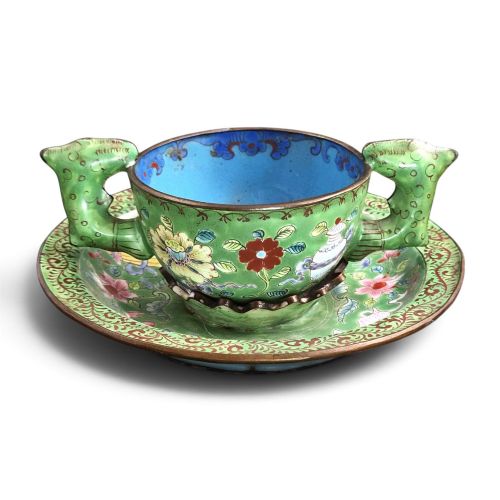
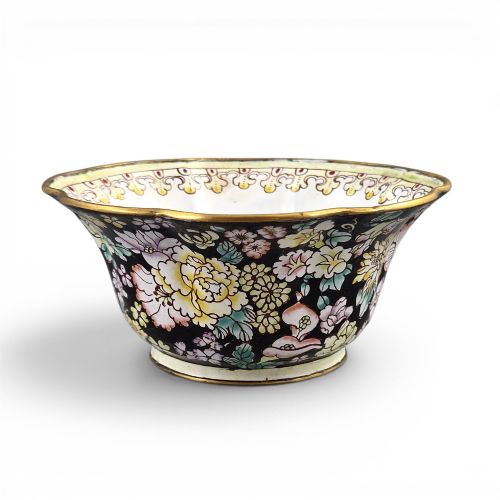
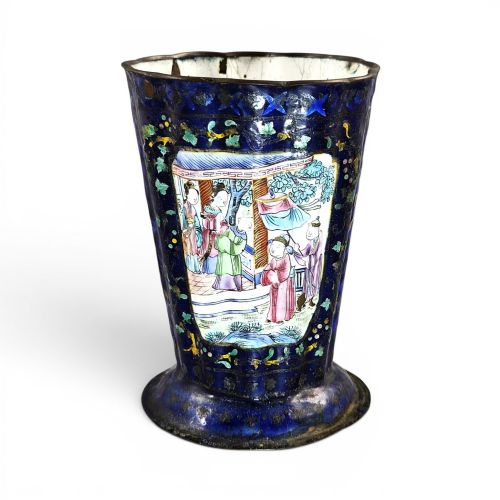
Craftsmen applied colourful overglaze enamels directly onto copper bases or fired porcelain surfaces, often incorporating gilt and gold leaf highlights. This technique allowed for intricate botanical, figural, and narrative scenes rendered in rich palettes.
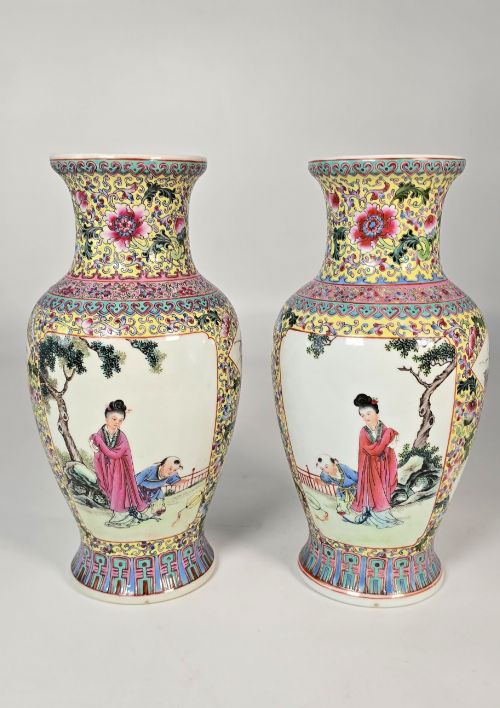
Firing processes required precise temperature control to fuse the mineral pigments onto the glaze or metal without bubbling. Artisans utilised cobalt, iron reds, and opaque pinks to achieve the characteristic depth seen in famille rose and Beijing enamel works.
Object types span decorative bowls, ginger jars, snuff bottles, and punch bowls created within Qing dynasty styles.
Assessing Quality
Quality rests upon the precision of the brushwork and the complexity of the enamel palette, distinguishing mass-produced export wares from imperial commissions. Superior pieces demonstrate crisp outlines, even enamel thickness, and harmonious colour distribution.
The fineness of the underlying paste or metal foundation also dictates value, with eggshell porcelain and substantial copper vessels commanding attention. Well-preserved gilding and carefully rendered facial expressions on figural scenes separate standard items from exceptional ones.
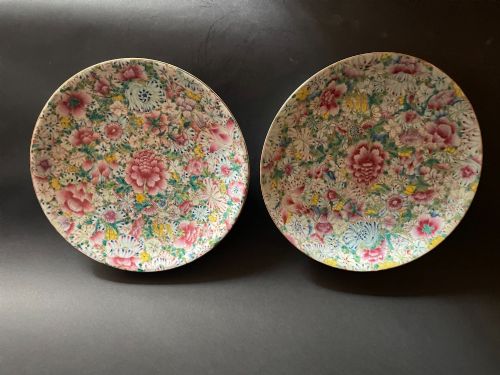
Zhu Mao Ji
The Chinese Painted Enamel Glossary
- Famille Rose
- A palette of opaque pink and rose enamel colours introduced during the Qing dynasty. It allowed artists to create shaded gradients and soft floral motifs.
- Canton Enamel
- Painted enamelware produced in Guangzhou primarily for export markets. These pieces often feature dense panels of figures, birds, and flowers.
- Overglaze Enamel
- Pigments applied to an already fired and glazed surface before undergoing a secondary, lower-temperature firing. This technique preserves the brilliance of the colours.
- Hard-paste Porcelain
- A dense, vitrified ceramic material composed of kaolin and petuntse. It provides a durable, bright white canvas for detailed enamel painting.
Chinese Painted Enamel: Frequently Asked Questions
What are Chinese painted enamels?
Chinese painted enamels are decorative objects featuring mineral pigments fused onto metal or porcelain bodies. Artisans utilised brushwork to depict landscapes, figures, and floral motifs.
These works developed across imperial workshops and export centres, evolving through distinct dynastic periods into highly collectible art forms.
How were ginger jars used?
Ginger jars originally served to store and transport spices, salt, and oils in ancient trade. Over time, their aesthetic appeal transformed them into purely decorative interior ornaments.
Export markets embraced these covered vessels for display on mantelpieces and tables within European and American homes.
How do I care for enamel pieces?
Enamel surfaces require gentle dusting with a soft, dry cloth to prevent abrasion. Avoid harsh chemical cleaners and direct sunlight, which can fade delicate overglaze pigments.
Display items in stable environments away from extreme temperature fluctuations to protect both metal and ceramic bodies from stress.
How can I identify the period?
Dating relies on stylistic markers, colour palettes, and baseline characteristics. Eighteenth-century pieces often display tighter brushwork and specific imperial reign marks.
Nineteenth-century Canton wares tend toward denser, busier panel decorations filled with figures and auspicious symbols against gilt grounds.