
Chinese Metalwork Vessel
These heavy, patinated pieces of Chinese metalwork vessel design bring centuries of ritual and scholarly tradition directly into your interior.
Chinese Metalwork Vessel
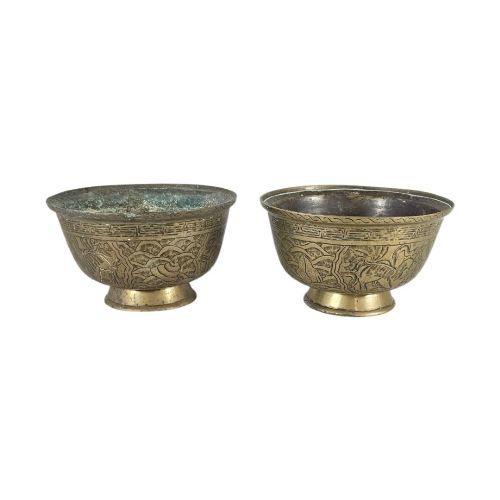
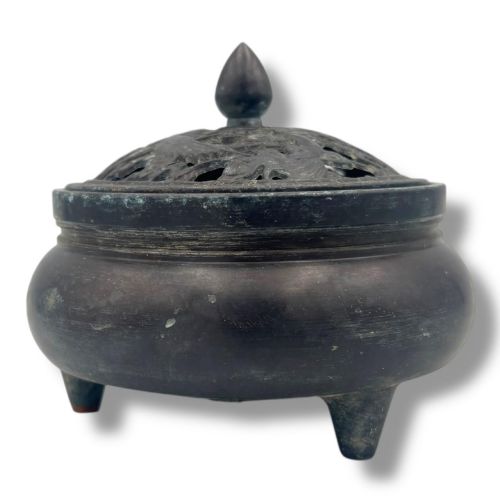
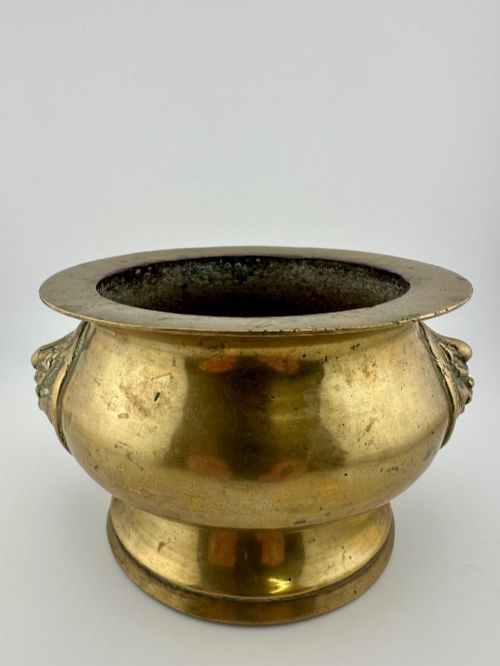
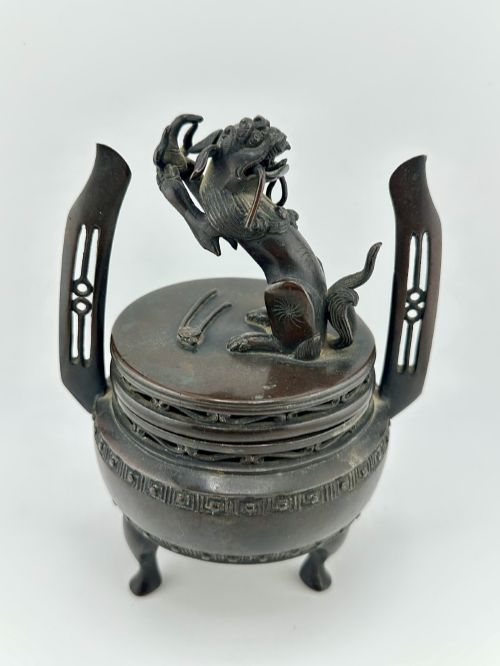
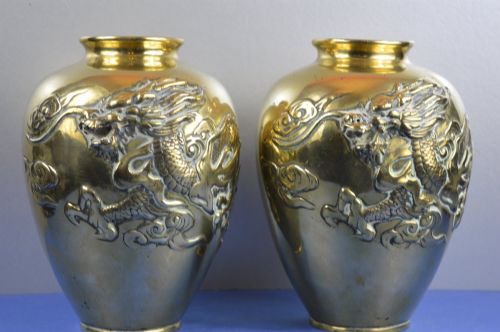
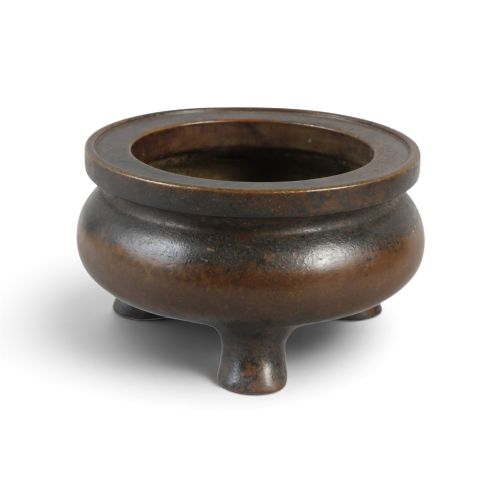
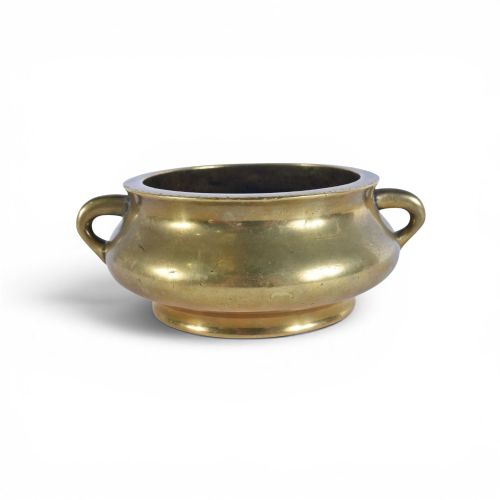
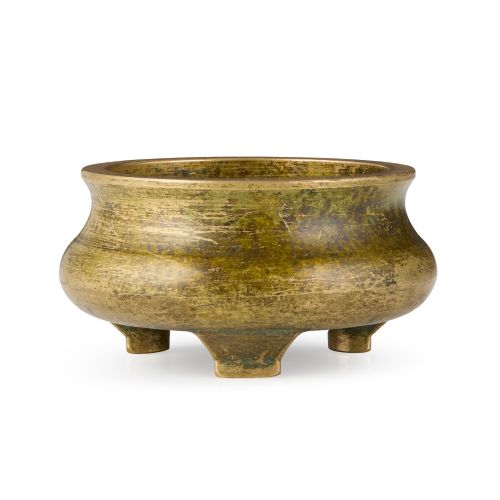
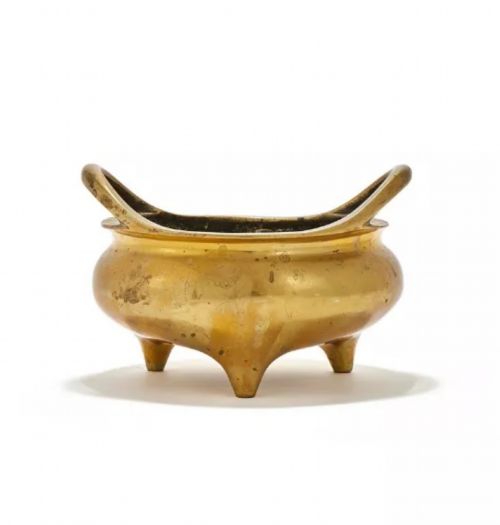
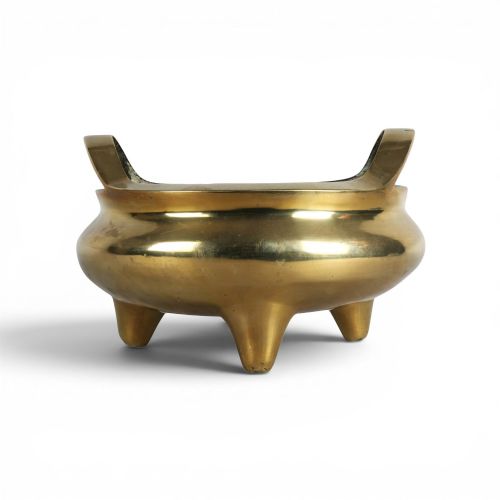
A Chinese metalwork vessel encompasses utilitarian and ritual forms ranging from tripod censers and wine cups to heavy bronze vases and decorative bowls. These objects emerge primarily from the Ming and Qing dynasties, alongside pieces spanning the nineteenth and early twentieth centuries.
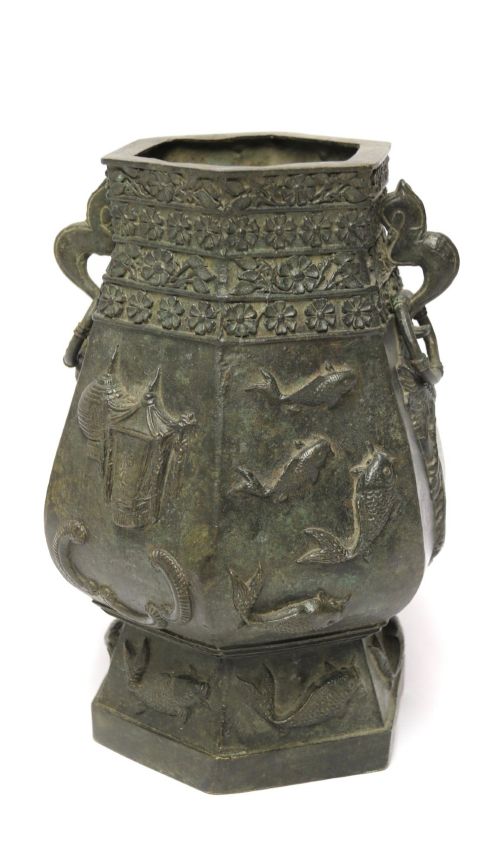
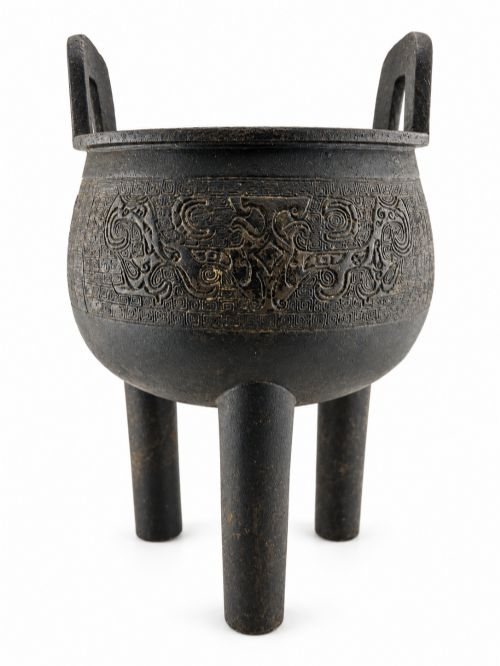
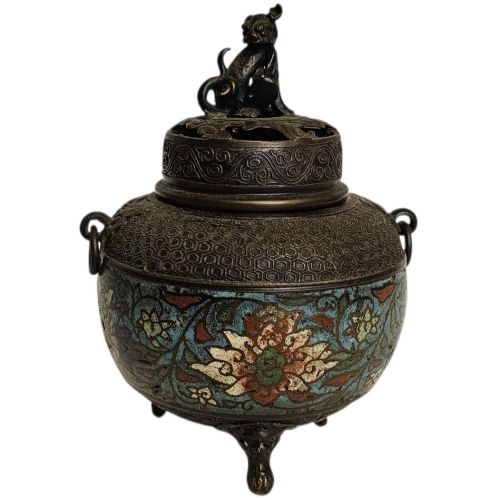
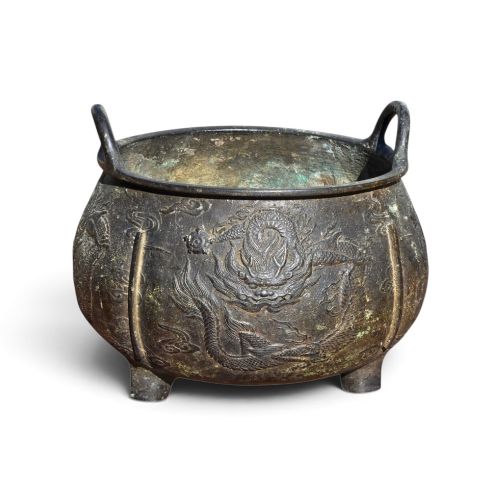
The selections available here lean heavily toward tripod incense burners with dragon or lion mask handles, alongside hexagonal ritual vessels and cloisonné enamel vases. Scholars and collectors encounter these functional antiques in both austere bronze formats and heavily decorated enamelled finishes.
Originating from imperial workshops and regional centres, these items served ancestral altars, scholar's desks, and ceremonial spaces. Their enduring appeal lies in the weight of the cast metal and the precision of archaic ornamentation.
Materials and Technique
The foundational technique relies on lost-wax casting and sand casting, producing dense bronze and brass structures capable of holding significant weight. Artisans utilised patination processes to achieve deep, aged tones on the metal surfaces.
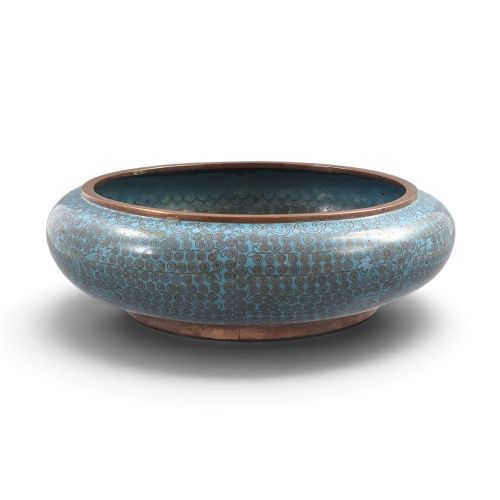
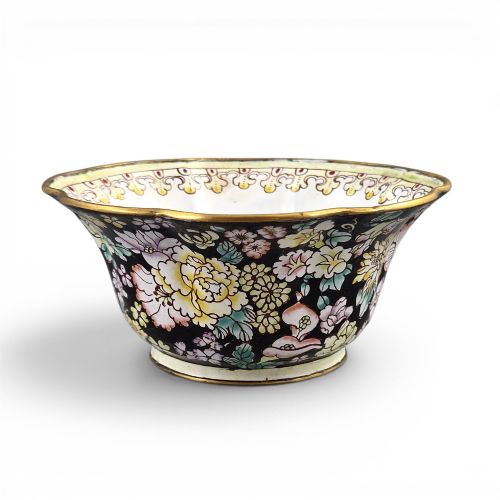
Surface embellishment frequently incorporates cloisonné and champlevé enamel work, where vitreous pastes fill soldered wire compartments before firing and polishing. Gilding and applied metal details further elevate the finished surface texture.
Chinese Metalwork Vessel Retail Price Guide 2026
Typical asking prices for chinese metalwork vessel among the pieces listed under this phrase on Sellingantiques today, from the lower quarter to the upper quarter. They describe what is for sale here now, not the wider market.
Listings feature bronze, brass, and copper across the Ming and Qing dynasties.
Evaluating the Metalwork
Quality rests primarily in the crispness of the casting and the density of the object relative to its physical size. Pieces featuring sharply rendered taotie masks, legible studio or reign marks, and even wall thicknesses demonstrate superior workshop standards.
The refinement of the surface finish and the integration of secondary materials like enamel or gilt work separate standard production pieces from high-status scholarly examples. Structural integrity and the survival of original patination without modern intervention dictate the standing of an antique.
Wu Bangzuo·Xuande Mark
The Chinese Metalwork Vessel Glossary
- Censer
- A vessel designed for burning incense during ritual or scholarly practices. These often stand upon three feet and feature fitted covers.
- Archaistic
- A design approach that deliberately emulates the ancient bronze styles of earlier dynasties. This aesthetic honours historical ritual forms through deliberate revival.
- Cloisonne
- An enamelwork technique utilising metal wires soldered to a metal body to create cells filled with paste. The piece is subsequently fired and polished smooth.
- Taotie
- A mythical zoomorphic mask motif commonly cast into the surface of ritual vessels. It draws from ancient iconography associated with protection and power.
- Tripod
- A vessel supported by three feet, typical of early ritual bronzes and later scholar's censers. This configuration provides stability on altar tables.
Chinese Metalwork Vessel: Frequently Asked Questions
What is an archaic bronze vessel used for?
These vessels primarily functioned as ceremonial burners for incense or ritual containers for wine during ancestral rites and temple offerings. In later centuries, scholars adopted them for studio desks to burn incense while writing or meditating.
The ritual forms reflect ancient philosophical ideas and imperial court customs. Their heavy metal construction ensured stability during active use in domestic shrines.
How do I identify a Xuande mark?
Xuande marks appear as cast or engraved characters on the base of bronzes, referencing the Ming dynasty emperor under whom metalwork achieved legendary status. Most pieces bearing this mark actually date from later Qing dynasty revivals rather than the fifteenth century.
Evaluating the surrounding metal quality, wear patterns, and patination helps determine the true age of the piece regardless of the inscribed mark.
What is the difference between bronze and brass here?
Bronze objects generally consist of copper alloyed with tin, yielding a dense material that takes on deep patination and heavy casting weights. Brass incorporates zinc instead of tin, producing a distinctively brighter golden hue when unpolished.
Both metals were utilised across different eras for vessels, though bronze historically held higher status in ritual contexts.
How should I clean an antique metal vessel?
Antique metalwork requires minimal intervention, typically needing only gentle dusting with a soft, dry cloth to preserve historical patination. Aggressive polishing or chemical cleaners strip away the aged surface crust that collectors value.
Maintaining stable indoor humidity prevents further corrosion on vulnerable bronze and brass surfaces.