




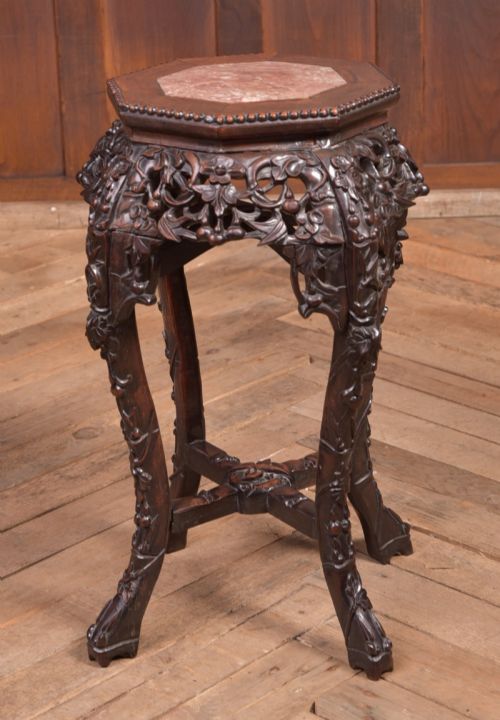
Chinese Hardwood Furniture
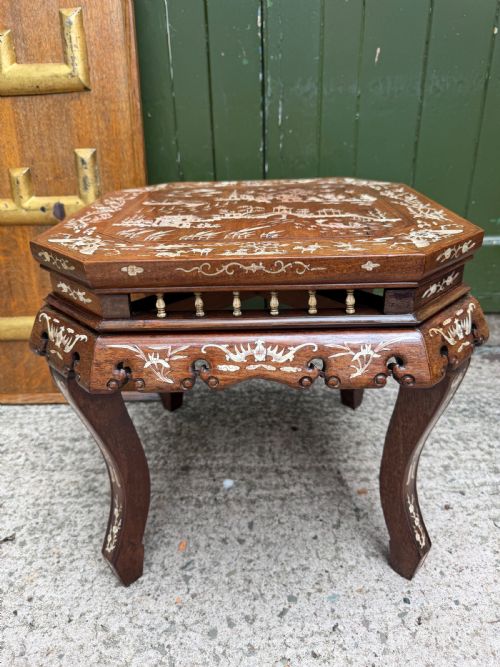
These pieces of chinese hardwood furniture bring dense rosewood, marble inset tops and intricate carving into domestic spaces from the nineteenth century onward.
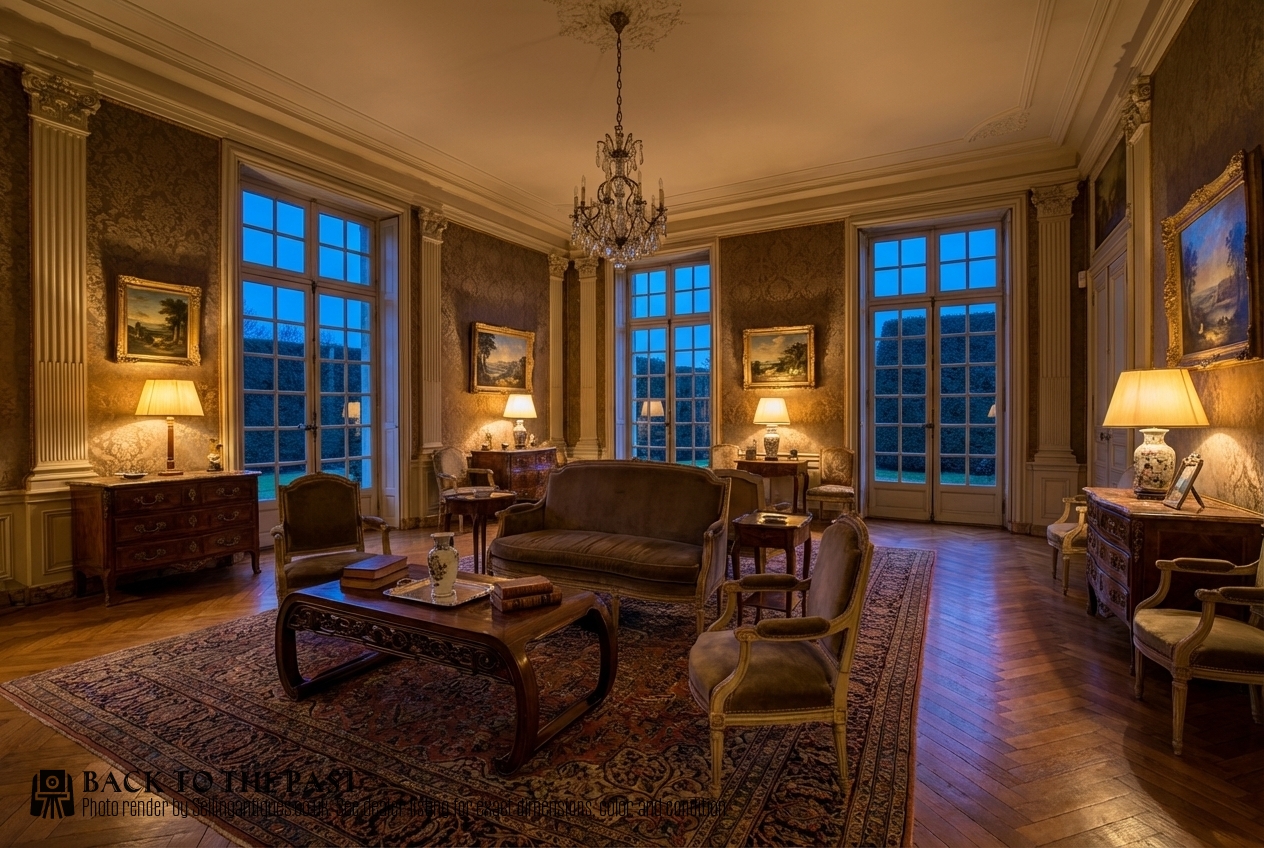
Chinese Hardwood Furniture
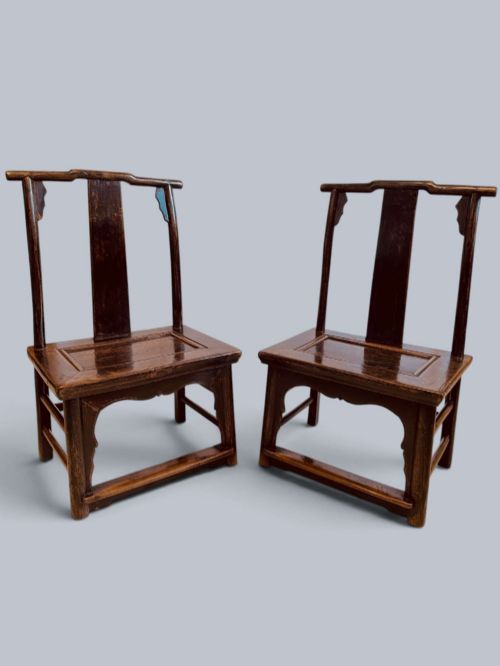
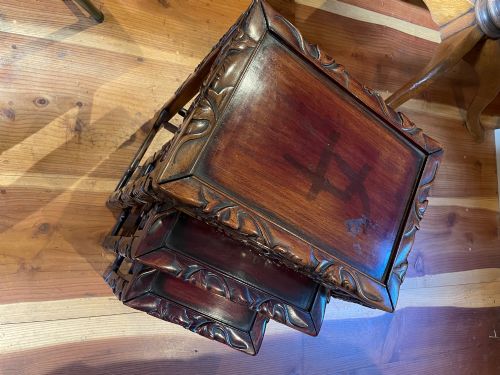
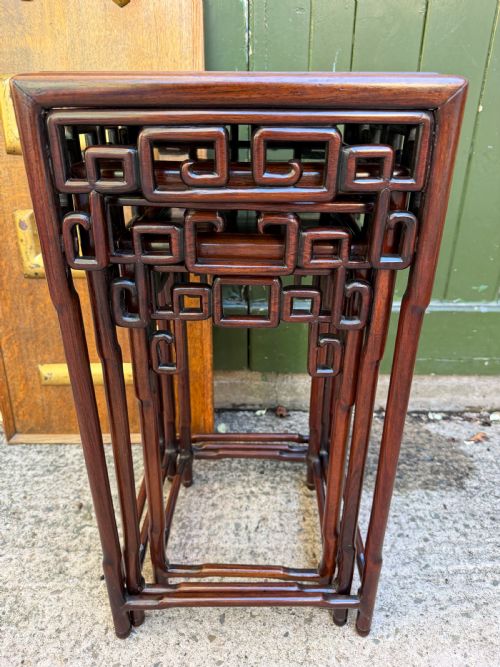
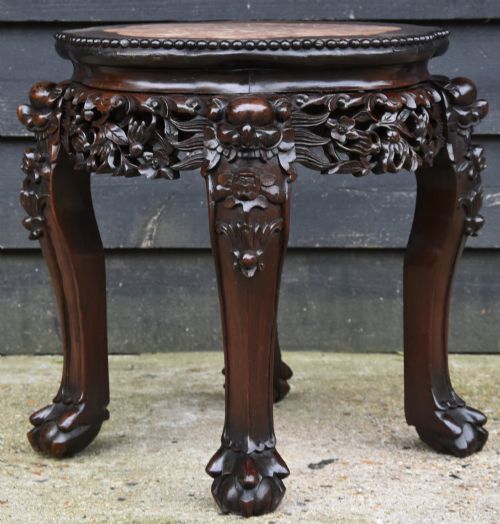
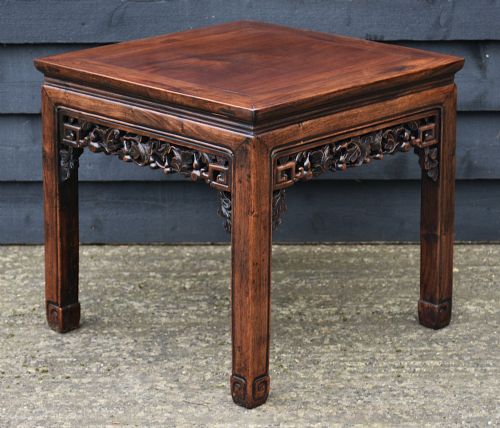
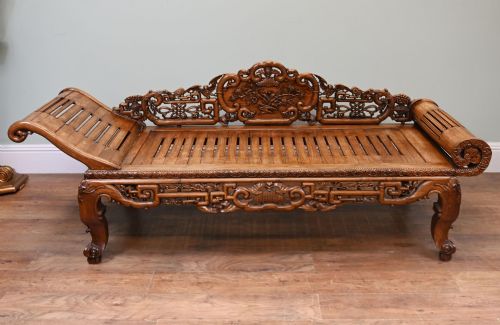
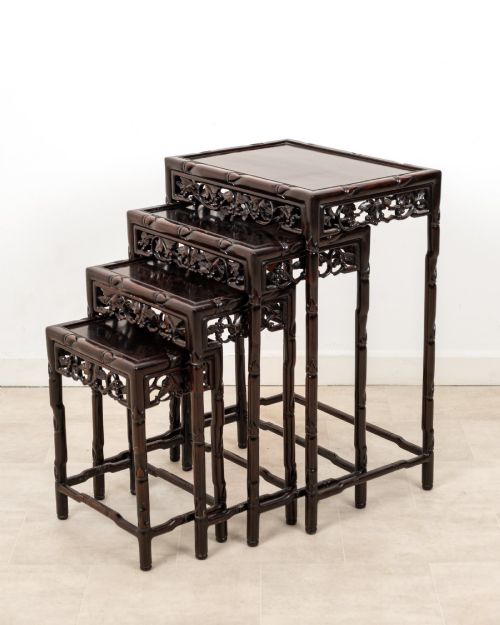
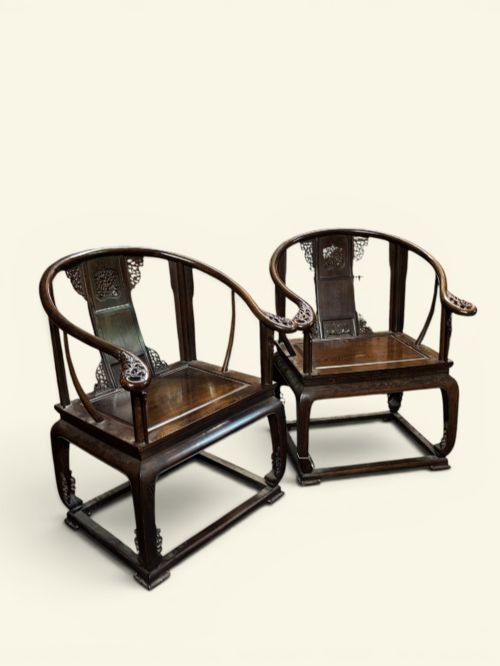
Chinese hardwood furniture encompasses seating, tables and display pieces created across the nineteenth and early twentieth centuries in traditional and export styles. Buyers find items ranging from horseshoe-back armchairs and benches to nests of four tables, altar tables and plant stands.
The objects stem predominantly from the Qing dynasty and the subsequent Republic period, showing construction methods derived from classical joinery. Side tables, low coffee tables and marble top pedestals appear frequently across current selections.
How they were made
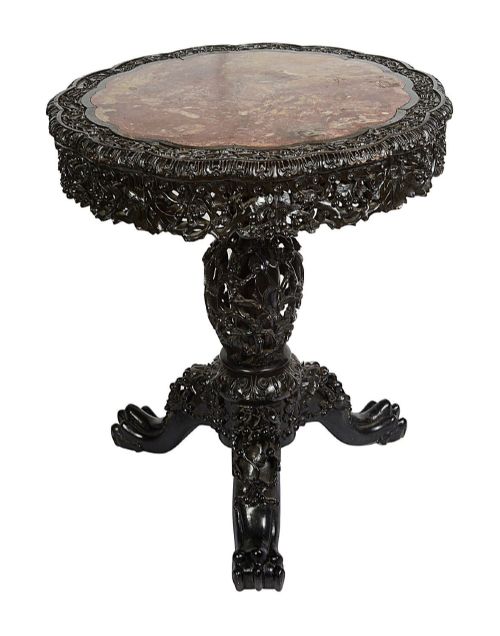
Craftsmen utilised dense tropical timbers such as hongmu, padouk and rosewood alongside elm, applying traditional frame and panel joinery without relying on metal fasteners. Surfaces frequently feature deep relief carving, sometimes paired with inset marble panels or cinnabar lacquer.
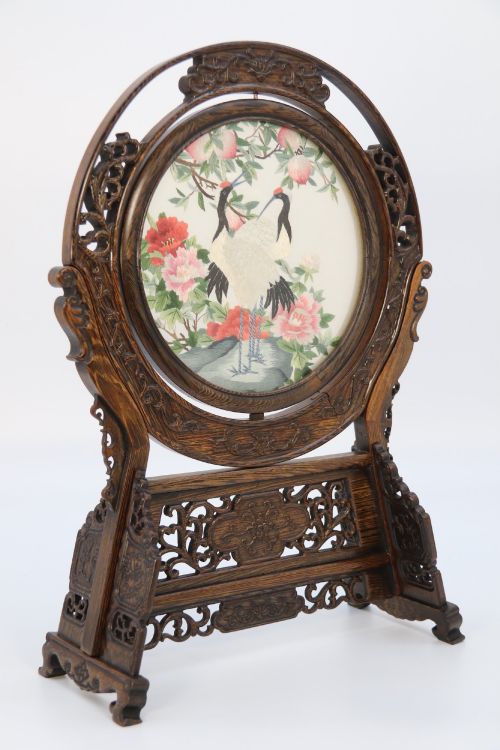
Secondary materials like brass, glass and mother-of-pearl inlay appear on specific display cabinets and tables, while silk embroidery forms rotating components on specialised stands.
Chinese Hardwood Furniture Retail Price Guide 2026
Typical asking prices for chinese hardwood furniture among the pieces listed under this phrase on Sellingantiques today, from the lower quarter to the upper quarter. They describe what is for sale here now, not the wider market.
What varies in quality
The calibre of chinese hardwood furniture rests upon the weight and selection of the timber, alongside the crispness of the hand carving. Pieces fashioned from heavy hongmu or rosewood with deeply articulated dragon motifs demonstrate superior workshop execution.
Construction integrity defines the upper tier, where joinery remains tight and structural timber shows no warping across large surfaces like altar tables or four-poster beds. The integration of inset rouge marble or fitted secondary woods further separates standard items from exceptional examples.
The Chinese Hardwood Furniture Glossary
- Hongmu
- A dense, heavy tropical hardwood prized in Chinese cabinetmaking for its deep natural colour and ability to hold intricate carving. It translates literally as red wood.
- Altar table
- A long, narrow table traditionally placed against a wall for ceremonial use, distinguished by upturned flanges at the short ends.
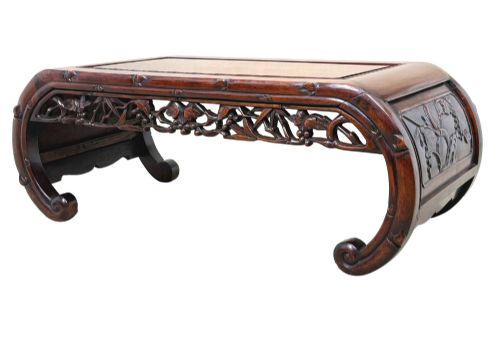
- Opium table
- A low coffee table designed for domestic leisure use, typically featuring cabriole legs and recessed panel construction.
- Jardiniere stand
- A tall pedestal or small side table specifically proportioned to support heavy ceramic plant pots and flower vessels.
- Cinnabar lacquer
- A building up of numerous layers of coloured resin over a wooden core, subsequently carved into pictorial or geometric low relief.
Chinese Hardwood Furniture: Frequently Asked Questions
How do I identify rosewood pieces?
Rosewood items display a noticeably heavy density and a deep red-brown grain pattern that darkens naturally over time. Closer inspection reveals fine pores and a smooth polished finish without applied stains.
Such timber resists minor impacts and maintains structural rigidity across centuries of domestic use. The wood often pairs with marble inserts or carved aprons without requiring auxiliary support.
Where were altar tables placed?
Altar tables originally stood against the main wall of a reception hall or ancestral shrine to hold ritual objects and offerings. Their elevated end flanges served both symbolic and practical purposes.
In modern interiors, these long narrow proportions suit hallways, behind sofas or beneath large wall mirrors. Their shallow depth allows them to occupy minimal floor space while providing a substantial display surface.
How should I clean marble top stands?
Marble inserts require gentle maintenance using a soft, damp cloth without acidic cleaning agents or abrasive powders. The stone sits within a wooden frame and benefits from occasional dusting around the join.
Polishing the surrounding rosewood or hongmu structure helps preserve the natural sheen of the timber. Avoid placing damp items directly onto unsealed marble surfaces to prevent ring marks.