



Chinese Hardstone Carving
These Chinese hardstone carving pieces bring mineral sculpture, ritual vessels and miniature jade objects into domestic interiors with striking colour and texture.
Chinese Hardstone Carving
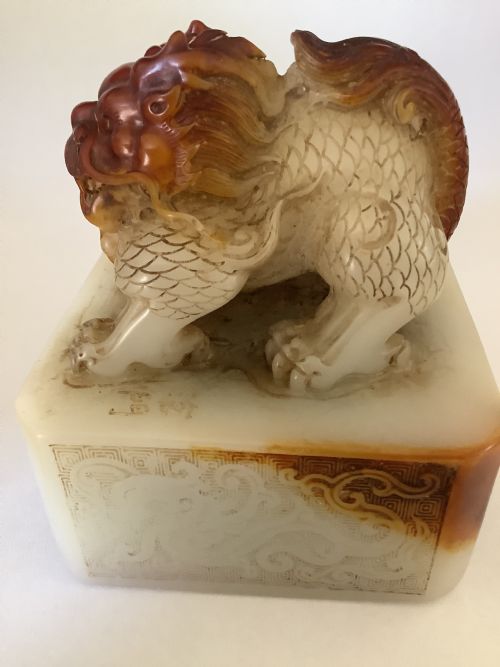
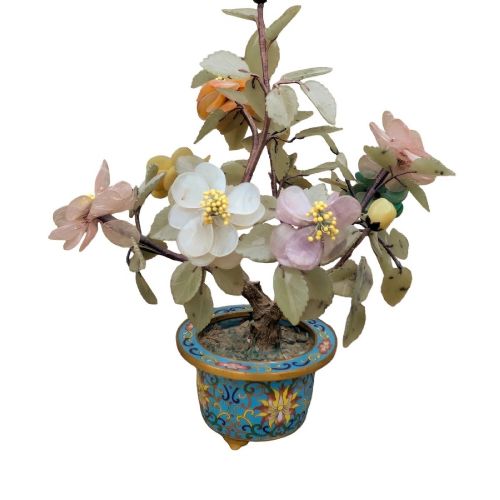
A Chinese hardstone carving encompasses a diverse range of objects, from miniature snuff bottles and seals to substantial sculptures and bonsai trees mounted in jardinières. Buyers searching for a Chinese hardstone carving encounter pieces shaped from jade, agate, soapstone and bowenite serpentine.
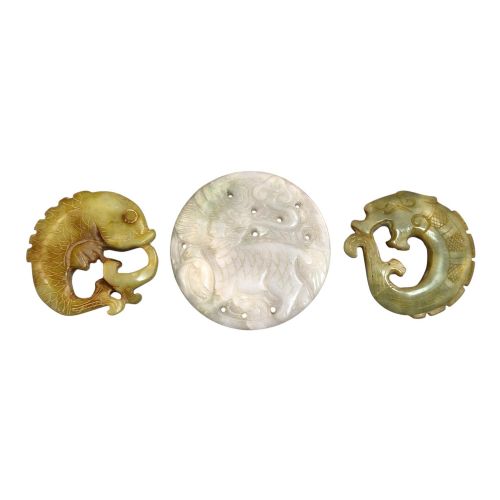
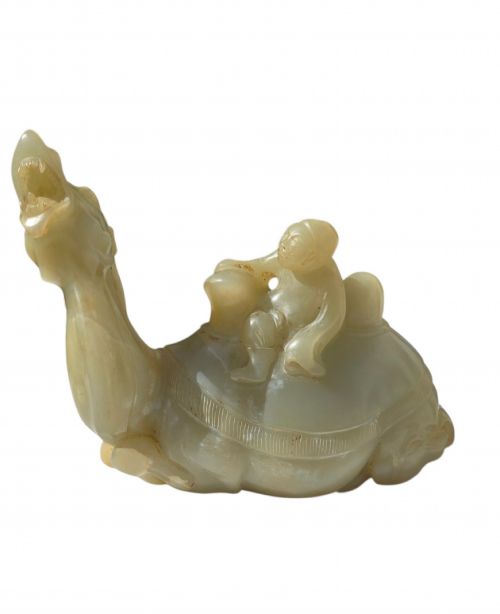
The selections span multiple eras, including Qing Dynasty ceremonial vessels, Edwardian amulets and Republic Period figural groups. Smaller cabinet pieces like rock crystal bottles and stone-mounted screens appear frequently alongside larger sculptural figures of animals and sages.
Materials and Techniques
Carvers utilised rotary abrasive tools and water slurries to shape dense minerals such as jade, rock crystal and agate, exploiting natural colour variations within the stone. Openwork piercing, low relief carving and detailed incising demand immense patience given the hardness of the material.
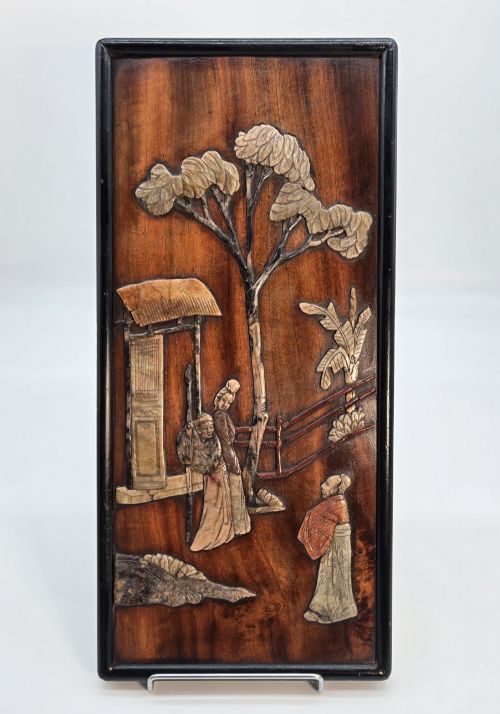
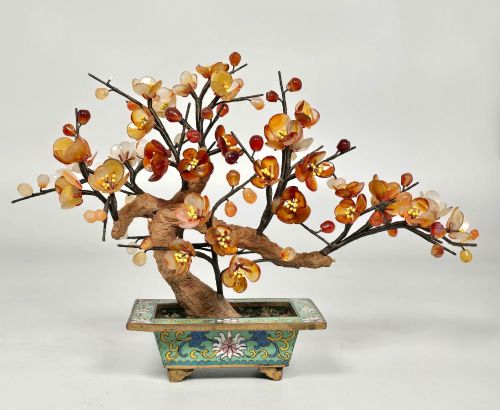
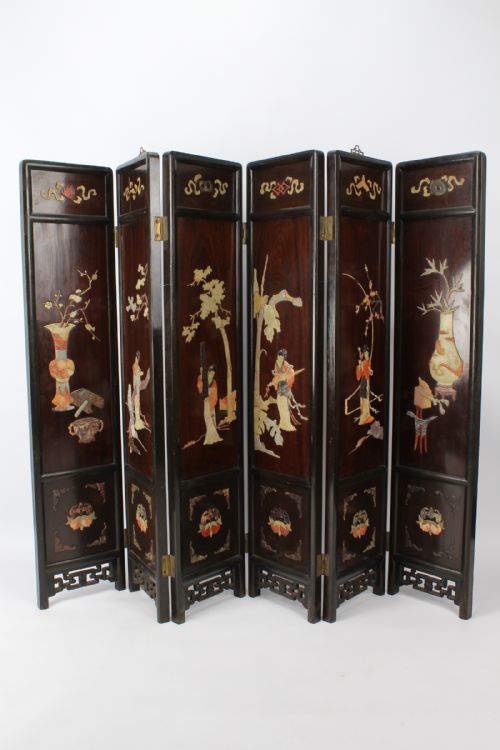
Many sculptural forms incorporate organic or metal elements, combining carved hardstone flora with cloisonné enamel jardinières, or mounting jade plaques into lacquered wood furniture and folding screens.
Judging Quality
Quality rests primarily on the virtuosity of the lapidary work and the natural resonance of the stone itself. Superior pieces display fluid, confident undercutting and master-carved openwork that respects the inherent grain and translucency of the mineral rather than fighting it.
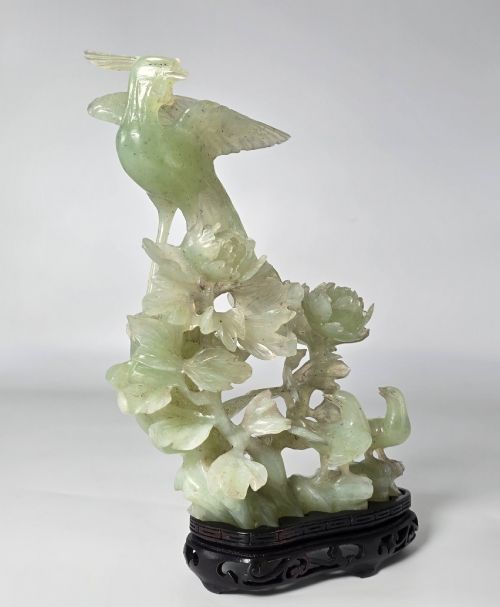
The refinement of miniature details, such as the precision of a dragon motif or the delicate proportions of a bird group, separates standard decorative items from exceptional cabinet pieces.
Cartier Paris
The Chinese Hardstone Carving Glossary
- Hardstone
- A semi-precious mineral worked by lapidary artisans into decorative objects and sculptures. This category includes jade, agate, quartz and soapstone.
- Jadeite
- One of the two distinct mineral species accepted as jade, known for its crystalline structure and vibrant green or lavender colour variations.
- Snuff Bottle
- A small container designed to hold powdered tobacco, often fitted with a tight stopper and an integrated tiny spoon. These miniature vessels showcase some of the finest hollowing and exterior relief carving.
- Censer
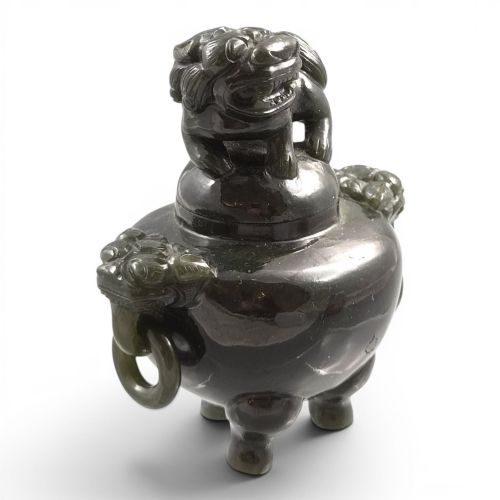
- A ritual vessel intended for burning incense, typically raised on tripod feet and featuring carved animal mask handles or foo dog finials.
- Bi Disc
- A flat circular jade or stone artefact with a circular hole in the centre, often associated with ancient ritual practices and decorated with carved dragons.
Chinese Hardstone Carving: Frequently Asked Questions
What is a Chinese hardstone carving?
A Chinese hardstone carving is an object shaped from non-crystalline or crystalline minerals like jade, agate, soapstone and rock crystal by skilled lapidary artisans.
These works range in scale from tiny snuff bottles and amulets to large figural sculptures and decorative screen panels.
How were snuff bottles used?
Snuff bottles held finely ground tobacco used for inhalation during the Qing Dynasty and later periods.
Carters prized them as personal status items, carrying them in pockets or pouches for social display.
How do I care for hardstone carvings?
Protect delicate minerals from sudden temperature changes and direct sunlight that might affect fragile inlays or bonded elements.
Dust surfaces gently with a soft dry cloth and avoid harsh chemical cleaning agents.
How can I tell the period?
Dating relies on stylistic markers, tool marks, mounting techniques and the specific mineral choices associated with dynasties or republic eras.
Comparing the depth of relief work and mounting hardware helps distinguish Qing Dynasty pieces from later 20th-century creations.