

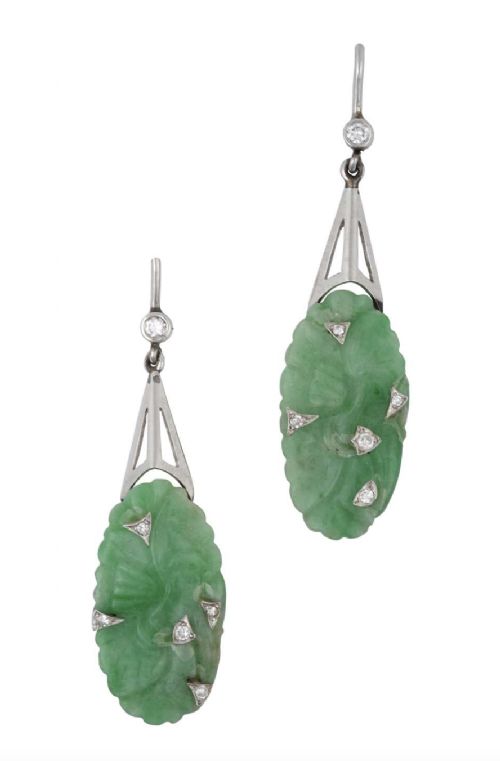


Green Jade Carving
Green jade carving gathers centuries of lapidary skill, running from ancient ritual forms to delicate personal ornaments.
Green Jade Carving
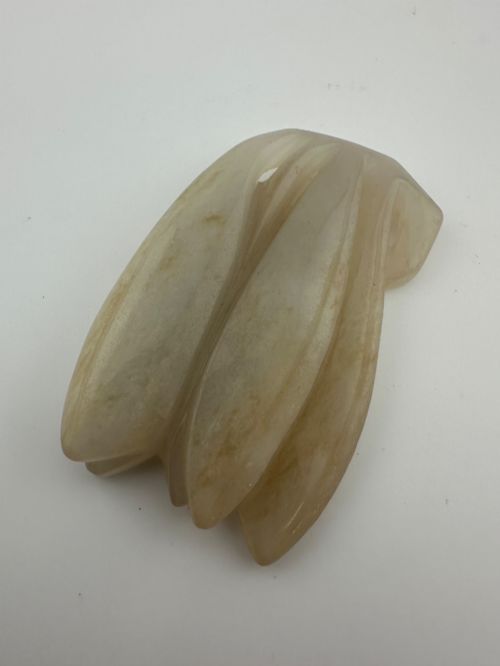
A green jade carving encompasses a wide range of objects, from miniature figures and snuff bottles to larger sculptural groups and vessels. When exploring green jade carving on this page, buyers frequently encounter items originating from Qing Dynasty, Republic Period, and Edwardian workshops.
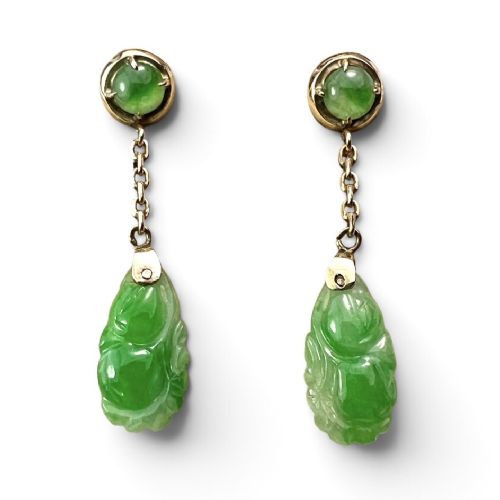
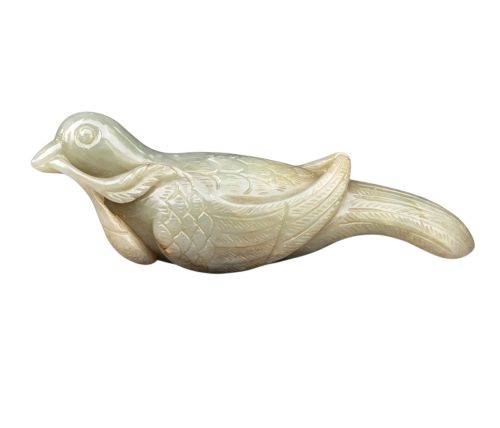
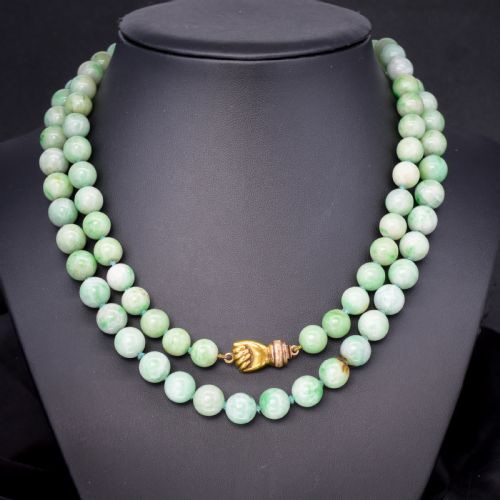
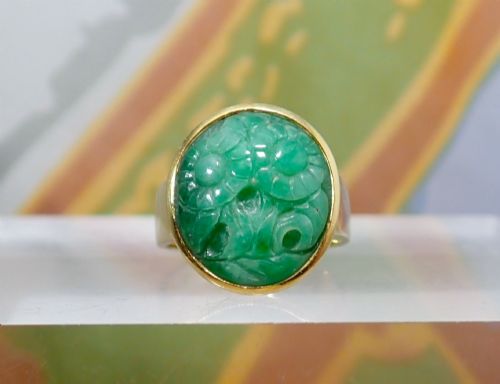
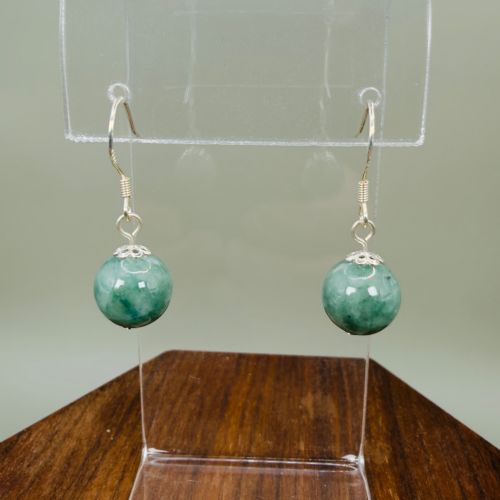
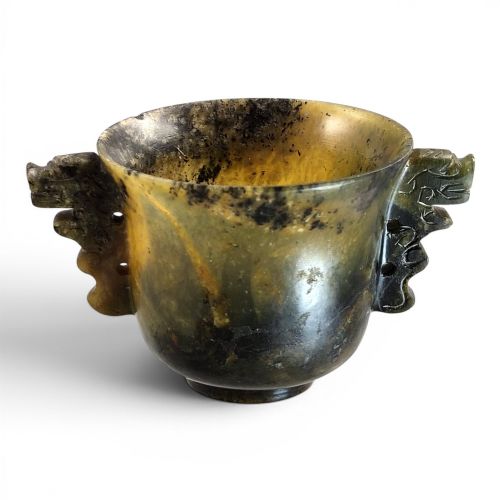
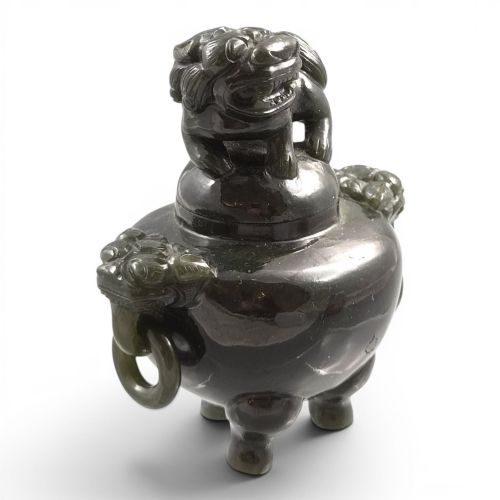
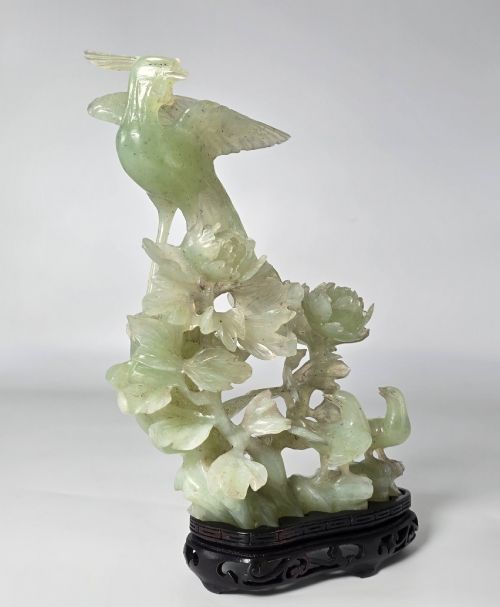
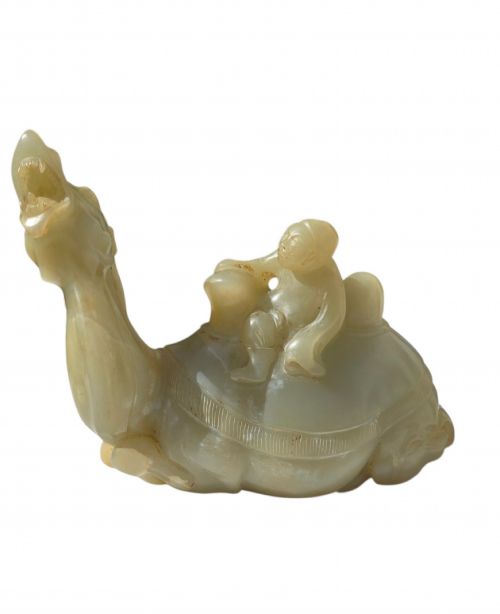
The material takes many forms, including pale celadon, dark green, and spinach-green tones. Functional scholar's items such as brush washers and water birds sit alongside pendant amulets, rings, and drop earrings mounted in gold and platinum.
Materials and Technique
Carvers worked tough mineral masses using abrasive sand and rotary tools to shape nephrite and jadeite. This demanding reduction process required immense patience to yield smooth contours and deep undercuts.
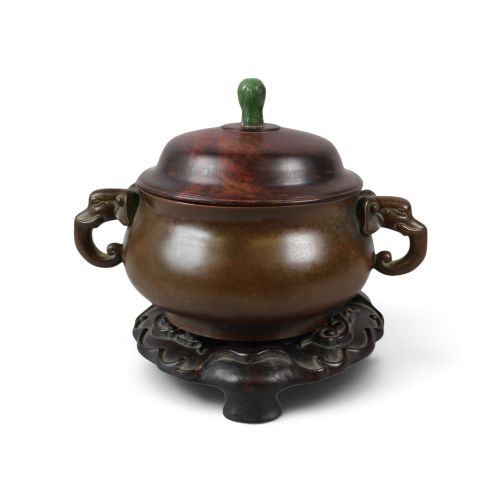
Many sculptural works and vessels incorporate custom hardwood stands designed to support the dense stone. Precious metals such as gold, silver, and platinum appear in jewellery mounts alongside diamonds and pearls.
Listings feature items spanning the 18th, 19th, and 20th centuries, including Edwardian and Art Deco jewellery mounts.
Assessing Quality
Quality rests upon the natural translucency and colour saturation of the stone, paired with the precision of the carving. Crisp relief work that respects the organic inclusions of the material elevates a piece significantly.
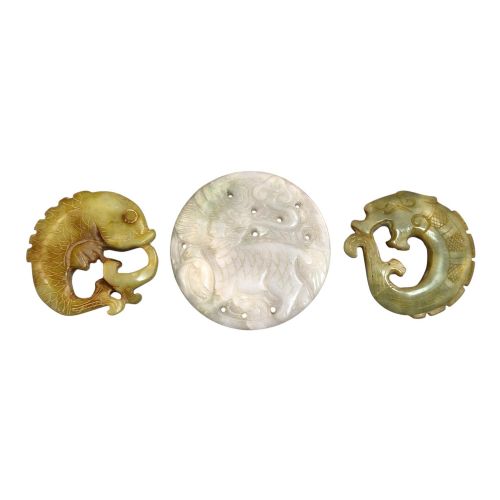
Fine examples display thoughtful integration of natural russet or contrasting tones within the green matrix. The fluidity of the line in creatures, foliage, and archaic motifs distinguishes accomplished lapidary work from rigid execution.
The Green Jade Carving Glossary
- Nephrite
- A dense, tough amphibole mineral utilised extensively in traditional Chinese carving. It yields a smooth, greasy lustre when polished.
- Jadeite
- A pyroxene mineral valued for its vibrant green hues and crystalline structure. It forms brilliant translucent pieces often set in precious metals.
- Celadon
- A pale green or grey-green tone found in natural stone and ceramic glazes. It mirrors the subtle colours prized by traditional scholars.
- Archaistic
- A stylistic approach that emulates ancient bronze or jade designs from earlier dynasties. Makers adopted these traditional forms to connect with historical aesthetics.
- Bi disc
- A flat circular jade artefact with a circular hole in the centre. These ritual objects carry deep historical significance in Chinese culture.
Green Jade Carving: Frequently Asked Questions
How do I care for a green jade carving?
Clean the stone gently with a soft cloth and mild soapy water when necessary. Avoid harsh chemical cleaners and protect mounted jewellery from hard impacts against other surfaces.
Store pieces separately in padded containers to prevent scratching softer materials or metal settings. Keep delicate items away from sudden temperature extremes.
What is the difference between nephrite and jadeite?
Nephrite and jadeite are two distinct mineral species that share similar appearance and toughness. Nephrite tends to display fibrous textures with softer, waxy greens and celadon tones.
Jadeite often exhibits brighter emerald colours and a more crystalline structure. Both materials were carved across different historical periods depending on availability and imperial preference.
How do I identify a Qing Dynasty piece?
Qing Dynasty items often feature deep, meticulous undercut carving with traditional motifs such as dragons, lotus blossoms, and archaic symbols. The handling of the stone demonstrates centuries of refined lapidary tradition.
Examining the tool marks and the integration of natural russet inclusions helps contextualise the date. Many works from this era also incorporate fitted hardwood stands.
How were snuff bottles used?
Snuff bottles held powdered tobacco blended with herbs, which gained popularity during the Qing Dynasty. Users carried these small containers as personal accessories for social interaction and refreshment.
Carvers utilised the natural colour variations in the green stone to highlight exterior motifs. Miniature spoons attached to the stoppers allowed the owner to dispense the tobacco.